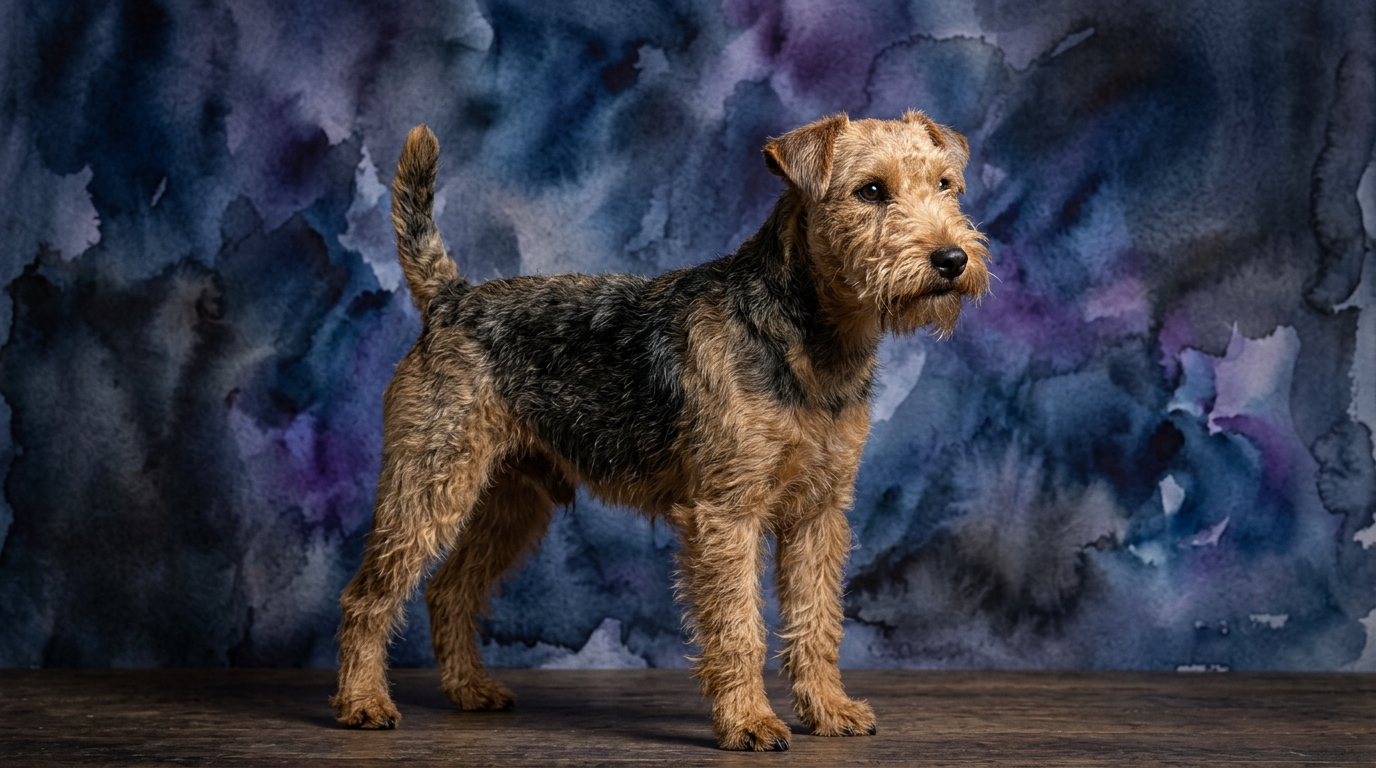
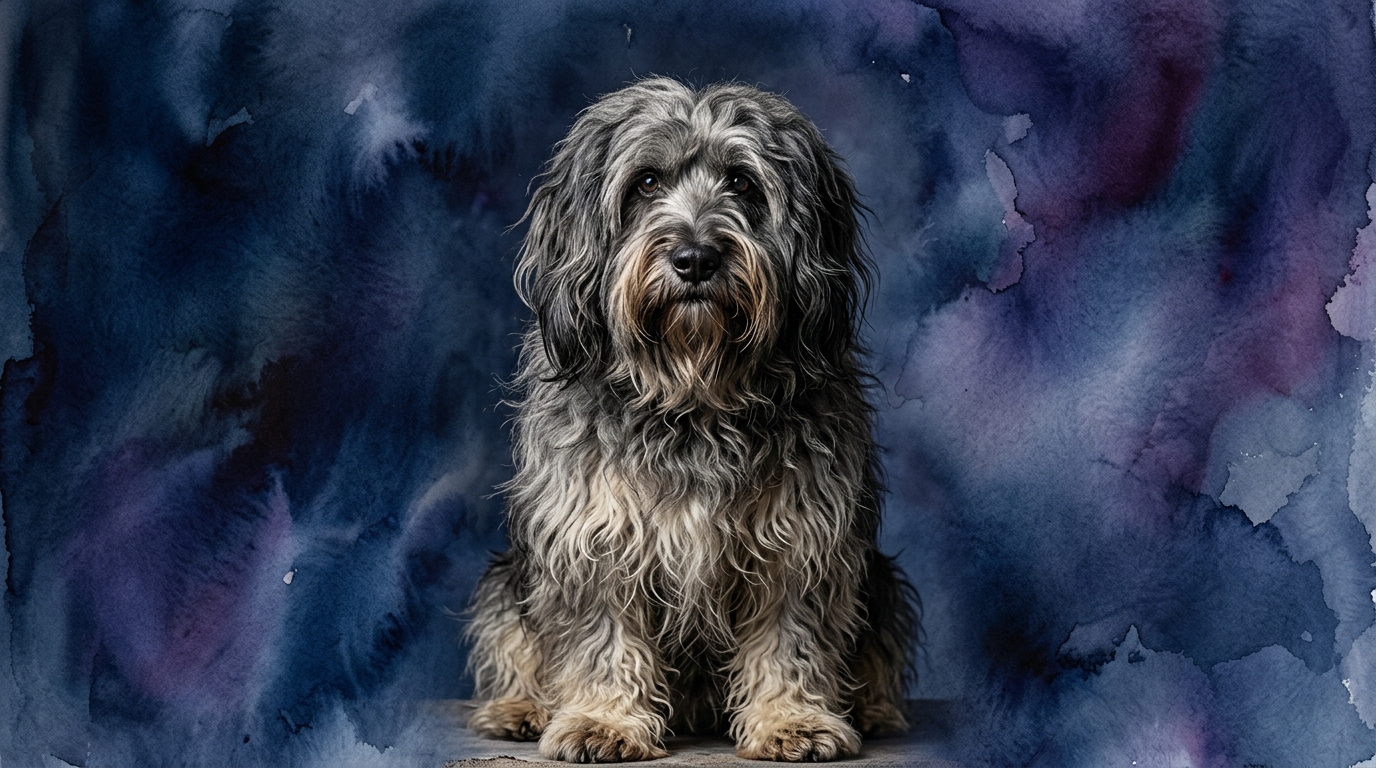
Side-by-Side IQ Profile: Lakeland Terrier vs. Polish Lowland Sheepdog
The Lakeland Terrier, originating from England's Lake District, was bred to hunt foxes in rocky, often subterranean terrain. Their 3/5 in Problem Solving reflects an independent, often tenacious approach to overcoming physical obstacles or outsmarting quarry; they are adept at navigating complex environments to achieve a goal, even if it requires a degree of improvisation. A 3/5 in Training Speed indicates they grasp commands with reasonable quickness, but their strong will and independent nature mean consistency and engaging methods are crucial to ensure compliance. Their Social Intelligence at 3/5 suggests they can read human cues and adapt to family dynamics, but they also possess a discerning nature, often preferring the company of their primary humans and being less universally effusive. The 3/5 Instinctive Drive is prominently expressed as a robust prey drive and a persistent curiosity, pushing them to explore, dig, and chase with considerable vigor. Finally, their Memory at 3/5 allows them to recall learned behaviors and routines, but also remember past experiences and locations, which can be useful for tracking or navigating familiar territories.
The Polish Lowland Sheepdog (PON), originating from the lowlands of Poland, was developed to manage flocks with minimal human intervention. Their 3/5 in Problem Solving is geared towards practical, real-time decision-making in a pastoral context, such as guiding sheep through challenging terrain or separating individuals from a group; they think on their feet to manage dynamic situations. A 3/5 in Training Speed means they are generally receptive to learning, particularly when tasks involve purpose and collaboration; they enjoy mental engagement and respond well to clear, positive instruction. Their Social Intelligence at 3/5 is well-developed for understanding both handler intent and the subtle social dynamics within a flock, making them responsive partners and observant family members who can quickly assess situations. The 3/5 Instinctive Drive for a PON manifests as a strong herding instinct, a desire to gather and control, and a watchful nature, making them vigilant guardians of their perceived "flock," be it sheep or family. Their Memory at 3/5 allows them to retain complex sequences of commands, patrol routes, and the individual traits of animals or people within their care, contributing to their effectiveness as working dogs and companions.
Where the Lakeland Terrier Wins Cognitively
The Lakeland Terrier's cognitive edge lies in its focused intensity and independent resourcefulness, particularly in tasks requiring self-directed initiative. While both breeds score 3/5 in problem-solving, the Lakeland's manifestation is often characterized by a single-minded determination to overcome a specific, often physical, challenge—like figuring out how to squeeze through a small gap to pursue a scent. Their instinctual drive, also rated 3/5, couples with this problem-solving to create a persistent explorer, one who will meticulously investigate every nook and cranny, demonstrating a unique tenacity in pursuit of a perceived "quarry" or objective. This combination gives them an advantage in scenarios demanding unwavering focus, resilience in the face of obstacles, and a willingness to operate without constant human direction, making them adept at independent searching or navigating complex, confined spaces.
Where the Polish Lowland Sheepdog Wins Cognitively
The Polish Lowland Sheepdog demonstrates a cognitive advantage in situations requiring nuanced environmental awareness and cooperative problem-solving within a social context. While both breeds share a 3/5 in social intelligence, the PON's expression is deeply rooted in its herding heritage, enabling it to read subtle shifts in flock behavior and anticipate movement, as well as interpret complex human commands. Their problem-solving, also 3/5, is often applied to dynamic, multi-variable situations, such as strategizing how to move a group of animals efficiently or adapting to sudden changes in terrain or weather. This capacity for integrated thinking—combining social cues, environmental factors, and learned commands—allows them to excel in tasks that demand adaptability, a broad understanding of their surroundings, and a collaborative spirit, making them particularly effective partners in structured, goal-oriented activities.
Which is Easier to Train and Why
Assessing which breed is "easier" to train, despite both scoring 3/5 in training speed, requires looking beyond raw learning capacity to their intrinsic motivations and behavioral tendencies. The Polish Lowland Sheepdog generally presents a more straightforward training experience for the average owner. Their herding background instills a desire to work cooperatively with a handler and a natural inclination to respond to direction, often viewing training as a purposeful activity. They enjoy having a "job" and thrive on clear communication and positive reinforcement, making them eager participants in learning sessions. In contrast, the Lakeland Terrier's strong independent streak and deep-seated prey drive can make training a more nuanced endeavor. While they learn commands quickly, their inclination to follow their nose or act on their own initiative can sometimes override a learned command, especially in stimulating environments. Training a Lakeland requires immense consistency, patience, and creative methods to channel their terrier tenacity into desired behaviors, rather than expecting immediate, unwavering obedience in all circumstances. Therefore, while both learn at a similar pace, the PON's inherent biddability often translates to a smoother, less challenging training journey for many owners.
Which Suits Active Owners vs. Relaxed Owners
Neither the Lakeland Terrier nor the Polish Lowland Sheepdog are suitable for truly relaxed, sedentary owners; both require significant engagement, but the nature of that activity differs. The Lakeland Terrier thrives with active owners who enjoy robust, often independent, outdoor adventures. Their substantial instinctive drive and problem-solving prowess mean they need outlets for exploring, digging, and chasing, making them ideal companions for hiking, earthdog trials, or engaging scent work. Owners must be prepared for their terrier's energetic bursts and provide consistent physical and mental challenges to prevent boredom and destructive behaviors. The Polish Lowland Sheepdog also requires an active lifestyle, but their needs lean more towards structured activities and companionship. They are best suited for active owners who appreciate a dog that enjoys working alongside them, whether through long walks, agility, obedience, or even simulated herding games. While they can be calm indoors if their needs are met, their herding heritage means they thrive on having a purpose and benefit greatly from consistent interaction and mental tasks that engage their social and problem-solving intelligence. In essence, the Lakeland suits owners who appreciate a dog with tenacious, self-directed energy, while the PON is better for those seeking an active, collaborative partner.
The Verdict
Choose Lakeland Terrier if you are an active individual who appreciates a tenacious, independent thinker with a robust, self-directed energy, and you're prepared to channel their strong instincts into engaging activities.
Choose Polish Lowland Sheepdog if you seek an active, collaborative partner who excels in structured tasks, enjoys working alongside you, and offers a balanced blend of independent thought and cooperative spirit.
🧠 Find Your Pet's IQ Score
Our Pet IQ Lab assessment covers 25+ tests across 5 cognitive dimensions — personalized to your breed.
Take the Full IQ Test →Frequently Asked Questions
Do Lakeland Terriers or Polish Lowland Sheepdogs make good family pets, considering their cognitive traits?
Both can be excellent family pets, but their suitability depends on understanding their specific cognitive profiles. Lakelands are loyal but their independent streak means they benefit from clear boundaries, while PONs are often more universally adaptable to family dynamics due to their social intelligence and desire to be involved.
How do their similar "instinctive drive" scores manifest differently in daily life?
For the Lakeland Terrier, a 3/5 instinctive drive often translates to a powerful prey drive, a love for digging, and an insatiable curiosity for scents. For the Polish Lowland Sheepdog, the same 3/5 drive manifests as a strong herding instinct, a watchful nature, and a desire to "manage" their family or environment, often expressed through gentle nudging or watchful guarding.
Since both have 3/5 memory, does that mean they forget things easily?
A 3/5 memory score indicates a solid, functional memory, not a poor one. Both breeds are capable of remembering commands, routines, and experiences. The difference lies in what they prioritize remembering: Lakelands might recall scent trails or den locations, while PONs excel at remembering complex command sequences or flock patterns, reflecting their respective breed purposes.