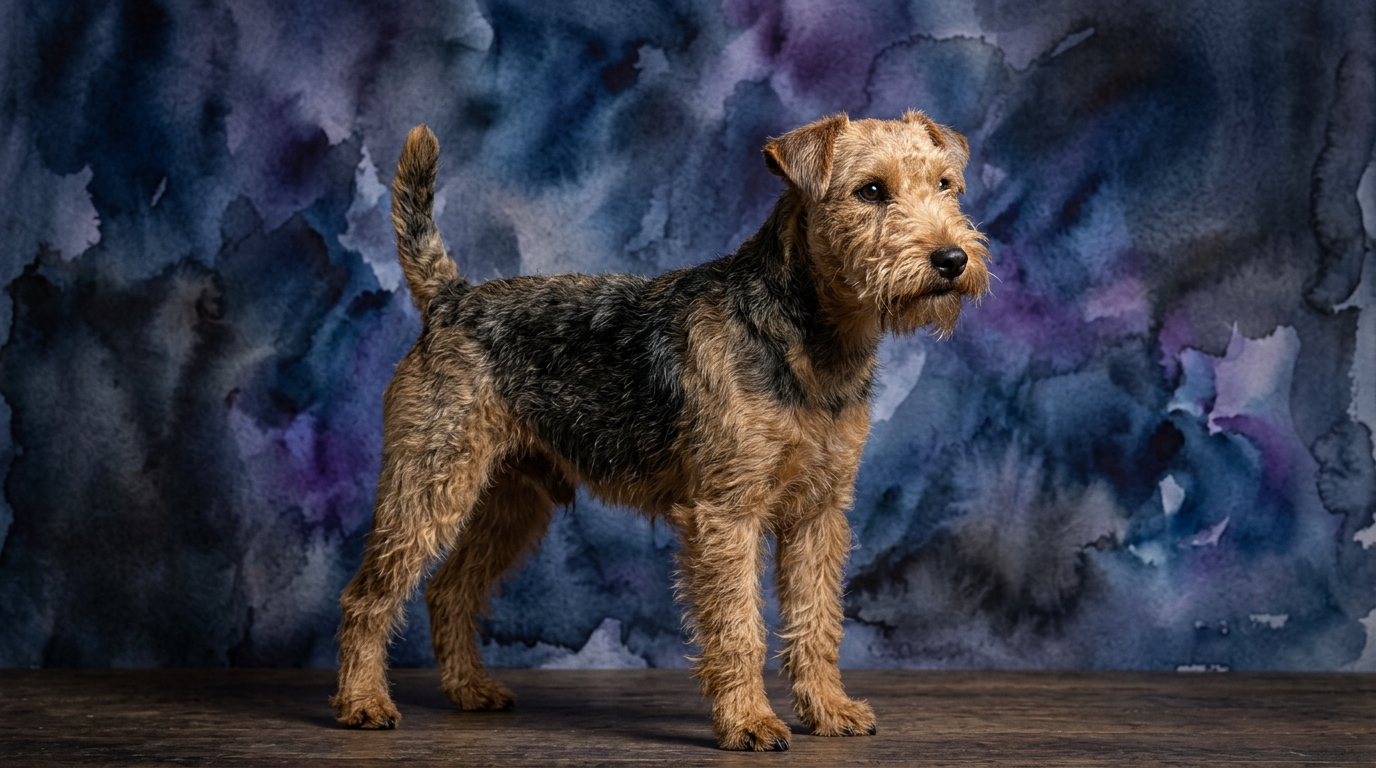
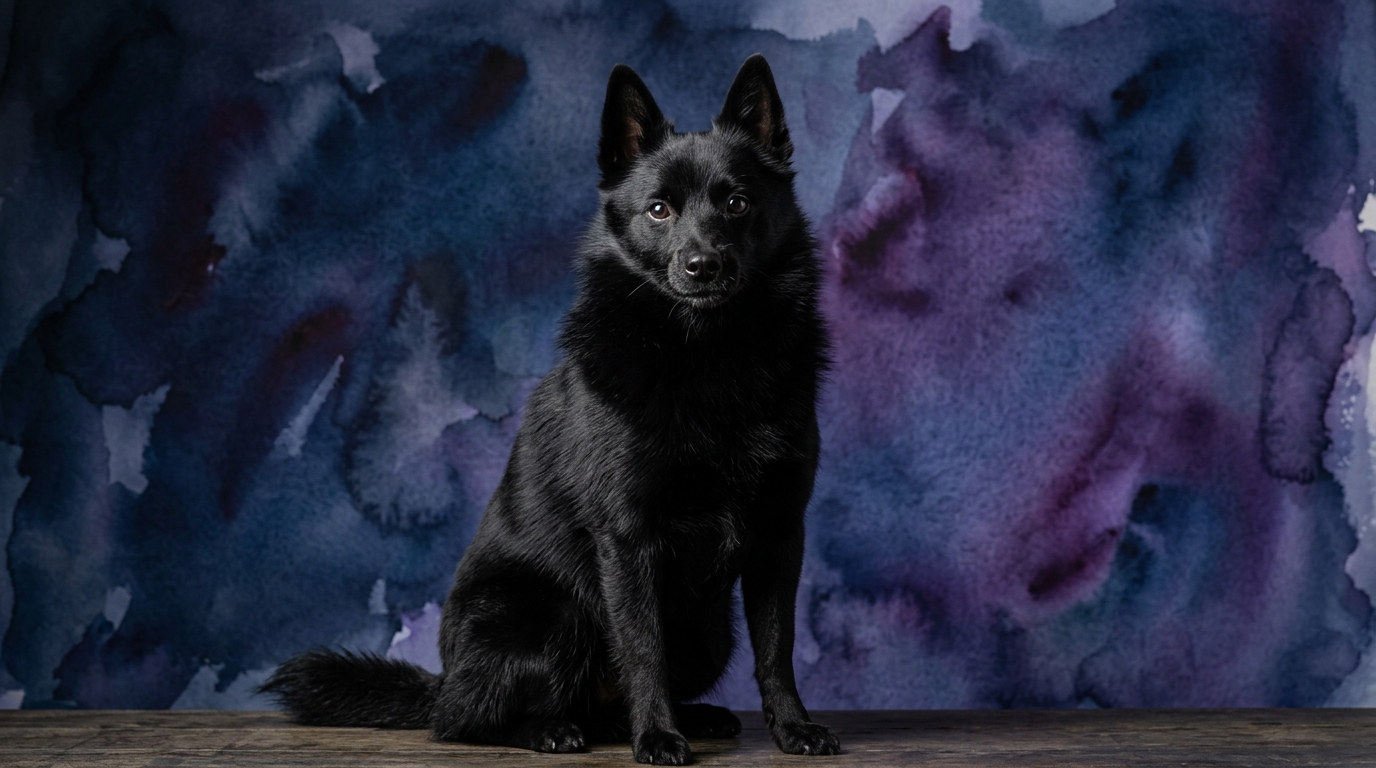
The Cosmic Pet IQ Profiles: Lakeland Terrier vs. Schipperke
Lakeland Terriers present a remarkably consistent cognitive profile, scoring a balanced 3 out of 5 across all five dimensions. Their problem-solving ability, rated at 3/5, indicates a capacity for navigating challenges but perhaps not with immediate ingenuity; they will work through a puzzle, but it might take a moment. Training speed, also at 3/5, suggests they are receptive to learning new commands, though consistency and patience are key to embedding behaviors. Social intelligence, scoring 3/5, means they can read and respond to human cues and social situations adequately, forming bonds and understanding household dynamics without exceptional nuance. Their instinctive drive, a 3/5, reflects a moderate propensity for their original working roles, manifesting as curiosity and occasional bursts of focused determination. Lastly, memory, also at 3/5, implies they retain learned information and experiences reliably, though perhaps not with photographic recall.
In stark contrast, the Schipperke's Cosmic Pet IQ profile showcases distinct cognitive peaks. They achieve a perfect 5 out of 5 in both problem-solving and training speed, signifying a breed that not only grasps new concepts with remarkable alacrity but also possesses an innate capacity to devise solutions to complex situations. This high problem-solving score means they are adept at figuring things out independently, often surprising owners with their cleverness. Their training speed, also 5/5, points to a dog that absorbs commands rapidly, making early and consistent training highly effective. Similar to the Lakeland Terrier, their social intelligence registers at 3/5, indicating a solid understanding of social cues and interactions without being overtly people-pleasing. Their instinctive drive, also 3/5, suggests a moderate inclination towards their historical roles as watchdogs and ratters, displaying vigilance and occasional prey drive. Crucially, their memory also scores a perfect 5/5, meaning they remember learned behaviors, routines, and even past events with exceptional clarity, for better or worse.
Where the Lakeland Terrier’s Mind Shines
The Lakeland Terrier's cognitive strength lies not in extreme scores but in its remarkable balance across all five dimensions. While they don't hit the 5/5 peaks of the Schipperke, their consistent 3/5 across problem-solving, training speed, social intelligence, instinctive drive, and memory creates a highly adaptable and robust cognitive framework. This means a Lakeland is less likely to be overwhelmed by novel situations or to become overly fixated on a single type of stimulus. Their 3/5 instinctive drive, while present, is typically more manageable than in breeds with higher scores, making them less prone to obsessive chasing or digging behaviors that can be challenging to redirect.
Furthermore, the Lakeland's 3/5 memory, while not photographic, allows for a certain resilience. While they remember what they've learned, they might also be less prone to dwelling on past negative experiences or minor training slip-ups. This can be advantageous in a training context, as they are less likely to carry baggage from an imperfect session, allowing for a fresh start each time. Their moderate social intelligence (3/5) ensures they can integrate well into a family, understanding household dynamics and responding appropriately to human emotions without being overly sensitive or demanding constant reassurance. This even keel across their cognitive functions makes them a steadfast and predictable companion.
Where the Schipperke’s Mind Prevails
The Schipperke's cognitive landscape is dominated by its exceptional scores in problem-solving (5/5), training speed (5/5), and memory (5/5). Their ability to solve problems is truly outstanding; these dogs don't just react, they actively strategize and innovate, often finding creative ways to achieve their goals, whether that's opening a cabinet or escaping a securely latched crate. This ingenuity makes them incredibly engaging companions, but also requires owners to stay one step ahead, providing ample mental enrichment to prevent boredom-driven mischief. Their perfect 5/5 training speed means they pick up new commands and routines with astonishing rapidity, often requiring fewer repetitions than many other breeds.
Coupled with their perfect 5/5 memory, the Schipperke retains everything they learn, both good and bad, with remarkable precision. This excellent recall of information means that once a command is mastered, it's rarely forgotten. However, it also implies that any inconsistencies in training or negative experiences can be deeply ingrained, requiring careful management and positive reinforcement. Their inherent vigilance, stemming from their historical role as watchdogs, is amplified by their sharp memory and problem-solving skills, making them incredibly effective at alerting to novel stimuli and remembering potential threats. This combination of cognitive prowess makes the Schipperke a formidable intellectual partner, constantly observing, learning, and adapting to their environment with striking acuity.
Training Dynamics: Effort vs. Efficacy
Based on their Cosmic Pet IQ scores, the Schipperke is undeniably easier to train in terms of raw learning speed and retention. Their 5/5 training speed means they absorb commands quickly, often after just a few repetitions, and their 5/5 memory ensures these commands are retained long-term. This translates to efficient training sessions where new behaviors are cemented rapidly. However, this cognitive power comes with a caveat: a Schipperke's 5/5 problem-solving ability means they are also adept at figuring out how to get their own way or exploit loopholes. If an owner is inconsistent with a 'stay' command, the Schipperke will quickly learn that the command is negotiable, remembering this inconsistency for future encounters.
The Lakeland Terrier, with its 3/5 training speed and 3/5 memory, will require more patience and consistent repetition during training. They are not slow learners, but they won't pick up new concepts with the same lightning speed as a Schipperke. An owner of a Lakeland should anticipate shorter, more frequent training sessions focused on positive reinforcement to gradually build up desired behaviors. However, their moderate problem-solving (3/5) means they are less likely to actively try to outsmart their owner or concoct elaborate schemes to bypass rules. While they possess the typical terrier tenacity, their cognitive profile suggests a more straightforward approach to learning, making them a rewarding project for an owner who enjoys the process of teaching and shaping behavior with a steady hand.
Lifestyle Compatibility: Active Explorers vs. Clever Companions
The Lakeland Terrier, with its balanced 3/5 instinctive drive and moderate energy levels, is well-suited for active owners who enjoy regular outdoor adventures without needing an extreme athlete. Their terrier heritage means they appreciate walks, hikes, and engaging in activities that allow them to explore and sniff. Their 3/5 social intelligence means they enjoy companionship but aren't typically overly demanding of constant attention, making them adaptable to households with a moderate pace. They thrive with owners who can provide consistent exercise and mental engagement through training and interactive play, preventing boredom without requiring constant, high-intensity stimulation.
The Schipperke, while compact and often perceived as a 'relaxed' companion due to its size, actually requires a significant amount of mental engagement to satisfy its 5/5 problem-solving and memory. Owners who are mentally active themselves, enjoying puzzles, trick training, or dog sports like agility, will find the Schipperke an eager and capable partner. Their 3/5 instinctive drive, combined with their sharp mind, means they are vigilant and alert, making them excellent watchdogs. However, without sufficient mental outlets, their ingenuity can lead to destructive behaviors or excessive barking. Schipperkes are best suited for owners who understand the importance of cognitive enrichment and are prepared to engage their dog's mind daily, rather than just providing physical exercise.
The Verdict
Choose the Lakeland Terrier if you appreciate a balanced, resilient companion who learns steadily and offers predictable companionship, thriving with consistent guidance and shared outdoor activities. Their moderate cognitive profile makes them adaptable and less prone to outsmarting their human partners.
Opt for the Schipperke if you relish the challenge of a brilliant, quick-witted dog that excels in problem-solving and training, provided you can commit to extensive mental stimulation and consistent, clever training. Their exceptional intelligence demands an engaged owner prepared to keep pace with their sharp mind.
🧠 Find Your Pet's IQ Score
Our Pet IQ Lab assessment covers 25+ tests across 5 cognitive dimensions — personalized to your breed.
Take the Full IQ Test →Frequently Asked Questions
Is the Lakeland Terrier truly less intelligent than the Schipperke?
Not necessarily "less intelligent" overall, but their cognitive strengths differ significantly. The Lakeland Terrier boasts a balanced intellect across all dimensions, making them adaptable and consistent, while the Schipperke excels in specific areas like problem-solving, training speed, and memory, which can make them appear more "clever" in certain contexts.
Can a Schipperke be a good first dog for a new owner?
A Schipperke can be a good first dog for an owner who is committed to consistent, positive training and providing significant mental enrichment from day one. Their high problem-solving and memory scores mean they learn quickly, but also require an owner who can stay ahead of their cleverness and prevent boredom-driven behaviors.
Do Lakeland Terriers require a lot of exercise?
Lakeland Terriers require regular, moderate exercise to satisfy their 3/5 instinctive drive and maintain their physical and mental well-being. Daily walks, playtime, and opportunities to explore are essential, but they don't typically demand the intense, high-endurance activities required by some other terrier breeds.