
Side-by-Side Cognitive Profiles: Decoding Identical Scores
The Cosmic Pet Pet IQ Lab assesses canine intelligence across five critical dimensions: Problem Solving, Training Speed, Social Intelligence, Instinctive Drive, and Memory. For both the Lakeland Terrier and the Tibetan Terrier, all scores register at a steady 3 out of 5, indicating a solid, mid-range cognitive capacity. However, understanding these scores requires delving into the unique context of each breed's development and purpose.
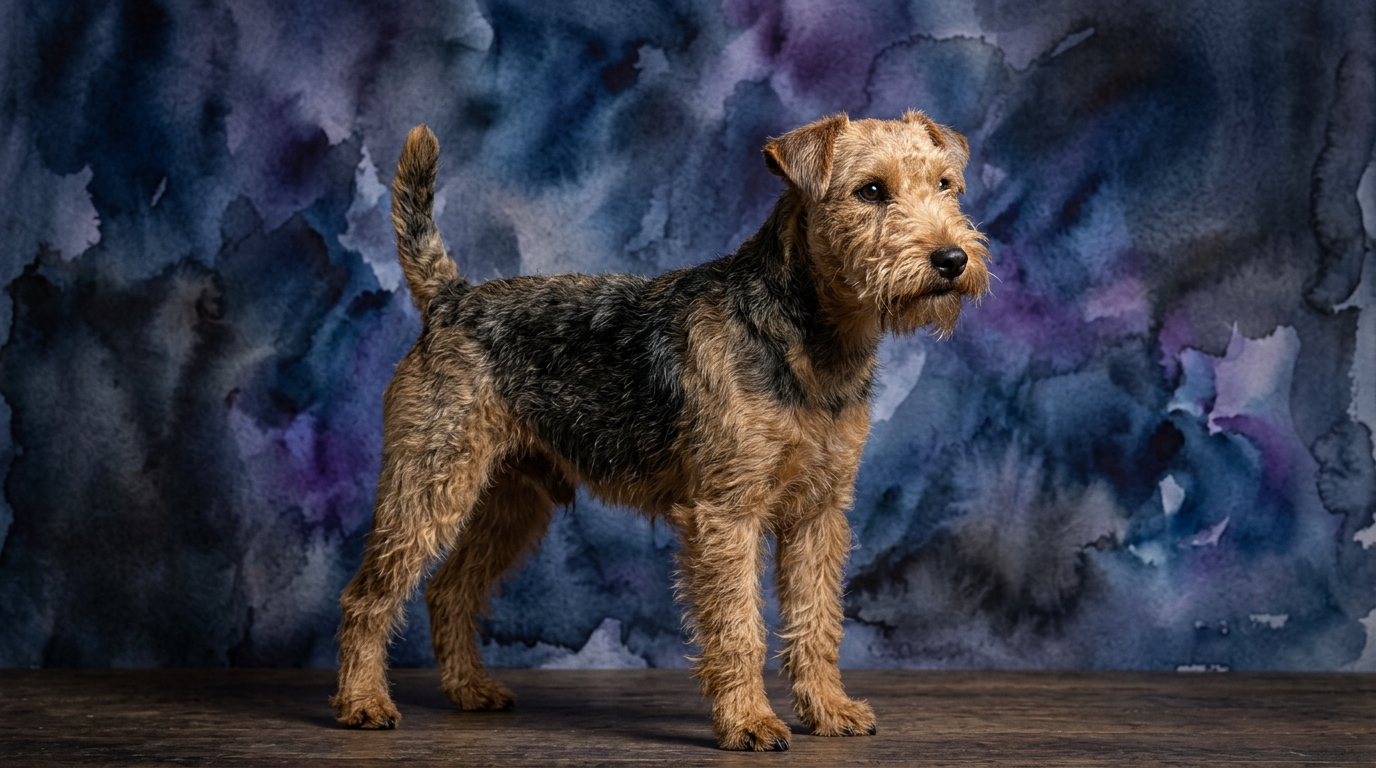
The Lakeland Terrier, hailing from the rugged fells of England, was bred as a tenacious working dog, specifically for hunting vermin in challenging terrain. Their Problem Solving score of 3/5 reflects a practical, independent intellect, adept at strategizing how to navigate obstacles, flush out quarry, or find inventive ways to pursue a scent. This isn't about complex abstract thought, but rather resourceful, real-world application. Their Training Speed at 3/5 suggests they are capable learners, but their inherent independence means they often prioritize their own agenda. Social Intelligence, also 3/5, is geared towards understanding their immediate 'pack' (human family) and responding to handler cues, while remaining somewhat reserved with strangers. An Instinctive Drive of 3/5 is a clear nod to their strong prey drive, expressed through alertness, curiosity, and a persistent urge to investigate. Finally, their Memory at 3/5 ensures they retain commands, routines, and importantly, the locations of interesting scents or perceived threats, remembering both positive and negative experiences.
In contrast, the Tibetan Terrier, often called the 'Holy Dog of Tibet,' served as a companion, watchdog, and sometimes herder in the high Himalayas. Their Problem Solving score of 3/5 manifests in their ability to understand and navigate their domestic environment, figure out how to alert their family to perceived dangers, or even 'herd' household members. Their Training Speed of 3/5 indicates they are responsive, often eager to please their beloved family, but can also exhibit an independent streak. Social Intelligence, also 3/5, shines in their profound attunement to human emotions and intentions, thriving on companionship and displaying empathy, though they can be discerning with new acquaintances. Their Instinctive Drive of 3/5 is less about prey and more about their strong watchdog tendencies, an innate need to observe and protect their family, sometimes accompanied by herding behaviors. Their Memory at 3/5 is excellent for recalling family members, household rules, and daily routines, often remembering social interactions with remarkable clarity.
Where the Lakeland Terrier's Cognition Shines
Despite identical numerical scores, the Lakeland Terrier often demonstrates a particular cognitive edge in areas demanding independent, physical problem-solving and sustained tenacity. Their problem-solving prowess, rated 3/5, is especially pronounced in novel, outdoor environments where they must navigate varied terrain, overcome physical barriers, or follow a complex scent trail without constant human direction. This breed excels at making on-the-spot decisions to achieve a goal, such as finding the quickest route through an agility course or locating a hidden toy. Their instinctive drive, also 3/5, fuels a focused determination that allows them to persist at a task, whether it's digging, tracking, or exploring, for extended periods. This combination of independent thought and unwavering resolve makes them particularly effective in tasks requiring self-reliance and grit.
Where the Tibetan Terrier's Cognition Excels
The Tibetan Terrier's cognitive strengths, while also rated 3/5 across the board, tend to lean towards social awareness and adaptive intelligence within a family unit. Their social intelligence, at 3/5, allows them to be remarkably attuned to the nuances of human emotion and household dynamics, often anticipating their owners' moods or needs. This makes them exceptional companions who can offer comfort or playful interaction at just the right moment. Their problem-solving ability, while practical, often focuses on understanding and navigating social situations or environmental changes within their home. They are adept at observing their surroundings and quickly adapting their behavior to new routines or guests, once they feel secure. This breed's memory, also 3/5, is particularly strong for recalling social interactions and family members, fostering deep bonds and a clear understanding of their place within the household.
Training Dynamics: Independence vs. Companionship
When considering ease of training, the identical 3/5 Training Speed scores for both breeds can be misleading without context. The Tibetan Terrier often proves slightly more amenable to training due to their strong social intelligence and desire for companionship. While they possess an independent streak, their motivation to please and interact with their human family frequently outweighs their personal agenda. They respond well to positive reinforcement, consistency, and training methods that strengthen the bond, making them moderately responsive learners who enjoy engagement. Their ability to read human cues aids in understanding expectations, even if they sometimes choose to test boundaries.
The Lakeland Terrier, conversely, can present a greater training challenge, not due to a lack of capacity, but because of their inherent terrier independence and single-mindedness. Their problem-solving intellect often means they're constantly evaluating 'what's in it for me?' and 'is this more interesting than that squirrel?' Training requires significant consistency, creativity, and making the process highly rewarding and engaging to capture their attention. They are capable of learning a vast array of commands but may choose to obey only when it suits them or when the reward is sufficiently enticing. Their assertive nature means owners must establish clear leadership without resorting to harsh methods, as this breed can become stubborn if not handled appropriately. It's a matter of motivation and perceived utility, rather than pure learning speed.
Matching Lifestyles: Active Explorers vs. Adaptable Companions
The cognitive profiles of these breeds also provide insight into which type of owner they might best suit. The Lakeland Terrier, with their robust instinctive drive and independent problem-solving skills, thrives with active owners who can provide ample mental and physical stimulation. They excel in activities like agility, earthdog trials, or long, exploratory hikes where their natural curiosity and drive can be engaged. Owners who appreciate a bold, tenacious partner for outdoor adventures and enjoy task-oriented training will find a Lakeland Terrier a rewarding companion. Without sufficient outlets for their intelligent energy, they can become bored and channel their creativity into less desirable behaviors.
The Tibetan Terrier, on the other hand, is remarkably adaptable, making them suitable for a wider range of owner lifestyles. While they enjoy activity and brisk walks, they are equally content with quality family time and being involved in daily household routines. Their social intelligence and desire for companionship mean their mental engagement often comes from interaction with their humans and observing their environment. They suit owners who seek a socially perceptive, gentle guardian who is deeply integrated into family life, whether that involves a relaxed evening on the couch or an energetic trip to the park. Their cognitive strengths lie in their ability to be a thoughtful and responsive companion, rather than a demanding working dog.
The Verdict
Choose the Lakeland Terrier if you seek a bold, independent, and tenacious partner for active adventures and engaging, task-oriented training that taps into their working drive.
Opt for the Tibetan Terrier if you desire a socially perceptive, adaptable, and empathetic companion who thrives on family interaction and offers gentle, observant guardianship.
🧠 Find Your Pet's IQ Score
Our Pet IQ Lab assessment covers 25+ tests across 5 cognitive dimensions — personalized to your breed.
Take the Full IQ Test →Frequently Asked Questions
Are Lakeland Terriers good with children?
Lakeland Terriers can be good with respectful children, especially if raised with them. Their terrier tenacity means they may not tolerate rough play and require supervision, but they form strong bonds with their family.
Do Tibetan Terriers bark a lot?
Tibetan Terriers are known to be vocal watchdogs, using their barks to alert their family to anything unusual. While they aren't excessive barkers, their protective instincts mean they will voice their observations.
What kind of mental stimulation do these breeds need?
Lakeland Terriers benefit from puzzle toys, scent work, and agility to engage their independent problem-solving. Tibetan Terriers thrive on interactive games with their family, learning new tricks, and being included in daily routines to satisfy their social intelligence.