Side-by-Side Cognitive Profiles
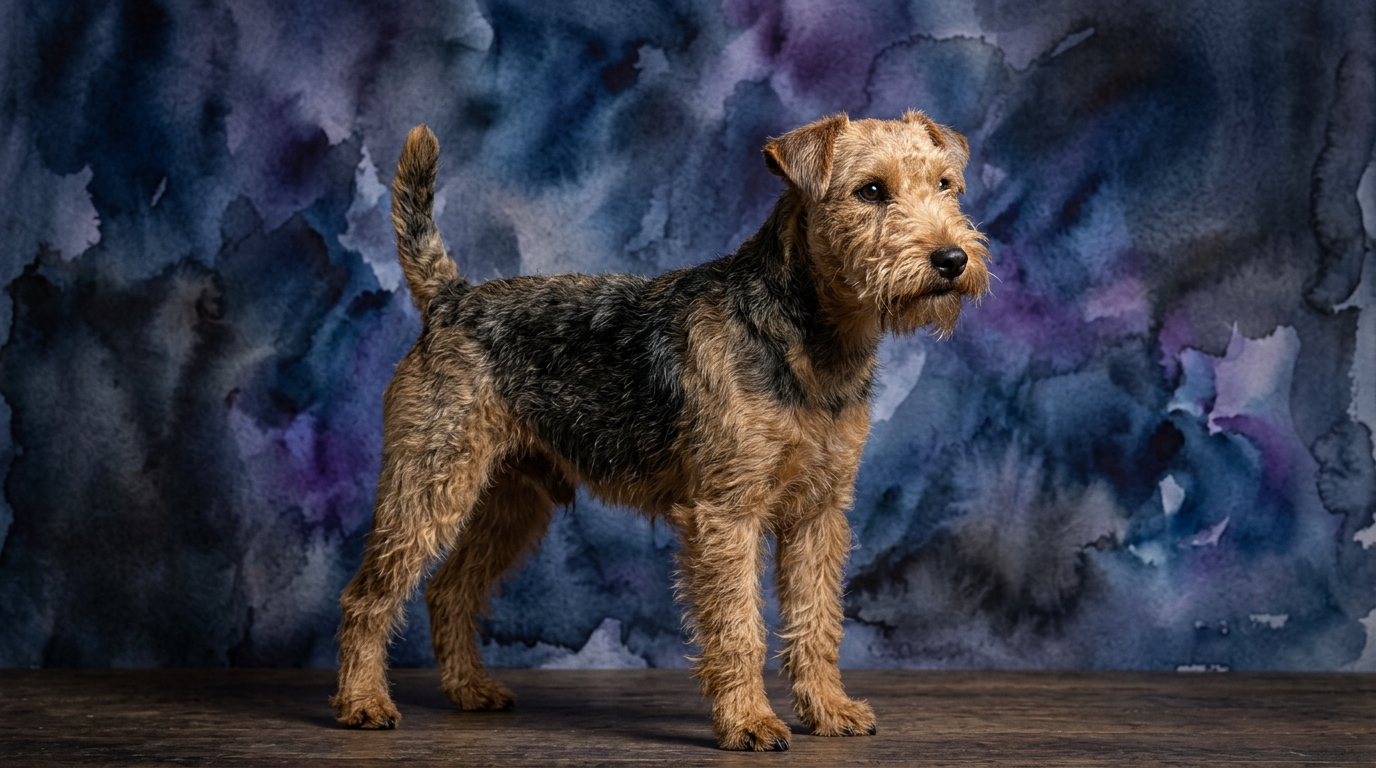
The Cosmic Pet Pet IQ Lab provides a structured way to understand canine cognition, breaking it down into five key dimensions. For the Lakeland Terrier, we observe a balanced set of moderate scores across the board: Problem Solving at 3/5, Training Speed at 3/5, Social Intelligence at 3/5, Instinctive Drive at 3/5, and Memory at 3/5. This profile suggests a dog that is capable and thoughtful, but perhaps not overtly inclined towards rapid learning or complex obedience, preferring to engage with its environment in a more self-directed manner. Their problem-solving often involves persistence and physical engagement, typical of a terrier bred for independent work.
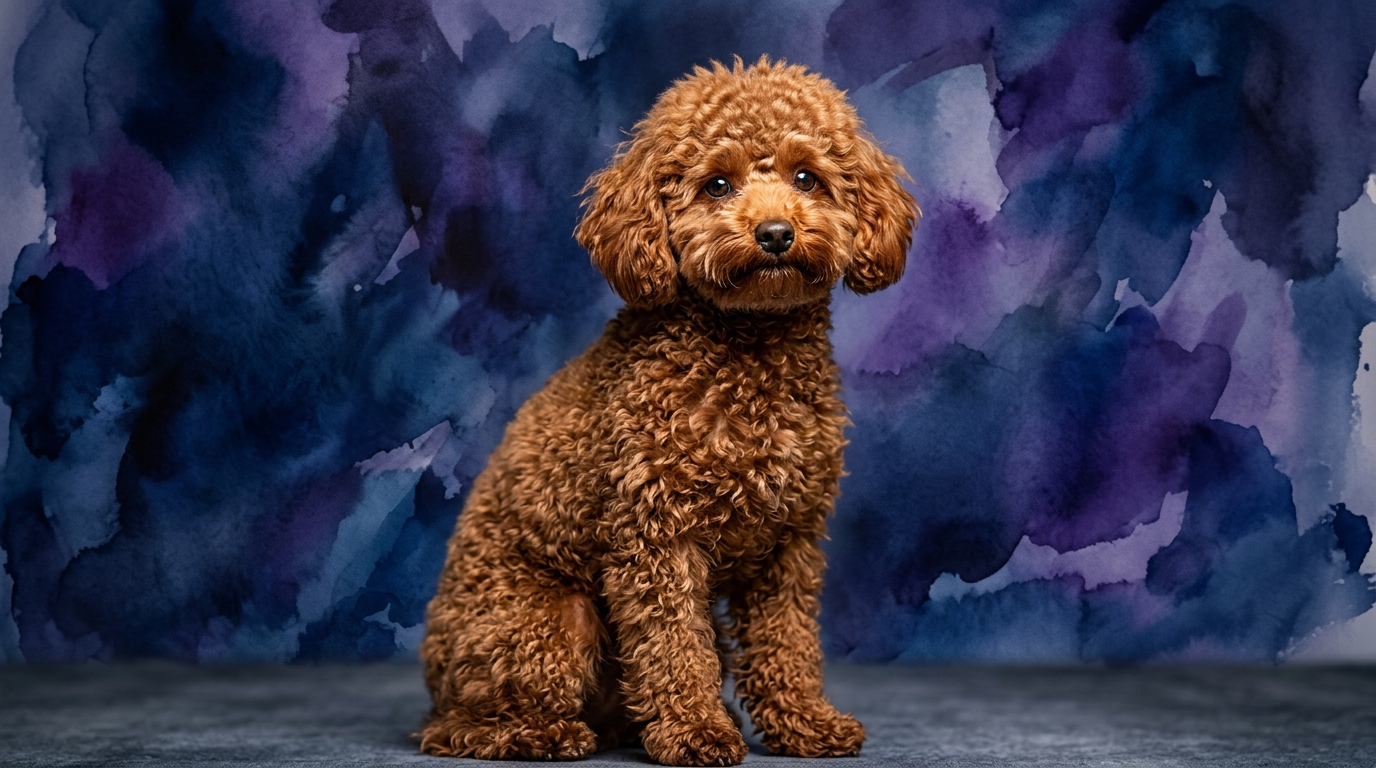
In contrast, the Toy Poodle presents a striking cognitive profile, particularly in areas associated with learning and retention. They achieve Problem Solving at 5/5, Training Speed at 5/5, and Memory at 5/5, alongside Social Intelligence at 3/5 and Instinctive Drive at 3/5. This breed's high scores reflect a remarkable capacity for understanding complex commands, rapidly acquiring new behaviors, and retaining that information over time. Their problem-solving often leans towards abstract reasoning and applying learned sequences, making them adept at navigating intricate tasks and responding to subtle cues. This difference is stark, placing the Toy Poodle at the upper echelon of canine learners, a distinction also reflected in their #2 ranking by Stanley Coren for working and obedience intelligence.
Where the Lakeland Terrier's Cognition Shines
While the Toy Poodle excels in traditional measures of trainability, the Lakeland Terrier’s cognitive strengths lie in a different domain, rooted in their heritage as a tenacious vermin hunter. Their 3/5 Problem Solving score, though not a 5/5, signifies a persistent and resourceful approach to challenges, often involving creative physical manipulation or independent decision-making. Faced with a puzzle, a Lakeland Terrier is less likely to wait for instruction and more prone to experiment with various methods until a solution is found, driven by their moderate but focused Instinctive Drive. This independent problem-solving manifests as a dog that can assess situations and act without constant human direction, a valuable trait for their original purpose.
Furthermore, their 3/5 Social Intelligence, combined with their moderate Instinctive Drive, means they are capable of forming strong bonds while retaining a degree of self-sufficiency. They are perceptive enough to understand human cues but aren't overly reliant on them for motivation, making them less prone to separation anxiety than some more codependent breeds. This balance allows them to be engaging companions who also respect personal space and can entertain themselves, reflecting a robust internal world where they process and respond to stimuli with a unique terrier flair. Their memory, while not photographic, is sufficient for retaining practical skills and understanding their routine, contributing to their reliable nature.
Where the Toy Poodle's Cognition Excels
The Toy Poodle's cognitive profile is geared towards rapid acquisition, deep understanding, and consistent recall, making them standouts in the realm of learned behaviors. Their 5/5 scores in Problem Solving, Training Speed, and Memory are not just high numbers; they represent a tangible capacity for abstract thought and complex learning. A Toy Poodle can quickly grasp multi-step commands, differentiate between subtle cues, and apply past learning to new situations with remarkable efficiency. This translates into a dog that can learn an extensive repertoire of tricks, excel in competitive obedience, and even master intricate agility courses with grace and precision, often appearing to anticipate their handler's next move. Their problem-solving isn't just about persistence; it’s about understanding underlying patterns and applying logical sequences.
Their exceptional memory means they retain these learned behaviors over long periods, requiring less repetition for mastery and less refreshing over time. This cognitive trait makes them incredibly adaptable to various training methodologies and environments, thriving on mental stimulation that challenges their intellect. While their Social Intelligence and Instinctive Drive are moderate at 3/5, their high trainability often makes them appear more socially attuned, as they are so adept at reading and responding to human feedback. This combination creates a highly responsive and engaged companion, eager to participate in activities that leverage their sharp mind and impressive retention.
Ease of Training: A Clear Distinction
When it comes to ease of training, the Toy Poodle holds a distinct advantage due to its superior scores in Training Speed (5/5) and Memory (5/5). This means Toy Poodles typically learn new commands and routines with fewer repetitions and retain them for longer periods. They demonstrate a keen desire to engage with their handlers in learning scenarios, often picking up on subtle cues and anticipating expectations. For an owner, this translates into a highly responsive dog that can progress through obedience training quickly, master advanced tricks, and become a reliable participant in dog sports with relative ease. Their problem-solving ability also means they can generalize learned behaviors to new contexts effectively, making training a highly rewarding and efficient experience.
The Lakeland Terrier, with its 3/5 scores in Training Speed and Memory, requires a more patient and consistent approach. While certainly capable of learning, they are not as quick to pick up new commands and may need more repetition to solidify behaviors. Their terrier independence means they might question commands or prioritize their own instincts over immediate compliance, especially if a perceived reward isn't immediately apparent or if their attention is drawn elsewhere. Training a Lakeland Terrier often involves making it feel like a collaborative game or a valuable problem to solve, rather than a rote exercise in obedience. Owners should expect to invest more time and creativity in motivating and shaping behaviors, embracing their spirited and self-reliant nature.
Matching Canine Cognition to Owner Lifestyles
The cognitive profiles of these two breeds naturally align with different owner lifestyles. The Lakeland Terrier, with its moderate scores across the board, particularly its 3/5 Instinctive Drive and independent Problem Solving, is well-suited for active owners who appreciate a dog with a spirited, self-reliant personality. These are owners who enjoy engaging with a dog that thinks for itself, perhaps one that needs motivation to work through puzzles or learn new tasks, but ultimately thrives on shared adventures and consistent, thoughtful leadership. They are not content to be mere followers and benefit from activities that allow them to use their senses and problem-solving skills independently, such as scent work or exploring varied terrain. An owner who understands and values a dog's independent streak will find the Lakeland Terrier a rewarding companion.
Conversely, the Toy Poodle's exceptional Problem Solving, Training Speed, and Memory scores make them an excellent fit for owners who enjoy teaching complex behaviors, participating in dog sports, or simply having a highly responsive and engaged companion. While they can adapt to a more relaxed home, their cognitive capacity means they truly thrive with consistent mental stimulation, whether through daily training sessions, puzzle toys, or learning new tricks. Their eagerness to please and ability to quickly grasp concepts makes them ideal for owners who want to develop a deep, communicative relationship through training. They are versatile, capable of being both a relaxed lap dog and a keen competitor, provided their cognitive needs are met. Owners who delight in a dog that seems to understand their every word will find the Toy Poodle an unparalleled partner.
The Verdict
Choose the Lakeland Terrier if you seek an independent, spirited companion who offers a balanced cognitive challenge and thrives with an owner who appreciates self-reliance and intelligent persistence.
Opt for the Toy Poodle if you desire a highly trainable, exceptionally responsive dog eager to learn complex behaviors and engage in deep communication through consistent mental stimulation and training.
🧠 Find Your Pet's IQ Score
Our Pet IQ Lab assessment covers 25+ tests across 5 cognitive dimensions — personalized to your breed.
Take the Full IQ Test →Frequently Asked Questions
Are Lakeland Terriers difficult to train?
Lakeland Terriers are not inherently difficult, but their independent nature and moderate training speed mean they require more patience and consistency than some breeds. Owners should use positive reinforcement and make training engaging to harness their problem-solving skills.
Do Toy Poodles need a lot of mental stimulation?
Yes, Toy Poodles, with their high scores in problem-solving and memory, greatly benefit from consistent mental stimulation. Daily training, puzzle toys, and learning new tricks are crucial to keep their minds engaged and prevent boredom-related behaviors.
How do their social intelligence scores compare?
Both the Lakeland Terrier and the Toy Poodle have a Social Intelligence score of 3/5, indicating they are capable of forming strong bonds and understanding human cues. While the Toy Poodle's high trainability might make them *appear* more socially attuned due to their responsiveness, both breeds possess a moderate capacity for social perception.