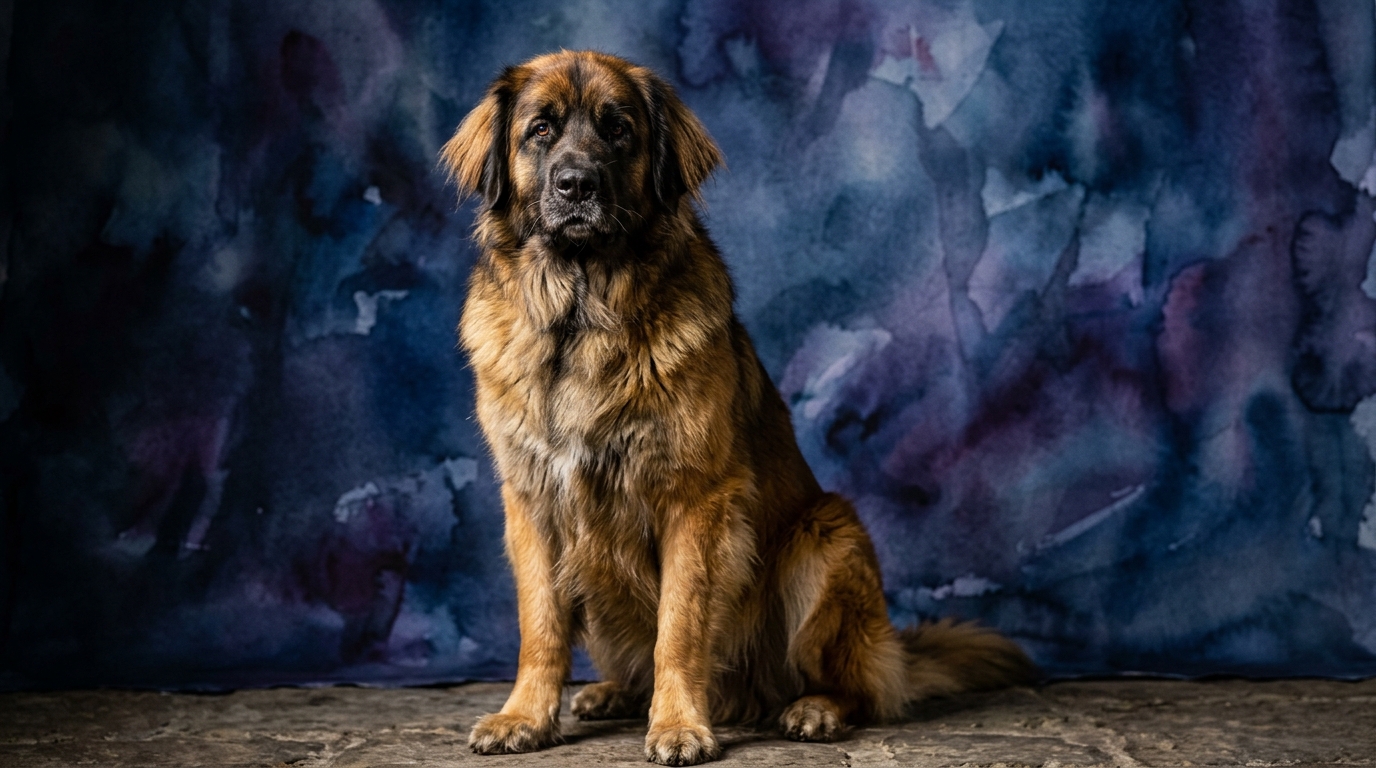
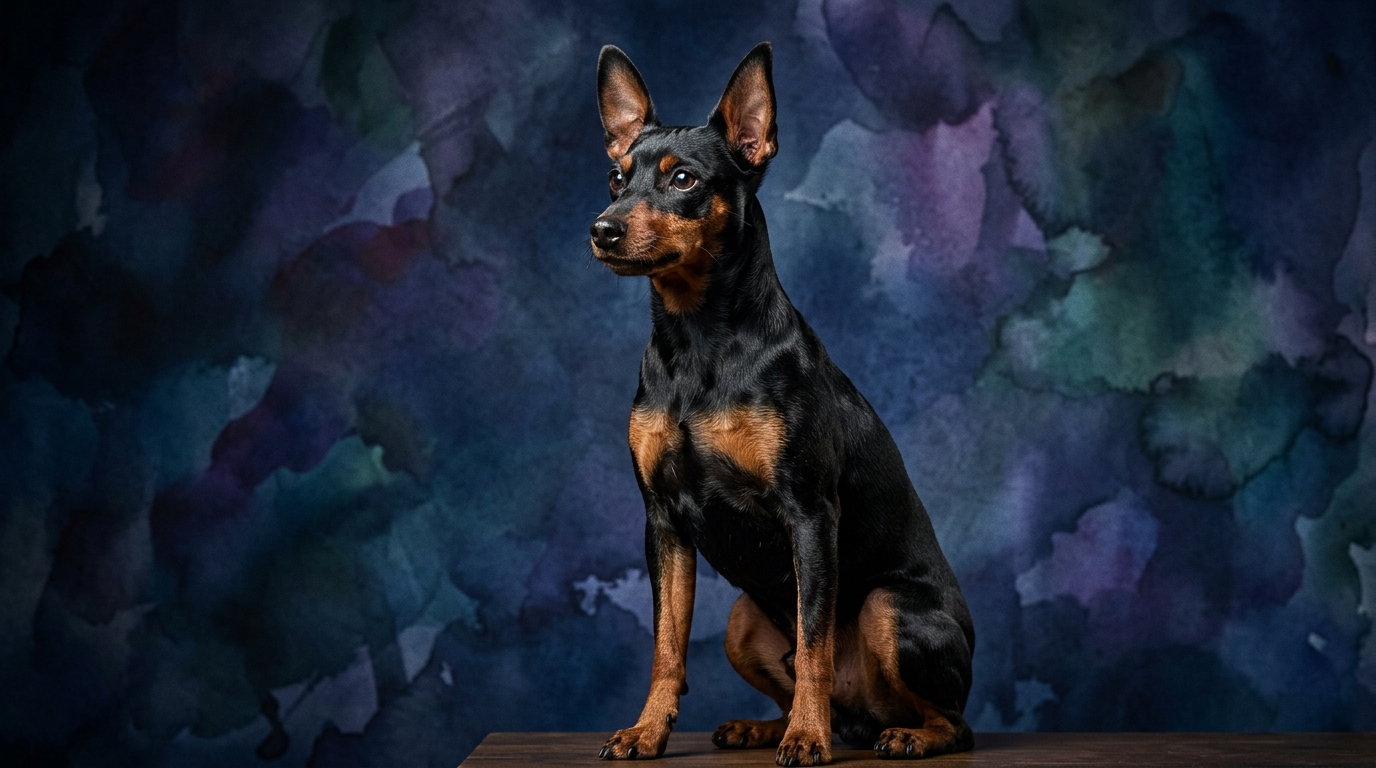
Side-by-Side IQ Profile: Unpacking Identical Scores
At first glance, the IQ profiles for both the Leonberger and the Miniature Pinscher appear identical across all five dimensions, each scoring a solid 3 out of 5. This rating signifies a capable, adaptable intellect, but the true insight comes from understanding how these scores manifest within the context of their distinct breed histories and inherent dispositions. It’s not just about the number, but the nature of that three.
For **Problem Solving (3/5)**, the Leonberger, a working breed, often demonstrates this in navigating complex family dynamics or assessing potential threats, requiring a thoughtful approach to situations involving people or other animals. Their solutions tend to be deliberate and measured, reflecting their protective instincts and large physical presence. The Miniature Pinscher, a toy breed with a ratting background, applies its problem-solving acumen to tasks like outsmarting small prey (or toys mimicking prey), finding hidden objects, or cleverly manipulating its environment to get what it wants. Their solutions are often quick, agile, and opportunistic.
**Training Speed (3/5)** for the Leonberger often means they grasp new commands and routines with a steady, consistent effort. They thrive on positive reinforcement and clear communication, building upon learned behaviors with a desire to please their family. Their motivation is deeply rooted in companionship and a sense of purpose. The Miniature Pinscher also learns at a respectable pace, but their training speed can be influenced by their independent and often spirited nature. They might pick up tricks quickly if motivated, but consistent obedience requires engaging their keen intellect and managing their strong will, often responding best to varied, stimulating sessions.
**Social Intelligence (3/5)** in the Leonberger is typically expressed through their intuitive understanding of human emotions, their ability to integrate smoothly into a family unit, and their discerning approach to strangers. They are sensitive to their surroundings and often act as gentle, watchful guardians, reading social cues to determine appropriate responses. The Miniature Pinscher's social intelligence is often directed towards asserting their presence and understanding the hierarchy within their human family. They are adept at observing and reacting to social dynamics, using their charm and sometimes their vocalizations to communicate their needs and desires, often forming strong, selective bonds.
**Instinctive Drive (3/5)** for the Leonberger is primarily channeled into their role as companions and guardians. This manifests as a natural inclination to protect their family and territory, alongside a drive for companionship and collaborative tasks. Their instincts are often about maintaining harmony and safety within their trusted circle. The Miniature Pinscher’s instinctive drive is a powerful force, rooted in their heritage as fearless ratters. This translates into a strong prey drive, a persistent curiosity, and an inherent need for purposeful activity. Their instincts push them to explore, chase, and often 'manage' their environment with surprising tenacity.
Finally, **Memory (3/5)** in the Leonberger supports their ability to retain complex routines, remember specific people and places, and recall training cues over long periods, which is crucial for a breed expected to be a reliable family member and guardian. For the Miniature Pinscher, memory is critical for learning intricate escape routes, remembering where treats are hidden, and recalling interactions with various individuals, contributing to their clever and sometimes mischievous nature. Their sharp memory aids their adaptability in diverse situations.
Where the Leonberger’s Cognition Shines
While both breeds share a 3/5 across the board, the Leonberger's particular expression of these cognitive traits gives them an edge in scenarios demanding calm deliberation and profound empathy. Their 3/5 social intelligence, for example, allows them to excel in roles requiring a nuanced understanding of human emotion and intent, making them exceptional therapy or assistance animals. This isn't about being 'smarter,' but about their inherent disposition aligning with a deeper, more patient form of social processing. Their problem-solving (3/5) is often slow, deliberate, and focused on maintaining peace and order within their domain, a distinct advantage when managing a household with children or other pets, where impulsive reactions are undesirable. Their memory (3/5) serves them exceptionally well in retaining complex household rules and routines over extended periods, contributing to their reliable and predictable demeanor within a family setting.
Where the Miniature Pinscher’s Cognition Excels
The Miniature Pinscher’s 3/5 scores, while numerically identical, manifest in ways that grant them cognitive advantages in different arenas. Their problem-solving (3/5) is characterized by quick wit and resourcefulness, particularly in navigating tight spaces or outmaneuvering obstacles, a direct inheritance from their ratting lineage. This translates to an agile mind that can quickly assess and react to changing environments, making them incredibly adaptable to new situations, albeit sometimes with a dash of mischief. Their instinctive drive (3/5) is a powerful engine for focused pursuit and tenacious exploration, meaning they excel at scent work, agility, or any activity that taps into their drive to 'hunt' and investigate. This isn't about raw intellectual capacity being higher, but about how their specific cognitive toolkit is perfectly honed for quick, decisive action and independent thought in a small package.
Training Dynamics: Leonberger’s Eagerness vs. Min Pin’s Tenacity
Despite both breeds scoring 3/5 in training speed, the practical experience of training them can differ significantly due to their behavioral predispositions. A Leonberger’s innate desire to please its family and its natural inclination towards cooperation often make it a receptive student. They tend to respond well to consistent, gentle guidance, thriving on positive reinforcement and the strong bond they form with their handler. Their training progress, though not lightning-fast, is typically steady and reliable, underpinned by their social intelligence and memory. They are often eager to engage in collaborative learning, viewing training as a shared activity that strengthens their connection.
Conversely, the Miniature Pinscher, with its robust instinctive drive and independent spirit, can present a more challenging training experience for some owners. While capable of learning quickly (3/5 training speed), their strong will and occasional stubbornness mean that training requires creativity, consistency, and a deep understanding of their motivations. They might quickly grasp a command but choose not to execute it if they perceive a more interesting alternative. Their social intelligence often makes them adept at testing boundaries, and their problem-solving skills might be applied to finding ways around rules. Engaging a Min Pin effectively means making training a stimulating game, tapping into their prey drive and zest for life, rather than relying solely on their desire to please.
Lifestyle Match: Active Engagement vs. Thoughtful Companionship
When considering an owner's lifestyle, the cognitive profiles of these breeds, even with identical scores, point to different ideal matches. The Leonberger, despite its size, often suits owners who appreciate thoughtful, calm companionship and are prepared for significant grooming and space requirements. Their social intelligence and moderate instinctive drive mean they thrive on being integral family members, participating in daily routines, and having a consistent, loving presence. They require regular, moderate exercise that allows them to stretch their large bodies and engage their senses, but their energy levels are not typically frantic. They are best suited for owners who can provide a large home and yard, enjoy leisurely walks, and value a watchful, gentle presence.
The Miniature Pinscher, on the other hand, is a small package bursting with energy and a sharp intellect. Their robust instinctive drive and quick problem-solving demand an active owner who can provide consistent mental and physical stimulation. They are not content to be lapdogs for long periods and require structured play, puzzle toys, and opportunities to expend their considerable energy. While they can adapt to smaller living spaces, their need for activity is paramount. They excel with owners who enjoy active hobbies, can dedicate time to engaging training, and appreciate a spirited, assertive companion who keeps them on their toes. Their 3/5 scores mean they need outlets for their brains as much as their bodies, preventing boredom-induced mischief.
The Verdict: Choosing Your Cognitive Companion
The Verdict
Choose the Leonberger if you seek a gentle, empathetic giant whose intelligence manifests as calm discernment, unwavering loyalty, and a thoughtful presence within a spacious home. They thrive with owners who value deep companionship and can provide consistent, patient guidance.
Opt for the Miniature Pinscher if you desire a spirited, quick-witted companion whose intelligence fuels their tenacity, resourcefulness, and a vibrant, assertive personality. They are ideal for active owners who can channel their boundless energy and sharp mind into engaging activities.
🧠 Find Your Pet's IQ Score
Our Pet IQ Lab assessment covers 25+ tests across 5 cognitive dimensions — personalized to your breed.
Take the Full IQ Test →Frequently Asked Questions
Do Leonbergers make good family dogs despite their size?
Yes, Leonbergers are often exceptional family dogs due to their high social intelligence (3/5) and gentle nature. They are typically patient with children and form strong bonds with their human family, acting as watchful, protective companions, provided they receive proper socialization and training from a young age.
Are Miniature Pinschers difficult to train because of their independent nature?
Miniature Pinschers, while possessing a 3/5 training speed, can be perceived as challenging due to their independent spirit and strong instinctive drive. Consistent, positive reinforcement training, combined with engaging activities that tap into their problem-solving skills, is key to successful obedience and managing their tenacious personality.
How do their memory scores (3/5) impact their daily lives?
For the Leonberger, their 3/5 memory helps them remember household routines, specific commands, and people, contributing to their reliability and integration into family life. For the Miniature Pinscher, this memory aids their cleverness in navigating environments and retaining learned behaviors, whether for tricks or for finding hidden treats, making them quick learners in their own spirited way.