Side-by-Side Cognitive Profile: Lhasa Apso vs. Tibetan Terrier
At The Cosmic Pet Pet IQ Lab, we evaluate canine intelligence across five critical dimensions. For both the Lhasa Apso and the Tibetan Terrier, our data reveals identical scores of 3/5 in Problem Solving, Training Speed, Social Intelligence, Instinctive Drive, and Memory. While these scores suggest a moderate capability across the board, the manifestation of these cognitive traits differs subtly due to each breed's unique historical roles and inherent temperaments.
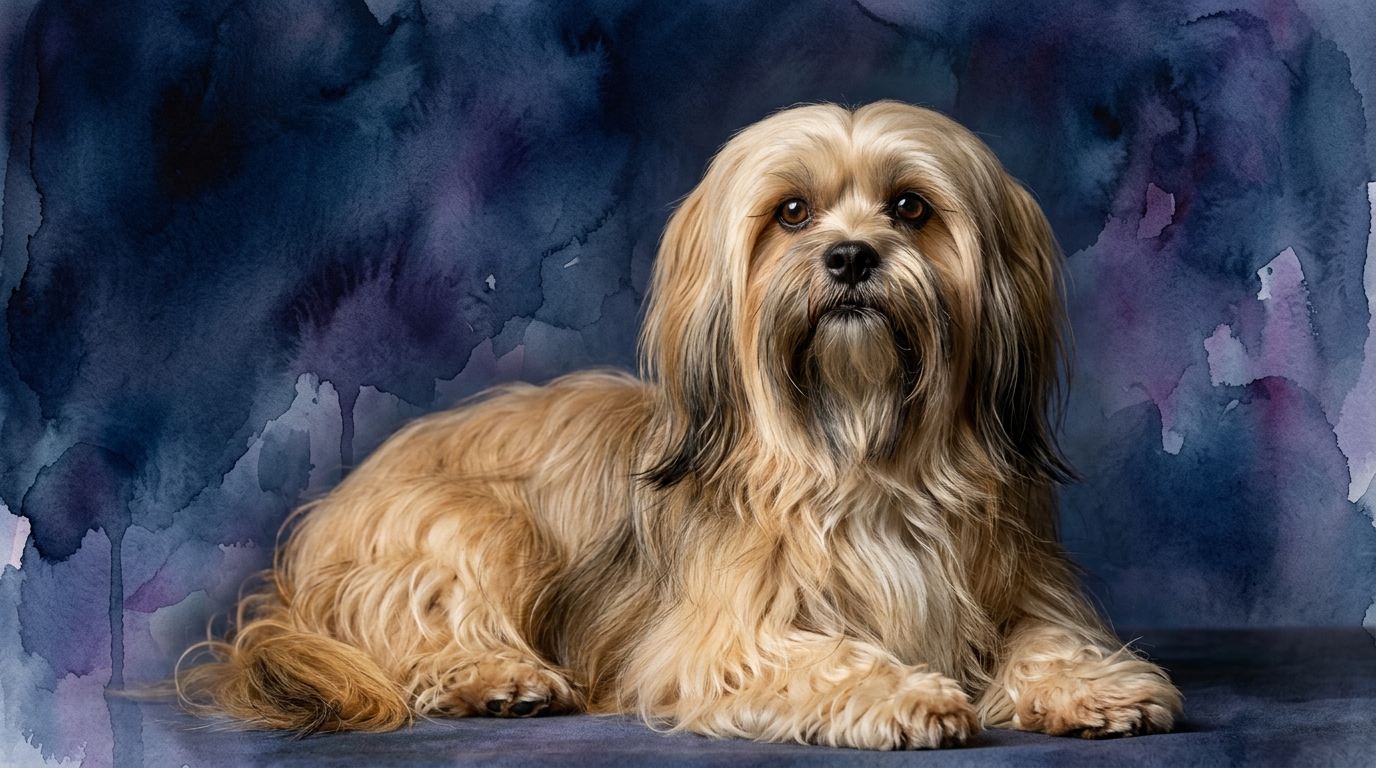
The Lhasa Apso, historically a sentinel within Tibetan monasteries, exhibits its 3/5 Problem Solving primarily through a discerning awareness of its environment. This breed is adept at assessing situations for potential threats or changes in its territory, rather than complex, multi-step puzzles. Its 3/5 Training Speed indicates it learns at a steady pace, often requiring clear motivation and consistency due to an independent spirit honed by centuries of solitary guarding. Social Intelligence at 3/5 means they are highly perceptive within their family unit but can be reserved or suspicious of strangers, prioritizing protection over universal gregariousness. Their 3/5 Instinctive Drive is strongly geared towards vigilance and territoriality, manifesting as alert barking and a watchful demeanor. Finally, their 3/5 Memory allows them to retain routines, commands, and especially past experiences related to security or comfort, contributing to their consistent protective nature.
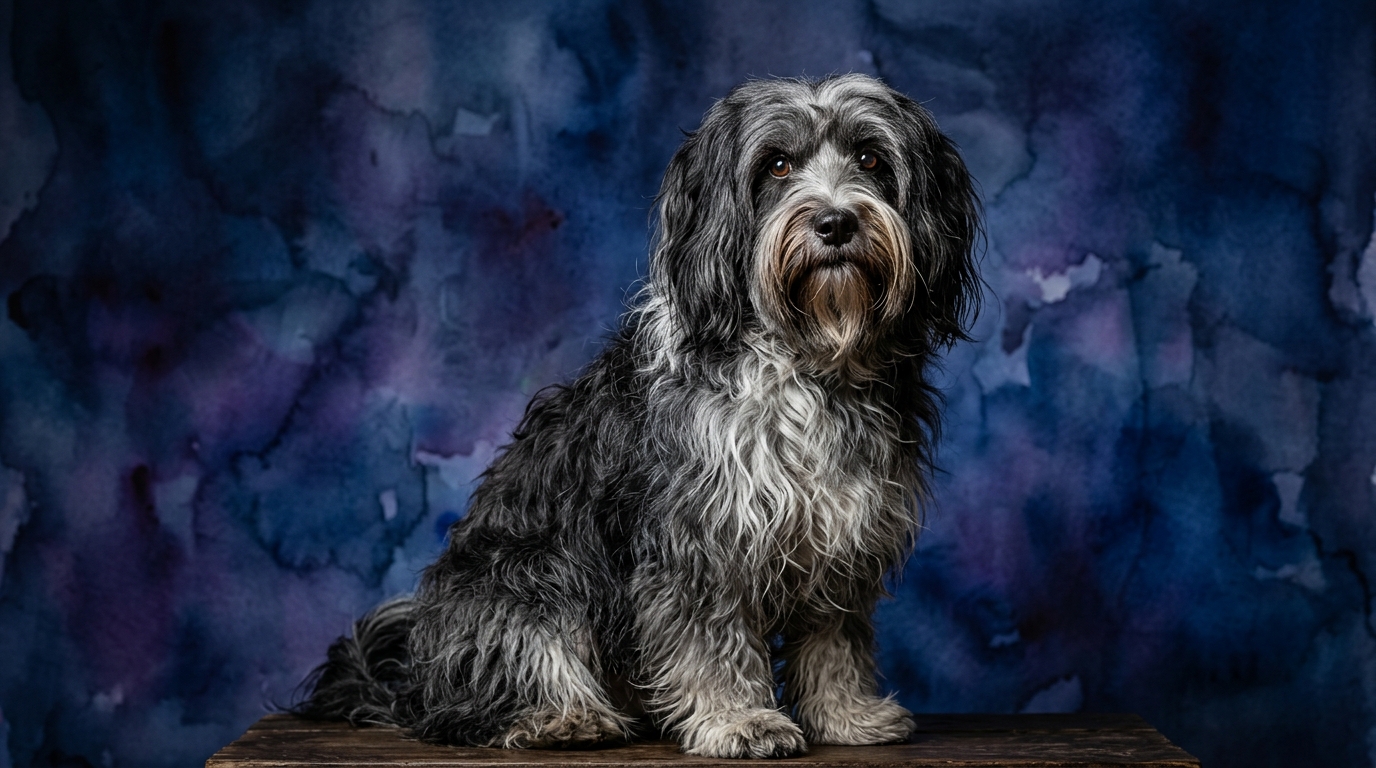
The Tibetan Terrier, often referred to as the 'Holy Dog of Tibet,' served as a companion, good luck charm, and sometimes a herder in the challenging Himalayan landscape. Its 3/5 Problem Solving manifests as practical ingenuity and adaptability, allowing it to navigate varied terrains and novel social situations effectively. This breed might figure out how to access a desired object or adapt quickly to new routines. A 3/5 Training Speed means they learn consistently, often responding well to positive reinforcement and varied methods, though their independent streak can sometimes be mistaken for stubbornness. Their 3/5 Social Intelligence makes them perceptive of human emotions and family dynamics, fostering deep bonds and a more outwardly companionable nature than the Lhasa Apso. The 3/5 Instinctive Drive in Tibetan Terriers includes a moderate herding tendency and a strong desire for companionship, making them naturally inclined to engage with their human family. Their 3/5 Memory ensures they recall commands, routines, and form lasting emotional connections, remembering both positive and negative interactions with notable clarity.
Where the Lhasa Apso Cognitively Excels
Despite identical scores, the Lhasa Apso demonstrates a specific cognitive advantage rooted in its historical role: enhanced environmental vigilance and independent threat assessment. Their 3/5 problem-solving and instinctive drive converge into a superior ability to perceive subtle changes within their established territory. This isn't about solving abstract puzzles, but rather a sophisticated form of situational awareness, quickly identifying anomalies – a new sound, a different shadow, or an unfamiliar scent – that might indicate a potential intrusion. This cognitive strength allowed them to function as highly effective, self-reliant guardians in their ancestral monasteries, making independent judgments about when to alert or deter without constant human direction. Their memory (3/5) reinforces this, allowing them to recall specific past events or individuals that were deemed a threat, informing future responses with a cautious bias.
Where the Tibetan Terrier Cognitively Excels
The Tibetan Terrier’s cognitive strengths shine in adaptability and nuanced social engagement. While both breeds score 3/5 in problem-solving and social intelligence, the Tibetan Terrier's history as a versatile companion who traveled with nomads fostered a cognitive flexibility that the more territorial Lhasa Apso did not necessarily require. This adaptability allows them to process and adjust to new environments, people, and routines more readily, making them less prone to stress in novel situations. Their social intelligence (3/5) extends beyond mere recognition of family to a more active participation in human emotional landscapes, allowing them to interpret subtle cues and respond with empathy or playful engagement. This makes them particularly adept at integrating into diverse family structures and understanding complex social dynamics, making them excellent companions who intuitively understand and respond to the mood of their human counterparts, a distinct cognitive advantage in a multi-person household.
Trainability: Nuances in Learning Styles
When assessing which breed might be easier to train, the Coren ranking offers a slight clue, placing the Tibetan Terrier at 63rd and the Lhasa Apso at 68th in working and obedience intelligence. This marginal difference, combined with their 3/5 training speed, points to distinct approaches to learning. The Tibetan Terrier, with its companion-oriented history, often exhibits a slightly higher willingness to engage cooperatively in training. Their problem-solving (3/5) and social intelligence (3/5) allow them to quickly understand what is being asked and connect actions with positive reinforcement, making them responsive to varied training methods. They often enjoy the mental stimulation that training provides and are motivated by interaction, food, or toys, leading to a generally smoother training experience.
The Lhasa Apso, while possessing a 3/5 training speed, approaches learning with a more independent and discerning mindset. Their strong instinctive drive for territorial vigilance means they are less inherently driven by a desire to please and more by what they perceive as purposeful or beneficial. Training a Lhasa Apso often requires a trainer who understands their need for consistency, patience, and clear, motivating reasons for compliance. They will learn and retain commands (3/5 memory), but they might question the necessity of a task or choose to obey only when it suits them. This does not make them untrainable, but rather demands a more experienced and patient trainer who can navigate their intelligent yet independent nature, turning training into a negotiation rather than a simple instruction-following exercise. Their social intelligence (3/5) means they form strong bonds but are less inclined to perform for those outside their trusted circle, impacting their responsiveness in public or competitive settings.
Matching Cognitive Traits to Lifestyles: Active vs. Relaxed Owners
The subtle differences in their cognitive profiles make each breed more suited to particular owner lifestyles. For relaxed owners who appreciate a vigilant, independent companion, the Lhasa Apso is an excellent match. Their cognitive strengths lie in their discerning observation and territorial awareness, making them content with moderate daily exercise and a predictable home environment. They thrive when given a defined space to 'guard' and are not typically seeking high-energy activities or complex mental challenges beyond their sentinel duties. Their independent nature means they are generally not demanding of constant attention, making them suitable for owners who enjoy a dog with a quiet, watchful presence.
Conversely, the Tibetan Terrier is better suited for moderately active owners who enjoy engaging their dog in various activities and mental stimulation. Their adaptability and problem-solving (3/5) mean they enjoy exploring new places, learning new tricks, and participating in family outings. While not requiring extreme athleticism, they benefit significantly from regular walks, interactive play, and training sessions that challenge their agile minds. Their social intelligence (3/5) means they thrive on being an integrated, active member of the family, making them a good fit for owners who enjoy a dog that participates enthusiastically in a range of household and outdoor adventures.
The Verdict: When to Choose Each Breed
Choosing between a Lhasa Apso and a Tibetan Terrier ultimately hinges on the nuances of their cognitive manifestations and how they align with your lifestyle and expectations.
The Verdict
If you seek a discerning, watchful companion with an independent spirit, who excels at territorial vigilance and provides subtle emotional support within a predictable environment, the Lhasa Apso is an excellent choice.
Opt for the Tibetan Terrier if you desire a versatile, adaptable companion who enjoys varied activities, possesses a keen social awareness, and thrives on being an engaged, active family member in diverse settings.
🧠 Find Your Pet's IQ Score
Our Pet IQ Lab assessment covers 25+ tests across 5 cognitive dimensions — personalized to your breed.
Take the Full IQ Test →Frequently Asked Questions
Are Lhasa Apsos difficult to train?
Lhasa Apsos have a moderate training speed (3/5) and a strong independent streak, reflecting their historical role as temple guardians. This means they are certainly trainable, but they learn best with consistent, positive reinforcement and a trainer who understands their discerning nature, often questioning commands if they don't see the immediate purpose.
Do Tibetan Terriers bark a lot?
Tibetan Terriers have a moderate instinctive drive (3/5) and were historically used as alarm dogs, so they can be prone to barking to alert their owners to new sights or sounds. However, with proper training and socialization, this tendency can be managed, and they are generally not excessive barkers compared to some other alarm breeds.
Which breed is better with children?
Both breeds have a 3/5 social intelligence score, but their approaches differ. The Tibetan Terrier, bred as a companion, tends to be more adaptable and tolerant with children, especially if raised with them. The Lhasa Apso can be more reserved and protective, requiring careful socialization and supervision with children to ensure positive interactions.