
Side-by-Side Cognitive Profiles: Maltese vs. American Eskimo Dog
The Maltese (Coren Rank #59), often cherished for its companionship, exhibits a nuanced intelligence profile. Their Problem Solving ability scores a 3 out of 5, indicating they can learn routines and navigate common household challenges, though complex, multi-step tasks might require more guidance. Training Speed also stands at 3 out of 5, suggesting they are capable learners but require consistent, positive reinforcement to solidify commands. Where the Maltese truly shines is in Social Intelligence, boasting a perfect 5 out of 5. This signifies an exceptional capacity to understand human emotions, respond to subtle cues, and form deep, communicative bonds, making them highly attuned companions. Their Instinctive Drive is a low 2 out of 5, meaning they possess less inherent inclination for independent hunting, herding, or guarding behaviors, preferring human interaction. Finally, their Memory is rated at 3 out of 5, allowing them to retain learned behaviors and recognize people and places effectively over time.
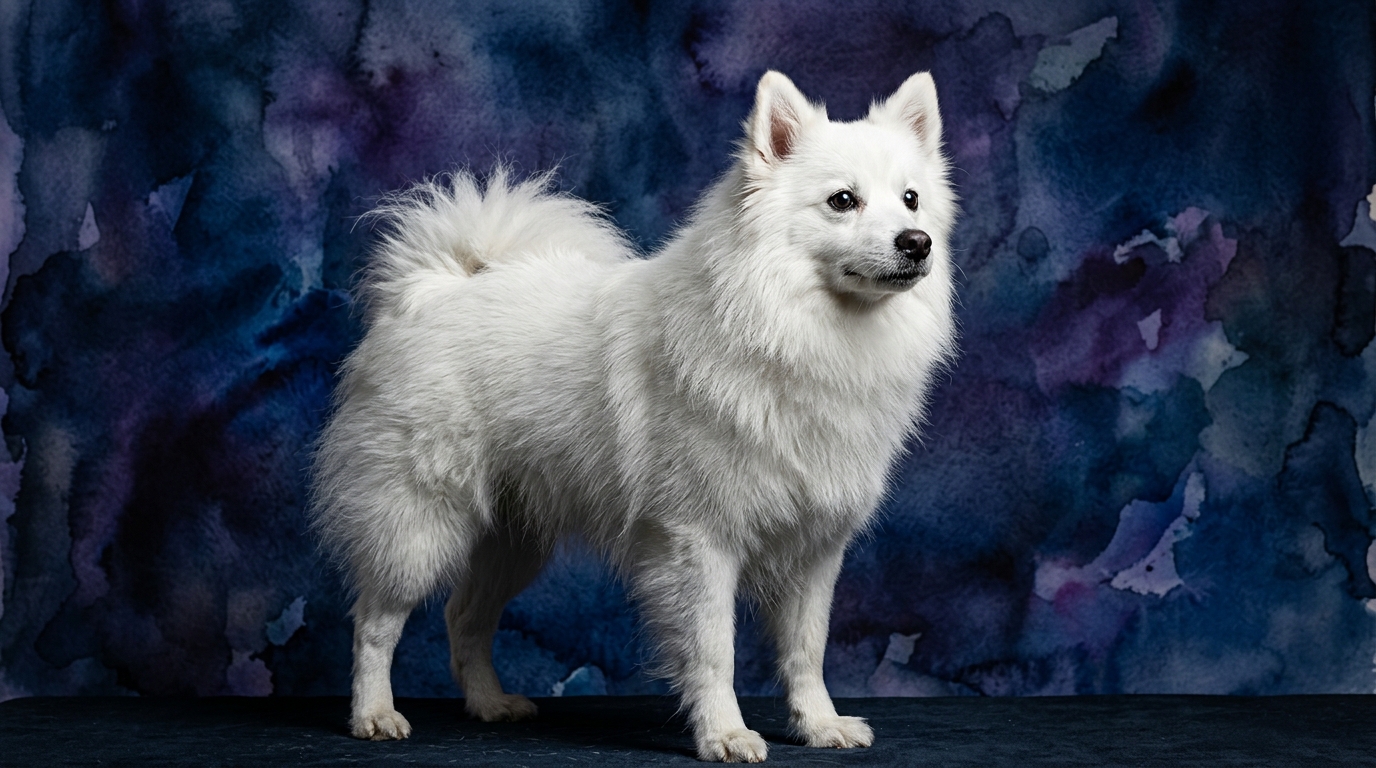
The American Eskimo Dog (Not Coren-Ranked), a breed known for its striking appearance and historical roles as performers and farm dogs, presents a balanced and adaptable intelligence. Their Problem Solving ability mirrors the Maltese at 3 out of 5, demonstrating competence in figuring out practical dilemmas and adapting to new situations, often with a clever, independent streak. Training Speed is also a 3 out of 5, indicating they are responsive to training but can sometimes display a will of their own, requiring engaging methods to maintain focus. Their Social Intelligence is a solid 3 out of 5, allowing them to form strong bonds with their family and understand social dynamics within their pack, though they might not possess the same intuitive empathy as a Maltese with strangers. A moderate Instinctive Drive of 3 out of 5 reflects their historical working lineage, where they might exhibit tendencies for alert barking, digging, or chasing small animals, though these are typically manageable with proper engagement. Their Memory is also rated at 3 out of 5, ensuring they remember commands, routines, and experiences, contributing to their reliability and trainability.
Where the Maltese Excels Cognitively
The Maltese's standout cognitive strength lies unequivocally in their exceptional social intelligence, scoring a perfect 5 out of 5. This isn't merely about being affectionate; it's a deep-seated capacity for emotional attunement and sophisticated communication with humans. A Maltese can often discern subtle shifts in a handler's mood, responding with comforting nudges or playful antics precisely when needed. This profound social understanding means they excel in roles requiring close interaction and emotional support, often anticipating human desires before they are explicitly communicated. Their ability to read non-verbal cues, such as body language and facial expressions, is highly developed, making them incredibly responsive and intuitive companions. This cognitive trait allows them to integrate seamlessly into family life, adapting their behavior to maintain harmony and connection.
Furthermore, their lower instinctive drive (2 out of 5) contributes positively to their role as companions, by reducing tendencies towards independent, self-rewarding behaviors that can challenge human-dog cooperation. While other breeds might be driven by a strong prey drive or a need to patrol, the Maltese's cognitive architecture prioritizes social interaction and proximity to their human family. This means less distraction from external stimuli during training or daily life, and a greater intrinsic motivation to engage with people. Their cognitive focus is primarily directed towards their human relationships, making them masters of social navigation within a domestic setting. This blend of high social intelligence and low instinctive drive makes them particularly adept at forming deep, co-dependent bonds, where their cognitive efforts are largely dedicated to understanding and responding to their human world.
Where the American Eskimo Dog Shines Cognitively
The American Eskimo Dog's cognitive strengths are rooted in a balanced blend of problem-solving abilities and a moderate instinctive drive, allowing for versatile application of their intellect. While their problem-solving score of 3 out of 5 matches the Maltese, the Eskie often applies this capacity with a more independent and creative flair, stemming from their history as performers and general-purpose farm dogs. They are adept at figuring out how to open gates, access forbidden areas, or devise novel ways to engage with their environment when left to their own devices. This isn't just about learning; it's about actively manipulating their surroundings to achieve a goal, which can manifest as cleverness or, occasionally, mischief. Their cognitive processes are geared towards active engagement with their physical world, seeking out mental stimulation rather than purely social interaction.
Their moderate instinctive drive (3 out of 5) means they possess a natural curiosity and a desire to engage with tasks, which, when properly channeled, becomes a significant cognitive asset. Unlike the Maltese, whose low instinctive drive prioritizes social connection, the Eskie's drive encourages exploration, vigilance, and participation in activities that require more than just companionship. This can include excelling in dog sports like agility or obedience, where their problem-solving skills and drive to work are effectively utilized. They possess a keen awareness of their surroundings, often making excellent watchdogs due to their alertness and propensity to bark at perceived novelties. This cognitive profile means they are often seeking purposeful activity, demonstrating a robust mental energy that thrives on challenges and varied experiences, indicating a brain wired for active engagement and environmental mastery.
Which is Easier to Train and Why?
Evaluating which breed is "easier" to train requires a deeper look beyond their identical 3/5 training speed scores, considering how their other cognitive traits influence the process. The Maltese, with its exceptional 5/5 social intelligence, often presents as easier to train in contexts where compliance and social reinforcement are paramount. Their strong desire to please and their ability to read human cues mean they are highly motivated by praise, affection, and gentle encouragement. They are typically less prone to independent stubbornness because their primary cognitive goal is maintaining harmony and connection with their human. This makes them highly responsive to positive reinforcement methods that leverage their social bond, often picking up basic commands quickly and eager to perform for their person. Behavioral issues often stem from anxiety or lack of socialization rather than outright defiance, making correction relatively straightforward through reassurance and consistent guidance.
The American Eskimo Dog, while also scoring 3/5 in training speed, brings a different dynamic to the training arena due to its 3/5 social intelligence and 3/5 instinctive drive. Eskies are intelligent and capable learners, but their moderate instinctive drive means they can sometimes be more independently minded or easily distracted by environmental stimuli. Their training might require more creativity and variety to keep them engaged, as they can become bored with repetitive drills. While they form strong bonds, they might not possess the same inherent drive to constantly please as a Maltese; instead, they might question commands or seek a "what's in it for me?" scenario. This means trainers might need to use more tangible rewards, like treats or engaging games, alongside praise, and vary training sessions to tap into their problem-solving abilities and keep their interest piqued. Consistency and firm, but fair, leadership are crucial to channel their mental energy effectively, preventing their cleverness from being applied to undesirable behaviors.
Which Suits Active Owners vs. Relaxed Owners?
Considering the distinct cognitive profiles, the Maltese is an ideal match for more relaxed owners who cherish close companionship and a less demanding physical routine. Their low instinctive drive (2/5) means they have less innate compulsion for strenuous activities like prolonged running, extensive retrieving, or complex outdoor exploration. Their cognitive energy is primarily directed towards social interaction and observation within the home environment, making them content with moderate indoor play, short walks, and ample lap time. Owners who enjoy teaching tricks through positive reinforcement and engaging in gentle, brain-stimulating games that leverage their social intelligence will find the Maltese highly rewarding. They thrive on consistent human presence and respond beautifully to owners who prioritize emotional connection and subtle communication over rigorous physical challenges, making them perfect for apartment living or less active lifestyles.
Conversely, the American Eskimo Dog is better suited for active owners who can provide consistent mental and physical stimulation to satisfy their balanced cognitive drives. Their moderate instinctive drive (3/5) and problem-solving abilities (3/5) mean they require more than just companionship; they need purpose and engagement. Owners who enjoy regular walks, jogging, hiking, or participating in dog sports like agility, obedience, or rally will find the Eskie an enthusiastic and capable partner. Their cognitive architecture thrives on learning new tasks, solving puzzles, and having a "job" to do, whether it's performing tricks, learning complex command sequences, or even just being a vigilant household observer. Owners who can dedicate time to varied training sessions, interactive play, and outdoor adventures will tap into the Eskie's full cognitive potential, preventing boredom and channeling their cleverness into constructive outlets.
The Verdict
Choose Maltese if you seek a deeply socially intelligent companion who thrives on emotional connection, subtle communication, and a less physically demanding lifestyle, making them perfect for attentive, home-focused individuals or families.
Choose American Eskimo Dog if you are an active owner prepared to provide consistent mental and physical challenges, valuing a clever, engaged partner who enjoys learning new tasks and participating in a variety of activities.
🧠 Find Your Pet's IQ Score
Our Pet IQ Lab assessment covers 25+ tests across 5 cognitive dimensions — personalized to your breed.
Take the Full IQ Test →Frequently Asked Questions
Do Maltese dogs get bored easily due to their lower instinctive drive?
While their instinctive drive is lower, Maltese dogs thrive on social engagement and mental stimulation through interaction with their humans. They might not seek out independent "jobs" like some working breeds, but they do require attention, gentle play, and training that leverages their high social intelligence to prevent boredom and emotional distress.
Are American Eskimo Dogs prone to destructive behaviors if not mentally stimulated?
Yes, American Eskimo Dogs possess a moderate instinctive drive and problem-solving ability that, without adequate mental and physical outlets, can lead to boredom and potentially destructive behaviors like excessive barking, digging, or chewing. Consistent training, puzzle toys, and engaging activities are crucial to channel their cognitive energy constructively.
How does the "memory" score of 3/5 for both breeds impact their learning and behavior?
A memory score of 3/5 for both breeds indicates a solid capacity to retain learned commands, routines, and experiences over time. This means that once a behavior is consistently taught and reinforced, both Maltese and American Eskimo Dogs are likely to remember it, contributing to their overall trainability and reliability within a stable environment.