Side-by-Side IQ Profile: Maltese vs. Bichon Frisé
At The Cosmic Pet Pet IQ Lab, we analyze canine intelligence across five key dimensions, offering a granular look at how breeds process and interact with their world. Interestingly, the Maltese and Bichon Frisé share identical scores across these specific metrics, suggesting a foundational parity in their cognitive blueprints, though their Coren ranking for working and obedience intelligence does show a distinction.
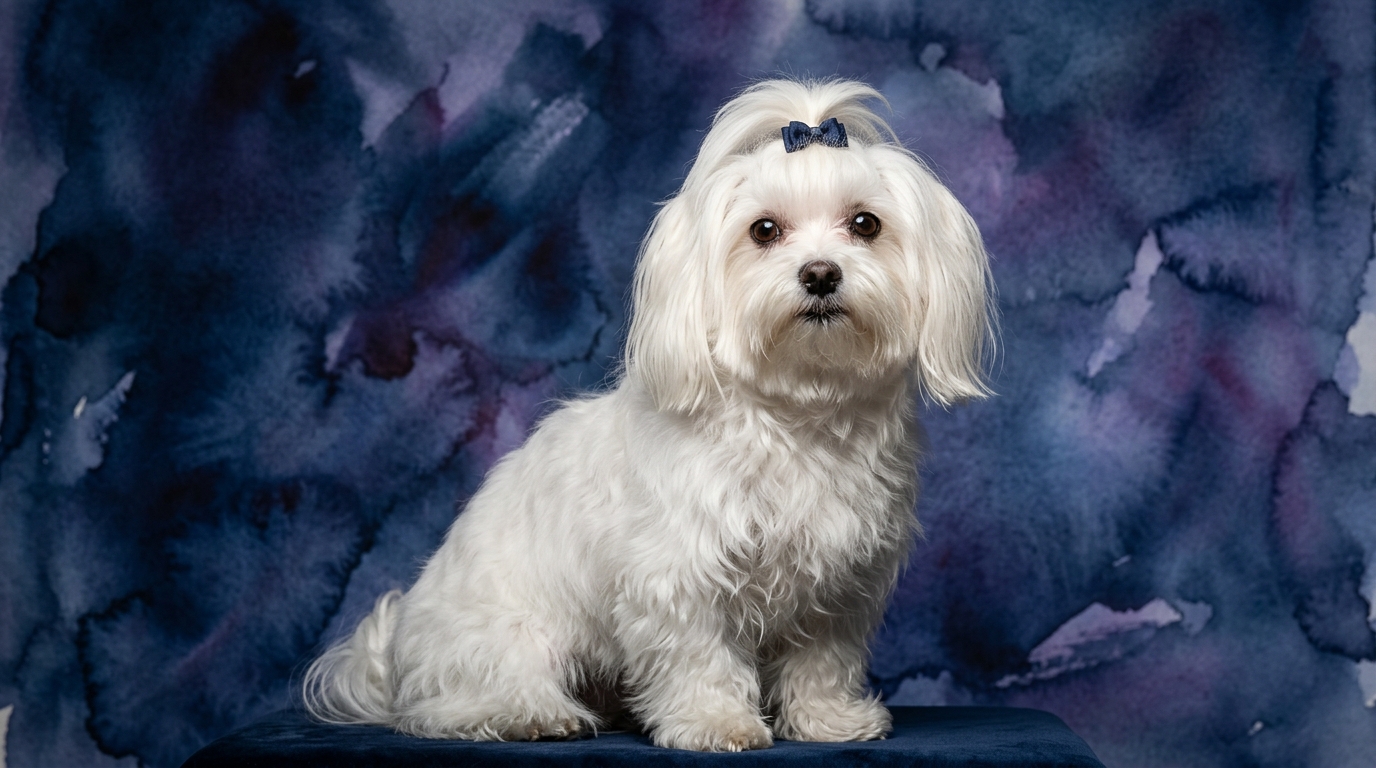
The Maltese, a delightful Toy breed (Coren rank #59), presents the following cognitive profile: its Problem Solving ability registers at 3/5, indicating a capacity for moderate challenges and understanding routine tasks without extraordinary innovation. Training Speed is also 3/5, meaning they learn new commands at a fair pace, requiring consistent and positive reinforcement to solidify understanding. Where the Maltese truly shines is in Social Intelligence, scoring a perfect 5/5, demonstrating an exceptional aptitude for reading human emotions and social cues, fostering deep, intuitive bonds. Its Instinctive Drive is a low 2/5, making it less prone to traditional canine pursuits like hunting or guarding, and its Memory stands at 3/5, allowing for adequate recall of learned information and familiar experiences.
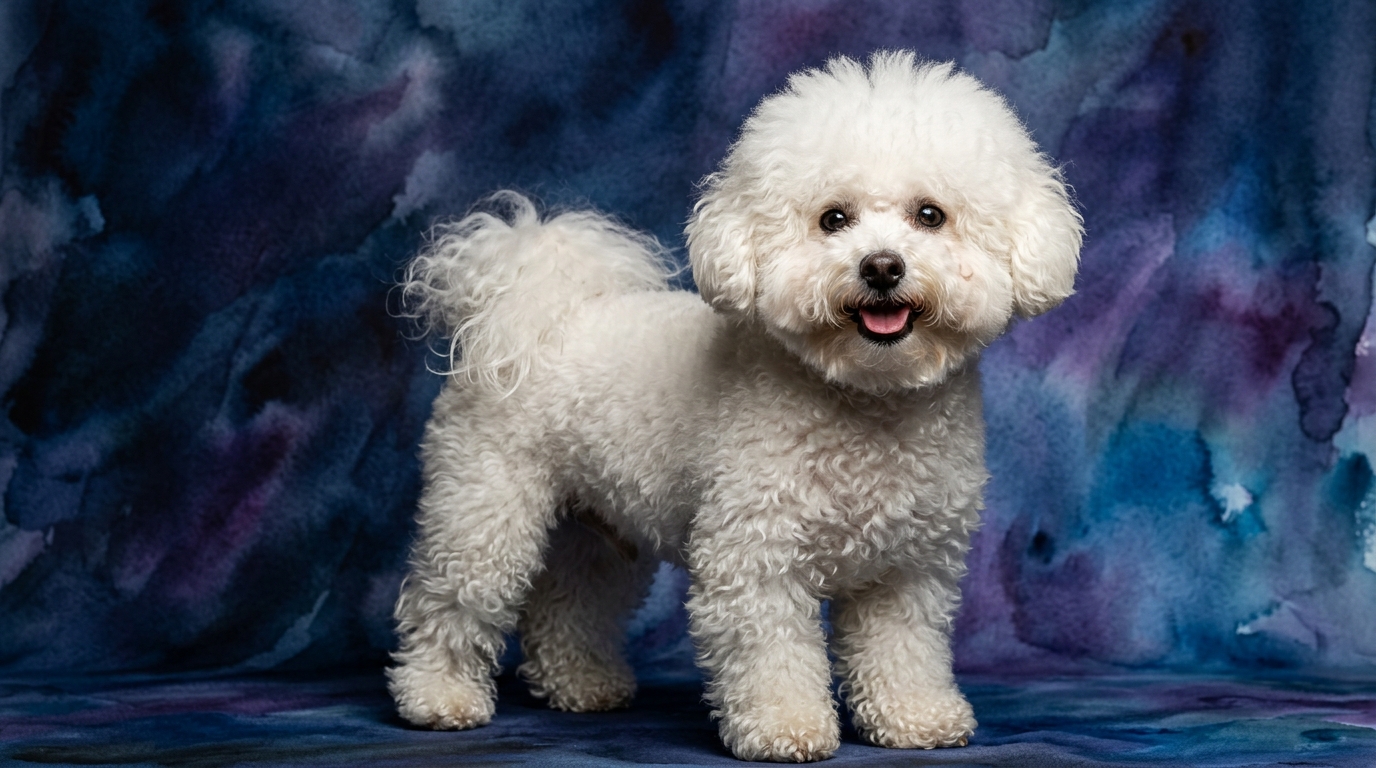
The Bichon Frisé, a cheerful Non-Sporting breed (Coren rank #45), remarkably mirrors these specific IQ Lab scores. Its Problem Solving ability is likewise 3/5, indicating a similar aptitude for navigating everyday challenges and grasping familiar routines. Training Speed is also 3/5, requiring comparable patience and engaging methods to teach new behaviors effectively. Like the Maltese, the Bichon Frisé excels in Social Intelligence with a 5/5 score, demonstrating a profound understanding of social dynamics and a strong desire for companionship and interaction. Its Instinctive Drive is also 2/5, meaning primal urges like chasing or territoriality are minimal, and its Memory is 3/5, providing a reliable recall for commands and familiar faces. While these lab scores suggest identical cognitive capacities in these specific areas, the difference in their Coren ranks hints at distinct applications of these shared intellectual traits in broader contexts.
Where the Maltese Wins Cognitively
While the Cosmic Pet Pet IQ Lab metrics show identical scores across the five dimensions for both breeds, the Maltese's cognitive edge often manifests in their unparalleled aptitude for emotional attunement and subtle communication within a relaxed home environment. Their 5/5 Social Intelligence, combined with a 2/5 Instinctive Drive, means their primary cognitive bandwidth is dedicated to understanding and responding to human emotional states rather than external stimuli or complex tasks. This makes them exceptionally adept at being empathetic companions, often anticipating a comforting presence when their owner is distressed or subtly inviting interaction. Their cognitive 'win' here is in their deep emotional processing and low inclination to distraction, making them masters of the calm, connected companionship often sought in a lapdog. Their lower Coren rank (59) also suggests they are less inclined to actively seek complex tasks, making them naturally content with a simpler, affection-focused cognitive life, which is a significant 'win' for owners seeking a serene, emotionally responsive presence.
Where the Bichon Frisé Wins Cognitively
The Bichon Frisé, while sharing identical scores in the specific Cosmic Pet Pet IQ Lab dimensions, distinguishes itself through its higher Coren ranking (#45 compared to the Maltese's #59) for working and obedience intelligence. This suggests a subtle, yet significant, cognitive advantage in their capacity for structured learning and task execution. While their Problem Solving and Training Speed scores are both 3/5, the Bichon's higher Coren placement indicates a slightly stronger inclination to apply these skills in a cooperative, command-driven context. This means they may demonstrate a marginally quicker comprehension of multi-step commands or a more consistent performance in obedience training, even if their initial learning speed is similar. Their cognitive 'win' is in their slightly stronger inclination towards working cooperatively and understanding human directives in a more formal context, channeling their intelligence into performing specific tasks and routines with cheerful enthusiasm.
Which Is Easier to Train and Why
Given the identical 3/5 Training Speed scores from the Cosmic Pet Pet IQ Lab, one might assume parity in ease of training. However, the nuance lies in their Coren ranks and underlying temperaments. The Bichon Frisé, with its Coren rank of #45, often exhibits a slightly more eager-to-please disposition and a greater propensity for engaging in structured learning activities. This isn't necessarily about learning faster but about a more consistent willingness to participate and apply learned behaviors. Their bouncy, playful nature can be channeled into positive reinforcement training, making them responsive to cues and enjoyable to teach. Conversely, the Maltese, ranked #59 by Coren, while equally capable of learning at a 3/5 speed, may sometimes require more motivation or find less inherent joy in repetitive command-based training. Their focus is more on companionship and emotional connection, and while they learn, they might not always offer the same sustained enthusiasm for 'work' as a Bichon. Both respond well to positive reinforcement, but the Bichon's inherent cooperativeness often translates to a slightly smoother, more consistently rewarding training experience for owners seeking reliable obedience.
Suitability for Active vs. Relaxed Owners
When considering lifestyle fit, both breeds are small and adaptable, yet their energy expressions differ subtly. The Bichon Frisé often carries a more effervescent, playful energy. Their history as circus performers hints at a natural zest for life and an enjoyment of interactive play, making them suitable for active owners who appreciate regular, engaging play sessions, short walks, or even introductory agility. While not requiring extensive outdoor excursions, they thrive on mental stimulation through games and varied activities. A Bichon can easily keep pace with an owner who enjoys daily park visits or playful romps in the yard, channeling their moderate energy into joyful interaction.
The Maltese, conversely, tends to be more attuned to a relaxed, companion-centric lifestyle. While they enjoy gentle walks and play, their energy levels are generally lower, and their contentment often stems from close proximity to their human companions. Their high social intelligence means they are perfectly content observing or cuddling, making them an excellent choice for relaxed owners who prioritize quiet companionship, lap time, and indoor activities. They are less likely to demand constant engagement and more likely to settle comfortably by your side, fitting seamlessly into a serene home environment.
The Verdict
Choose a Maltese if your primary desire is an emotionally intuitive, gentle companion who excels at forming deep, quiet bonds and thrives in a serene, affection-rich home environment without demanding constant active engagement.
Opt for a Bichon Frisé if you appreciate a cheerful, interactive companion with a slightly greater inclination for structured learning and playful engagement, offering a balance of cuddles and enthusiastic participation in daily activities.
🧠 Find Your Pet's IQ Score
Our Pet IQ Lab assessment covers 25+ tests across 5 cognitive dimensions — personalized to your breed.
Take the Full IQ Test →Frequently Asked Questions
Are Maltese or Bichon Frisé better for first-time dog owners?
Both breeds can be good choices for first-time owners due to their adaptable nature and strong desire for companionship. The Bichon Frisé might offer a slightly more straightforward training experience due to its higher Coren rank and eager-to-please attitude, while the Maltese excels in intuitive emotional bonding which can simplify integration into a new home. Ultimately, success depends on the owner's commitment to positive reinforcement and socialization.
Do either of these breeds shed a lot?
Neither the Maltese nor the Bichon Frisé are heavy shedder, making them popular choices for individuals with allergies or those seeking a low-shedding companion. Both breeds have continuous hair growth, requiring regular grooming, brushing, and professional trims to prevent matting and maintain coat health. This low-shedding trait is a shared advantage for both lovely small dogs.
How do their social intelligence scores impact their interactions with children and other pets?
Both breeds boast a perfect 5/5 in Social Intelligence, indicating a strong capacity to understand and adapt to social dynamics, making them generally excellent with well-behaved children and other pets when properly socialized. Their ability to read cues helps them navigate interactions, though supervision is always recommended, especially with young children, to ensure respectful play from all parties. Their high social IQ fosters harmonious multi-pet households.