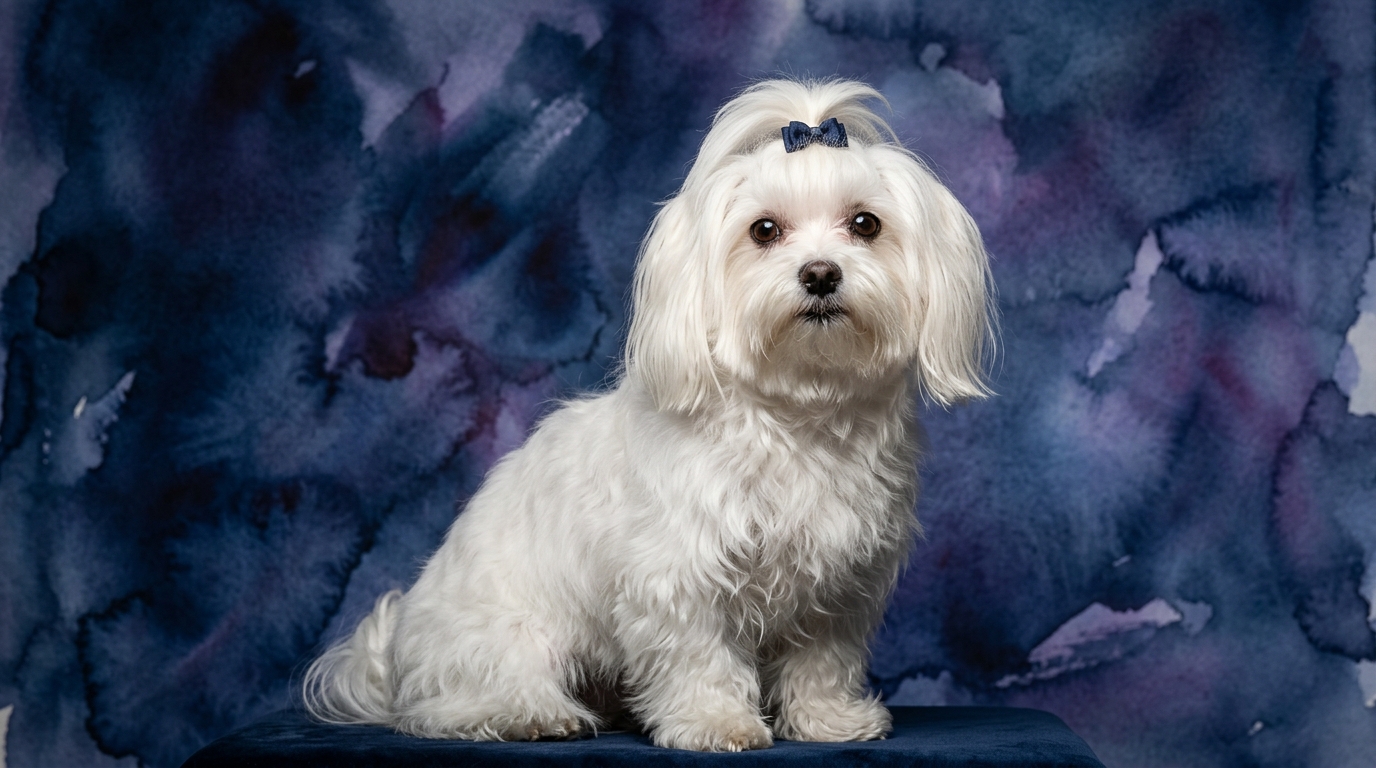
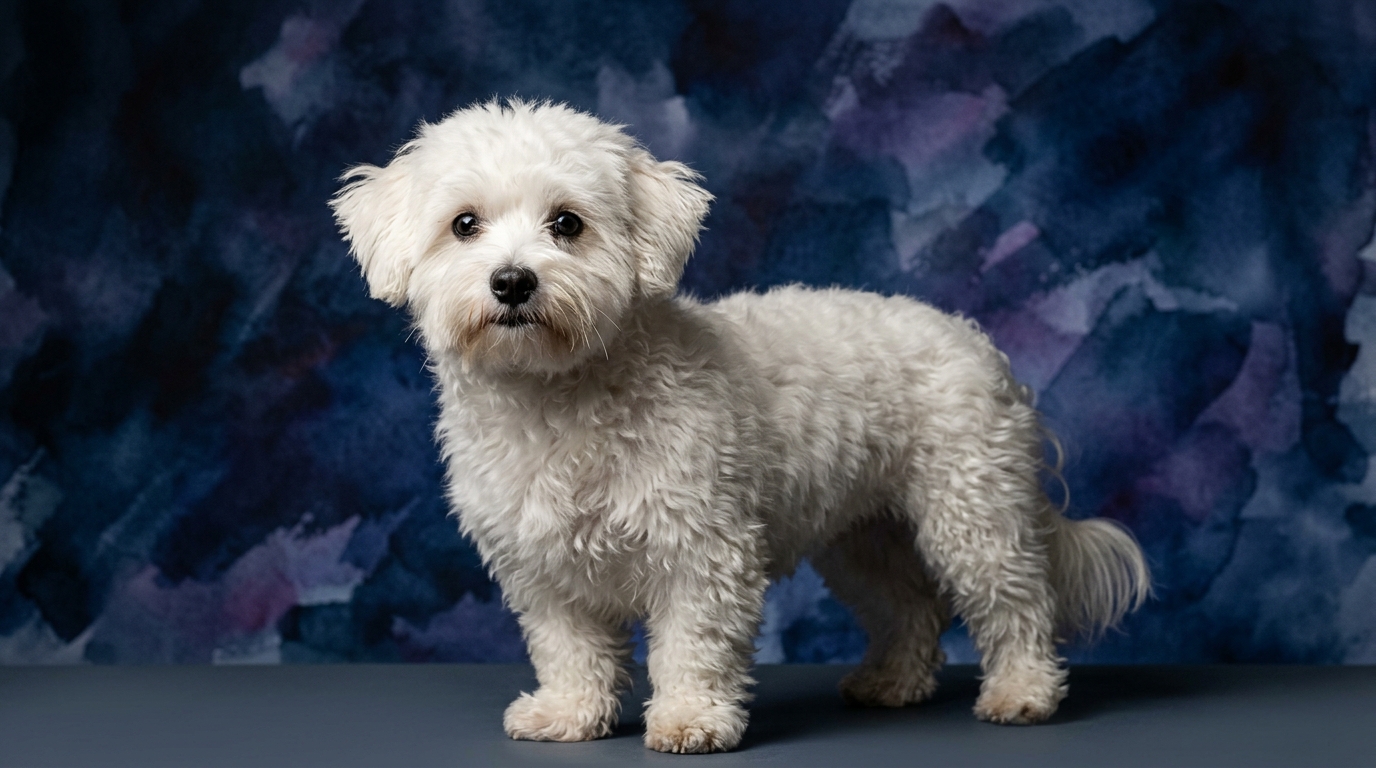
Side-by-Side IQ Profile: Maltese vs Coton de Tuléar
At The Cosmic Pet Pet IQ Lab, we analyze canine intelligence across five key dimensions to provide a nuanced understanding of each breed's cognitive strengths. For the Maltese, a Toy group dog ranked #59 by Coren, and the Coton de Tuléar, a Non-Sporting breed, their profiles reveal intriguing differences despite some shared scores.
The Maltese exhibits a Problem Solving score of 3/5, indicating an adequate ability to navigate novel situations or figure out straightforward challenges. Their Training Speed is also 3/5, suggesting they learn new commands at an average pace with consistent, positive reinforcement. Where the Maltese truly shines is in Social Intelligence, scoring an exceptional 5/5, demonstrating a profound understanding of human emotions and social cues. Their Instinctive Drive is lower at 2/5, meaning less inherent motivation for tasks like hunting or guarding, while their Memory stands at 3/5, allowing them to retain learned information and routines effectively.
The Coton de Tuléar, though not Coren-ranked, presents a balanced cognitive profile. Their Problem Solving ability is rated 3/5, mirroring the Maltese in their capacity for practical problem-solving and adaptation to new environments. Training Speed is also 3/5, indicating they respond well to clear, repetitive training methods. Their Social Intelligence is a solid 3/5, showing good awareness and enjoyment of human interaction, though perhaps less acutely sensitive than the Maltese. The Coton's Instinctive Drive is 3/5, suggesting a moderate curiosity and playful chase instinct, and their Memory is 3/5, allowing for average retention of commands and experiences.
Where the Maltese Wins Cognitively
The Maltese's undeniable cognitive advantage lies in its extraordinary Social Intelligence, scoring a perfect 5/5 compared to the Coton de Tuléar's 3/5. This isn't merely about enjoying human company; it signifies an exceptional ability to perceive and respond to human emotions and subtle social cues. A Maltese often seems to anticipate an owner's mood, offering comfort or seeking interaction at just the right moment. This deep emotional attunement fosters an intensely personal and responsive bond, making them incredibly empathetic companions who thrive on intimate connection.
Another subtle cognitive win for the Maltese, particularly for certain lifestyles, is their lower Instinctive Drive (2/5 compared to the Coton's 3/5). While not a 'higher' score, this reduced drive means they are generally less preoccupied with external stimuli like chasing small animals or territorial guarding. This allows for a greater, more consistent focus on their human companions and a calmer disposition within the home environment, minimizing distractions that might divert their attention from social interaction or training.
Where the Coton de Tuléar Wins Cognitively
The Coton de Tuléar's cognitive strengths lean towards a more balanced and adaptable profile, particularly evident in its Instinctive Drive (3/5 compared to the Maltese's 2/5). This slightly higher drive suggests a more inherent curiosity and a greater inclination towards exploratory play, such as engaging in games of fetch, hide-and-seek, or mild 'hunting' of toys. This means Cotons might be more readily engaged by a broader range of enrichment activities that tap into these natural inclinations, making them versatile playmates for interactive games.
While both breeds share similar scores in Problem Solving, Training Speed, and Memory, the Coton's overall more balanced distribution across the cognitive dimensions, without an extreme lean towards one specific area, implies a robust, all-around cognitive toolkit. They demonstrate solid adaptability to varied situations and environments, perhaps showing a bit more resilience or independent resourcefulness when faced with new experiences, without being overly dependent solely on social cues for guidance.
Which is Easier to Train and Why
Both the Maltese and the Coton de Tuléar share a Training Speed score of 3/5, indicating they learn at an average pace. However, the nuances of their cognitive profiles influence their trainability in distinct ways. The Maltese, with its exceptional social intelligence, is profoundly motivated by the desire to please its owner and receive affection. This strong bond can make them very eager students, responding beautifully to gentle, positive reinforcement methods. Harsh or inconsistent training can be detrimental, as their sensitivity can lead them to shut down or become anxious. They thrive on clear communication and positive affirmation, often complying quickly to maintain that cherished connection.
The Coton de Tuléar also responds well to positive reinforcement, and their good social intelligence (3/5) means they understand human cues effectively. Their slightly higher instinctive drive, however, might mean they are more easily distracted by novel smells or sights during training sessions. To counter this, incorporating toy-based rewards or making training into a playful game can be particularly effective for a Coton. While they may not have the Maltese's intense emotional 'buy-in,' their eagerness to engage and their adaptable nature ensure that with consistency, patience, and engaging methods, they are highly trainable companions.
Which Suits Active Owners vs Relaxed Owners
When considering lifestyle compatibility, the cognitive profiles of these breeds offer clear guidance. The Maltese, with its lower instinctive drive (2/5) and unparalleled social intelligence (5/5), is ideally suited for more relaxed owners who prioritize companionship and intimate indoor activities. They thrive on consistent human contact and are generally content with shorter walks and less strenuous physical exertion. Their primary motivation is being close to their people, making them perfect lap dogs who find immense satisfaction in a calm, affectionate home environment.
The Coton de Tuléar, featuring a moderate instinctive drive (3/5) and a balanced social intelligence (3/5), aligns better with owners who enjoy a moderate level of activity. While they adore companionship, their slightly more curious and playful nature means they appreciate varied environments, engaging play sessions, and mental stimulation beyond just cuddling. They are adaptable companions who enjoy both relaxed moments on the couch and opportunities for exploration in a park or engaging in fun games, fitting well into households that offer a bit more variety in daily routines.
The Verdict
If your primary desire is an exceptionally empathetic companion who forms a profound emotional bond and thrives in a calm, affectionate indoor setting, the Maltese is an ideal choice. They excel at reading human emotions and offering comfort, making them perfect for those seeking a devoted, sensitive presence.
Opt for the Coton de Tuléar if you appreciate a charming, adaptable companion with a slightly more playful and curious streak, capable of enjoying varied activities from relaxed companionship to engaging games. They offer a balanced mix of affection and independent exploration, fitting well into moderately active households.
🧠 Find Your Pet's IQ Score
Our Pet IQ Lab assessment covers 25+ tests across 5 cognitive dimensions — personalized to your breed.
Take the Full IQ Test →Frequently Asked Questions
Are Maltese or Coton de Tuléar good with children?
Maltese can be delicate and often prefer calmer interactions, making them better suited for older, gentle children or adult-only homes. Cotons are generally more robust and playful, often doing well with respectful children who understand how to interact gently with a small dog, provided they are properly socialized.
Do Maltese or Coton de Tuléar tend to bark a lot?
Both breeds can be prone to barking, especially if not properly socialized or if left alone for extended periods due to their strong companion instincts. Maltese might bark more out of anxiety or to alert, while Cotons might bark during play or out of excitement, but consistent training can manage this behavior in both.
Which breed is more independent?
Neither breed is particularly independent, as both are companion dogs who thrive on human interaction and close proximity to their families. However, the Coton de Tuléar's slightly higher instinctive drive and broader cognitive profile might make them marginally more inclined to explore their surroundings independently for short periods compared to the intensely people-focused Maltese.