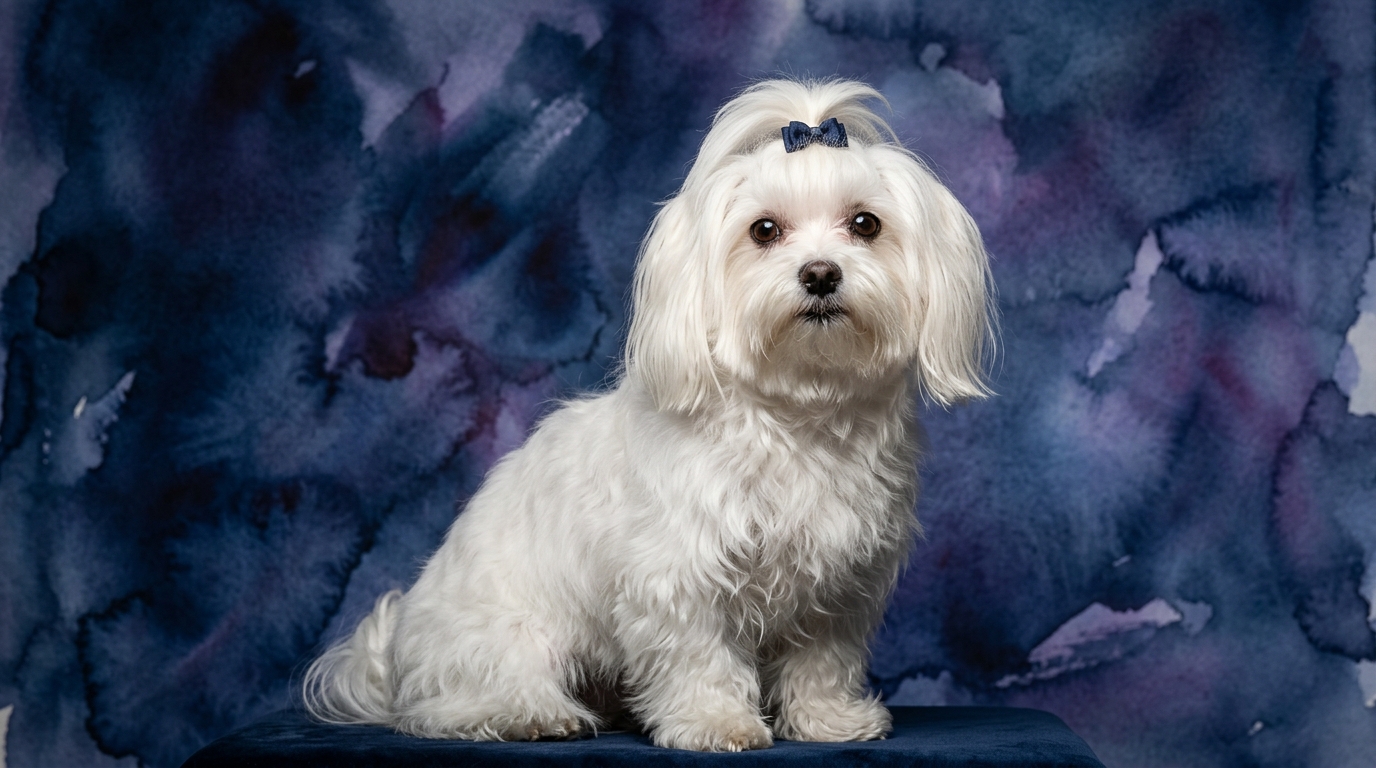
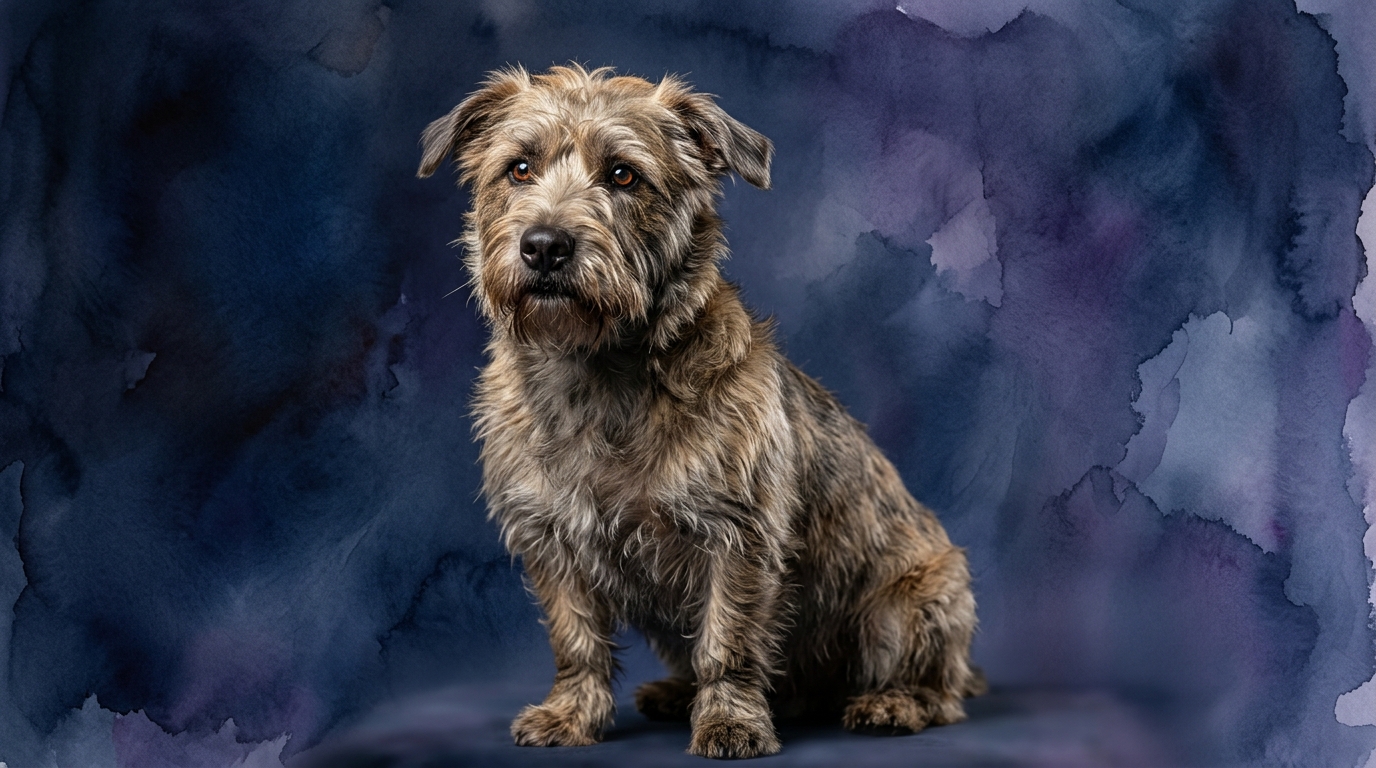
Side-by-Side IQ Profile
The Cosmic Pet Pet IQ Lab assesses canine intelligence across five critical dimensions: problem solving, training speed, social intelligence, instinctive drive, and memory. Examining these metrics for the Maltese and the Glen of Imaal Terrier illuminates their unique cognitive architectures, shaped by their distinct histories and purposes.
**Maltese (Coren rank #59)**: This charming toy breed, weighing under seven pounds, demonstrates a nuanced cognitive profile centered around companionship.
**Problem Solving (3/5)**: Maltese possess a moderate capacity for problem-solving. They can learn to navigate simple obstacles or figure out how to retrieve a favored toy from a confined space, often relying on their human observation skills to guide their attempts. Their problem-solving is generally directed towards achieving comfort or social interaction rather than complex environmental manipulation.
**Training Speed (3/5)**: Their training speed is also moderate. While receptive to positive reinforcement, particularly when it involves human attention, they may not grasp new commands with the rapid-fire precision seen in some higher-drive breeds. Consistency and patience are key, as their attention can sometimes be diverted by social cues or environmental novelties.
**Social Intelligence (5/5)**: This is where the Maltese truly shines. Possessing an exceptional 5/5 in social intelligence, they are profoundly attuned to human emotions, intentions, and routines. They effortlessly read subtle changes in body language, vocal tone, and facial expressions, often preempting their owner's needs or moods. This deep social awareness allows them to form incredibly strong bonds and adapt their behavior to maintain harmony within their human family, making them highly responsive companions.
**Instinctive Drive (2/5)**: With a low instinctive drive, Maltese exhibit minimal inclination for activities like hunting, herding, or guarding in a traditional sense. Their historical role as lapdogs means their drives are primarily focused on companionship and comfort. While they may chase a rolling toy, it's typically for play rather than a strong prey instinct.
**Memory (3/5)**: The Maltese maintains a solid, moderate memory. They can recall learned commands, routines, and the locations of favored items or people over time. Their memory is particularly robust when associated with positive social experiences or comfort, allowing them to remember cues that lead to desired interactions or rewards.
**Glen of Imaal Terrier (Not Coren-ranked)**: Hailing from Ireland, the Glen of Imaal Terrier is a sturdy, medium-sized terrier bred for badger and fox hunting, reflecting a different set of cognitive strengths.
**Problem Solving (3/5)**: Glens exhibit a moderate problem-solving ability, often characterized by tenacity and independent thought. They are adept at figuring out how to get to a desired spot or manipulate objects to their advantage, particularly if it involves a scent or a perceived 'task.' Their solutions can be creative and persistent, reflecting their working heritage.
**Training Speed (3/5)**: Like the Maltese, Glens have a moderate training speed. However, their independent nature means they may not always be motivated by sheer desire to please. Training often requires making lessons engaging and demonstrating the value of compliance to the dog, rather than simply expecting immediate obedience; they learn quickly when they see the point of an exercise.
**Social Intelligence (3/5)**: Glens possess a moderate level of social intelligence. While they form strong bonds with their families, they are not as overtly expressive or as finely tuned to human emotional shifts as the Maltese. They understand social hierarchies and cues but tend to be more reserved and less inclined to adapt their behavior solely for human approval; their social interactions are often more direct and less nuanced.
**Instinctive Drive (3/5)**: True to their terrier roots, Glens have a moderate instinctive drive. This manifests as a keen interest in scent work, digging, and a propensity to chase small animals. While not as intense as some other terrier breeds, this drive requires appropriate outlets to prevent destructive behaviors; they enjoy tasks that engage their natural instincts, such as retrieving or exploring.
**Memory (3/5)**: Glens also demonstrate a moderate memory. They remember learned commands, routines, and the layout of their environment. They can recall specific people or animals and past experiences, particularly those that were exciting or challenging, which can influence their future interactions and behaviors.
Where Maltese Wins Cognitively
The Maltese's undeniable cognitive edge lies in its unparalleled social intelligence. At a 5/5, they possess an extraordinary capacity to interpret and respond to human emotional states, making them exceptionally empathetic companions. This manifests in their ability to offer comfort during distress, celebrate joy, or even subtly manipulate situations to gain attention or affection, all through reading subtle human cues. Their cognitive processing is heavily geared towards understanding and navigating the complex landscape of human interaction, allowing them to seamlessly integrate into family life and build profound, responsive relationships.
Where Glen of Imaal Terrier Wins Cognitively
Conversely, the Glen of Imaal Terrier's cognitive strengths lean towards independent problem-solving and environmental engagement, rooted in its working heritage. While their problem-solving score is the same as the Maltese, their application is different: they exhibit a persistent, self-directed approach to challenges, often requiring less human intervention to complete a task. Their moderate instinctive drive (3/5 versus Maltese's 2/5) means they excel in activities that tap into their natural inclinations, like scent tracking or navigating varied terrains, demonstrating a practical, robust form of intelligence focused on interacting with their physical surroundings rather than solely human social dynamics.
Which is Easier to Train and Why
Between the two, the Maltese generally proves easier to train for basic obedience and house manners, primarily due to their superior social intelligence and lower instinctive drives. Their exceptional ability to read human cues and their strong desire for human approval mean they are highly motivated by praise and positive attention. They are more inclined to comply with commands that strengthen their bond with their owner, and their minimal prey drive means fewer distractions during training sessions. In contrast, the Glen of Imaal Terrier's independent nature and moderate instinctive drive can make training more challenging. While they are capable learners, their 'what's in it for me?' attitude often requires trainers to make lessons engaging and to convince the Glen that compliance is a worthwhile endeavor. Their inherent drive to explore and follow scents means they can be more easily distracted and may require more consistent, firm, and creative approaches to training.
Which Suits Active Owners vs. Relaxed Owners
For owners seeking a relaxed, devoted companion, the Maltese is an ideal fit. Their low instinctive drive and profound social intelligence mean they thrive on close human contact, gentle play, and are content with moderate daily exercise, such as short walks or indoor games. They are perfectly suited to apartment living and owners who appreciate a calm, attentive presence. The Glen of Imaal Terrier, while not requiring extreme athleticism, is better suited for moderately active owners. Their moderate instinctive drive and historical working background mean they benefit from consistent mental and physical engagement. They enjoy exploring outdoors, participating in scent work, or engaging in problem-solving games, making them a good match for owners who enjoy regular walks, hikes, or structured activities that tap into their tenacious terrier spirit.
The Verdict
Opt for a Maltese if your lifestyle prioritizes an exceptionally socially intelligent companion who thrives on close emotional connection, is highly responsive to human cues, and fits seamlessly into a more relaxed, companionship-focused home environment.
Select a Glen of Imaal Terrier if you appreciate a resilient, independent canine partner with a moderate working drive, who enjoys engaging with their environment and benefits from consistent mental challenges and a moderately active lifestyle.
🧠 Find Your Pet's IQ Score
Our Pet IQ Lab assessment covers 25+ tests across 5 cognitive dimensions — personalized to your breed.
Take the Full IQ Test →Frequently Asked Questions
Do Maltese dogs require extensive mental stimulation?
While not requiring complex working tasks, Maltese dogs thrive on social interaction and gentle mental games that engage their high social intelligence. Consistent positive reinforcement training, interactive puzzle toys, and plenty of quality time with their human family provide ample mental stimulation for this companion breed.
Is the Glen of Imaal Terrier a good choice for first-time dog owners?
The Glen of Imaal Terrier can be a good choice for first-time owners who are prepared for a dog with an independent spirit and moderate terrier drives. They require consistent, patient training and socialization from an early age, but their sturdy nature and loyalty make them rewarding companions for those willing to invest the effort.
How do their grooming needs compare, and does it impact perceived intelligence?
Maltese require extensive daily grooming to maintain their long, silky coats, while Glens have a wiry, low-shedding coat needing weekly brushing and occasional stripping. Grooming needs do not directly impact their intrinsic intelligence but can influence an owner's perception of 'manageability' and time commitment, which might be mistakenly linked to how 'easy' a breed is to live with.