Side-by-Side IQ Profile
The Cosmic Pet Pet IQ Lab employs a multi-dimensional framework to assess canine cognition, moving beyond simplistic notions of 'smartness' to evaluate specific mental aptitudes. For the Maltese and Japanese Chin, this detailed analysis uncovers nuanced strengths and areas of development across five key dimensions.
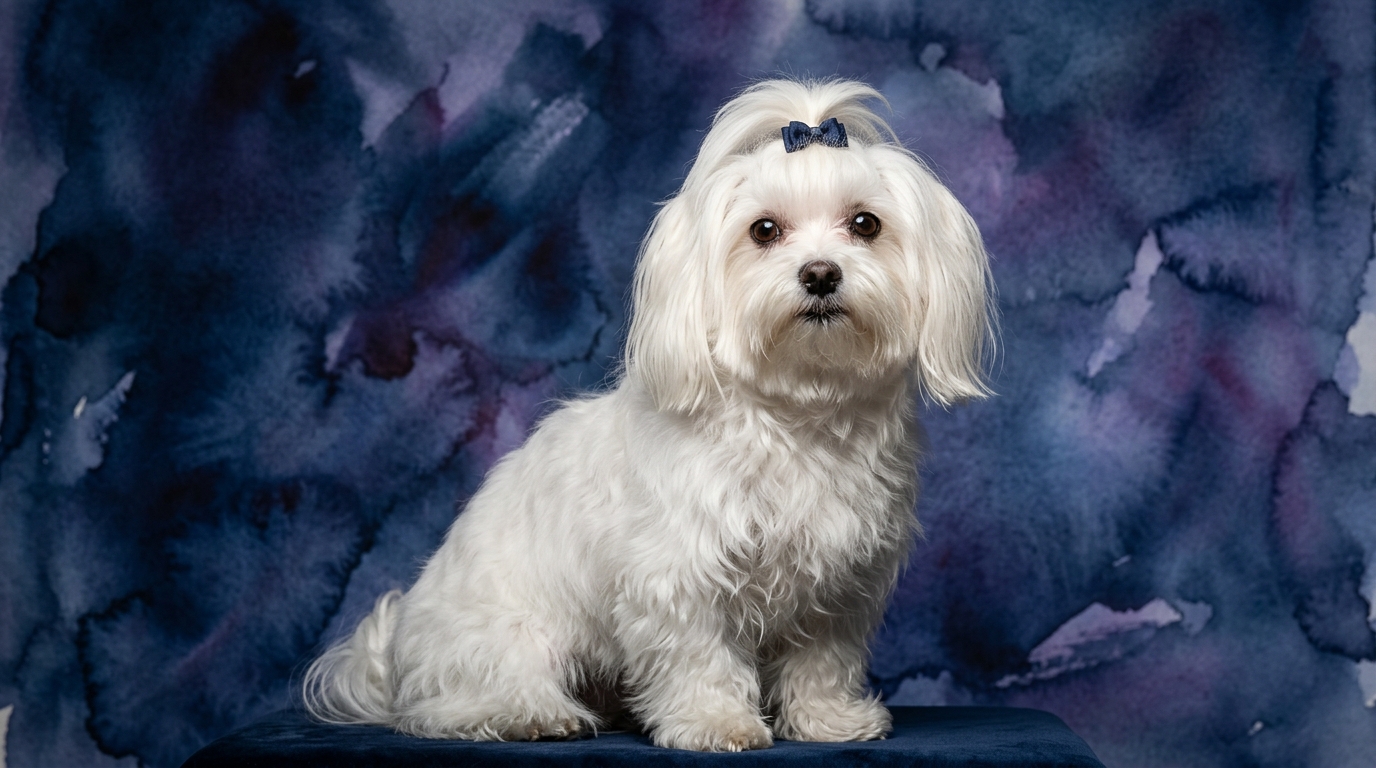
**Maltese (Coren Rank #59):** This breed, recognized for its elegant appearance and gentle demeanor, exhibits a distinct cognitive profile geared towards companionship. Their **Problem Solving** ability is rated at 3/5, indicating a moderate capacity to navigate novel situations or figure out simple puzzles. They can learn to overcome minor obstacles to reach a desired object but aren't typically devising complex strategies. Their **Training Speed** also stands at 3/5, suggesting a moderate pace in grasping new commands and routines; they are receptive learners with consistent, positive reinforcement. Where the Maltese truly shines is in **Social Intelligence** at a remarkable 5/5, demonstrating an exceptional ability to interpret human cues, emotions, and intentions, making them incredibly intuitive companions. Their **Instinctive Drive** is relatively low at 2/5, meaning their cognitive resources are less directed towards primal tasks and more towards social engagement. Finally, their **Memory** is rated 3/5, showing a moderate ability to retain learned behaviors and recall past events or associations over time.
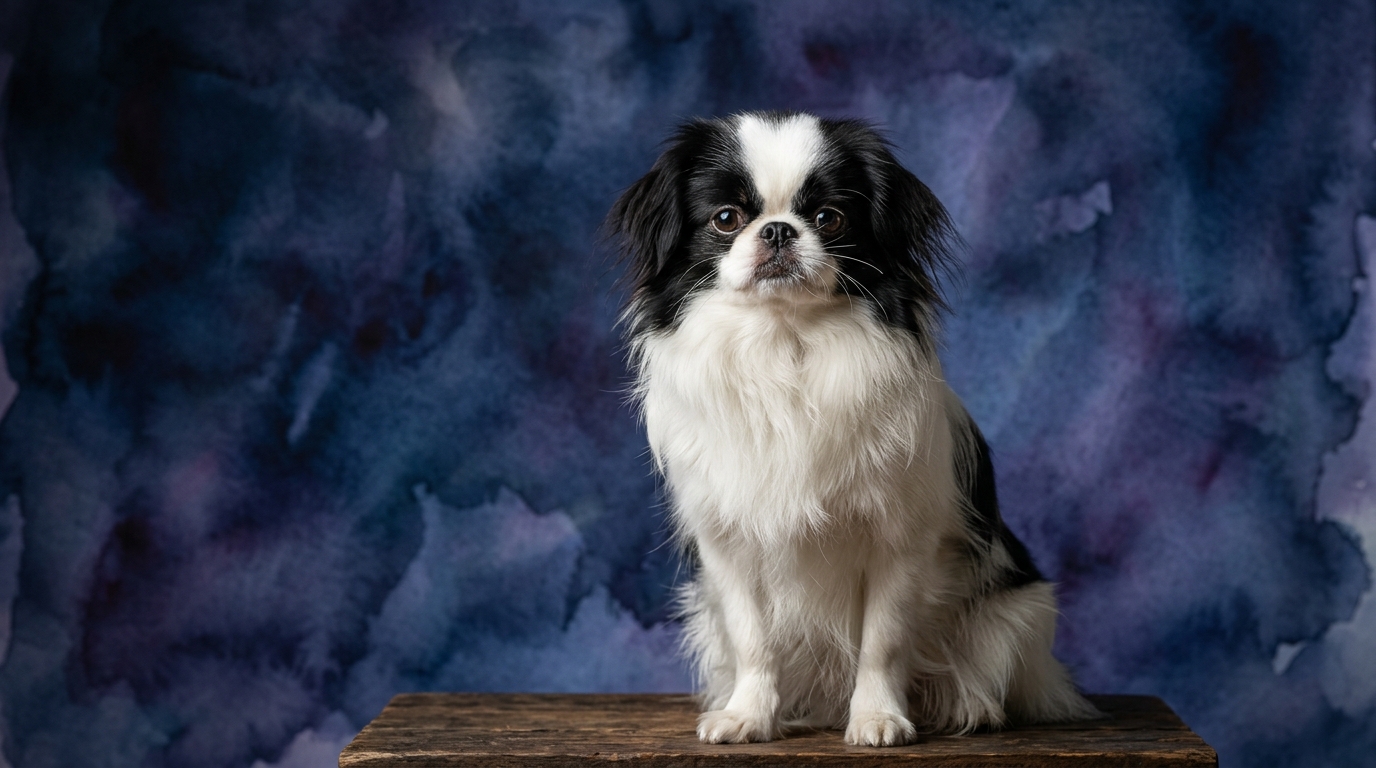
**Japanese Chin (Not Coren-Ranked):** Though not included in Stanley Coren's traditional ranking, the Japanese Chin possesses its own unique and balanced cognitive attributes. Their **Problem Solving** aptitude is 3/5, mirroring the Maltese; they can figure out how to access treats or navigate familiar environments but typically don't demonstrate advanced strategic thinking. Similarly, their **Training Speed** is 3/5, indicating they can learn new commands at a steady pace, with consistency and engaging methods being key. Their **Social Intelligence** is rated 3/5; while affectionate and forming strong bonds, they may not be as acutely sensitive to subtle human emotional shifts or as overtly demonstrative in their responses as the Maltese, appreciating interaction but also valuing periods of independent quiet. A notable difference lies in their **Instinctive Drive**, which is 3/5, slightly higher than the Maltese, potentially manifesting as greater curiosity or playful chasing. Their **Memory** is 3/5, capable of recalling learned commands, routines, and familiar people and places with regular reinforcement.
Where Maltese Wins Cognitively
The Maltese's standout cognitive advantage lies overwhelmingly in its exceptional social intelligence, scoring a perfect 5/5. This isn't merely about being 'friendly'; it reflects a profound capacity to read and respond to human emotional states and intentions with remarkable accuracy. A Maltese might anticipate an owner's need for comfort by nudging their hand when they're upset, or subtly signal their desire for interaction by making eye contact and offering a soft paw. They excel at understanding complex social cues, making them incredibly intuitive companions who seem to genuinely 'get' their people. This deep social attunement means they are often more responsive to subtle vocal inflections and body language during interactions, creating a highly reciprocal communication dynamic. Their lower instinctive drive (2/5) further supports this, as their cognitive focus is less on independent exploration or primal urges and more intensely directed towards understanding and engaging with their human family. This allows them to dedicate more mental bandwidth to processing social information, making them adept at navigating the nuances of human-dog relationships and forming deeply empathetic bonds.
Where Japanese Chin Wins Cognitively
The Japanese Chin demonstrates a subtle but significant cognitive edge in its instinctive drive, scoring 3/5 compared to the Maltese's 2/5. This isn't about aggression or a need for intense work, but rather a more pronounced innate curiosity and a greater inclination towards independent exploration and playful engagement with their environment. While still very much companion dogs, a Chin might be more inclined to investigate a new sound, explore a new corner of the house, or initiate a game of chase with a toy on its own terms. This slightly elevated drive suggests a cognitive framework that balances social connection with a degree of self-directed interest in their surroundings. Furthermore, the Japanese Chin holds its own with the Maltese in problem-solving (3/5), training speed (3/5), and memory (3/5). While the Maltese excels socially, the Chin's balanced profile across these dimensions, coupled with that slightly higher instinctive drive, indicates a dog that can be equally adept at learning and adapting, but perhaps with a touch more self-reliant thought or a different motivation for engagement, driven by a broader range of intrinsic interests beyond purely social interaction. This makes them engaging companions who can entertain themselves and observe their environment with a unique, quiet intensity.
Which Is Easier to Train and Why
When considering ease of training, the Maltese holds a slight edge, primarily due to their superior social intelligence (5/5). While both breeds share a moderate training speed (3/5), the Maltese's profound ability to understand human cues and motivations means they are often more eager to please and more receptive to human-directed instruction. They thrive on positive reinforcement that strengthens their bond with their owner, quickly learning that cooperative behavior leads to desired social rewards like praise and affection. This deep social attunement allows them to pick up on subtle feedback and adjust their behavior more readily, often anticipating what is expected of them in a training context. In contrast, the Japanese Chin, with its moderate social intelligence (3/5) and slightly higher instinctive drive (3/5), might exhibit a more independent streak. While capable learners, they may require more varied and engaging training methods to maintain their focus. Their training might benefit from incorporating games or activities that appeal to their curiosity and playful nature, rather than relying solely on social reinforcement. A Chin might be more prone to 'selective hearing' if a command doesn't immediately align with their current interest, requiring an owner to be more creative and patient in motivating them.
Which Suits Active Owners vs. Relaxed Owners
For owners seeking a highly engaged and emotionally responsive companion, the Maltese is an exceptional fit. Their paramount social intelligence (5/5) means they thrive on constant interaction and connection, making them ideal for individuals or families who are home frequently and enjoy a dog deeply integrated into their daily activities. They are content with moderate indoor play and short walks, but their true 'activity' lies in their mental engagement with their people. They are well-suited for relaxed owners who desire a devoted lap dog and a constant, intuitive presence, often seeming to anticipate their owner's needs or moods. Conversely, the Japanese Chin, with its moderate social intelligence (3/5) and slightly higher instinctive drive (3/5), offers a different dynamic. While affectionate, they often appreciate periods of quiet independence and might be more inclined to entertain themselves with toys or explore their immediate surroundings. They can adapt well to both active and more relaxed households, provided their need for mental stimulation and occasional playful bursts is met. An owner who enjoys observing their dog's subtle curiosities and appreciates a companion that isn't always 'underfoot' might find the Chin's temperament more appealing. They are a good choice for relaxed owners who still enjoy engaging in short, playful sessions, but also value a dog capable of self-amusement and a less demanding social presence.
The Verdict
Choose the Maltese if you prioritize an exceptionally socially attuned companion who thrives on deep emotional connection and constant, intuitive interaction within a relaxed home environment.
Opt for the Japanese Chin if you appreciate a charming, affectionate companion with a balanced cognitive profile, a touch more independent curiosity, and a willingness to entertain itself alongside social engagement.
🧠 Find Your Pet's IQ Score
Our Pet IQ Lab assessment covers 25+ tests across 5 cognitive dimensions — personalized to your breed.
Take the Full IQ Test →Frequently Asked Questions
Are Maltese difficult to house train?
Maltese can be a bit challenging to house train due to their small bladders and sometimes subtle communication signals, but their high social intelligence means they are eager to please. Consistency, frequent potty breaks, and positive reinforcement are crucial for success, as they respond well to routines established early on.
Do Japanese Chin dogs bark a lot?
Japanese Chin dogs are not typically excessive barkers, but they will alert their owners to unfamiliar sounds or visitors. Their barking is usually purposeful, reflecting their moderate instinctive drive and awareness of their surroundings rather than constant noise, and early training can help manage any potential for nuisance barking.
Which breed is better for apartment living?
Both the Maltese and Japanese Chin are well-suited for apartment living due to their small size and relatively moderate exercise needs. The Maltese might prefer a home where its owner is frequently present due to its high social intelligence, while the Japanese Chin can be content with slightly more independent periods, making both adaptable to smaller spaces.