Side-by-Side IQ Profile: Unpacking Canine Cognition
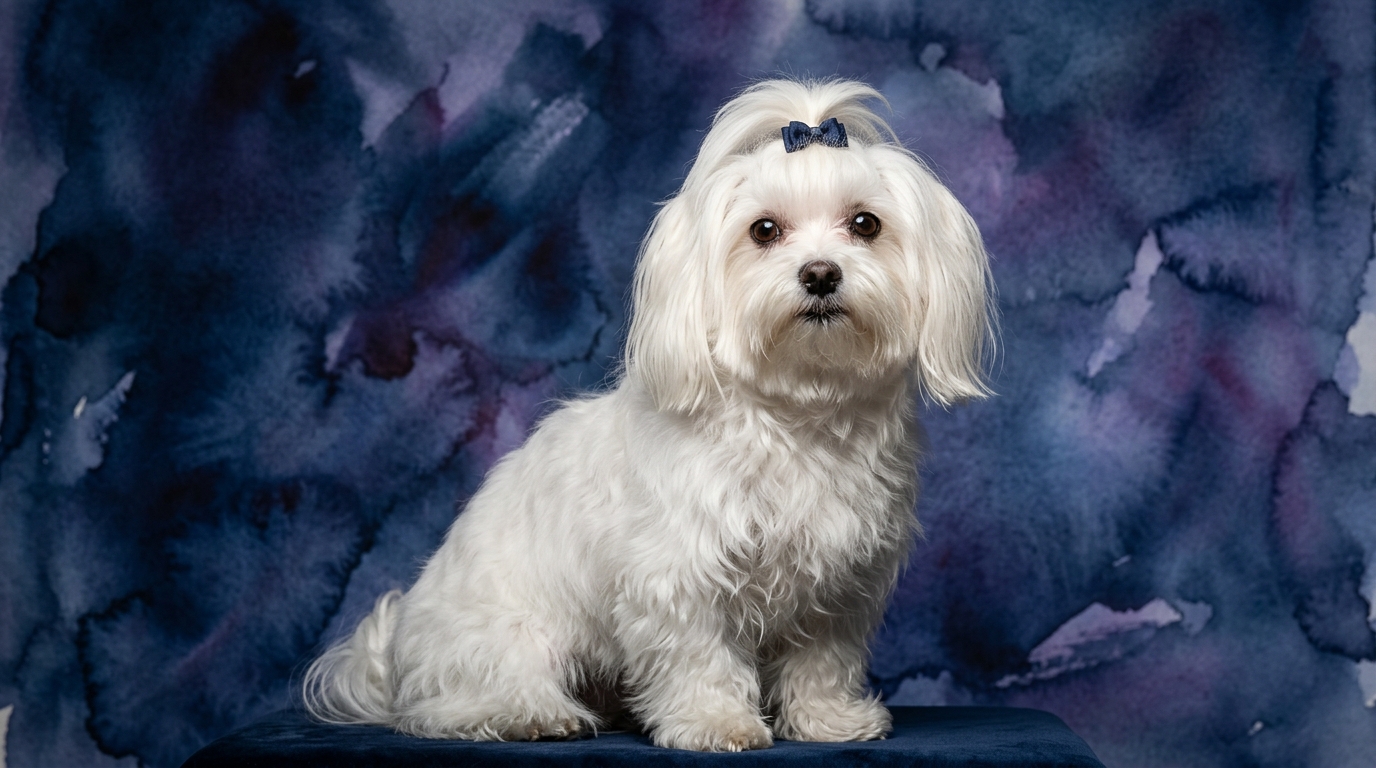
The Cosmic Pet Pet IQ Lab employs five key dimensions to evaluate canine intelligence, offering a nuanced understanding of each breed's cognitive strengths. For the Maltese, a Toy breed, their Coren rank of #59 suggests a moderate working and obedience intelligence, yet their profile reveals unique talents. They score 3/5 in Problem Solving, indicating a fair aptitude for navigating novel challenges, often relying on human interaction rather than independent strategizing. Their Training Speed also sits at 3/5, meaning they acquire new commands at a steady pace, especially when motivated by positive reinforcement and a strong bond. Where the Maltese truly shines is in Social Intelligence, earning a perfect 5/5, reflecting an exceptional ability to read human emotions and cues. Their Instinctive Drive is low at 2/5, meaning minimal urges for primal behaviors like hunting or guarding, and their Memory is moderate at 3/5, allowing them to retain routines and familiar associations.
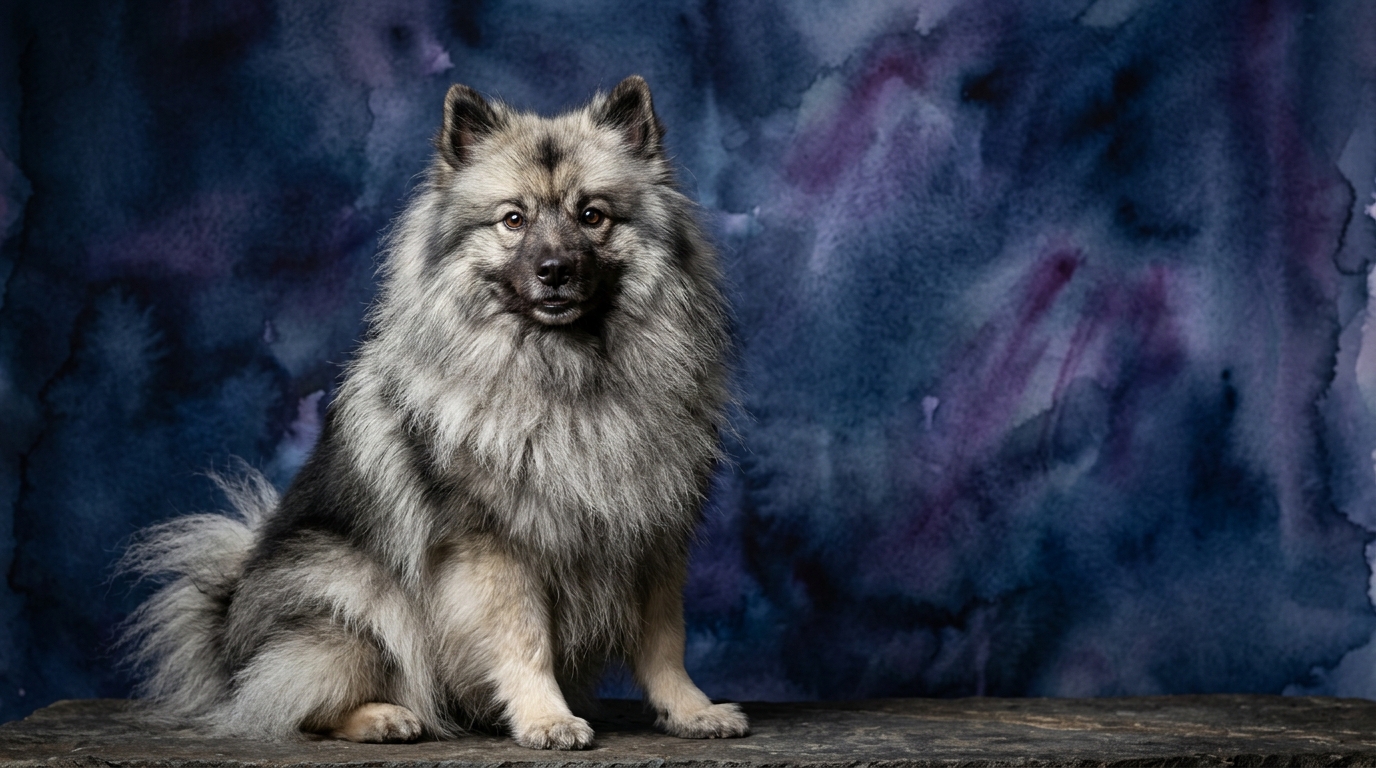
In contrast, the Keeshond, a Non-Sporting breed with a significantly higher Coren rank of #16, presents a different cognitive landscape. This breed achieves a strong 4/5 in Problem Solving, demonstrating a robust capacity for analyzing and resolving new situations independently. Their Training Speed matches this at 4/5, signifying a quick grasp of new commands and routines, often requiring fewer repetitions. The Keeshond's Social Intelligence is a solid 3/5; they form strong family bonds and understand direct communication, though they may not be as attuned to subtle emotional nuances as the Maltese. Their Instinctive Drive is moderate at 3/5, reflecting their historical role as watchful companions with a balanced curiosity. Most notably, the Keeshond boasts an exceptional Memory score of 5/5, indicating an extraordinary ability to retain a vast array of commands, names, and experiences over extended periods.
Where the Maltese's Mind Shines Brightest
The Maltese’s greatest cognitive strength lies in their profound social intelligence, a trait that earns them a perfect 5/5. This isn't merely about affection; it's a sophisticated capacity to interpret human non-verbal cues, emotional states, and even intentions. A Maltese often seems to 'know' when their owner is upset or joyful, responding with comforting nudges or playful antics that demonstrate a deep understanding of the human emotional landscape. This ability allows them to form extraordinarily close, almost symbiotic relationships, anticipating needs and offering solace without explicit commands. They excel in environments where nuanced communication and emotional rapport are valued, making them masters of companionship. Their moderate problem-solving and training speed, while not top-tier, are often amplified by their strong desire to please and their sensitivity to human direction, indicating that their social intelligence can indirectly enhance their learning when guided by a trusted human. This makes them remarkably adaptable to family life, thriving on interaction and reciprocal understanding rather than complex tasks.
Where the Keeshond's Cognition Takes the Lead
The Keeshond distinguishes itself through a robust combination of problem-solving aptitude, training efficiency, and an exceptional memory. Their ability to independently analyze and resolve challenges, scoring a 4/5 in problem-solving, means they are often adept at navigating intricate environments or figuring out how to access desired objects. This cognitive agility translates directly into their training speed, where a 4/5 indicates a breed that grasps new concepts and commands with remarkable quickness, often needing fewer repetitions than many peers. But the true keystone of the Keeshond's cognitive profile is their 5/5 memory score. This isn't just about remembering basic commands; it signifies an extraordinary capacity to retain complex sequences, past experiences, and even specific details over long durations. A Keeshond can recall intricate agility courses, remember an extensive vocabulary of objects or actions, and maintain learned behaviors with enduring reliability. This combination makes them particularly well-suited for activities requiring sustained learning, precision, and retention, such as advanced obedience, trick training, or even assistance roles where remembering specific tasks is crucial. Their moderate instinctive drive also provides a foundational curiosity that fuels their exploratory and learning behaviors.
Training Ease: A Tale of Two Learning Styles
When assessing ease of training, the Keeshond generally holds an advantage due to its higher scores in both Training Speed (4/5) and Memory (5/5). A Keeshond is typically quicker to pick up new commands and retains them for longer periods, meaning fewer repetitions and a more consistent performance over time. Their problem-solving ability also contributes, allowing them to better understand the mechanics of a task or the desired outcome, rather than just rote memorization. For instance, teaching a Keeshond a multi-step routine might involve fewer sessions to achieve proficiency and greater reliability in recalling each step months later.
The Maltese, with a 3/5 in Training Speed and Memory, learns at a respectable pace but might require more consistent reinforcement to solidify behaviors. Their training success often hinges on their exceptional Social Intelligence (5/5). They are profoundly motivated by pleasing their human and thrive on positive interaction, making them highly responsive to praise and gentle encouragement. While they might not independently 'figure out' a complex task as readily as a Keeshond, their desire for connection means they will diligently work to understand what their owner wants. Training a Maltese often feels like a collaborative effort, where the bond and emotional connection are key drivers. Conversely, a Keeshond's training might feel more like a direct instruction, where their cognitive capacity for retention and understanding drives their progress. Both breeds can be trained effectively, but the Keeshond's inherent cognitive strengths make the process generally quicker and more robust for complex tasks, while the Maltese excels in responsive, relationship-based learning.
Lifestyle Fit: Active Minds vs. Affectionate Hearts
The cognitive profiles of the Maltese and Keeshond suggest different ideal lifestyle pairings. For owners seeking a more relaxed pace, the Maltese often proves an excellent match. Their low instinctive drive (2/5) means they typically have minimal urges for intense physical activity or independent exploration, preferring the comfort of home and the company of their humans. Their exceptional social intelligence (5/5) means they thrive on close emotional interaction, cuddles, and being an integral part of daily family life, rather than needing constant mental challenges or strenuous exercise. A Maltese is content with gentle walks, indoor play, and extensive lap time, fulfilling their need for companionship through constant proximity and reciprocal affection. They are less prone to boredom-induced destructive behaviors if their social needs are met, making them ideal for individuals or families who prioritize quiet companionship and emotional connection over demanding activities.
Conversely, the Keeshond, with its stronger problem-solving aptitude (4/5), higher training speed (4/5), and exceptional memory (5/5), along with a moderate instinctive drive (3/5), generally suits more active owners. This breed benefits significantly from consistent mental stimulation that engages their cognitive abilities. Activities like advanced obedience, trick training, agility, or even scent work can provide the necessary outlets for their cleverness and impressive memory. A Keeshond that isn't sufficiently challenged mentally might become bored, potentially leading to self-directed 'problem-solving' that owners might not appreciate. While they are affectionate family dogs, their social intelligence (3/5) is balanced by a need for engagement that extends beyond just cuddles. They enjoy active participation in family outings, learning new routines, and exploring their environment, making them suitable for owners who enjoy structured activities and providing consistent mental enrichment alongside physical exercise.
The Verdict
Choose a Maltese if your priority is an emotionally attuned companion who thrives on deep connection and reciprocal affection, and you appreciate a dog whose primary joy is being intricately woven into your daily emotional landscape.
Opt for a Keeshond if you seek a clever, highly trainable companion eager to learn and retain complex tasks, and you are prepared to provide consistent mental stimulation to engage their impressive problem-solving and memory skills.
🧠 Find Your Pet's IQ Score
Our Pet IQ Lab assessment covers 25+ tests across 5 cognitive dimensions — personalized to your breed.
Take the Full IQ Test →Frequently Asked Questions
Is a Maltese difficult to train due to its Coren rank?
The Maltese's Coren rank of #59 doesn't indicate difficulty, but rather a moderate training speed. They learn effectively with positive reinforcement and patience, especially motivated by their strong social intelligence and desire to please their owner.
Do Keeshonds require a lot of mental stimulation?
Yes, Keeshonds, with their strong problem-solving skills and exceptional memory, benefit significantly from mental challenges. Engaging them in training, puzzle toys, or dog sports helps prevent boredom and keeps their clever minds satisfied.
Which breed is better for first-time dog owners?
Both breeds can be suitable, but for different reasons. A Maltese's high social intelligence and lower instinctive drive can make them very adaptable and emotionally responsive, while a Keeshond's training speed and memory can make structured learning very rewarding for a diligent first-time owner.