Side-by-Side Cognitive Profiles at The Cosmic Pet Pet IQ Lab
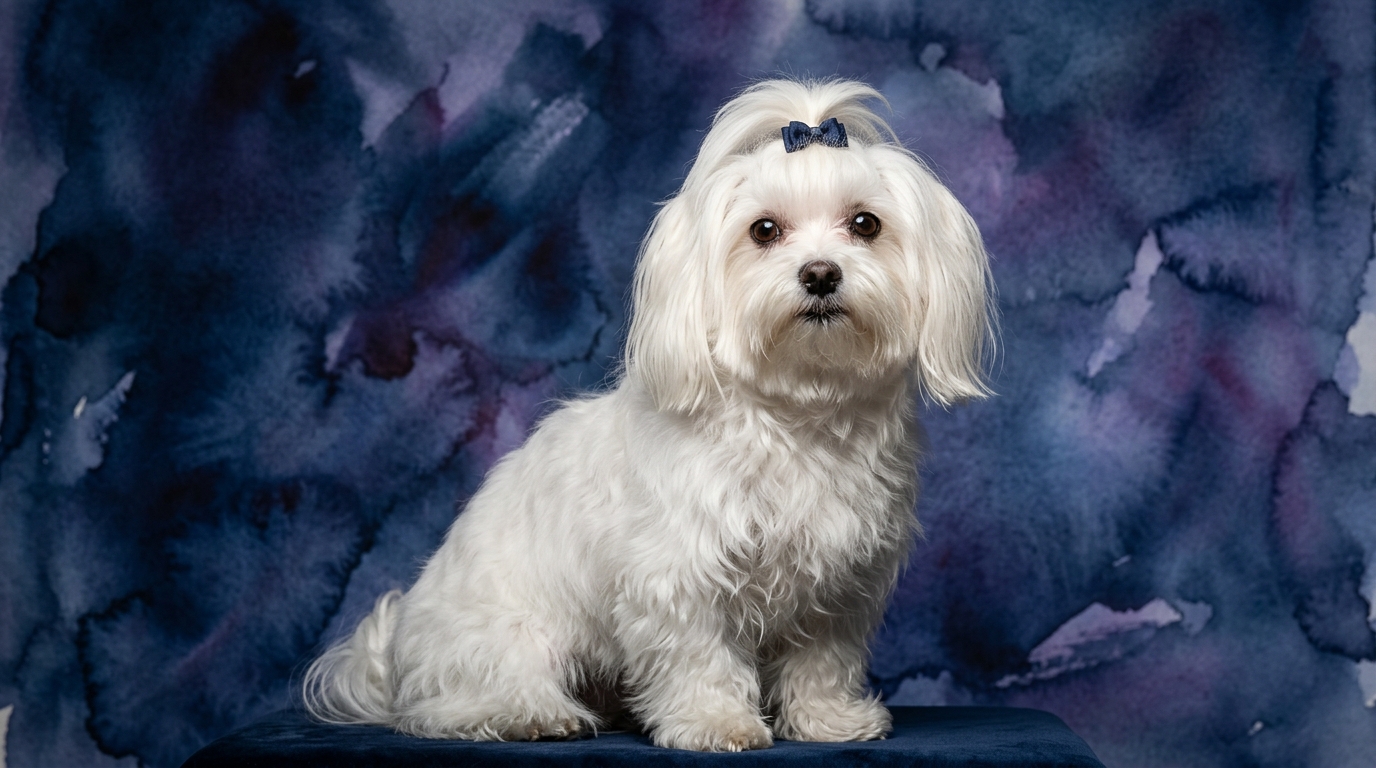
Ranked #59 by Coren, the Maltese displays a balanced cognitive profile with a notable strength in social interaction. Our IQ Lab data indicates a 3/5 for problem-solving, suggesting they can navigate moderate challenges but aren't typically driven to complex puzzles. Their training speed is also rated 3/5, implying a reasonable pace for learning new commands. Where the Maltese truly shines is in social intelligence, scoring an impressive 5/5, reflecting their profound ability to understand and respond to human emotions and cues. Instinctive drive is lower at 2/5, as their primary role has been companionship rather than work, and their memory stands at 3/5, sufficient for daily routines and learned behaviors.
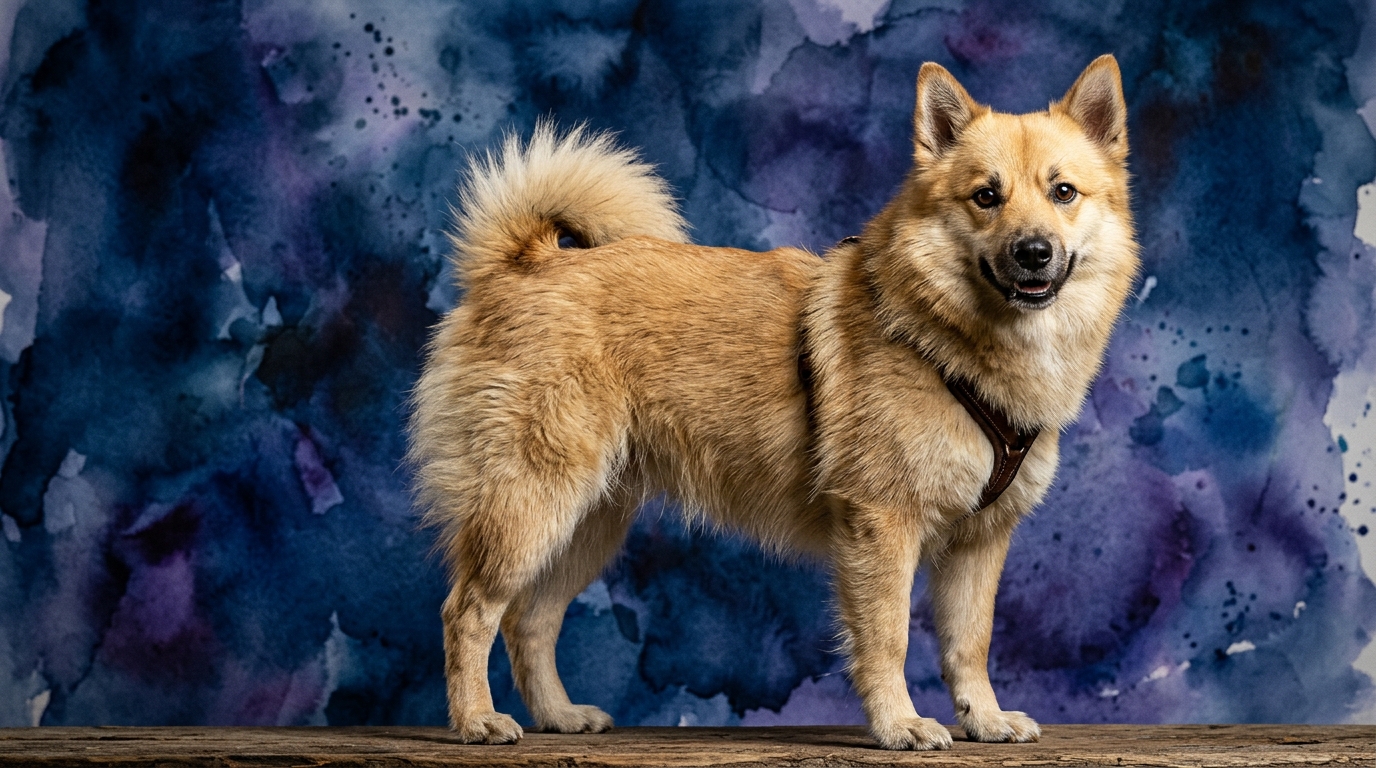
While not included in Coren's traditional rankings, the Norwegian Buhund presents a practical and well-rounded cognitive toolkit suited for its historical herding duties. They score a 3/5 in problem-solving, indicating a capacity for independent thought in practical scenarios. Their training speed is also 3/5, suggesting they learn at a moderate pace, often requiring consistent, engaging methods. Social intelligence is rated 3/5, meaning they are responsive to humans but perhaps less overtly emotionally attuned than some companion breeds. A balanced instinctive drive of 3/5 reflects their history of working and a memory score of 3/5 supports their ability to retain complex tasks.
Where the Maltese Excels Cognitively
The Maltese's standout cognitive advantage lies squarely in its exceptional social intelligence, rated 5/5 at The Cosmic Pet Pet IQ Lab. This isn't just about being friendly; it signifies a deep, intuitive grasp of human emotional states and social dynamics. A Maltese is remarkably adept at reading subtle cues, understanding intentions, and tailoring their behavior to elicit specific human responses, making them masters of companionship. This high social acumen means they often anticipate needs, offer comfort, or even "train" their owners with charming persistence, creating an extraordinarily tight bond built on mutual understanding. Their ability to connect on this profound emotional level often makes them feel like they're "thinking with" their humans, rather than just "thinking for" themselves.
Where the Norwegian Buhund Holds Cognitive Advantages
The Norwegian Buhund's cognitive strengths are rooted in a more balanced and practical set of abilities, particularly their consistent instinctive drive and robust overall scores. While the Maltese excels in one specific area, the Buhund demonstrates a reliable 3/5 across problem-solving, training speed, social intelligence, instinctive drive, and memory. This consistency means they are less likely to have significant cognitive "blind spots." Their 3/5 instinctive drive, for instance, translates into a natural inclination for purposeful activity, whether it's herding, agility, or engaging in structured play. This drive, combined with solid problem-solving skills, allows them to navigate tasks with a sensible, independent approach, often making logical decisions based on their environment and objectives, rather than solely relying on human direction.
Which Breed is Easier to Train and Why
Determining which breed is "easier" to train isn't a simple matter of raw scores, as both the Maltese and Norwegian Buhund share a 3/5 rating for training speed. However, their distinct social and instinctive profiles introduce different training dynamics. The Maltese, with its 5/5 social intelligence, often thrives on positive reinforcement and the desire to please its human. They are highly attuned to their owner's reactions and can quickly learn what behaviors earn praise and affection, making them generally responsive to gentle, reward-based methods. Their lower instinctive drive (2/5) means they are less likely to be distracted by strong prey drives or independent herding impulses, simplifying focus during training sessions.
Conversely, the Norwegian Buhund's 3/5 social intelligence and 3/5 instinctive drive mean that while they are willing learners, they often require more engaging and purposeful training. Their herding background imbues them with a desire for a "job" and a degree of independent thought. They might question repetitive drills or seek to solve problems their own way if the training isn't stimulating enough. Effective Buhund training often leverages their natural drive, incorporating activities like herding games, agility, or advanced obedience that challenge both their bodies and minds, making the process a partnership rather than a simple command-response exercise. Consistency and clear, fair leadership are key for the Buhund, whereas the Maltese might respond more readily to a purely affectionate approach.
Suiting Active vs. Relaxed Owners
The cognitive profiles of the Maltese and Norwegian Buhund clearly delineate their suitability for different owner lifestyles. The Maltese, with its lower instinctive drive (2/5) and supreme social intelligence (5/5), is an ideal companion for more relaxed owners who prioritize intimate interaction and cuddles over strenuous physical activity. Their cognitive strengths are geared towards being present, observant, and emotionally supportive, making them content with moderate indoor play, short walks, and extensive lap time. Their cognitive needs are largely met through consistent social engagement, gentle mental stimulation like puzzle toys, and being an integral part of family life. They thrive on close proximity and emotional connection, making them less demanding in terms of requiring complex, independent tasks.
The Norwegian Buhund, on the other hand, with its balanced instinctive drive (3/5) and moderate problem-solving abilities (3/5), is better suited for active owners who can provide consistent outlets for both physical and mental energy. These dogs possess a working heritage that translates into a need for purposeful activity beyond just casual walks. Their cognitive satisfaction comes from engaging in tasks that require them to think, plan, and move. Activities like hiking, agility, obedience trials, or even "urban herding" games can tap into their natural inclinations. Owners who enjoy training and participating in dog sports will find the Buhund a willing and capable partner, as their cognitive makeup thrives on challenges and a sense of purpose. A Buhund that isn't sufficiently engaged might invent its own "jobs," which could manifest as unwanted behaviors.
The Verdict
Select the Maltese if you seek a deeply emotionally attuned companion who excels in social interaction and thrives on gentle engagement, making them perfect for owners desiring a devoted, less physically demanding presence.
Opt for the Norwegian Buhund if you are an active owner looking for a balanced, purposeful partner eager to engage in mental and physical challenges, appreciating a dog with a robust working heritage.
🧠 Find Your Pet's IQ Score
Our Pet IQ Lab assessment covers 25+ tests across 5 cognitive dimensions — personalized to your breed.
Take the Full IQ Test →Frequently Asked Questions
Does the Maltese's high social intelligence make them easier to train than the Buhund?
While both breeds have a 3/5 training speed, the Maltese's 5/5 social intelligence can make them highly responsive to positive reinforcement and eager to please, often appearing easier to train in a companion setting due to their strong desire for human connection. The Buhund, though trainable, may require more structured, engaging, and purposeful methods.
How does instinctive drive impact the daily life of each breed?
The Maltese's 2/5 instinctive drive means they are generally content with a less task-oriented existence, preferring companionship. The Norwegian Buhund's 3/5 instinctive drive, stemming from its herding background, means they benefit greatly from regular, purposeful activities that engage their minds and bodies, preventing boredom or unwanted self-appointed "jobs."
Given their problem-solving scores, can both breeds participate in dog sports?
Yes, both breeds can participate in dog sports, though their aptitudes differ. The Maltese (3/5 problem-solving) might excel in sports like obedience or rally where social engagement and precision are key. The Norwegian Buhund (3/5 problem-solving) is often a strong contender in agility, herding trials, or flyball, where their balanced drive and independent thinking are assets.