Side-by-Side IQ Profile: Maltese vs. Otterhound
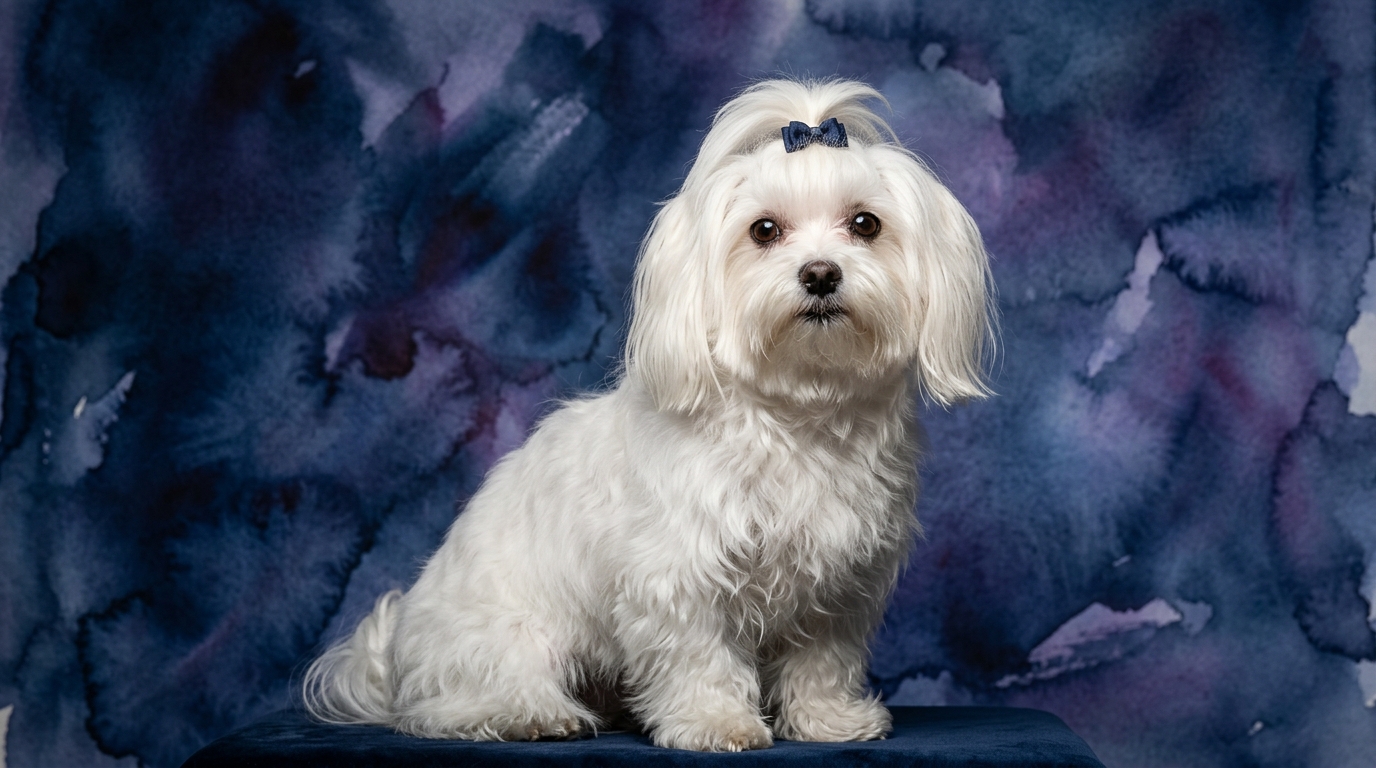
The Maltese, a member of the Toy group, holds a Coren rank of #59, indicating a respectable capacity for obedience training and working intelligence. Their problem-solving ability is rated 3/5, suggesting they can navigate moderately complex scenarios, often utilizing their understanding of human behavior to achieve desired outcomes. Training speed is also 3/5, meaning they grasp new commands and routines at an average pace, benefiting from consistent, positive reinforcement. Where the Maltese truly shines is in social intelligence, scoring an impressive 5/5. This reflects an exceptional capacity to understand human emotions, intentions, and social cues, making them highly attuned companions. Their instinctive drive is low at 2/5, as their historical role focused on companionship rather than independent tasks. Memory is rated 3/5, indicating they retain learned information and experiences adequately over time.
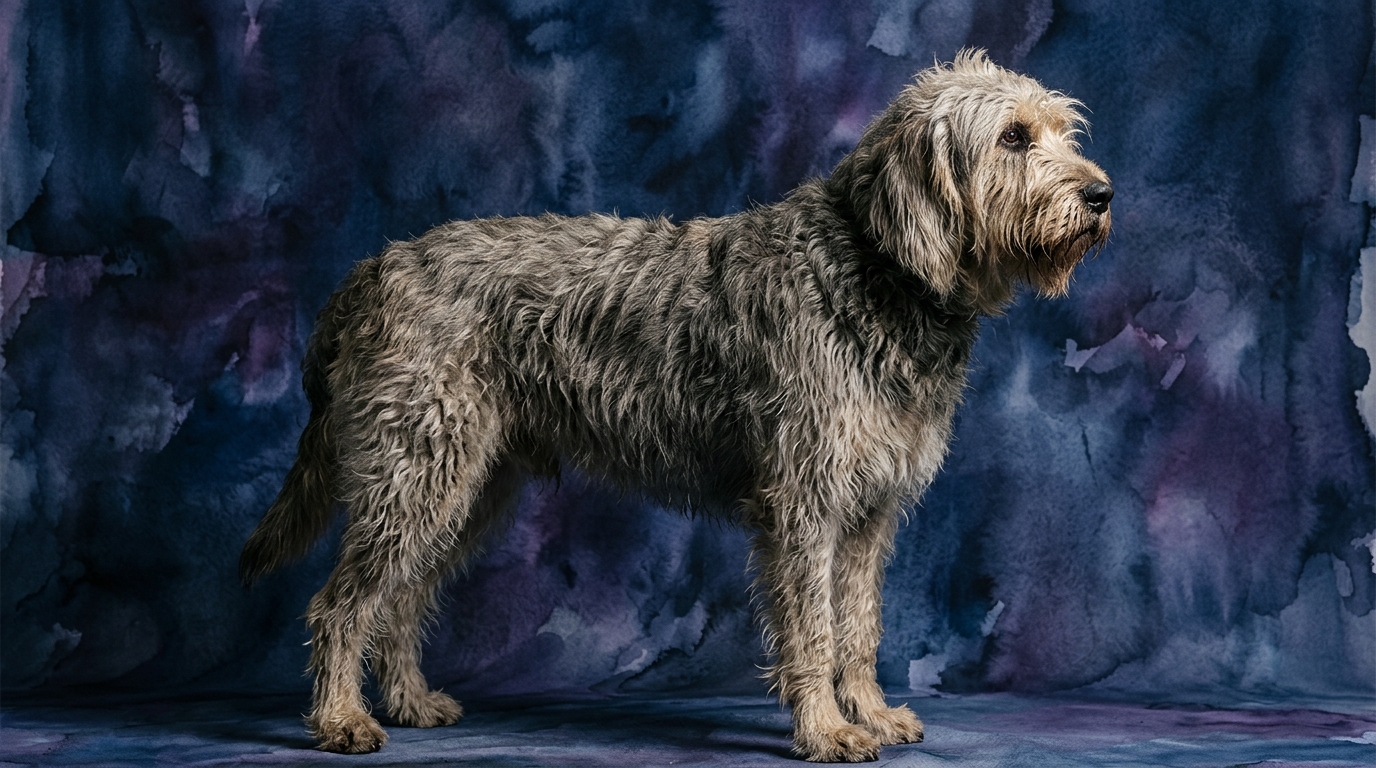
As a robust Hound, the Otterhound is not included in Coren's rankings, a common characteristic for breeds whose primary intelligence lies outside traditional obedience and working tasks. Across the board, the Otterhound consistently scores 3/5 in problem-solving, training speed, social intelligence, instinctive drive, and memory. This balanced profile suggests a capable, if not overtly brilliant, cognitive makeup. Their problem-solving at 3/5 means they can figure out solutions to challenges, often through persistence and their keen scenting abilities. A 3/5 training speed implies they learn at a steady rate, but their independent nature as a scent hound might require more patience and motivation. Social intelligence at 3/5 indicates they connect with humans adequately but may not possess the same intuitive grasp of human social nuances as some companion breeds. Their instinctive drive, also 3/5, points to a moderate but persistent desire to engage in breed-typical behaviors, particularly tracking. Memory at 3/5 ensures they remember commands, routes, and experiences reliably.
Where the Maltese Wins Cognitively
The Maltese’s cognitive strengths are most apparent in their exceptional social intelligence, rated 5/5. This breed possesses an innate ability to read and respond to human emotions and intentions with remarkable precision. They excel at deciphering subtle cues, understanding changes in tone, and anticipating human actions, making them extraordinarily empathetic and responsive companions. This high social acumen allows them to form deep, intuitive bonds, often seeming to understand their owner's mood without a word. Their cognitive architecture is geared towards fostering close relationships, influencing their problem-solving to often involve human interaction, such as figuring out how to get attention or elicit a desired response from their people.
Where the Otterhound Wins Cognitively
The Otterhound's cognitive prowess lies in its well-developed instinctive drive, scoring 3/5, which is particularly channeled into its scenting abilities. While their score is moderate, it represents a deep-seated, persistent focus on tracking that can overshadow other cognitive dimensions. Their problem-solving, rated 3/5, often manifests as tenacious pursuit of a scent, demonstrating a cognitive endurance and focus that is distinct from a companion breed's approach. This drive also underpins their independent decision-making, allowing them to navigate complex outdoor environments and follow a trail with minimal human direction. Their cognitive strength is in their ability to process vast amounts of olfactory information and maintain a singular focus on a task, a trait honed over generations of hunting.
Which is Easier to Train and Why
When considering ease of training, the Maltese, despite a similar 3/5 training speed rating to the Otterhound, often presents as more amenable due to its superior social intelligence (5/5). A Maltese's keen ability to understand human cues and a strong desire to please, stemming from its companion role, means it is typically more motivated by positive human interaction and praise. They are generally eager to engage in cooperative learning and respond well to reward-based methods because the reward often includes valuable social feedback.
In contrast, the Otterhound's 3/5 social intelligence and moderate instinctive drive (3/5) mean their independent nature and strong focus on scent can make them more challenging. While they are capable learners, their motivation might be more internal, driven by their natural curiosity or the satisfaction of a task, rather than solely human approval. Their tendency to follow a compelling scent can override learned commands, requiring more consistent, patient, and engaging training that competes effectively with their olfactory world.
Which Suits Active Owners vs. Relaxed Owners
The Maltese, with its lower instinctive drive (2/5) and profound social intelligence (5/5), is an ideal match for more relaxed owners who prioritize companionship and indoor activities. While they enjoy short walks and playful engagement, their cognitive needs are largely met through interactive play, puzzle toys, and extensive social interaction with their family. Their contentment is deeply tied to their human connections, making them adaptable to quieter lifestyles where they can be central to the home environment.
Conversely, the Otterhound, with its moderate instinctive drive (3/5) and balanced cognitive scores, is better suited for active owners. This breed requires regular, stimulating exercise that engages both body and mind, ideally including opportunities for scent work or long walks where they can explore with their nose. Owners who enjoy outdoor adventures, are patient with an independent streak, and can provide consistent mental and physical challenges will find the Otterhound a rewarding, albeit more demanding, companion.
The Verdict
Choose the Maltese if you seek a deeply empathetic, highly responsive companion whose cognitive strengths lie in social connection and intuitive understanding of human emotions, thriving in a home centered on close interaction.
Opt for the Otterhound if you are an active individual or family prepared to engage a persistent, scent-driven companion whose intelligence manifests through tenacity and independent exploration, valuing a dog with a robust, working heritage.
🧠 Find Your Pet's IQ Score
Our Pet IQ Lab assessment covers 25+ tests across 5 cognitive dimensions — personalized to your breed.
Take the Full IQ Test →Frequently Asked Questions
Why isn't the Otterhound included in Coren's rankings, and what does that imply about its intelligence?
Stanley Coren's rankings primarily assess "working and obedience intelligence," focusing on how quickly dogs learn and obey commands. The Otterhound, like many hounds, excels in its specialized instinctive intelligence (scent work), which isn't the primary metric for Coren's scale, implying a different type of intelligence rather than a deficit.
Does a dog's size, like the Maltese being small and Otterhound large, correlate with its overall intelligence?
A dog's size does not directly correlate with its overall intelligence. Cognitive abilities are breed-specific and tied to historical roles and selective breeding rather than physical stature alone. Both small and large breeds exhibit a wide range of cognitive strengths depending on their purpose.
Is social intelligence more crucial for a pet than problem-solving or training speed?
The importance of social intelligence versus problem-solving or training speed depends entirely on the owner's lifestyle and expectations. For a companion animal, high social intelligence fosters deep bonds and intuitive understanding, while for working or performance dogs, problem-solving and training speed might be more critical for task execution.