
Side-by-Side Cognitive Profiles
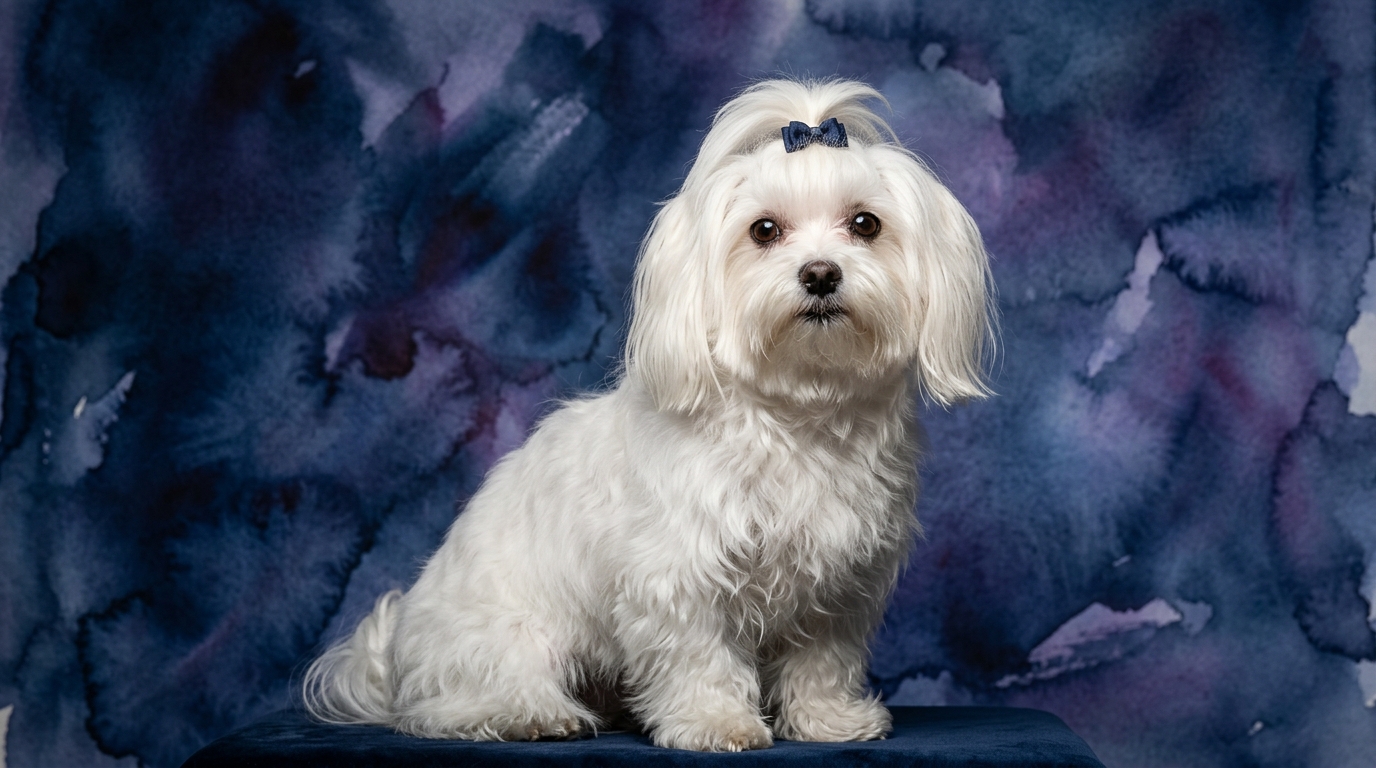
The Cosmic Pet Pet IQ Lab employs a five-dimensional framework to assess canine cognitive abilities, providing a nuanced understanding beyond simple ranking. For the Maltese, a Toy breed, their profile is: Problem Solving 3/5, Training Speed 3/5, Social Intelligence 5/5, Instinctive Drive 2/5, and Memory 3/5. This suggests a dog with moderate capacity for novel challenges and learning speed, but exceptional social acumen and a relatively low pull from primal urges.
In contrast, the Plott Hound, a member of the Hound group without a Coren rank, presents a more uniformly balanced profile: Problem Solving 3/5, Training Speed 3/5, Social Intelligence 3/5, Instinctive Drive 3/5, and Memory 3/5. This indicates a dog with solid, consistent abilities across all cognitive domains, reflecting a breed developed for sustained, independent work rather than close human companionship in the same vein as the Maltese.
Where the Maltese Excels Cognitively
The Maltese's standout cognitive strength lies in their extraordinary Social Intelligence, scoring a perfect 5/5. This proficiency means they possess an exceptional capacity to read human emotions, interpret subtle cues, and adapt their behavior to fit social contexts. They are highly attuned to their human companions, often anticipating needs and reciprocating affection in ways that appear deeply empathetic. This acute social awareness fosters incredibly strong bonds and makes them adept at navigating complex household dynamics, often becoming the emotional barometer of a family.
Furthermore, their low Instinctive Drive (2/5) is a significant cognitive advantage within a domestic setting. Unlike breeds with strong hunting or herding urges, the Maltese is less prone to being distracted by environmental stimuli like scents or moving objects that trigger primal instincts. This lower drive contributes to their calm demeanor indoors and their preference for close human interaction over independent exploration or pursuit, making them exceptionally focused on their people and less likely to be driven by external, primal impulses.
Where the Plott Hound Excels Cognitively
The Plott Hound's cognitive strengths are rooted in their heritage as a working scent hound, reflected in their balanced scores across the board, particularly their 3/5 in Instinctive Drive. While not as high as some dedicated working breeds, this moderate drive signifies a persistent and focused pursuit of tasks related to their natural abilities, such as tracking. Their olfactory processing and sustained mental focus on a scent trail represent a sophisticated cognitive function, requiring selective attention, memory for complex paths, and problem-solving to overcome obstacles in pursuit of a goal. This drive is not merely physical; it's a cognitive engagement with their environment through scent.
Their consistent 3/5 across Problem Solving, Training Speed, and Memory suggests a robust and capable mind, well-suited for practical, real-world challenges. While not exhibiting the same social finesse as the Maltese, the Plott Hound's cognitive profile indicates a dog that can independently assess situations, learn tasks through repetition, and retain information relevant to their purpose. Their ability to maintain focus on a distant scent, even with distractions, showcases a distinct type of problem-solving and memory recall specifically adapted for their working role, distinguishing their cognitive aptitude from the Maltese's socially-oriented intelligence.
Training Aptitude: Maltese vs. Plott Hound
Both the Maltese and Plott Hound share a Training Speed score of 3/5, implying a moderate pace of learning new commands. However, the *ease* of training can differ significantly due to their other cognitive dimensions. The Maltese's exceptional Social Intelligence (5/5) means they are typically highly motivated by human approval and interaction. Their strong desire to please and their attentiveness to their owner's mood can make them very receptive to positive reinforcement, often appearing to 'pick up' on what's expected quickly because they are so tuned into their human companion's cues. Their lower Instinctive Drive also means fewer internal distractions competing with their focus on the trainer, leading to more consistent performance in obedience settings.
The Plott Hound, with its 3/5 Social Intelligence and 3/5 Instinctive Drive, presents a different training dynamic. While capable of learning, their moderate social drive means they might not be as inherently motivated by human approval alone. Their instinctive drive, particularly their powerful scenting ability, can be a significant 'distraction' in training. A Plott Hound might be perfectly capable of understanding a command but choose to follow a compelling scent instead, requiring trainers to be more creative, patient, and consistent. Training a Plott often involves harnessing their natural drives and making training feel like a 'game' or 'job' rather than relying solely on their desire to please, which is a less dominant trait compared to the Maltese.
Matching Breeds to Lifestyles: Active vs. Relaxed Owners
For owners seeking a more relaxed, companion-focused lifestyle, the Maltese is often an ideal fit. Their low Instinctive Drive (2/5) means they don't possess an overwhelming urge for strenuous physical activity or independent exploration. While they enjoy walks and playtime, their primary requirement is consistent social interaction and companionship. Their high Social Intelligence makes them thrive in environments where they are an integral part of family life, content with indoor activities and close proximity to their humans. They are well-suited for apartment living or homes with smaller yards, as long as their need for social engagement is met.
Conversely, the Plott Hound is better suited for active owners who can provide substantial physical and mental stimulation. Their 3/5 Instinctive Drive, particularly their scenting drive, necessitates regular opportunities for engaging their nose and body. This means long walks, hikes, or activities like scent work or tracking are crucial for their well-being. A Plott Hound thrives in environments where they have a 'job' or a consistent outlet for their energy and cognitive drive. Owners who enjoy outdoor activities and can commit to structured exercise and mental challenges will find the Plott Hound a rewarding, robust companion, whereas a more sedentary lifestyle could lead to frustration and undesirable behaviors in this working breed.
The Verdict: When to Choose Each Breed
The Verdict
Choose the Maltese if you prioritize a highly socially intelligent companion who thrives on close human interaction and has a low intrinsic drive for independent activity, fitting seamlessly into a relaxed home environment.
Opt for the Plott Hound if you're an active owner seeking a robust, capable dog with a balanced cognitive profile and a moderate instinctive drive, well-suited for outdoor adventures and engaging activities that challenge both mind and body.
🧠 Find Your Pet's IQ Score
Our Pet IQ Lab assessment covers 25+ tests across 5 cognitive dimensions — personalized to your breed.
Take the Full IQ Test →Frequently Asked Questions
Does the Maltese's high social intelligence make them clingy?
While their 5/5 Social Intelligence means they form deep bonds and prefer companionship, 'clingy' depends on individual training and socialization. A well-adjusted Maltese can be independent for reasonable periods, but they do require significant human interaction to thrive emotionally.
Can a Plott Hound live in an apartment?
A Plott Hound can potentially adapt to apartment living if their significant exercise requirements and mental stimulation needs are met daily. Their moderate Instinctive Drive demands consistent physical activity and opportunities to engage their powerful nose, making outdoor access and dedicated activity time crucial.
Are Maltese dogs difficult to housetrain due to their size?
The Maltese's 3/5 Training Speed and moderate memory mean they are capable of being housetrained effectively. Any perceived difficulty is often more related to their small bladder size requiring more frequent outings and consistent, early training methods rather than a cognitive limitation.