Side-by-Side Cognitive Profiles: Maltese vs. Schipperke
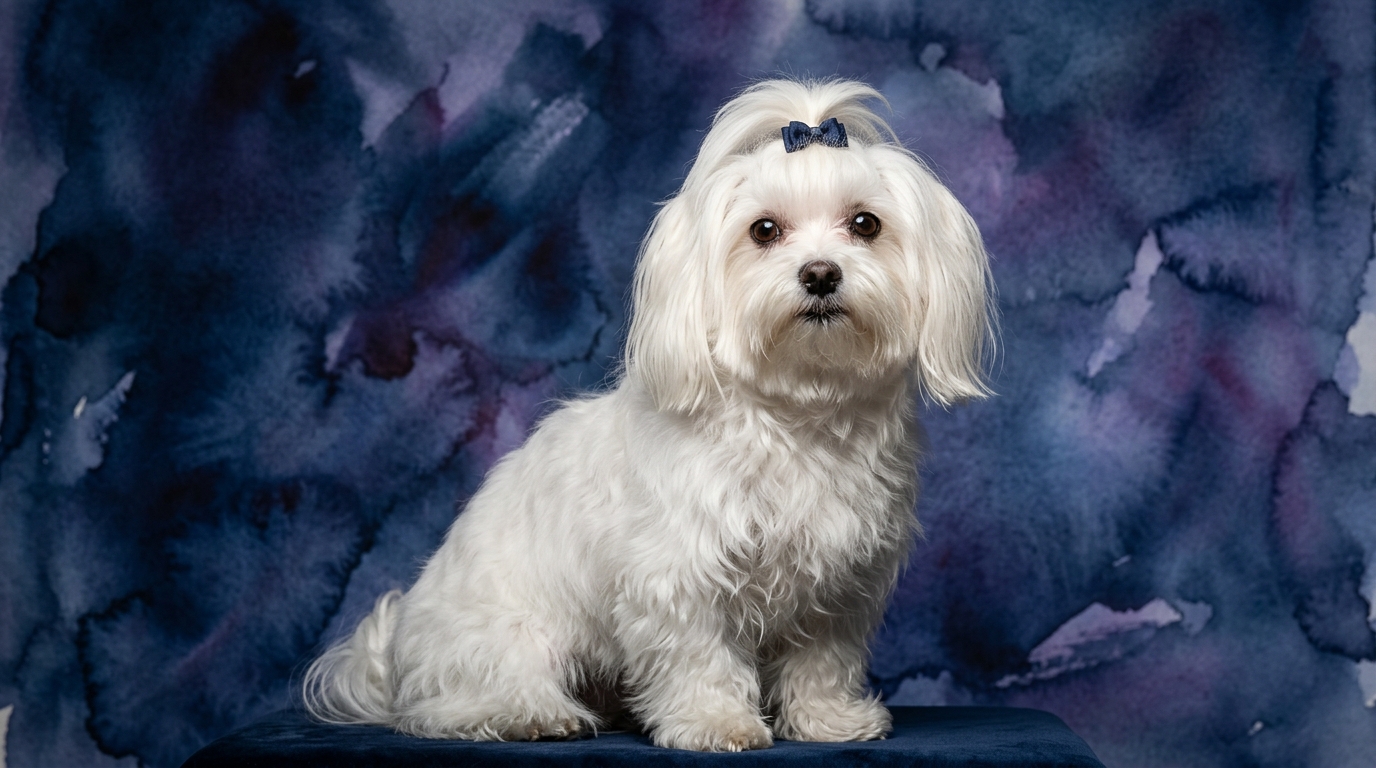
The Maltese, ranking #59 in Coren's Canine Intelligence, presents a cognitive profile strong in emotional connection. Their Problem Solving is rated 3/5, indicating an ability to navigate simple puzzles but potentially struggling with more complex, multi-step challenges. Training Speed for the Maltese sits at 3/5, suggesting they learn at a moderate pace, requiring consistent reinforcement to solidify behaviors. A standout trait is their Social Intelligence, rated 5/5, showcasing exceptional aptitude for reading human cues and adapting their behavior within a family unit. Their Instinctive Drive is lower at 2/5, reflecting a primary role as companions rather than working dogs, and their Memory is a moderate 3/5, retaining routines and social interactions reasonably well.
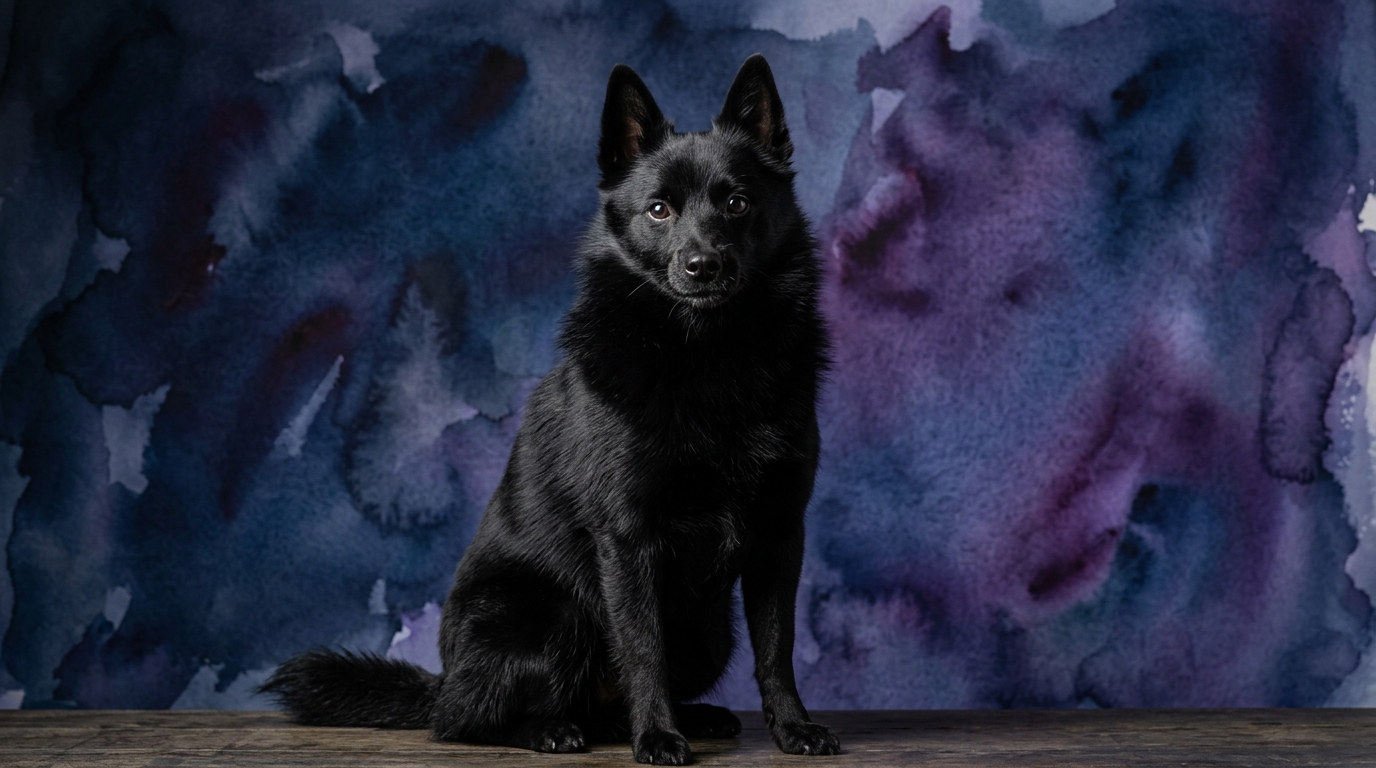
In stark contrast, the Schipperke, at Coren's #15 rank, exhibits a more task-oriented cognitive makeup. Their Problem Solving is rated 5/5, highlighting a keen ability to analyze situations and devise effective solutions, often with creative flair. Training Speed is also 5/5, meaning they grasp new commands rapidly, often with minimal repetitions. Their Social Intelligence is 3/5; while they form strong bonds, it's more focused on their immediate family than broad emotional attunement. Instinctive Drive is 3/5, reflecting their historical role as vigilant barge dogs with a notable drive for observation and pest control. Finally, their Memory is an impressive 5/5, allowing for exceptional recall of learned information over time.
Where the Maltese Demonstrates Cognitive Strengths
The Maltese particularly excels in social intelligence, a cognitive domain often underestimated in traditional intelligence metrics. They are masters of reading human emotions, understanding subtle body language, and adapting their behavior to maintain harmony within their family unit. This superior social acumen allows them to form incredibly deep, intuitive bonds, often anticipating their owner's needs or moods without explicit commands. Their cognitive strength lies in emotional attunement and fostering intricate interspecies relationships, making them profoundly responsive companions who thrive on empathetic connection.
Where the Schipperke Demonstrates Cognitive Strengths
The Schipperke's cognitive strengths are predominantly evident in their problem-solving ability, training speed, and memory. They exhibit a formidable capacity for independent thought and strategic thinking, quickly assessing new situations and formulating effective solutions, whether it's figuring out a complex puzzle toy or navigating an unfamiliar environment. Their rapid acquisition of new behaviors and commands, coupled with excellent long-term retention, positions them as highly capable students eager to engage in mental challenges and learn intricate sequences. This breed approaches learning with a focused intensity, absorbing and applying information with remarkable efficiency.
Training Aptitude: Which Breed Learns More Readily?
The Schipperke is generally easier to train due to its exceptional training speed and memory. They grasp new concepts quickly, often needing only a handful of repetitions to understand a command, and they retain that knowledge reliably over time. This efficiency stems from a combination of their sharp intellect and a natural eagerness to engage in structured learning activities, often viewing training as an engaging mental exercise. Their independent nature means they respond well to clear, consistent guidance, thriving on the challenge of mastering tasks.
In contrast, the Maltese, with its moderate training speed and memory, requires more consistent repetition and a patient, positive approach. While they are certainly trainable, their learning curve is gentler, and they might prefer to learn through social interaction and routine rather than through rigorous formal sessions. A Maltese might learn to 'stay' but might be more inclined to break it if it means being closer to their person, demonstrating their social priorities over strict obedience. Their motivation often comes from pleasing their human companions, making relationship-based training particularly effective.
Suitability for Active vs. Relaxed Owners
The Schipperke is better suited for active owners who relish mental engagement and structured activities. Their robust problem-solving skills and desire for purpose mean they thrive with consistent training, puzzle toys, and opportunities to explore or engage in dog sports like agility. They benefit from owners who can channel their alert and curious nature into stimulating routines, preventing boredom and potential mischief. Relaxed owners, or those seeking a more passive companion, might find the Schipperke's independent and observant nature requires more proactive management than anticipated, as their intelligence demands an outlet.
The Maltese, conversely, is an ideal fit for relaxed owners who prioritize companionship and gentle interaction. Their high social intelligence means they are most content when physically close to their family, enjoying quiet cuddles and short, leisurely strolls. While they appreciate gentle play, their lower instinctive drive and energy levels make them perfectly happy to spend much of their day observing the world from a comfortable lap, making them excellent companions for those seeking a tranquil presence and deep emotional connection without constant demands for activity.
The Verdict
Choose the Maltese if your priority is a deeply attuned, emotionally responsive companion who thrives on close social connection and a gentle, relaxed home environment.
Opt for the Schipperke if you seek a sharp, independent thinker eager for mental challenges, formal training, and an active lifestyle that engages their keen problem-solving abilities.
🧠 Find Your Pet's IQ Score
Our Pet IQ Lab assessment covers 25+ tests across 5 cognitive dimensions — personalized to your breed.
Take the Full IQ Test →Frequently Asked Questions
Does the Maltese's high social intelligence make them clingy?
While Maltese form incredibly strong bonds, their high social intelligence means they are adept at reading cues. They might be prone to separation anxiety if not properly socialized and given independent time, but their deep connection is more about attunement and emotional responsiveness than simple clinginess. Consistent training from an early age can foster healthy independence within their strong bond.
Are Schipperkes good for first-time dog owners?
Schipperkes can be a good fit for first-time owners who are committed to consistent training and mental stimulation. Their intelligence and independent nature mean they require an owner who understands the importance of clear boundaries and engaging their sharp minds. A proactive approach to training and socialization will yield a well-adjusted companion.
How do their grooming needs compare, given their intelligence profiles?
Grooming needs are largely independent of intelligence. The Maltese requires daily brushing to prevent matting of their long, silky coat, often needing professional grooming. The Schipperke has a double coat that needs regular brushing, especially during shedding seasons, but is less prone to tangles and generally lower maintenance than the Maltese.