Side-by-Side IQ Profile: Maltese
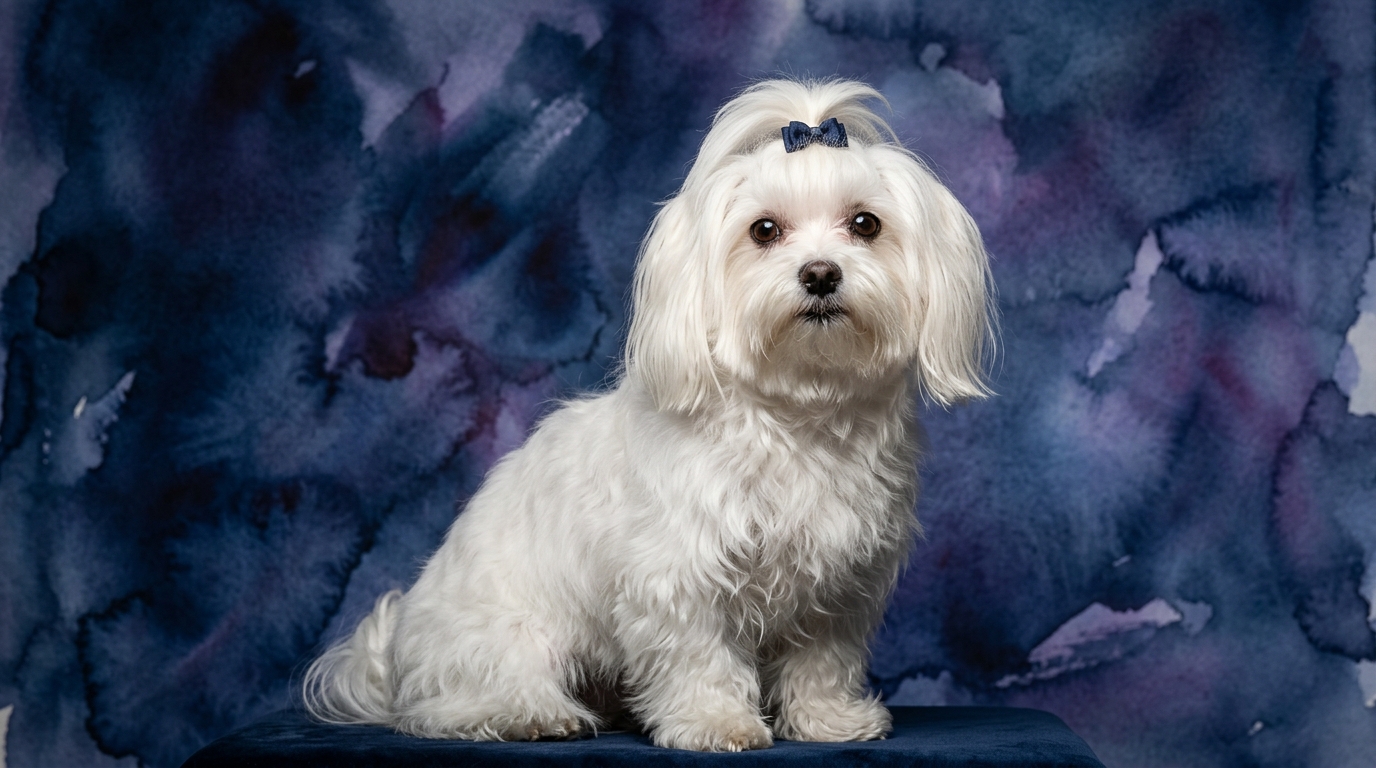
The Maltese, a cherished Toy breed, presents a cognitive profile distinguished by its exceptional social acuity. Their Problem Solving ability is rated at 3/5, indicating an average capacity to navigate novel situations or figure out simple puzzles, though complex challenges might require more human guidance. Their Training Speed also stands at 3/5, meaning they acquire new commands at a moderate pace, benefiting significantly from patient, consistent reinforcement. A standout trait is their Social Intelligence, scoring a perfect 5/5, which signifies an extraordinary aptitude for understanding human cues, forming deep attachments, and adapting behavior within social contexts, making them highly responsive companions. Their Instinctive Drive is relatively subdued at 2/5, meaning innate behaviors like hunting or guarding are less pronounced compared to breeds developed for specific working roles. Finally, their Memory is rated 3/5, reflecting an average ability to retain learned commands and experiences over time, with consistent practice aiding long-term recall. In Coren's ranking for Working and Obedience Intelligence, the Maltese holds the #59 position, suggesting a fair capacity for command comprehension and execution with moderate repetition.
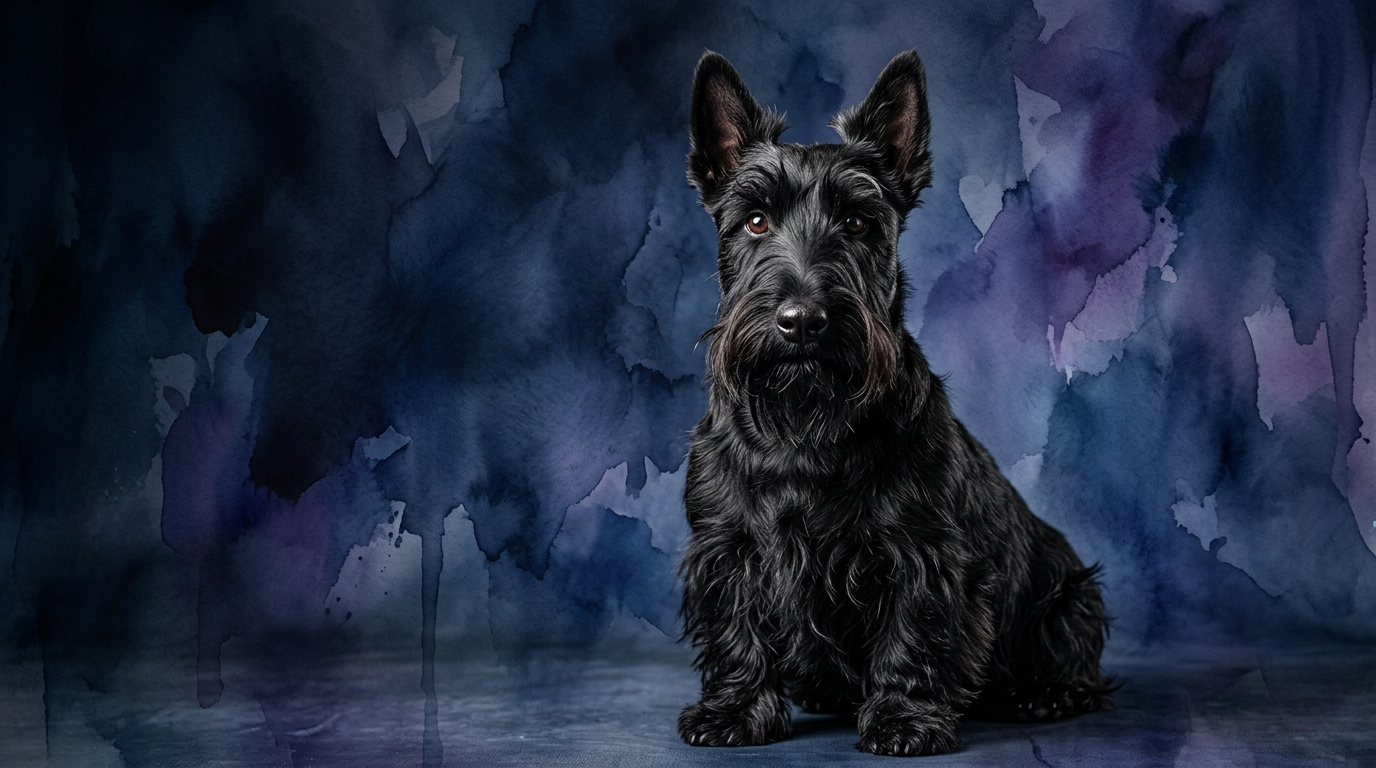
The Scottish Terrier, a robust Terrier breed, exhibits a cognitive makeup rooted in its tenacious heritage. Their Problem Solving capacity is 3/5, similar to the Maltese, indicating they can independently work through straightforward challenges but might approach intricate tasks with a degree of persistence rather than purely analytical effort. Their Training Speed is also 3/5; Scottish Terriers can grasp new concepts, but their independent nature often necessitates engaging methods and clear motivation during training. Their Social Intelligence is rated 3/5, meaning they form strong bonds with their primary caretakers but tend to be more reserved with strangers and less overtly attuned to subtle human emotional shifts than more socially driven breeds. A notable aspect is their Instinctive Drive, rated 3/5, which stems from their historical role as small prey hunters. This manifests as a keen interest in chasing, digging, and exploring, driven by their natural predatory instincts. Their Memory capabilities are 3/5, allowing them to remember learned behaviors and routines, though their self-reliant streak might sometimes be mistaken for selective recall rather than genuine forgetfulness. Ranked #65 in Coren's Working and Obedience Intelligence, the Scottish Terrier learns commands with reasonable effort but often requires more compelling motivation due to their self-reliant character.
Where the Maltese Wins Cognitively
The Maltese's undeniable cognitive advantage lies in its exceptional social intelligence, scoring a perfect 5/5. This remarkable aptitude means they possess an extraordinary capacity for decoding human communication, whether it's subtle body language, vocal inflections, or changes in routine. This high social attunement allows them to form extraordinarily deep bonds with their human companions, often anticipating needs or reacting sensitively to emotional states. Their ability to connect on such a profound level contributes to their reputation as highly responsive and empathetic companions, frequently mirroring the mood of their household. This cognitive strength makes them particularly adept at roles requiring close human interaction and emotional support, thriving in environments where they are integral members of the family unit and their social observations are key to their daily interactions.
Furthermore, their lower instinctive drive (2/5) compared to the Scottish Terrier's 3/5 means the Maltese is generally less distracted by environmental stimuli related to hunting or exploring. This allows them to focus more intently on human-directed activities and social interactions without the strong pull of chasing small critters or digging. While they share similar scores in problem-solving, training speed, and memory, the Maltese's superior social intelligence provides a distinct advantage in environments where human-dog communication and connection are paramount, making them exceptionally attuned to their family's dynamics and expectations.
Where the Scottish Terrier Wins Cognitively
The Scottish Terrier's cognitive strengths are evident in its more pronounced instinctive drive, rated at 3/5 compared to the Maltese's 2/5. This higher drive stems directly from their historical role as tenacious vermin hunters, endowing them with a persistent and focused approach when pursuing their interests. This manifests as a robust determination to investigate smells, dig, and chase, making them particularly adept at tasks requiring independent exploration and sustained effort, even in the absence of direct human command. While this drive can present training challenges, it also signifies a cognitive resilience and self-reliance, allowing them to engage with their environment in a more proactive, self-directed manner.
Their moderate social intelligence (3/5) ensures they form strong bonds with their family, but it’s often tempered by their independent spirit. This combination means they can process information and make decisions based on their own assessment of a situation, rather than solely relying on human cues. While their problem-solving, training speed, and memory scores are on par with the Maltese, the Scottish Terrier's elevated instinctive drive and self-sufficient cognitive processing make them particularly suited for environments where they can engage their natural curiosity and determination. They are less prone to anxiety when left alone for reasonable periods, as their internal drives provide ample mental stimulation, unlike breeds that rely heavily on constant social interaction for contentment.
Which is Easier to Train and Why
When assessing ease of training, the Maltese holds a slight edge, primarily due to its exceptional social intelligence (5/5). While both breeds share an average training speed (3/5) and Coren ranks (Maltese #59, Scottie #65) that suggest moderate effort is required, the Maltese's profound attunement to human social cues makes them inherently more motivated to please their people. Their desire for connection means they are often more receptive to positive reinforcement and respond keenly to praise and affectionate gestures, viewing training as an extension of their social bond.
Conversely, the Scottish Terrier, with its moderate social intelligence (3/5) and stronger instinctive drive (3/5), approaches training with a more independent mindset. While they are certainly capable of learning new commands at an average pace, their self-reliant nature means they often require more compelling reasons or higher-value rewards to comply. Their instincts to explore or chase can easily override a handler's command if not managed with consistent, engaging, and varied training techniques. They might interpret repetitive drills as tedious and their innate stubbornness can emerge if they don't perceive a clear benefit or if the training isn't stimulating enough. Therefore, while both breeds require patience, the Maltese's natural inclination towards social cooperation often makes the training journey feel more fluid and less like a battle of wills.
Which Suits Active Owners vs. Relaxed Owners
For relaxed owners seeking a devoted companion whose primary joy comes from close human interaction, the Maltese is often a more fitting choice. Their profound social intelligence (5/5) means they thrive on being an integral part of daily family life, content with gentle walks, lap time, and engaging in focused play that involves their human. Their lower instinctive drive (2/5) means they are less likely to seek out independent adventures or require extensive outlets for predatory behaviors, making them generally happy with a less demanding exercise regimen and more content to simply 'be' with their people.
Active owners, particularly those who appreciate a dog with a distinct personality and a moderate drive for exploration, might find the Scottish Terrier more suitable. While not requiring extreme athleticism, their moderate instinctive drive (3/5) means they appreciate regular walks where they can sniff, investigate, and engage their senses. They enjoy structured playtime that mimics hunting behaviors, such as chasing a ball or engaging in scent work. Their independence (moderate social intelligence 3/5) means they can handle periods of quiet contemplation or solo exploration in a secure yard, making them a good fit for owners who enjoy outdoor activities and appreciate a dog that is self-possessed yet still affectionate. They are not typically content to be purely lapdogs, preferring a balance of companionship and opportunities to engage their innate terrier spirit.
The Verdict
Choose the Maltese if your priority is an exceptionally socially attuned companion who thrives on close interaction and offers profound emotional responsiveness.
Opt for the Scottish Terrier if you appreciate a self-reliant dog with a distinct personality, a moderate drive for exploration, and a confident, independent spirit.
🧠 Find Your Pet's IQ Score
Our Pet IQ Lab assessment covers 25+ tests across 5 cognitive dimensions — personalized to your breed.
Take the Full IQ Test →Frequently Asked Questions
Do Maltese and Scottish Terriers shed a lot?
The Maltese has a single coat and sheds minimally, making them a popular choice for individuals sensitive to pet dander. Scottish Terriers, with their double coat, shed moderately, but regular grooming helps manage loose fur.
Are these breeds good with children?
The Maltese, with its high social intelligence, can be good with gentle, older children who understand how to interact with a small dog. Scottish Terriers can also be good with children, especially if raised with them, but their independent nature means they might prefer quieter interactions.
What are the main differences in their exercise needs?
Maltese require moderate daily exercise, primarily enjoying walks and indoor play, content with less intense activity due to their low instinctive drive. Scottish Terriers also need moderate daily exercise, but their stronger instinctive drive means they benefit from opportunities to explore, sniff, and chase in a secure environment.