Side-by-Side IQ Profile: Unpacking Canine Cognition
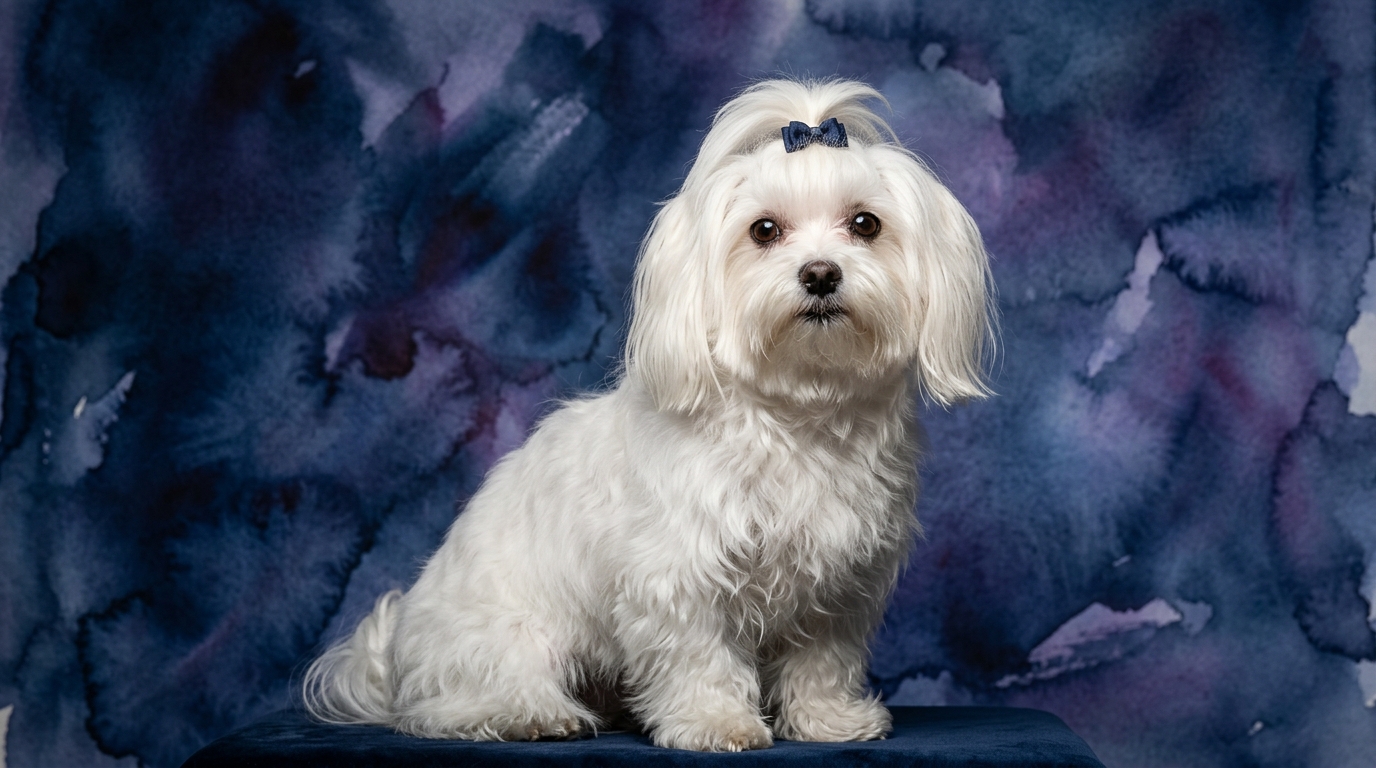
The Maltese, a delicate member of the Toy group with a Coren rank of #59, presents a compelling cognitive profile. Its problem-solving capacity sits at a solid 3/5, indicating an ability to navigate moderate mental challenges and learn from experience, though perhaps not actively seeking out complex puzzles. Training speed also rates 3/5, suggesting they grasp new commands at an average pace when consistently motivated. Where the Maltese truly shines is in social intelligence, scoring an exceptional 5/5. This reflects an extraordinary capacity to understand human emotions, respond to subtle cues, and form deep, intuitive bonds, making them highly attuned companions. Their instinctive drive is notably lower at 2/5, implying less inclination for independent exploration or task-oriented behaviors rooted in primal instincts. Memory, at 3/5, allows them to retain learned behaviors and routines effectively.
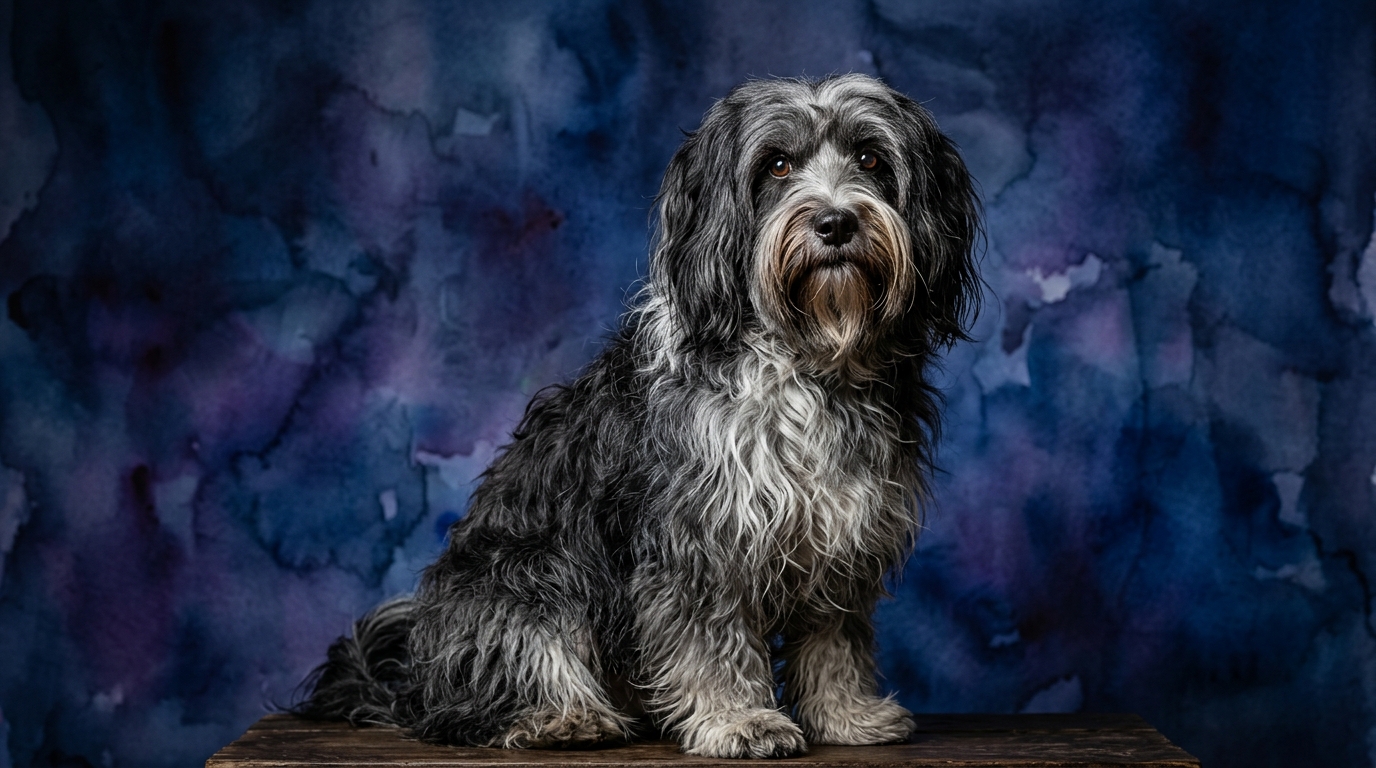
Hailing from the Non-Sporting group, the Tibetan Terrier, with a Coren rank of #63, offers a balanced yet distinct cognitive blueprint. Their problem-solving ability matches the Maltese at 3/5, capable of figuring out moderate environmental challenges or simple puzzles. Training speed is also a 3/5, indicating a similar pace of acquiring new skills and commands. In social intelligence, the Tibetan Terrier scores a respectable 3/5, showing an ability to connect with humans and understand social dynamics, though perhaps with less immediate intensity or responsiveness than the Maltese. Their instinctive drive is rated 3/5, suggesting a moderate inclination for independent exploration, scent work, or engaging with their environment in a self-directed manner. Memory, like the Maltese, stands at 3/5, enabling consistent recall of training and routines.
Where the Maltese Excels Cognitively
The Maltese's standout cognitive advantage lies unequivocally in its unparalleled social intelligence, scoring a perfect 5/5 compared to the Tibetan Terrier's 3/5. This isn't merely about being affectionate; it signifies a profound capacity for emotional resonance and nuanced communication with humans. A Maltese is exceptionally adept at reading facial expressions, interpreting vocal tones, and understanding body language, often anticipating their owner's moods or intentions before a command is even given. This heightened social awareness means they are often more responsive to subtle social cues during interaction and training, thriving on positive reinforcement that emphasizes connection. Their strong desire to be an integral part of their human family stems from this deep cognitive wiring, making them exceptionally intuitive companions who can offer profound emotional support and react sensitively to changes in their social environment.
Where the Tibetan Terrier Holds a Cognitive Edge
While both breeds share similar ratings across problem-solving, training speed, and memory, the Tibetan Terrier distinguishes itself with a slightly higher instinctive drive, registering 3/5 compared to the Maltese's 2/5. This subtle difference translates into a more pronounced inclination for self-directed engagement with the world around them. A Tibetan Terrier might display a stronger urge to explore new scents, investigate novel objects, or engage in active play without constant human initiation. Their instincts are geared more towards an independent yet companionable existence, reflecting their historical role as versatile watchdogs and companions in rugged environments. This higher drive can manifest as a greater curiosity about their surroundings and a willingness to engage with environmental stimuli, potentially making them more resilient and adaptable to varied situations that require a degree of self-reliance.
Trainability: Beyond Raw Speed
Both the Maltese and Tibetan Terrier share an identical training speed rating of 3/5, suggesting they process and learn new commands at an average pace. However, the *ease* of training can differ significantly due to their other cognitive attributes. The Maltese, with its superior social intelligence (5/5), often appears easier to train. Their profound desire to connect and please their human companion means they are incredibly receptive to social reinforcement—a happy tone of voice, a gentle touch, or enthusiastic praise can be highly motivating. They are acutely aware of their owner's approval or disapproval, making them eager to comply to maintain that social harmony.
In contrast, the Tibetan Terrier, with its 3/5 social intelligence and 3/5 instinctive drive, might require a slightly different training approach. While capable learners, their moderate independent streak means they might be less consistently motivated by social praise alone, and more easily distracted by interesting environmental stimuli. Engaging their natural curiosity and providing varied, stimulating training sessions that tap into their instinctive drive can be more effective than relying solely on social connection. Consistency and patience are key for both, but the Maltese's cognitive wiring makes them inherently more attuned to the training relationship itself.
Lifestyle Compatibility: Active Companions vs. Relaxed Devotion
The cognitive profiles of these two breeds naturally lean towards different owner lifestyles. The Maltese, with its lower instinctive drive (2/5) and exceptional social intelligence (5/5), is ideally suited for relaxed owners seeking an intensely devoted and responsive companion. Their primary cognitive need is often social interaction and proximity to their human family. While they require daily walks and mental stimulation through play, their exercise demands are generally modest, making them excellent apartment dwellers or companions for those with less physically demanding routines. They thrive in environments where they are central to the family's activities, offering constant, intuitive companionship.
The Tibetan Terrier, conversely, with its moderate instinctive drive (3/5) and balanced social intelligence (3/5), aligns well with moderately active owners. They appreciate companionship but also possess a greater capacity for independent engagement and exploration. Their hardiness and versatility make them suitable for owners who enjoy regular outdoor adventures, hikes, or even participation in dog sports like agility or obedience, where their problem-solving and instinctive drives can be channeled. They are adaptable to various living situations but benefit from consistent mental and physical enrichment that goes beyond simple companionship, engaging their curious and somewhat self-sufficient nature.
The Verdict
Choose a Maltese if your primary desire is an exceptionally socially attuned, responsive, and devoted companion who thrives on deep emotional connection and offers intuitive companionship in a more intimate home environment.
Opt for a Tibetan Terrier if you seek a robust, versatile companion with a balanced independent streak, capable of engaging in varied activities and offering a more self-sufficient yet affectionate presence for an active, exploring owner.
🧠 Find Your Pet's IQ Score
Our Pet IQ Lab assessment covers 25+ tests across 5 cognitive dimensions — personalized to your breed.
Take the Full IQ Test →Frequently Asked Questions
Do Maltese dogs understand human emotions better than Tibetan Terriers?
Yes, based on their 5/5 social intelligence rating compared to the Tibetan Terrier's 3/5, Maltese dogs exhibit a superior capacity to interpret human emotional states and respond with greater empathy and sensitivity, forming highly intuitive bonds.
Which breed is more likely to entertain itself independently?
The Tibetan Terrier, with its 3/5 instinctive drive, is more inclined to engage in self-directed exploration and independent play compared to the Maltese, which has a lower 2/5 instinctive drive and prefers social interaction.
Are there significant differences in how quickly these breeds learn new commands?
Both breeds share a 3/5 training speed rating, suggesting they learn new commands at a comparable average pace. However, the Maltese's higher social intelligence might make them appear more eager to please and thus more immediately responsive to training cues.