Side-by-Side IQ Profile: Maltese vs. Toy Poodle
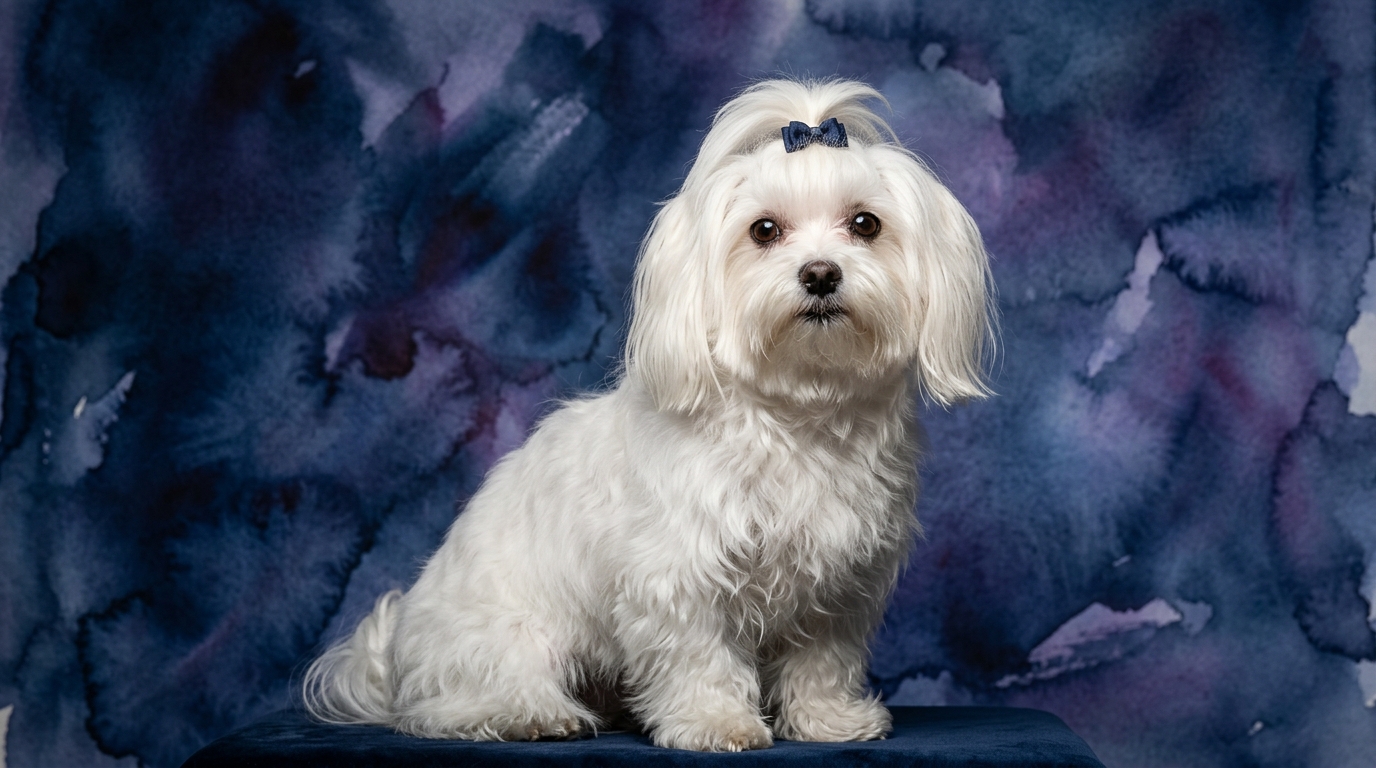
**Maltese (Coren rank #59):**
**Problem Solving (3/5):** Maltese show moderate aptitude for simple puzzles or new situations, relying on persistence. Solutions are usually learned through repetition.
**Training Speed (3/5):** Learning commands requires consistent, patient training. They respond well to positive reinforcement but may need more repetitions.
**Social Intelligence (5/5):** The Maltese excels here, possessing exceptional capacity to read human emotions and understand social cues. They form deep, empathetic bonds, adapting behavior to suit human moods.
**Instinctive Drive (2/5):** Exhibiting a low instinctive drive, their natural inclinations for tasks like hunting or guarding are minimal, contributing to a calm demeanor.
**Memory (3/5):** Maltese have a solid, functional memory, retaining learned commands, routines, and experiences. Recall is sufficient for daily life with regular reinforcement.
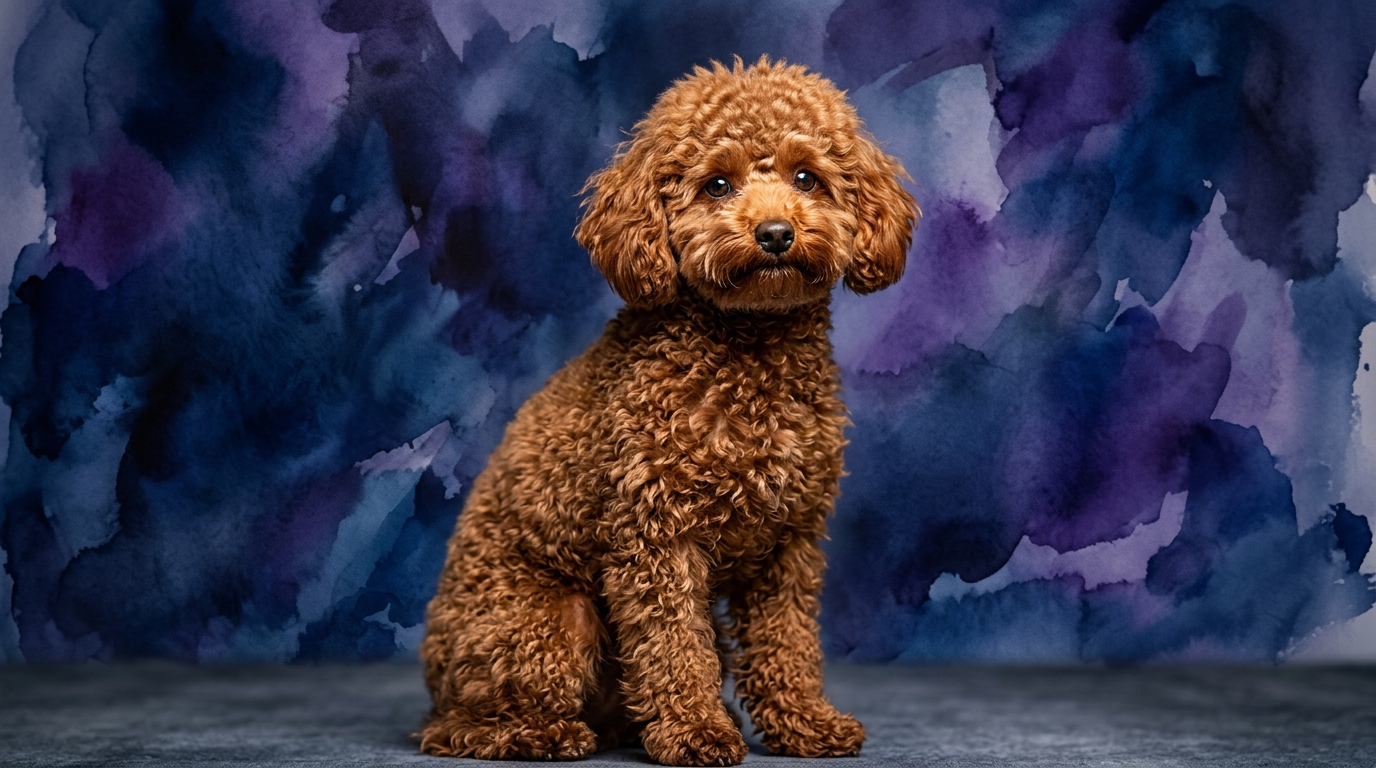
**Toy Poodle (Coren rank #2):**
**Problem Solving (5/5):** Toy Poodles excel, quickly analyzing situations, devising strategies, and adapting. They approach challenges with an analytical mindset, solving complex puzzles.
**Training Speed (5/5):** Their capacity to learn new commands and complex sequences is exceptionally fast. They grasp concepts with few repetitions, highly responsive to advanced training.
**Social Intelligence (3/5):** While friendly, their social intelligence for reading subtle human emotions is moderate. They are more focused on task or interaction than deep emotional attunement.
**Instinctive Drive (3/5):** Toy Poodles possess a moderate instinctive drive, often manifesting as a desire to retrieve or engage in structured activities. They retain some working inclinations.
**Memory (5/5):** Toy Poodles boast outstanding memory, recalling extensive commands, routines, and past experiences with remarkable accuracy, significantly aiding their training prowess.
Where the Maltese Wins Cognitively
The Maltese's standout cognitive strength is its social intelligence (5/5). They possess extraordinary empathy, keenly observing and responding to human emotional states. This deep, intuitive understanding of social dynamics allows them to comfort a crying owner or adjust playfulness based on mood. This profound connection makes them exceptionally sensitive companions, often seeming to anticipate human needs, providing unparalleled emotional support.
Where the Toy Poodle Wins Cognitively
The Toy Poodle demonstrates clear cognitive advantages in problem-solving (5/5), training speed (5/5), and memory (5/5). Their capacity for abstract thought and quick learning sets them apart. A Toy Poodle quickly assesses new puzzle toys, experiments with solutions, and remembers successful approaches. Their ability to rapidly acquire and retain commands, often with minimal repetition, makes them prime for advanced obedience, agility, or trick training, showcasing remarkable intellectual dexterity.
Which is Easier to Train and Why
The Toy Poodle is demonstrably easier to train, scoring 5/5 in training speed and memory, indicating rapid grasp and retention of commands. Their higher problem-solving (5/5) means they quickly understand expectations in novel training scenarios. Teaching a Toy Poodle a multi-step trick, for instance, involves fewer repetitions and faster progress, as they quickly connect actions to outcomes and remember the sequence.
The Maltese, with 3/5 in training speed and memory, requires more patience. While trainable, their learning curve is gentler. A Maltese might take longer to generalize commands or consistently perform behaviors without frequent reinforcement. House-training a Maltese, for example, could require more extended vigilance. While their social intelligence motivates them, it doesn't equate to the Toy Poodle's speed of acquisition. Owners of Maltese should expect a gradual, rewarding training journey.
Which Suits Active Owners vs. Relaxed Owners
For **active owners** seeking a cognitively engaged companion, the **Toy Poodle** is ideal. Their high problem-solving and training speed mean they thrive on mental stimulation and structured activities. Owners enjoying complex tricks, dog sports like agility, or advanced puzzle games will find the Toy Poodle an enthusiastic partner. Their moderate instinctive drive means they appreciate a "job," fitting well into a dynamic, learning-focused lifestyle. They need intellectual challenges to prevent boredom.
For **relaxed owners** prioritizing emotional connection, the **Maltese** is often a better match. Their exceptional social intelligence makes them superb emotional support animals and cuddly companions content with affection. While enjoying short walks, their lower instinctive drive and moderate problem-solving needs mean they seek fewer constant mental challenges. A Maltese is happy as a devoted shadow, offering quiet companionship, suiting a calmer home focused on affection.
The Verdict
Choose Maltese if: You prioritize an emotionally intuitive companion that excels in social attunement, offering deep, empathetic connection and a calmer presence with moderate training needs.
Choose Toy Poodle if: You seek an intellectually agile partner eager for complex training, problem-solving, and structured activities, thriving on mental challenges and quick learning.
🧠 Find Your Pet's IQ Score
Our Pet IQ Lab assessment covers 25+ tests across 5 cognitive dimensions — personalized to your breed.
Take the Full IQ Test →Frequently Asked Questions
Do Maltese and Toy Poodles bark a lot?
Both can bark. Maltese may bark as communication due to high social intelligence; Toy Poodles might bark from boredom if not mentally stimulated or react to perceived threats from their moderate instinctive drive.
Are Maltese or Toy Poodles better with children?
Both can be good with respectful children. The Maltese's high social intelligence may make them more adaptable if the child is gentle. Toy Poodles might prefer more structured interactions, so supervision is important.
Which breed is more independent, Maltese or Toy Poodle?
The Toy Poodle generally shows more independence when problem-solving or exploring, due to its higher instinctive drive. The Maltese, with its exceptional social intelligence, tends to be less independent, preferring constant proximity to family.