
Maltese Cognitive Profile
The Cosmic Pet Pet IQ Lab ranks the Maltese with a moderate 3/5 in problem-solving, indicating they can navigate common household challenges and learn routines effectively. Their training speed also registers at 3/5, suggesting a steady learning pace, often responding best to patient, positive reinforcement. Where the Maltese truly shines is in social intelligence, scoring an exceptional 5/5; these dogs are highly attuned to human emotions and social cues, making them deeply empathetic companions. Their instinctive drive, however, is notably low at 2/5, meaning they possess minimal inclination for activities like hunting or intense exploration, preferring instead to be close to their people. Finally, their memory is rated at 3/5, allowing recall of learned commands and experiences reliably.
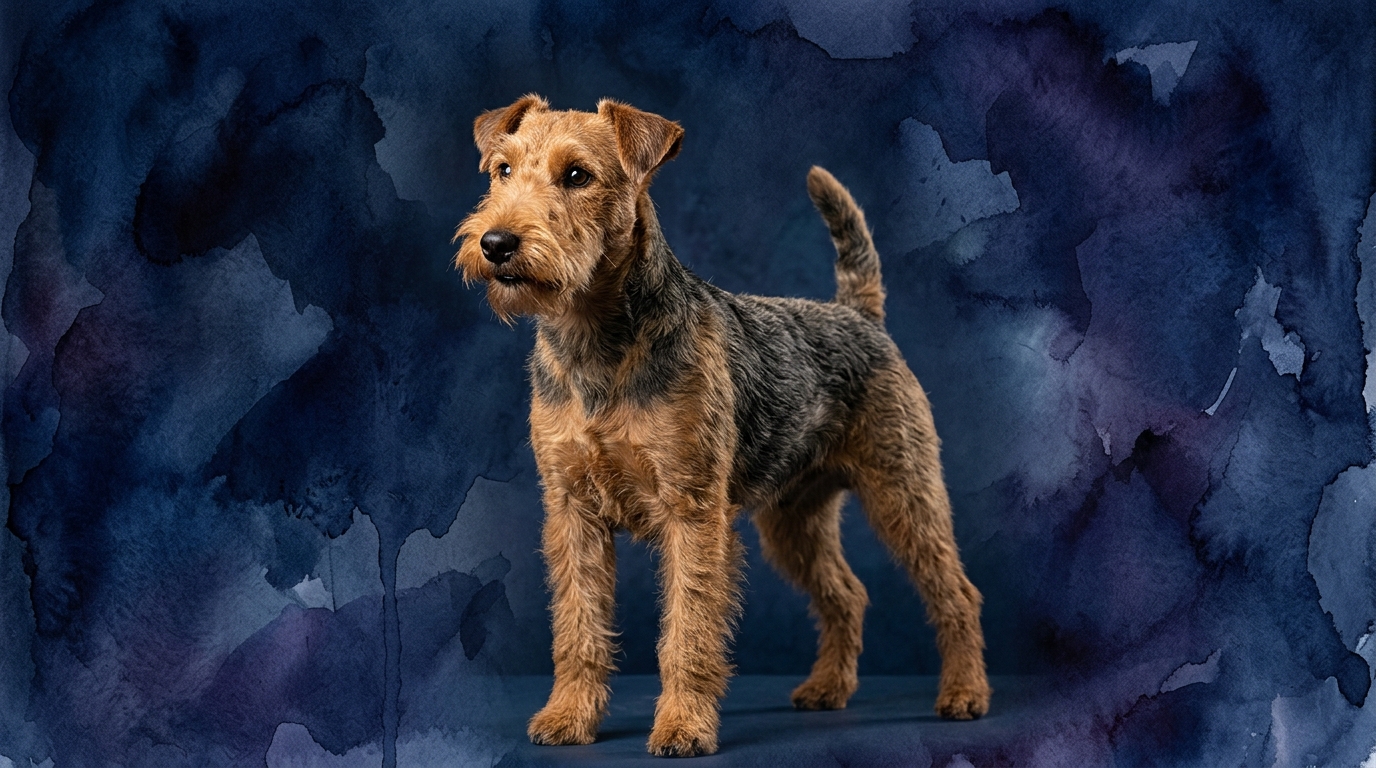
Welsh Terrier Cognitive Profile
In contrast, the Welsh Terrier's cognitive profile from the Pet IQ Lab starts with a 3/5 in problem-solving, indicating a practical intelligence for everyday situations. Their training speed also mirrors the Maltese at 3/5, suggesting they will learn at a consistent pace, though their terrier temperament might introduce different training considerations. The Welsh Terrier's social intelligence is rated at 3/5, signifying they are capable of forming strong bonds and understanding social cues. A key difference lies in their instinctive drive, which stands at 3/5; this reflects a moderate but present drive for activities rooted in their terrier heritage, such as digging, chasing, and exploring. Their memory, like the Maltese, is a solid 3/5, allowing for dependable recall of training and past events.
Where Maltese Wins Cognitively
The Maltese demonstrates a clear cognitive advantage in social intelligence, scoring an impressive 5/5 compared to the Welsh Terrier's 3/5. This elevated capacity means a Maltese is exceptionally adept at reading and responding to human emotions, often anticipating their owner's moods and reacting with comforting gestures. Their high social intelligence allows them to integrate seamlessly into family life, understanding complex social dynamics, and thriving on close companionship. This isn't just about being affectionate; it's about a profound grasp of interpersonal relationships, making them incredibly empathetic and adaptable to various social settings. They are masters of reciprocal communication, readily picking up on the nuances of human interaction.
Where Welsh Terrier Wins Cognitively
While the Maltese excels in social nuance, the Welsh Terrier holds a distinct cognitive edge in instinctive drive, rated at 3/5 compared to the Maltese's 2/5. This difference translates to a more robust engagement with their environment and a greater inclination towards purposeful activity. Their moderate instinctive drive means Welsh Terriers possess an innate curiosity and a natural propensity for exploration, digging, and following scents—behaviors deeply rooted in their working heritage. This isn't about aggression, but rather a cognitive drive to investigate and engage with the world in a more physically and mentally active way. This drive fuels their independent spirit and their ability to engage in tasks requiring persistence and self-directed problem-solving related to their environment.
Which is Easier to Train and Why
Both breeds share an average training speed of 3/5, suggesting neither is inherently 'quicker' to pick up new commands. However, the *ease* of training can differ significantly due to their other cognitive traits. The Maltese, with its exceptional social intelligence (5/5) and low instinctive drive (2/5), often proves easier to train for obedience and companion behaviors. Their strong desire to please and deep attunement to their owner's emotional state means they are highly motivated by positive reinforcement and social praise, eager to comply to maintain harmony. Their low instinctive drive means fewer distractions from innate urges like chasing, allowing them to focus more readily on human instruction. This makes them highly responsive to consistent, gentle training methods, resulting in a generally compliant and adaptable companion.
The Welsh Terrier, while equally capable of learning, can present a different training dynamic. Their moderate instinctive drive (3/5) means they are more likely to be distracted by environmental stimuli, such as interesting smells or the urge to chase. This independent streak, coupled with a social intelligence of 3/5, means they might require more consistent, firm, and engaging training to hold their attention and channel their natural drives. Training a Welsh Terrier often involves making tasks feel like a 'game' or providing an outlet for their natural instincts, such as scent work or agility, to keep them mentally stimulated. While trainable, their inherent terrier tenacity often means owners need patience, creativity, and a clear understanding of their breed-specific motivations.
Which Suits Active Owners vs Relaxed Owners
For owners seeking a more relaxed, emotionally attuned companion, the Maltese is often the more suitable choice. Their high social intelligence and low instinctive drive mean they thrive on close human interaction, quiet companionship, and being an integral part of daily household life without requiring extensive physical exertion or mentally demanding tasks. They are content with moderate indoor play and short walks, preferring to spend quality time nestled with their family. Their cognitive make-up aligns perfectly with a lifestyle centered around comfort, affection, and gentle engagement.
Conversely, the Welsh Terrier's moderate instinctive drive and average social intelligence make them a better fit for active owners who appreciate a dog with a bit more zest and independence. They benefit greatly from regular exercise, structured play, and activities that engage their natural curiosity and drive to explore. This could include long walks, hiking, or engaging in dog sports. They are not content to be solely lapdogs; their cognitive profile suggests a need for mental and physical outlets that challenge their innate terrier spirit, making them excellent companions for owners who enjoy an active lifestyle.
The Verdict
Choose a Maltese if you prioritize an exceptionally empathetic, socially attuned companion who thrives on close connection and a calm home environment, requiring minimal redirection from innate drives.
Opt for a Welsh Terrier if you seek an engaged, spirited partner who benefits from an active lifestyle and enjoys exploring, provided you are prepared to channel their moderate instinctive drives with consistent training and stimulating activities.
🧠 Find Your Pet's IQ Score
Our Pet IQ Lab assessment covers 25+ tests across 5 cognitive dimensions — personalized to your breed.
Take the Full IQ Test →Frequently Asked Questions
Does the Maltese's low instinctive drive mean they are never playful?
Not at all. A low instinctive drive simply means their play is less rooted in predatory or territorial behaviors. Maltese are very playful, but their play tends to be more socially oriented, involving toys and gentle interaction driven by their desire for connection, rather than a strong urge to 'hunt' or 'guard'.
How does the Welsh Terrier's moderate instinctive drive impact their behavior at home?
Their moderate instinctive drive means Welsh Terriers may exhibit behaviors like digging in the yard, chasing small critters, and a general curiosity about new scents. This can manifest as needing more consistent mental and physical stimulation to prevent boredom, channeling these natural urges into appropriate activities rather than destructive ones.
Since both have 3/5 in training speed, why is one considered 'easier' to train?
While they learn at a similar pace, 'ease' of training is influenced by motivation and distraction. The Maltese's high social intelligence and low instinctive drive make them inherently more motivated by human approval and less distracted, leading to smoother, compliance-focused training. The Welsh Terrier's higher drive and independent spirit might require more creative engagement and consistent management of distractions, making the process more challenging despite their learning capacity.