
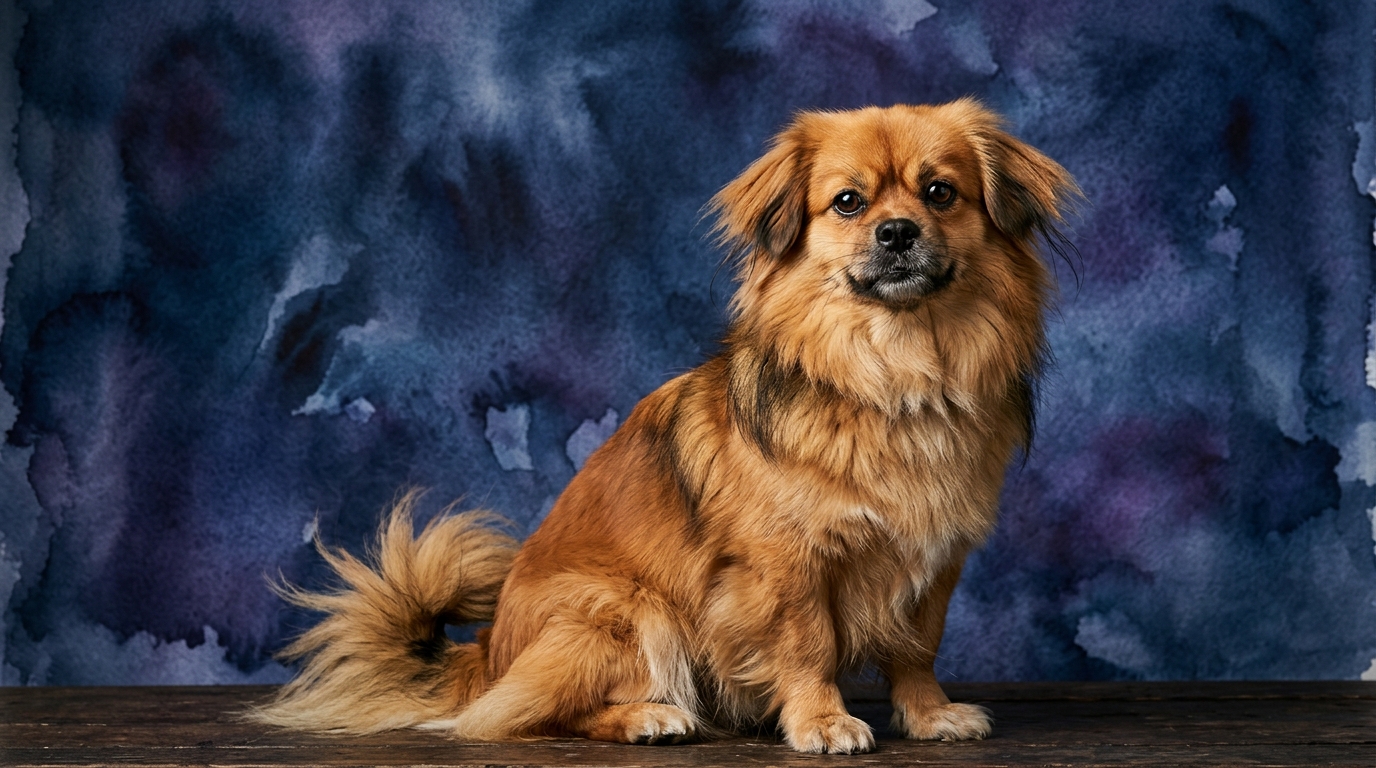
Side-by-Side IQ Profile: Unpacking Identical Scores
Both the Manchester Terrier and the Tibetan Spaniel consistently achieve a score of 3 out of 5 across all five cognitive dimensions: Problem Solving, Training Speed, Social Intelligence, Instinctive Drive, and Memory. This uniform rating suggests that neither breed is a cognitive outlier, instead possessing a moderate and balanced set of mental aptitudes. However, the manifestation of these scores differs profoundly due to their unique evolutionary paths and breed-specific purposes.
For Problem Solving (3/5), both breeds demonstrate a competent ability to navigate challenges. The Manchester Terrier, originally bred for ratting, often approaches problems with a proactive, physical tenacity, seeking direct solutions to overcome obstacles or access desired items. The Tibetan Spaniel, historically a companion and sentinel in monasteries, typically exhibits a more observational and strategic problem-solving style, assessing situations before acting, often preferring to outsmart rather than overpower.
Training Speed (3/5) indicates that both breeds learn new commands and routines at a moderate pace. The Manchester Terrier's eagerness and desire for activity can make initial training sessions engaging, but its independent terrier spirit and potential for distraction by prey drive mean consistent, positive reinforcement is crucial to maintain focus. The Tibetan Spaniel, while capable of learning, often does so on its own terms; their independent and somewhat aloof nature means they might grasp a command quickly but choose when to comply, requiring patience and understanding of their motivations.
Social Intelligence (3/5) reflects their capacity to understand and respond to human cues and social dynamics. The Manchester Terrier forms strong bonds with its family, often reading their moods and intentions with keen insight, expressing affection actively. The Tibetan Spaniel, while deeply devoted to its chosen people, expresses its social intelligence through subtle observation and discerning judgment, particularly adept at recognizing strangers and assessing their intentions, often displaying a reserved elegance.
Instinctive Drive (3/5) highlights the inherent behaviors characteristic of each breed. For the Manchester Terrier, this score predominantly reflects its strong prey drive and desire to chase and dig, remnants of its vermin-hunting heritage. For the Tibetan Spaniel, the 3/5 in instinctive drive is primarily evidenced by its potent watchdog tendencies, including territorial barking and an acute awareness of its surroundings, stemming from its role as a monastery guardian. Both drives are robust but channeled differently.
Finally, Memory (3/5) indicates both breeds possess a solid capacity to retain information. The Manchester Terrier reliably remembers training, established routines, and the individuals it encounters, often holding grudges or preferences for certain people or places. The Tibetan Spaniel also demonstrates excellent memory for its environment, its family members, and established household rules, often remembering past experiences with remarkable clarity, which can contribute to its cautious nature with novel situations or people.
Where the Manchester Terrier Wins Cognitively
Despite identical scores, the Manchester Terrier often excels in areas requiring physical initiative and assertive engagement. Its terrier heritage imbues it with a proactive problem-solving approach, making it particularly adept at figuring out how to retrieve a toy from under furniture or navigate a complex agility course with determination. Its quick reflexes and inherent drive to pursue make it faster to react to environmental stimuli, such as a dropped treat or an unexpected sound, compared to the more deliberative Tibetan Spaniel. This breed’s persistent nature, born from generations of hunting small game, gives it an edge in tasks demanding sustained effort and focused energy, making it a formidable competitor in dog sports that require agility and drive.
Where the Tibetan Spaniel Wins Cognitively
The Tibetan Spaniel, while equally rated, shines in cognitive domains that demand subtle observation, strategic assessment, and discerning social intelligence. Its historical role as a sentinel means it possesses an exceptional ability to perceive nuances in its environment and human interactions, often sensing a stranger’s discomfort or a household’s shift in mood before others. This breed exhibits a superior capacity for strategic problem-solving that relies less on brute force and more on clever manipulation or patient waiting, such as finding the most opportune moment to request attention or locate a comfortable sunbeam. Its memory for spatial layouts and the behaviors of specific individuals is particularly strong, making it an excellent home guardian who remembers who belongs and who doesn't.
Which Is Easier to Train and Why
Determining which breed is 'easier' to train is nuanced, as both score 3/5 for Training Speed, indicating a moderate learning curve. The Manchester Terrier can appear easier to train initially due to its inherent enthusiasm and desire for activity; they often enjoy the engagement of training sessions and the opportunity to work. However, their strong prey drive and independent terrier mindset mean consistency is paramount, and distractions can easily derail focus, requiring an owner with a firm, fair, and engaging approach to channel their energy productively. Their desire to please is often tied to the reward or the joy of the activity itself.
The Tibetan Spaniel, conversely, can be perceived as more challenging due to its independent and somewhat cat-like nature. While they are intelligent and capable of learning, their compliance often hinges on whether they deem the request worthwhile or if it aligns with their preferences. They are not typically driven by an overwhelming desire to please, which means training requires immense patience, positive reinforcement, and finding what truly motivates them (often food, comfort, or a desire for a peaceful environment). They might learn a command quickly but choose not to execute it if they see no immediate benefit, making their training more about building a respectful partnership than strict obedience.
Which Suits Active Owners vs. Relaxed Owners
For active owners seeking a canine partner for adventures and structured activities, the Manchester Terrier is often the more suitable choice. Its energetic nature, keen intellect, and inherent drive mean it thrives on consistent physical exercise, mental stimulation, and opportunities for engagement, such as agility, obedience, or earthdog trials. Owners who enjoy frequent walks, runs, or interactive play sessions will find a willing and enthusiastic companion in the Manchester Terrier, which needs an outlet for its considerable stamina and curiosity.
Relaxed owners, or those seeking a more adaptable companion that can enjoy both activity and quiet companionship, might find the Tibetan Spaniel to be a better fit. While they appreciate daily walks and mental enrichment, they are generally content with less strenuous activity and are highly adaptable to their owner's lifestyle. They are happy to curl up on the couch, observing their surroundings with a keen eye, making them excellent companions for those who prefer a calmer home environment but still appreciate a dog with personality and a watchful presence. They do, however, require mental stimulation to prevent boredom and channel their observational intelligence.
The Verdict
Choose the Manchester Terrier if you are an active, engaged owner who enjoys consistent training, structured activities, and can channel a spirited dog's significant energy and drive into productive endeavors.
Opt for the Tibetan Spaniel if you appreciate an independent, observant companion, are patient with training, and seek a dog that offers subtle affection and a watchful presence within a more relaxed yet mentally stimulating home environment.
🧠 Find Your Pet's IQ Score
Our Pet IQ Lab assessment covers 25+ tests across 5 cognitive dimensions — personalized to your breed.
Take the Full IQ Test →Frequently Asked Questions
Do Manchester Terriers bark a lot?
Manchester Terriers can be prone to barking, especially if not adequately exercised or mentally stimulated. Their alert nature and terrier instincts mean they will often bark at perceived threats or new sounds, acting as effective watchdogs.
Are Tibetan Spaniels good with children?
Tibetan Spaniels can be good with respectful, older children who understand how to interact gently with dogs. They are not typically as boisterous as some breeds and may prefer a quieter environment, so supervision is always recommended with very young children.
Do either of these breeds shed much?
Both breeds have short, low-maintenance coats that shed moderately. Regular brushing, perhaps once or twice a week, is usually sufficient to manage loose hair for both the sleek Manchester Terrier and the double-coated Tibetan Spaniel.