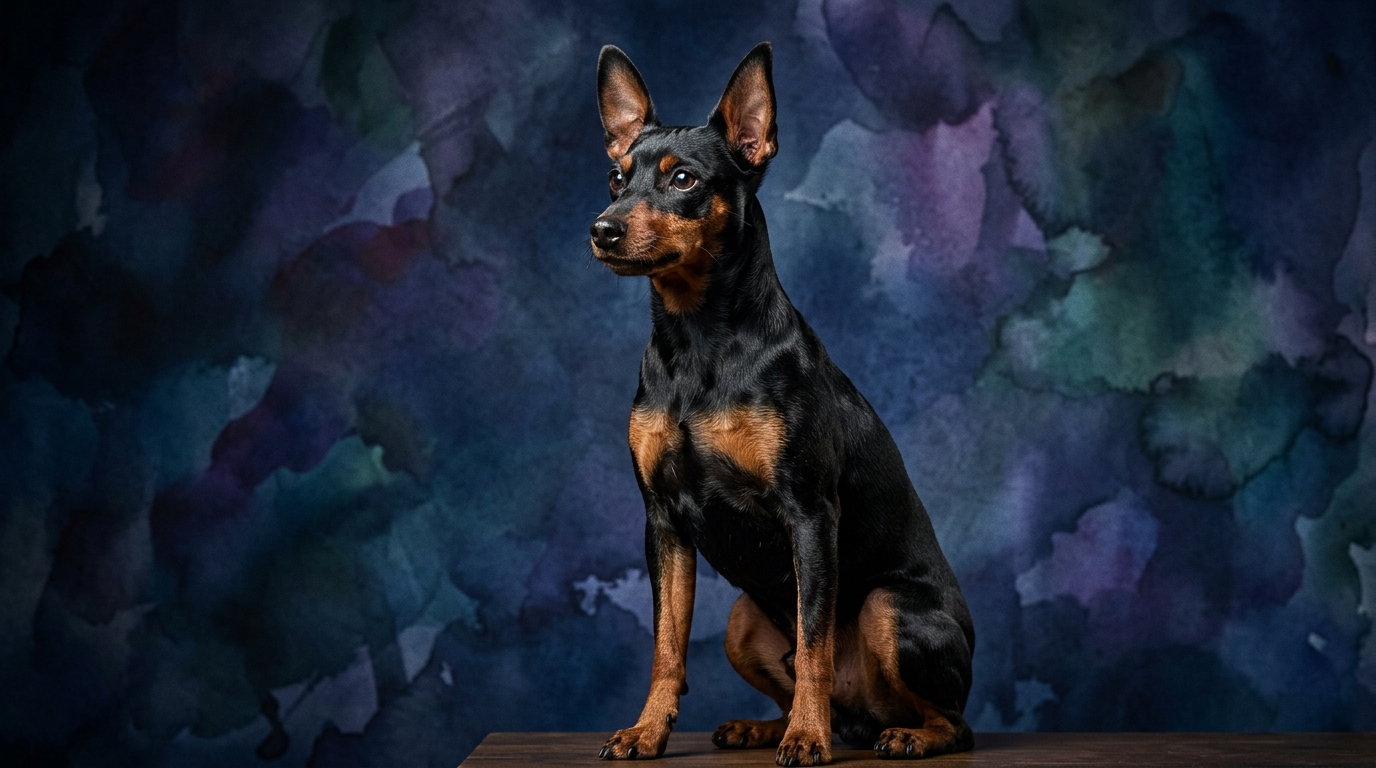
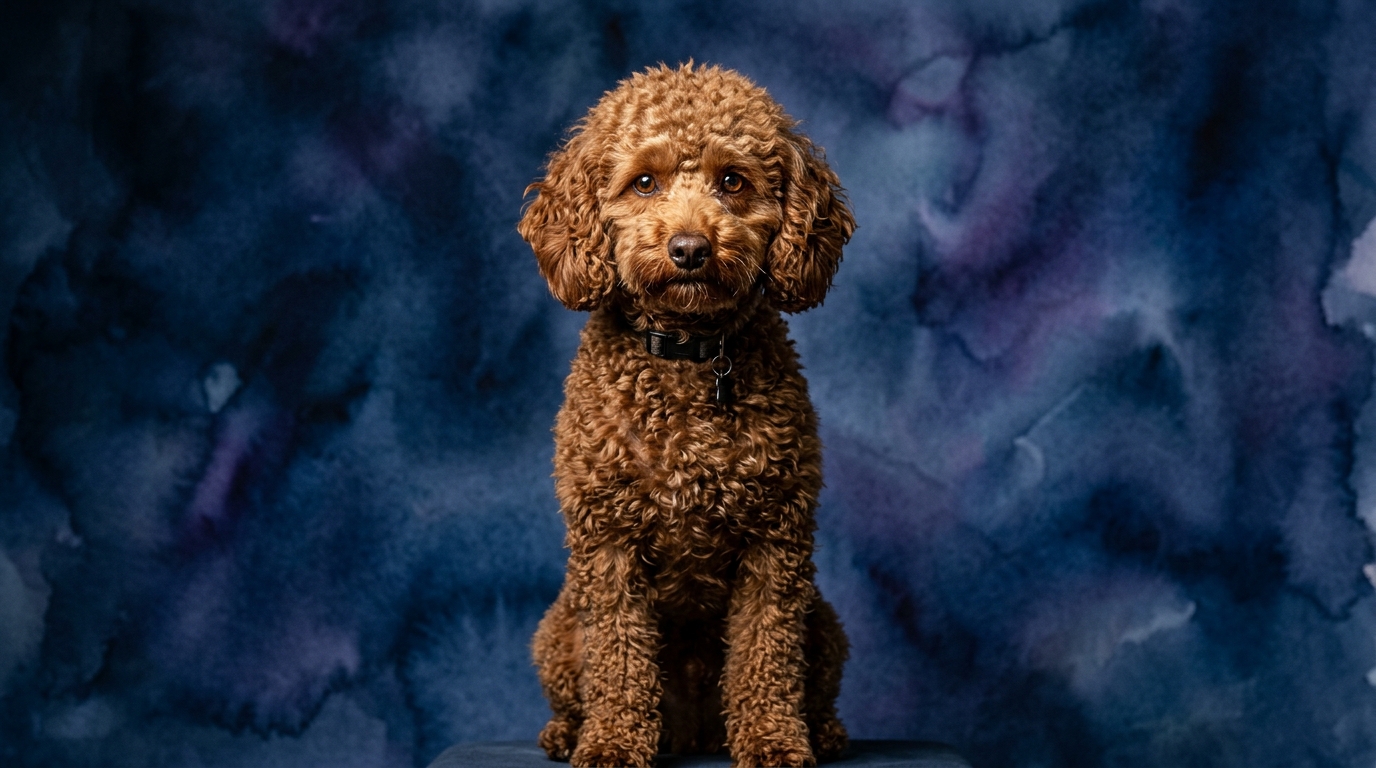
Side-by-Side Cognitive Profiles: Min Pin vs. Min Poodle
The Cosmic Pet Pet IQ Lab assesses canine intelligence across five key dimensions, offering a nuanced view beyond simple obedience. For the Miniature Pinscher, often called the 'King of Toys,' and the Miniature Poodle, a breed celebrated for its mental acumen, these scores paint a clear picture of their cognitive strengths and approaches to learning.
When it comes to **Problem Solving**, the Miniature Pinscher scores 3 out of 5. This suggests a dog that is capable of figuring things out but might rely more on persistence and trial-and-error rather than immediate insight. They can navigate complex environments and learn from experience, but perhaps not with the lightning speed of some other breeds. The Miniature Poodle, however, earns a perfect 5 out of 5 in Problem Solving. This breed excels at analyzing new situations, quickly understanding cause and effect, and devising effective strategies to achieve goals, whether it's opening a tricky puzzle toy or navigating an agility course with precision.
For **Training Speed**, the Miniature Pinscher again receives a 3 out of 5. While certainly trainable, they may require more repetition and consistent motivation to solidify new commands. Their independent streak means they might not always see the immediate benefit in complying with every instruction, preferring to think for themselves. The Miniature Poodle, in contrast, hits a 5 out of 5 for Training Speed. This breed is remarkably quick to grasp new concepts and associate commands with actions, often requiring only a few repetitions to learn a new trick or routine, making them highly responsive to consistent positive reinforcement.
In **Social Intelligence**, both the Miniature Pinscher and the Miniature Poodle score 3 out of 5. This indicates a moderate ability to interpret human cues, understand social hierarchies, and adapt their behavior based on their human companions' moods and intentions. They are generally good at forming bonds and reading basic emotional states, but they may not possess the extreme empathy or subtle manipulative abilities seen in breeds with higher social intelligence scores. Both breeds understand their place within the family unit and can form strong connections, but they aren't necessarily master communicators of complex emotional states.
Regarding **Instinctive Drive**, both breeds register a 3 out of 5. This moderate score suggests they possess natural drives, such as chasing, retrieving, or exploring, but these drives are not overwhelmingly strong or difficult to manage. For the Miniature Pinscher, this might manifest as a curious, sometimes bold exploration of their surroundings, perhaps with a residual 'ratting' instinct. For the Miniature Poodle, it could be a moderate desire to retrieve or engage in scent work, stemming from their historical role as water retrievers. These drives are present enough to be channeled into productive activities but are generally not disruptive.
Finally, for **Memory**, the Miniature Pinscher scores 3 out of 5. This implies a solid capacity to remember learned commands, routines, and experiences, but they might benefit from occasional refreshers, especially for less frequently used instructions. They will remember their people and their home, but perhaps not every single training cue with absolute perfection over long periods. The Miniature Poodle, on the other hand, achieves a 5 out of 5 in Memory. This breed has an exceptional ability to retain information, remembering commands and complex sequences for extended periods, even after long breaks from training. Their strong memory contributes significantly to their ease of training and ability to perform intricate routines.
Where the Miniature Pinscher Shines Cognitively
Despite lower scores in some areas compared to the Poodle, the Miniature Pinscher's cognitive profile highlights unique strengths. Their 3/5 in problem-solving often translates into a tenacious and creative approach to challenges. They might not immediately grasp the 'correct' solution as a Poodle would, but their persistence means they will keep trying, often devising their own, sometimes unconventional, methods. This self-reliance and bold determination can be a cognitive asset, allowing them to navigate new situations with confidence and adapt without constant human direction. Their moderate social intelligence means they are not overly dependent on human cues, fostering an independent spirit where they are comfortable making their own decisions. This independent thought, while sometimes challenging in training, means they are less prone to separation anxiety stemming from an over-reliance on their human's presence and direction, and can entertain themselves effectively.
Where the Miniature Poodle Excels Cognitively
The Miniature Poodle's cognitive strengths are undeniable, primarily evidenced by their 5/5 scores in problem-solving, training speed, and memory. These high marks indicate a dog that is exceptionally adept at learning and retaining information. Their problem-solving prowess means they can quickly analyze new situations, understand complex tasks, and execute multi-step commands with remarkable accuracy. This isn't just about obedience; it's about a deep capacity for understanding and applying learned concepts. Their rapid training speed allows them to master new skills with minimal repetition, making them incredibly versatile in various canine activities, from advanced obedience to agility. Coupled with their outstanding memory, a Poodle can retain a vast repertoire of commands and routines over long periods, making them a consistent and reliable companion once a skill is acquired. They possess a keen desire to engage their intellect, thriving on mental stimulation and purpose-driven activities.
Ease of Training: Poodle's Precision vs. Min Pin's Persistence
When considering ease of training, the Miniature Poodle (5/5 training speed, 5/5 memory) undeniably has the advantage. Their rapid associative learning means they quickly connect a command with the desired action and remember it for the long term. This allows for faster progress through training levels, enabling them to tackle more complex tasks and develop a broader vocabulary of commands. They generally possess a strong desire to please and engage with their handler, which further accelerates the learning process. Their precision in executing commands reflects their clear understanding and retention.
The Miniature Pinscher (3/5 training speed, 3/5 memory), while trainable, presents a different kind of challenge. Their independent and self-assured nature often means they require more patience and consistency. They are less likely to blindly follow commands without understanding the 'why' or if they don't perceive an immediate benefit. Training a Min Pin often involves finding what truly motivates them and making the learning process engaging and rewarding to overcome their occasional 'selective hearing.' Owners might find themselves needing to be more creative with training methods and prepared for a slower, more gradual progression, focusing on building a strong relationship based on mutual respect rather than swift compliance.
Matching Breeds to Owner Lifestyles: Active Engagement vs. Independent Spirit
For owners seeking an active and mentally stimulating partnership, the Miniature Poodle is an exceptional fit. Their high problem-solving and memory scores mean they thrive when given a 'job' or regular opportunities for mental engagement beyond basic walks. They excel in activities like advanced obedience, agility, rally, or even scent work, where their cognitive abilities are put to good use. An owner who enjoys teaching new tricks, participating in dog sports, or simply engaging in structured daily training sessions will find the Poodle a willing and enthusiastic partner. They are at their best when their intellect is challenged, making them ideal for individuals who lead dynamic lifestyles and want a canine companion deeply involved in their daily mental pursuits.
The Miniature Pinscher, with their moderate scores and independent streak, is better suited for owners who appreciate a dog with a strong, self-directed personality and are prepared for a companion that doesn't always seek instruction. While they still require exercise and basic training, they may not demand constant complex mental stimulation in the same way a Poodle does. They are often content exploring their immediate environment, playing with their toys, or simply observing their surroundings. An owner who values a dog's spirited independence, is patient with training, and enjoys a companion that brings a bold, confident energy to the home will find the Min Pin a rewarding match. They fit well with owners who might prefer less structured, more organic interaction rather than highly formal training routines, provided they still offer consistent guidance and boundaries.
The Verdict
Choose the Miniature Pinscher if you admire a spirited, independent companion with a bold personality and are prepared for a training journey that prioritizes patience and positive reinforcement for a self-assured learner.
Opt for the Miniature Poodle if you desire a highly trainable, versatile companion eager to learn, excel in complex tasks, and thrive on consistent mental engagement and structured activities.
🧠 Find Your Pet's IQ Score
Our Pet IQ Lab assessment covers 25+ tests across 5 cognitive dimensions — personalized to your breed.
Take the Full IQ Test →Frequently Asked Questions
Which breed is better for first-time dog owners?
The Miniature Poodle is generally more forgiving for first-time owners due to their high trainability and eagerness to please, making the learning process smoother. Miniature Pinschers, while charming, require a more experienced hand to manage their independent nature and ensure consistent training.
Do Miniature Pinschers and Miniature Poodles get along well with other pets?
Both breeds, with their 3/5 social intelligence, can coexist with other pets, especially if socialized from a young age. Miniature Poodles are often more adaptable, while Miniature Pinschers' confident and sometimes assertive nature might require more careful introductions and supervision with smaller or more timid animals.
What kind of daily mental stimulation do these breeds need?
Miniature Poodles thrive on varied mental challenges, such as learning new tricks, puzzle toys, and obedience practice, needing consistent daily engagement. Miniature Pinschers benefit from engaging play, scent games, and clear boundaries, but their mental stimulation can be less structured, focusing on exploration and problem-solving at their own pace.