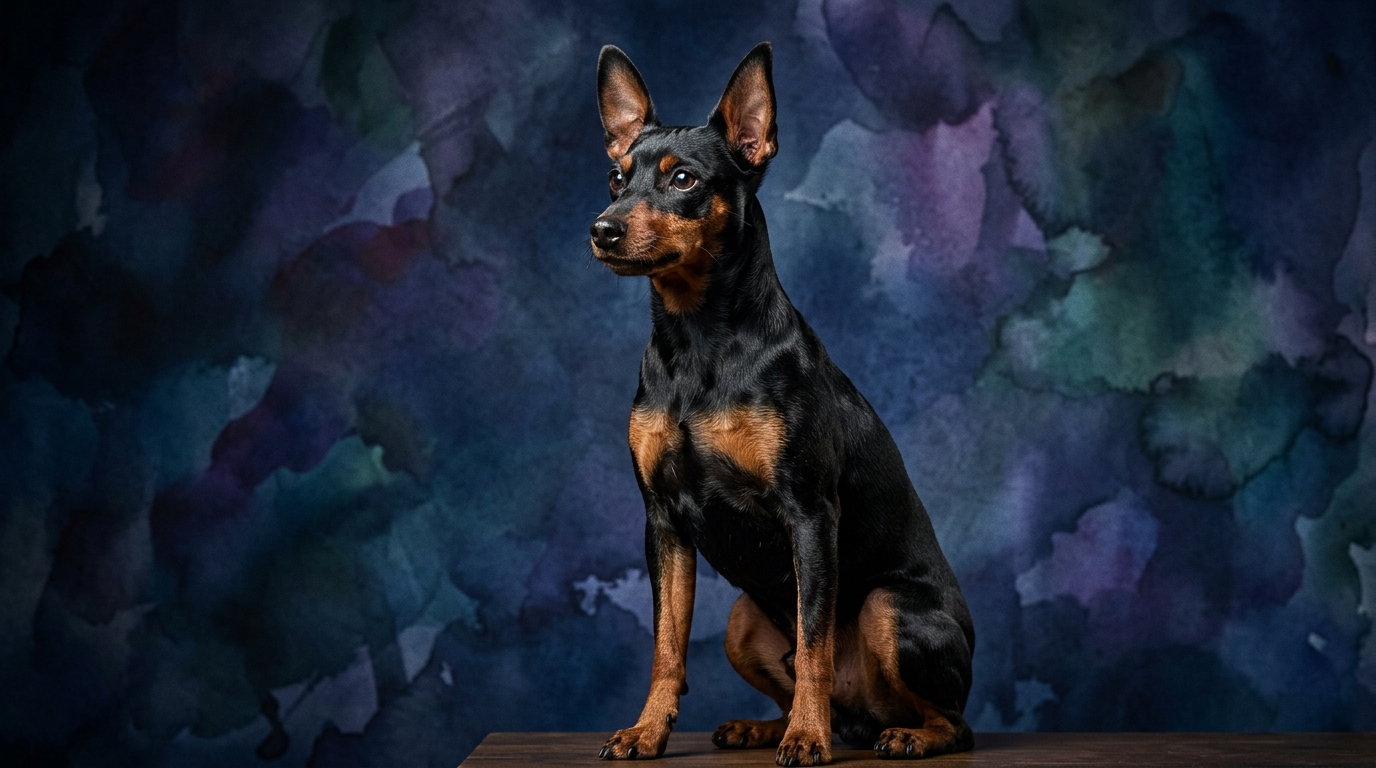
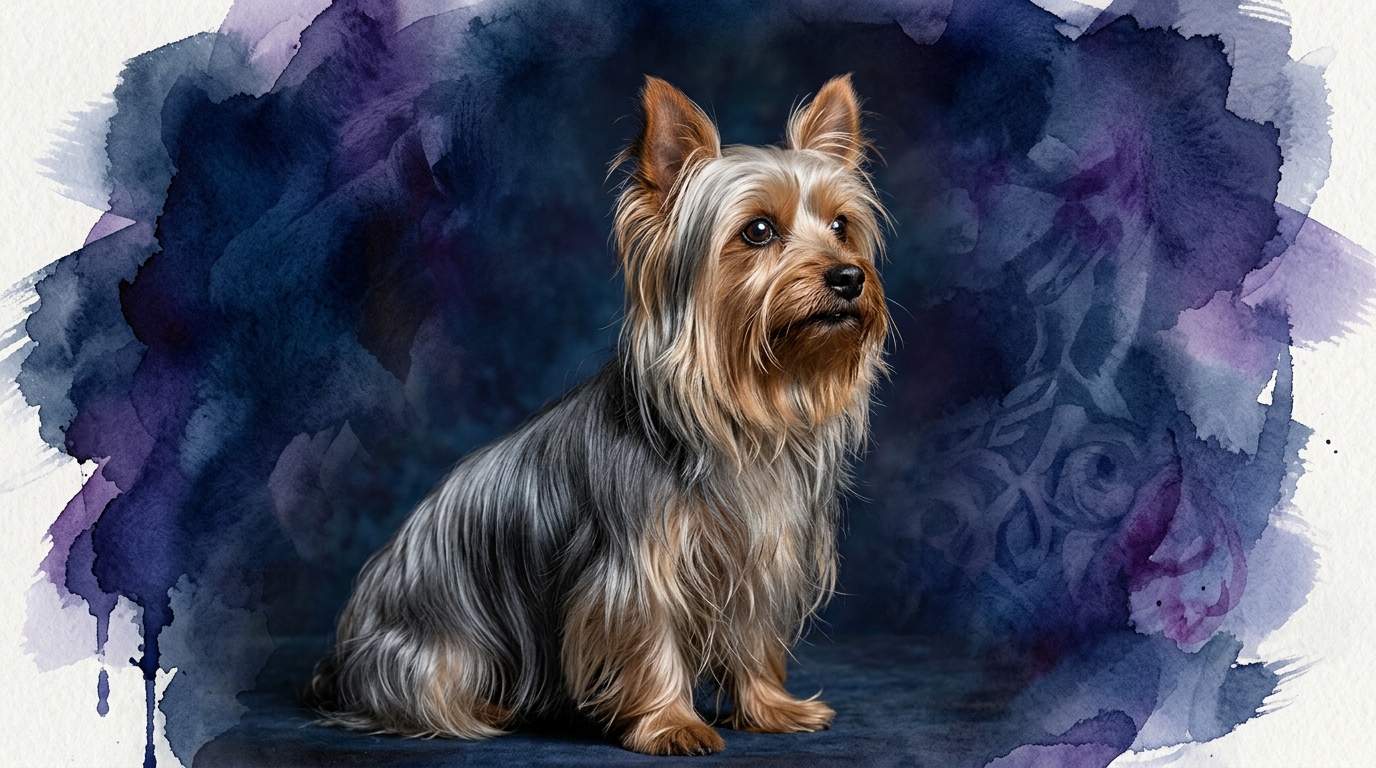
Side-by-Side IQ Profile
**Problem Solving (3/5):** The Miniature Pinscher possesses a moderate ability to navigate novel situations or overcome simple obstacles. Their approach is often direct and confident; they might try a few straightforward methods to access a desired item or escape a confined space. However, if initial attempts don't yield quick success, a Min Pin might move on rather than persisting with complex, multi-step solutions. Their problem-solving is practical and immediate, often driven by curiosity or a desire for a specific reward. The Silky Terrier also registers a 3/5 in problem-solving, but their methodology can differ. A Silky's terrier tenacity means they might approach a problem with persistent, focused effort. They may not devise an intricate strategy, but they are more likely to exhaust a chosen method repeatedly before abandoning it. This can make them effective at tasks requiring sustained effort, such as retrieving a toy from under furniture, even if the initial solution isn't immediately obvious.
**Training Speed (3/5):** The Miniature Pinscher exhibits an average pace for acquiring new commands and routines. They are certainly capable of learning, but their independent streak and occasional distractibility mean that consistency and engaging positive reinforcement are crucial. A Min Pin might grasp a concept quickly but requires repeated, structured practice to solidify the behavior, particularly if the command conflicts with their strong personal preferences or instincts. The Silky Terrier similarly scores 3/5 for training speed, indicating they learn at a steady, moderate rate. Their terrier characteristics, including a degree of stubbornness, can sometimes make training feel like a negotiation. However, their strong bond with their primary caregiver and desire for interaction can be a powerful motivator. Silky Terriers benefit from varied training sessions that keep them engaged, as rote repetition might lead to disinterest.
**Social Intelligence (3/5):** The Miniature Pinscher displays a 3/5 in social intelligence, meaning they possess a solid understanding of social cues, both canine and human. They can read body language and tone of voice effectively, but their 'King of Toys' persona often means they process these cues through the lens of their own assertive confidence. They might choose to acknowledge or disregard cues based on their perceived benefit or immediate desire, rather than always seeking to appease. They are alert to changes in their environment and can interpret intentions, particularly those related to their perceived territory or resources. Also at 3/5, the Silky Terrier's social intelligence manifests with a strong emphasis on their immediate family unit. They are highly attuned to the emotions and intentions of their chosen people, often forming deep, empathetic bonds. While they can read general social signals, their wariness towards strangers or unfamiliar dogs means their social processing outside their inner circle can be more guarded. Within their family, they are adept at communicating needs and desires, often using vocalizations or expressive body language.
**Instinctive Drive (3/5):** With a 3/5 in instinctive drive, the Min Pin retains a noticeable, yet manageable, set of ancestral behaviors. Their history as ratters is evident in their keen interest in small, fast-moving objects and their propensity to chase. This drive is present enough to require careful management in environments with small pets or wildlife, but it typically doesn't overwhelm their capacity for learned behaviors or household routines. They also display a protective instinct for their territory and family. Also scoring 3/5, the Silky Terrier equally embodies its working terrier heritage. Their instinctive drive includes a strong prey drive for small animals, a love for digging, and a propensity for barking at perceived intruders or novel stimuli. While these instincts are robust, they are generally amenable to redirection and training, provided the owner understands their roots and provides appropriate outlets. Their drive for exploration and vigilance is a significant part of their personality.
**Memory (3/5):** A 3/5 memory indicates a reliable ability to recall learned commands, routines, and past experiences. They will remember where treats are stored, the schedule for walks, and which specific actions led to positive or negative outcomes. While not possessing an encyclopedic recall, a Min Pin's memory is sufficient for consistent daily living and training reinforcement, allowing them to build strong associations over time. The Silky Terrier's 3/5 memory profile means they, too, maintain a solid retention of their training, household rules, and significant events. They are likely to remember specific people, places, and the outcomes of their actions. This memory contributes to their ability to form strong habits and understand boundaries. Like the Min Pin, their memory is functional and supports consistent behavior, though complex sequences might require more reinforcement.
Where Miniature Pinscher Wins Cognitively
While their IQ scores are identical, the Miniature Pinscher's cognitive strengths often manifest through its distinct temperament. A Min Pin's self-assuredness and direct approach can give it an edge in certain problem-solving scenarios where immediate action is required. For instance, if faced with a simple barrier to a desired object, a Min Pin might more quickly and confidently try to push through or navigate around it, rather than pausing to assess multiple options. This boldness, a hallmark of their personality, can sometimes be interpreted as a more decisive cognitive process in situations demanding quick, straightforward solutions. Their independence means they might process information with less reliance on human prompts, making them appear to "think for themselves" more readily in particular contexts, such as navigating a familiar environment or deciding when to alert their owners to an approaching stranger.
Where Silky Terrier Wins Cognitively
The Silky Terrier's cognitive advantages, though also reflected in a 3/5 score, stem from its inherent terrier tenacity and strong attachment to its family. In problem-solving, a Silky might not devise the most complex solution, but their unwavering persistence means they are more likely to stick with a task until it's completed, even if it requires repeated effort. For example, a Silky might spend a longer time trying to retrieve a ball stuck under a sofa, demonstrating a sustained application of their cognitive resources that a Min Pin might abandon if initial attempts fail. Furthermore, their deep loyalty and desire to please their primary caregivers can enhance their social intelligence within the family unit. They might be more attuned to subtle emotional shifts in their owners, leading to a more nuanced and responsive interaction that fosters a deeper communicative bond compared to the Min Pin's more generally assertive social style.
Which is Easier to Train and Why
Neither the Miniature Pinscher nor the Silky Terrier are considered 'easy' to train in the sense of being inherently biddable, with both scoring 3/5 in training speed. The Min Pin's independent nature and self-confident demeanor mean they often have their own ideas about what's important. They can be easily distracted by external stimuli like scents or sounds, and their strong-willed personality means they won't simply comply without a compelling reason. Training a Min Pin requires a firm yet positive hand, consistent boundaries, and highly motivating rewards to channel their directness into desired behaviors. The Silky Terrier, on the other hand, brings typical terrier stubbornness to the training arena. They can be quite vocal and determined, often testing boundaries. However, their strong desire for companionship and their deep loyalty to their family can be a significant advantage. A Silky might be slightly more inclined to cooperate for the sake of interaction and praise from their beloved owner, making them potentially more receptive to consistent, engaging training methods that incorporate play and positive reinforcement. While both demand patience, the Silky's family-oriented drive might offer a slightly more consistent motivational lever.
Which Suits Active Owners vs Relaxed Owners
Despite their toy breed status, both the Miniature Pinscher and the Silky Terrier are energetic dogs that require active engagement, making neither truly suitable for a genuinely relaxed owner. The Miniature Pinscher, with its 'King of Toys' persona, is a busy and alert companion. They thrive on regular, structured exercise like brisk walks, and require consistent mental stimulation through training, puzzle toys, and interactive play to prevent boredom and destructive behaviors. A Min Pin is not content to be a lap warmer all day; they need an owner who can provide clear routines, engage in consistent activity, and appreciate a dog with a patrolling instinct and a need for purpose. Similarly, the Silky Terrier is a spirited and adventurous breed. They possess a significant amount of energy for their size, enjoying vigorous play, running, and exploring. Without adequate physical and mental outlets, a Silky can become restless, potentially resorting to digging or excessive barking. They need an owner who enjoys interactive games, varied walks, and can provide creative outlets for their terrier curiosity and drive. In essence, both breeds are best suited for active owners who are prepared to integrate their dog into a lively lifestyle and provide ample stimulation.
The Verdict
Opt for the Miniature Pinscher if you admire a bold, self-assured companion with a spirited personality and are ready to engage in consistent, firm training to channel its independent nature.
Select the Silky Terrier if you seek a tenacious, loyal, and interactive companion who thrives on family involvement and will benefit from an owner who can consistently manage its terrier drive.
🧠 Find Your Pet's IQ Score
Our Pet IQ Lab assessment covers 25+ tests across 5 cognitive dimensions — personalized to your breed.
Take the Full IQ Test →Frequently Asked Questions
Do Miniature Pinschers and Silky Terriers get along with other pets?
Both breeds possess a noticeable prey drive due to their ratter heritage, scoring 3/5 in instinctive drive. While they can coexist with other pets, especially if raised together, careful introductions and supervision are crucial, particularly with smaller, non-canine animals.
Are these breeds good for first-time dog owners?
Both the Miniature Pinscher and Silky Terrier are spirited and require consistent training and socialization, making them a moderate challenge for first-time owners. Their 3/5 training speed and independent/tenacious natures mean a dedicated owner committed to positive reinforcement will be most successful.
How much mental stimulation do Miniature Pinschers and Silky Terriers need?
Both breeds, despite their toy size, require significant mental stimulation to prevent boredom and channel their 3/5 instinctive drives. Daily puzzle toys, training sessions, and interactive games are essential to keep their minds engaged and prevent unwanted behaviors.