Side-by-Side Cognitive Profiles
To truly understand the mental makeup of these two distinct breeds, The Cosmic Pet Pet IQ Lab meticulously assesses five key cognitive dimensions. These insights reveal not just their capacity for learning, but the very nature of their thinking and problem-solving strategies, deeply rooted in their historical roles and breed characteristics.
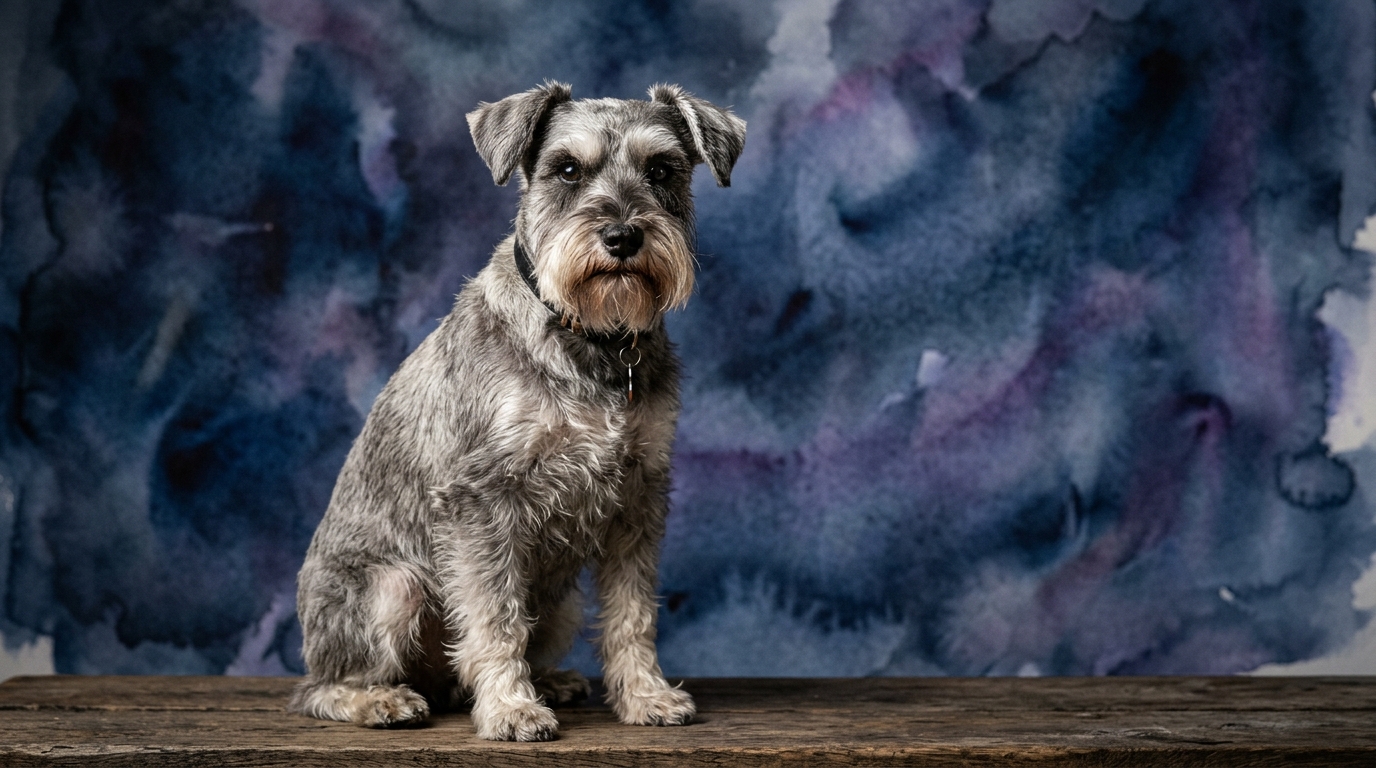
The Miniature Schnauzer, a Terrier breed, holds a commendable Coren rank of #12, indicating a strong aptitude for obedience and adaptive learning. Their cognitive profile paints a picture of a perceptive and engaged companion. For Problem Solving, they score 4/5, displaying a keen ability to assess novel situations and apply learned behaviors to achieve desired outcomes, often with a persistent, terrier-like determination. Their Training Speed is an exceptional 5/5, reflecting a swift grasp of new commands and routines, making them highly responsive to consistent instruction. In Social Intelligence, they achieve a 4/5, adeptly interpreting human cues, body language, and emotional states, which fosters a deep, communicative bond with their owners. Their Instinctive Drive, rated at 4/5, manifests as a focused prey drive, vigilance, and an inherent curiosity that keeps them mentally stimulated. Finally, their Memory is solid at 4/5, ensuring they retain a vast repertoire of learned behaviors and experiences over time, contributing to their impressive trainability.
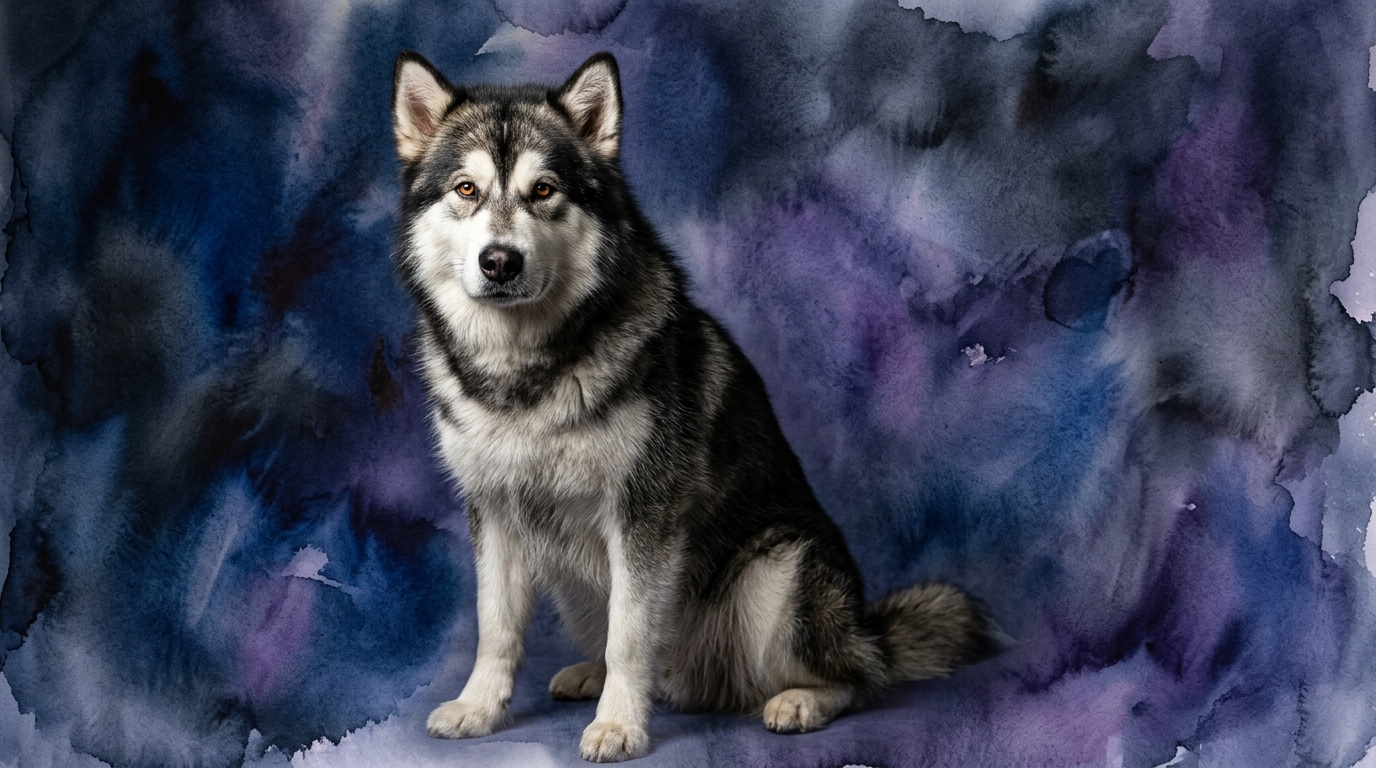
In contrast, the Alaskan Malamute, a Working breed, stands at Coren rank #50, highlighting a different set of cognitive strengths geared towards independence and environmental mastery. Their Problem Solving also scores 4/5, but this manifests as a robust, independent resourcefulness, excelling at navigating complex physical environments or cleverly overcoming obstacles without constant human direction. Their Training Speed, however, is a more measured 2/5, influenced by their historical need for autonomous decision-making as sled dogs, meaning they process commands with a discerning, sometimes selective, approach. Social Intelligence for the Malamute is 3/5; while capable of strong bonds, their social cognition often centers more on understanding pack dynamics and less on eager compliance to human whims, requiring a different approach to relationship building. Their Instinctive Drive is a powerful 5/5, reflecting their profound need for physical exertion, pulling, and exploration, deeply ingrained from generations of working in harsh conditions. Much like the Schnauzer, their Memory is a strong 4/5, allowing them to recall spatial layouts, complex routines, and past experiences, which is crucial for survival and navigating vast territories.
Where the Miniature Schnauzer Wins Cognitively
The Miniature Schnauzer clearly demonstrates a cognitive advantage in areas demanding rapid assimilation of information and close social attunement within a human-centric environment. Their remarkable Training Speed, rated at 5/5, means they pick up new commands and routines with impressive alacrity, often requiring fewer repetitions than many other breeds. This makes them exceptionally responsive to obedience training, agility, or learning complex tricks, where quick understanding and eager execution are paramount. Furthermore, their superior Social Intelligence (4/5) allows them to more readily interpret human body language, vocal inflections, and emotional states. This heightened sensitivity fosters a smoother, more intuitive communication channel with their owners, enabling them to anticipate desires and respond with a deeper level of understanding. This capacity for intuitive interaction, coupled with their consistent performance in Coren's ranking at #12, positions the Miniature Schnauzer as a particularly adept and willing learner in structured, human-guided environments.
Where the Alaskan Malamute Wins Cognitively
While the Miniature Schnauzer excels in conventional obedience, the Alaskan Malamute shines in a different domain of cognition, rooted deeply in its working heritage. Their Instinctive Drive, rated at an impressive 5/5, is a testament to their innate capacity for endurance, independent decision-making, and resourcefulness in challenging conditions. This isn't just about physical stamina; it's a cognitive drive that fuels their ability to navigate complex environments, pull heavy loads over long distances, and assess situations with a pragmatic, self-sufficient mindset. Though both breeds share a 4/5 rating for Problem Solving, the Malamute's application of this skill often manifests as an independent, persistent approach to overcoming physical obstacles or achieving self-directed goals, such as finding a way to access an interesting scent or scaling a fence. Their problem-solving is less about pleasing a handler and more about successful adaptation and survival, making them formidable strategists in their own right when faced with environmental puzzles that demand ingenuity and physical prowess.
Which is Easier to Train and Why
Without question, the Miniature Schnauzer presents an easier training experience for the average owner due to their exceptional Training Speed (5/5). They are eager to engage, attentive, and quickly form associations between commands and actions, making basic and advanced obedience a relatively smooth process. Their terrier tenacity, while sometimes channeled into barking or digging, is often easily redirected into learning tasks and cooperative play. With consistent positive reinforcement, a Miniature Schnauzer typically becomes a well-mannered and responsive companion with relative ease.
In stark contrast, the Alaskan Malamute, with its 2/5 training speed, demands a more patient, consistent, and creative approach. Their powerful Instinctive Drive (5/5) means they are often more interested in pursuing their own agenda – exploring, pulling, or investigating – than in immediate compliance with human commands. They are not dim-witted, but rather possess an independent, discerning mind. A Malamute might understand a command perfectly but choose not to execute it if they don't perceive a compelling reason or if their strong drives are pulling them elsewhere. This independence, a critical trait for a sled dog making autonomous decisions in harsh environments, translates into a significant training challenge for owners expecting quick obedience or eager submissiveness. Training a Malamute is more about building a respectful partnership and convincing them that cooperation is mutually beneficial, rather than simply issuing commands; it requires understanding their motivations and channeling their natural drives.
Suitability for Active vs. Relaxed Owners
For owners seeking a highly active companion who thrives on extensive outdoor adventures and robust physical challenges, the Alaskan Malamute is an ideal match. Their supreme Instinctive Drive and endurance demand a lifestyle filled with long hikes, running, pulling activities like canicross or skijoring, and ample outdoor exploration. These dogs need more than just a daily walk; they require rigorous physical and mental engagement to prevent boredom and channel their powerful energies constructively. Their independent problem-solving skills also mean they benefit from puzzle toys and challenging activities that allow them to think and work autonomously, ensuring their minds are as stimulated as their bodies.
Conversely, the Miniature Schnauzer, while certainly energetic and playful, is a much better fit for owners with a more relaxed lifestyle, or those whose activity levels are moderate. While they enjoy walks, playtime, and mental stimulation through training and games, their exercise requirements are significantly less demanding than a Malamute's. Their adaptability and eagerness to participate in family life make them suitable for apartment living with sufficient daily engagement, or for homes where intense, multi-hour daily excursions are not feasible. They are content with a good walk, some spirited play, and plenty of opportunities for mental work through training sessions and interactive games that leverage their quick learning ability.
The Verdict
Opt for the Miniature Schnauzer if you prioritize a highly trainable companion, eager to learn and socially attuned, capable of thriving in a varied home environment with moderate exercise needs. They excel in structured learning and close human interaction.
Select the Alaskan Malamute if you are an experienced, active owner dedicated to providing extensive physical exertion and patient, consistent training for an independent, resourceful, and robust working breed. They thrive on challenging adventures and self-directed tasks.
🧠 Find Your Pet's IQ Score
Our Pet IQ Lab assessment covers 25+ tests across 5 cognitive dimensions — personalized to your breed.
Take the Full IQ Test →Frequently Asked Questions
Are Miniature Schnauzers good family dogs?
Miniature Schnauzers are generally excellent family dogs, known for their loyal and affectionate nature. Their social intelligence helps them adapt well to family dynamics, though their terrier instincts mean they may be vocal or chase small pets, requiring early socialization and training to manage these tendencies.
How much exercise does an Alaskan Malamute need daily?
Alaskan Malamutes require substantial daily exercise, typically an hour or two of vigorous activity like running, hiking, or pulling. Their high instinctive drive means mental stimulation and consistent engagement are just as important as physical exertion to keep them content and prevent boredom-induced behaviors.
Can an Alaskan Malamute live in a warm climate?
While originating from cold regions, Alaskan Malamutes can adapt to warmer climates with proper precautions. This includes ensuring constant access to shade and water, avoiding exercise during the hottest parts of the day, and providing air-conditioned indoor spaces to prevent overheating and heatstroke.