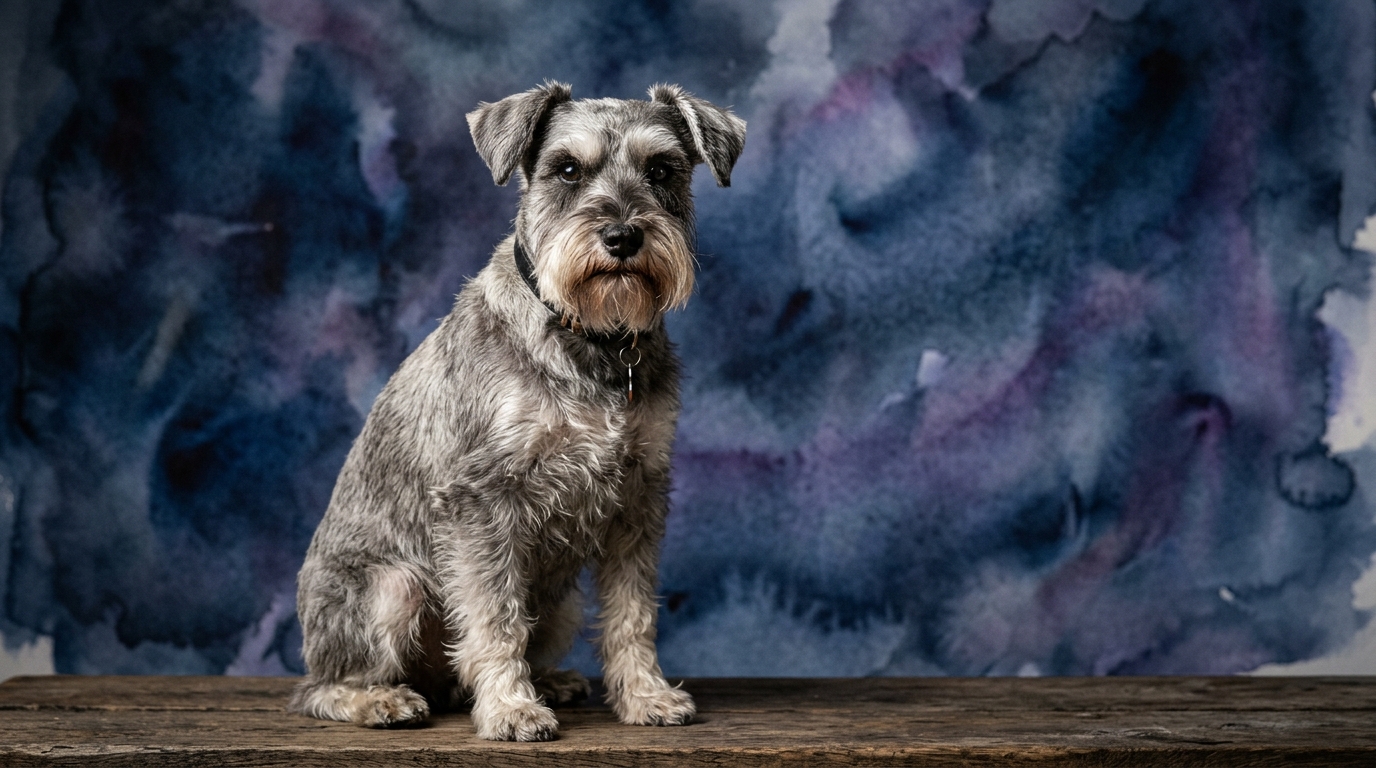
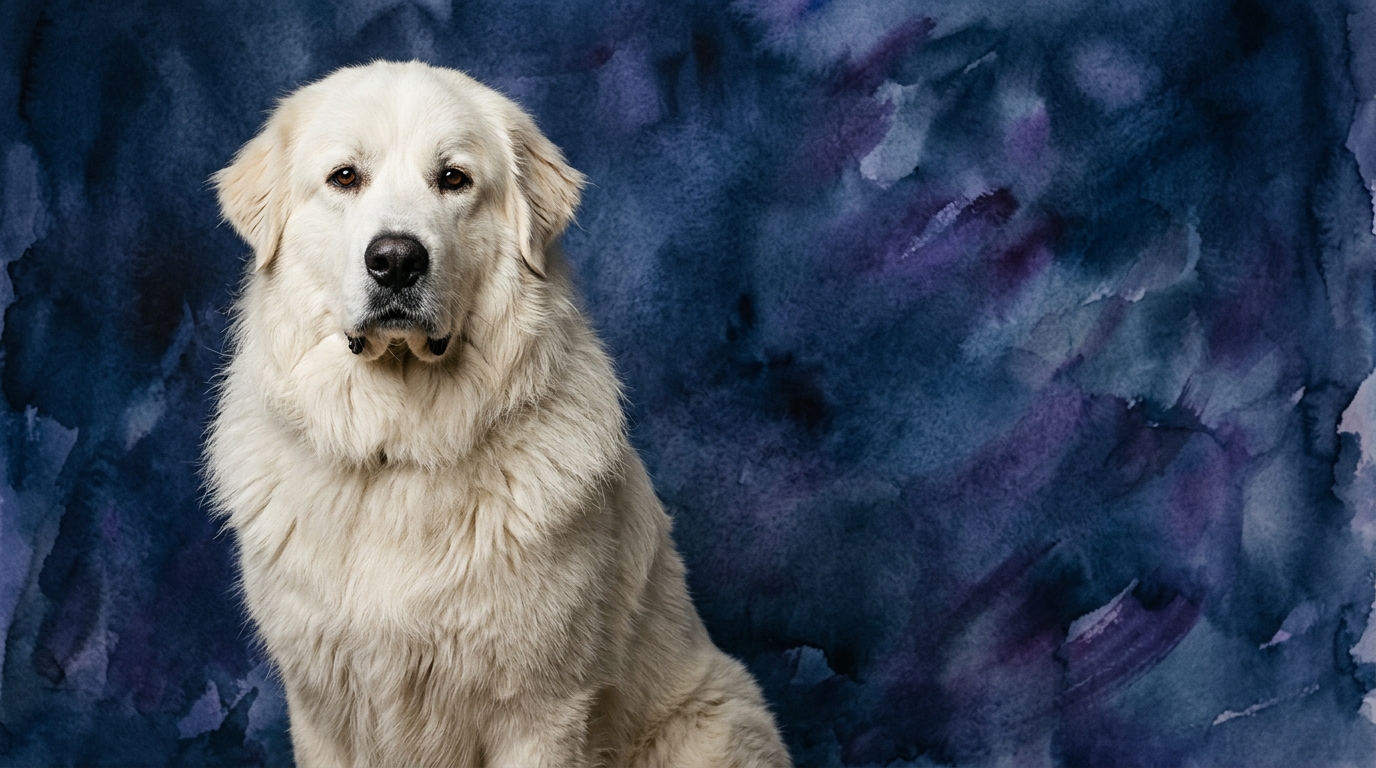
Side-by-Side IQ Profile: Miniature Schnauzer vs. Great Pyrenees
The Cosmic Pet Pet IQ Lab assesses canine intelligence across five key dimensions, revealing the nuanced cognitive landscapes of different breeds. For the Miniature Schnauzer, a Terrier, their profile reflects a quick, adaptable mind built for interaction and task execution. In contrast, the Great Pyrenees, a Working breed renowned for livestock guarding, displays a cognitive makeup prioritizing independent judgment and unwavering vigilance.
Miniature Schnauzer IQ Breakdown (Coren Rank #12): Problem Solving 4/5: These dogs exhibit strong resourcefulness, readily figuring out puzzles or navigating complex environments to achieve a goal, a remnant of their vermin-hunting heritage. Training Speed 5/5: They are exceptionally quick learners, absorbing new commands and routines with remarkable efficiency, often eager to please and respond to direction. Social Intelligence 4/5: Miniature Schnauzers demonstrate a keen ability to interpret human moods and intentions, fostering deep, interactive bonds within their family unit. Instinctive Drive 4/5: Their innate drives are pronounced, including a persistent prey drive and an alert, territorial nature, prompting them to investigate and protect their immediate surroundings. Memory 4/5: They possess a robust memory, retaining learned commands, familiar faces, and established routines over extended periods, contributing to their consistent behavior.
Great Pyrenees IQ Breakdown (Coren Rank #64): Problem Solving 3/5: Great Pyrenees approach problem-solving with a deliberate, independent mindset, often assessing situations for threats and strategizing protection rather than seeking human direction for tasks. Training Speed 3/5: Their independent nature means they learn at a more measured pace, requiring patient, consistent reinforcement, as they prioritize their own judgment in responding to commands. Social Intelligence 3/5: While deeply bonded with their family, their social intelligence is geared towards subtle observation and protection, often reserved with strangers and focused on monitoring their environment for safety. Instinctive Drive 3/5: Their primary instinctive drive is guarding, displaying a calm, watchful territoriality and a readiness to deter perceived threats to their charges or property. Memory 3/5: They exhibit solid memory for their territory, routines, and the individuals they guard, though it leans more towards practical, environmental recall rather than rote memorization of numerous commands.
Where Miniature Schnauzer Wins Cognitively
The Miniature Schnauzer's cognitive strengths shine in areas requiring rapid learning and close partnership with humans. Their 5/5 Training Speed means they excel in obedience, agility, and learning complex tricks, making them highly responsive to instruction. This quick uptake is further supported by their 4/5 Problem Solving score, which allows them to quickly adapt to new challenges in training or novel environments.
Furthermore, their 4/5 Social Intelligence enables them to keenly read human cues, fostering a deep communicative bond. This makes them highly attuned companions who anticipate their owner's wishes and react appropriately in social settings. Their robust 4/5 Memory ensures that once a command or routine is learned, it is retained, contributing to their reputation as reliable and consistent performers in a variety of roles.
Where Great Pyrenees Wins Cognitively
The Great Pyrenees' cognitive advantages are rooted in their millennia-old role as independent livestock guardians. Their 3/5 Problem Solving, while not geared towards rapid, human-directed tasks, excels in strategic, autonomous decision-making in their environment. They are adept at assessing potential threats, understanding flock dynamics, and determining the most effective course of action to protect their charges without direct human intervention.
Their 3/5 Social Intelligence is focused on discerning friend from foe, exhibiting a calm, watchful demeanor towards their family or flock while maintaining a reserved, often wary, stance towards strangers. This specific social aptitude is crucial for their protective duties. Coupled with their 3/5 Memory, which is excellent for spatial awareness of their territory and remembering established patterns of safety and threat, they demonstrate a unique form of practical environmental cognition tailored to their working heritage.
Which Is Easier to Train and Why
Based on their IQ profiles, the Miniature Schnauzer is demonstrably easier to train for typical companion dog behaviors. Their 5/5 Training Speed means they pick up commands quickly, often eager to engage and respond to positive reinforcement. They thrive on structured training sessions and mental stimulation, making them rewarding partners for those who enjoy teaching new skills. Their strong social intelligence also contributes to their willingness to cooperate and please their human companions.
The Great Pyrenees, with a 3/5 Training Speed, presents a different training experience. Their independence, a core trait for a guardian breed, means they are not inherently motivated by human praise or treats if they perceive a command as unnecessary or conflicting with their judgment. Training a Great Pyrenees requires immense patience, consistency, and a deep understanding of their unique motivations. They will often 'consider' a command before obeying, weighing it against their own assessment of the situation, a behavioral difference stemming from their historical need to make autonomous decisions in the field.
Which Suits Active Owners vs. Relaxed Owners
For active owners seeking a dynamic, engaged companion, the Miniature Schnauzer is an ideal match. Their robust 4/5 Instinctive Drive fuels a need for consistent physical activity and mental challenges. They thrive in environments where they can participate in regular walks, playtime, and even dog sports like agility or earthdog trials, channeling their terrier tenacity productively. Owners who enjoy teaching new things and integrating their dog into a busy, interactive lifestyle will find the Miniature Schnauzer's cognitive profile highly compatible.
Conversely, the Great Pyrenees suits owners who appreciate a more relaxed, yet watchful, presence. While they need regular exercise, it often manifests as patrolling a large, securely fenced property rather than high-intensity, human-directed activities. Their independent nature and moderate instinctive drive (3/5) mean they are content to observe and guard. Owners who can provide a spacious environment and value a calm, protective companion, rather than one constantly seeking interaction or instruction, will find the Great Pyrenees a suitable fit. They are not necessarily 'relaxed' in their duties, but rather in their need for constant human-initiated engagement.
The Verdict
Choose a Miniature Schnauzer if you desire an interactive, highly trainable companion eager for mental and physical engagement, perfect for an active family or those interested in dog sports.
Opt for a Great Pyrenees if you value an independent, calm, and protective guardian with a strong sense of territory, suited for owners with ample space who appreciate a watchful, self-reliant presence.
🧠 Find Your Pet's IQ Score
Our Pet IQ Lab assessment covers 25+ tests across 5 cognitive dimensions — personalized to your breed.
Take the Full IQ Test →Frequently Asked Questions
Is a Miniature Schnauzer a good choice for first-time dog owners?
Yes, their high training speed and social intelligence generally make them a good fit for first-time owners who are committed to consistent training and providing ample mental and physical stimulation. Their eagerness to please simplifies the learning process for both dog and owner.
Do Great Pyrenees need a lot of space?
Great Pyrenees benefit significantly from having a large, securely fenced yard or property where they can patrol and observe their surroundings. This fulfills their instinctive guarding drive and provides the mental and physical outlet they need, aligning with their independent problem-solving nature.
How do their grooming needs compare?
Miniature Schnauzers require regular professional grooming, including stripping or clipping, to maintain their distinctive wiry coat and prevent matting. Great Pyrenees possess a dense double coat that sheds heavily seasonally, necessitating frequent brushing, often several times a week, to manage shedding and prevent tangles.