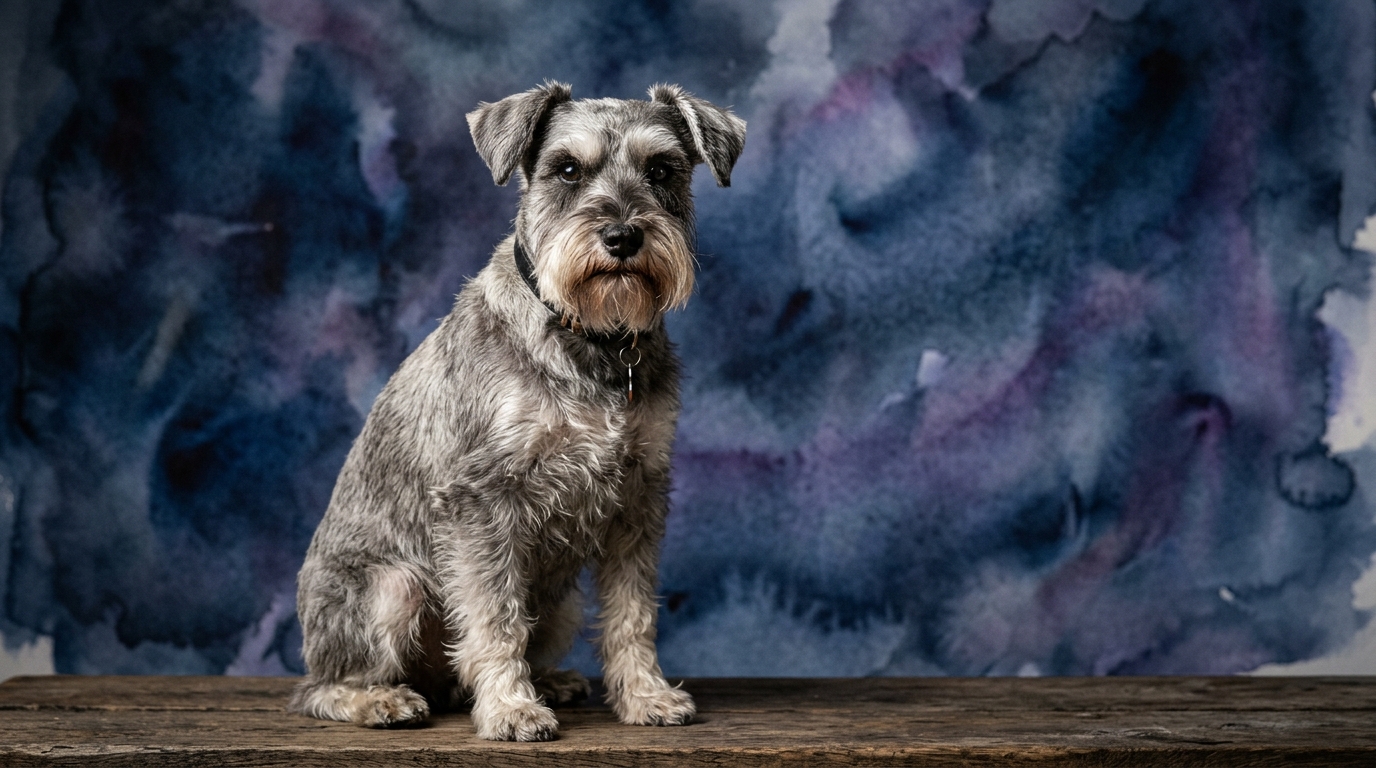
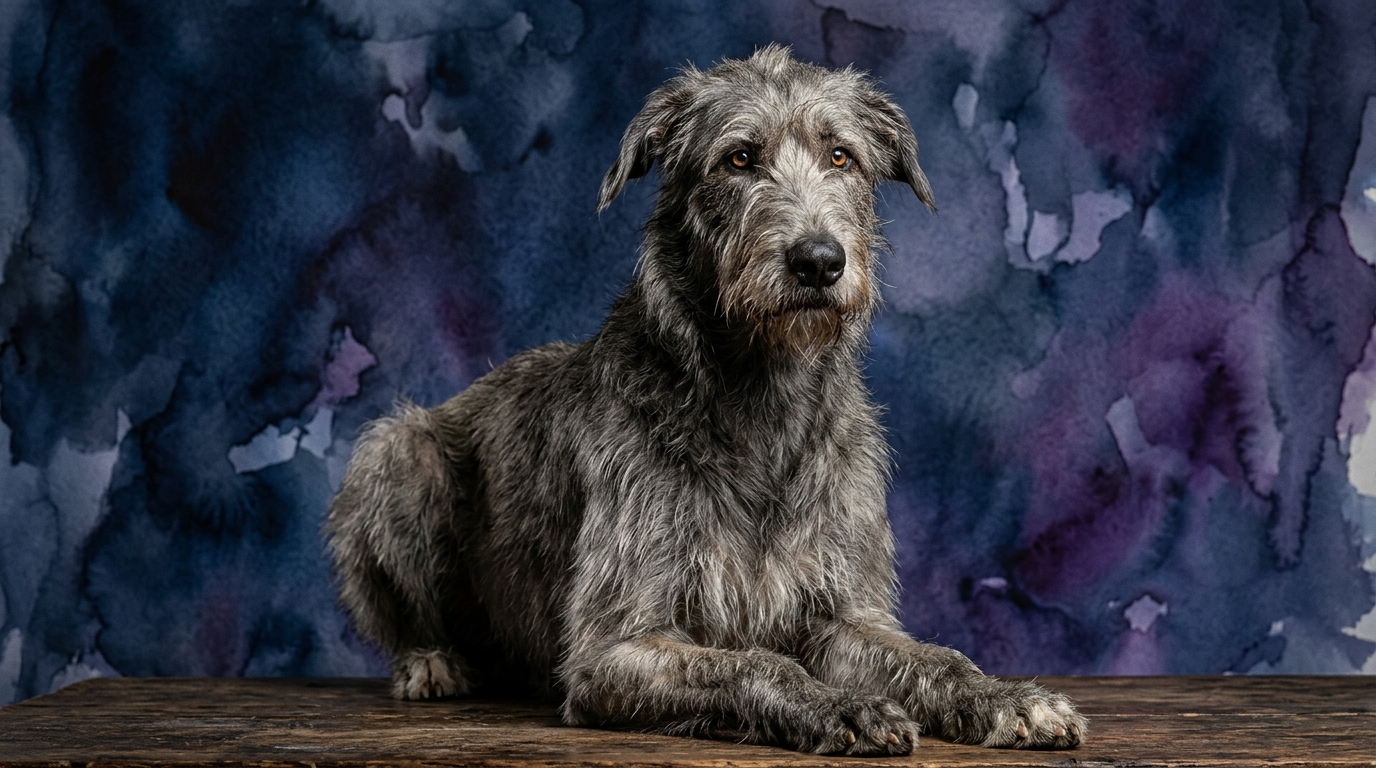
Side-by-Side IQ Profile: Miniature Schnauzer
The Miniature Schnauzer, a Terrier breed, holds a notable Coren ranking of #12, indicating a strong capacity for understanding and executing commands. Their cognitive profile reflects a generally adaptable and engaged mind.
**Problem Solving (4/5):** Miniature Schnauzers demonstrate a robust ability to navigate complex situations and figure out solutions. This manifests in their capacity to open latches, locate hidden treats, or adapt to novel routines with minimal frustration. Their terrier tenacity often fuels a persistent approach to mental challenges.
**Training Speed (5/5):** This breed excels in acquiring new commands and behaviors rapidly. Owners often find they grasp concepts quickly, requiring fewer repetitions than many other breeds. This quick uptake makes them responsive candidates for obedience, agility, and various dog sports, eager to engage in structured learning.
**Social Intelligence (4/5):** Miniature Schnauzers exhibit a keen awareness of human social cues and environmental dynamics. They are adept at reading body language and tone, often adjusting their behavior to elicit desired responses or to fit into a social setting. This contributes to their reputation as companion animals who form strong, communicative bonds.
**Instinctive Drive (4/5):** Their terrier heritage endows them with a pronounced drive for pursuits like chasing small prey, digging, and guarding. This instinctive intelligence translates into focused determination when engaged in tasks that tap into these natural inclinations, making them alert and purposeful.
**Memory (4/5):** Miniature Schnauzers possess a solid memory, retaining learned commands, routines, and social experiences effectively. This cognitive strength ensures they remember house rules, previously learned tricks, and the expectations of their human companions over extended periods.
Side-by-Side IQ Profile: Irish Wolfhound
The Irish Wolfhound, a Sighthound breed, is not listed in Coren's ranking, which often suggests a different cognitive style rather than a deficit. Their intelligence is characterized by a more independent and deliberate approach, reflecting their historical role.
**Problem Solving (3/5):** Irish Wolfhounds approach problem-solving with a measured, often independent, perspective. While capable of understanding and resolving straightforward issues, they may not exhibit the same eagerness to engage with complex puzzles or manipulative tasks as some other breeds. Their solutions tend to be practical and direct.
**Training Speed (3/5):** This breed learns at a more moderate pace, requiring patience, consistency, and positive reinforcement. While not as quick to pick up new commands as the Schnauzer, they are certainly trainable. Their learning style often benefits from shorter, engaging sessions that prevent boredom and capitalize on their desire to please their primary caregivers.
**Social Intelligence (3/5):** Irish Wolfhounds possess a gentle social intelligence, capable of reading human moods and intentions, though perhaps less overtly reactive than a Schnauzer. They are known for their calm demeanor and ability to integrate smoothly into family life, often forming deep, quiet bonds with their humans and responding to subtle emotional shifts.
**Instinctive Drive (3/5):** Their sighthound heritage provides them with a distinct drive for observation and pursuit, particularly of moving objects. This drive is powerful when activated but typically manifests in bursts, interspersed with long periods of calm repose. They possess a focused, rather than constantly intense, instinct for their original purpose.
**Memory (3/5):** Irish Wolfhounds demonstrate a reliable memory for routines, learned behaviors, and the people important to them. They recall daily schedules, established commands, and significant interactions, contributing to their consistent and predictable nature once a behavior is established.
Where Miniature Schnauzer Wins Cognitively
The Miniature Schnauzer's cognitive strengths are particularly evident in their rapid learning and adaptability to novel situations. Their 5/5 training speed means they internalize new commands with impressive efficiency, making them excellent candidates for advanced obedience or competitive dog sports where quick acquisition of complex routines is paramount. Their 4/5 problem-solving ability also gives them an edge in tasks requiring independent thought and manipulation, such as puzzle toys or navigating obstacle courses designed to test mental agility. They tend to be more proactive in seeking out cognitive challenges and engaging with their environment in a mentally stimulating way, often anticipating owner cues.
Where Irish Wolfhound Wins Cognitively
While scoring lower across the board, the Irish Wolfhound's cognitive profile demonstrates a unique blend of strengths. Their 'wins' lie in their measured approach and focused independence, particularly valuable in their historical role. A 3/5 in problem-solving, coupled with their instinctive drive, suggests a capacity for thoughtful, rather than frantic, decision-making when faced with a task, such as tracking. Their social intelligence, though rated 3/5, often manifests as a deep, quiet understanding of their family, allowing them to provide a calm, reassuring presence and respond to subtle emotional shifts without being overly boisterous. Their cognitive style promotes a steady, reliable demeanor, less prone to the frenetic energy sometimes seen in breeds with higher, more intense drives.
Which is Easier to Train and Why
Based on the Pet IQ Lab scores, the Miniature Schnauzer is demonstrably easier to train for general obedience and complex tasks. Their 5/5 training speed means they typically pick up commands in fewer repetitions and retain them more readily. This breed's eagerness to engage and their strong social intelligence (4/5) make them highly responsive to positive reinforcement and clear directives. They often thrive on the mental stimulation of training sessions, viewing them as an enjoyable collaborative activity. In contrast, the Irish Wolfhound's 3/5 training speed indicates a more deliberate learning pace. While capable of learning, they require more patience, consistency, and a highly positive training environment to prevent boredom or disengagement. Their independent hound nature means they might not always see the immediate 'point' of a command, requiring owners to be more persuasive and clear about expectations, often through reward-based methods and shorter, focused sessions.
Which Suits Active Owners vs Relaxed Owners
For owners who enjoy active engagement and mental challenges with their canine companion, the Miniature Schnauzer is an excellent fit. Their keen problem-solving ability and rapid training speed align well with lifestyles that include regular training sessions, dog sports like agility or rally obedience, and interactive puzzle play. They thrive on consistent mental stimulation and physical activity, making them ideal for individuals or families who want a dog that's always ready for the next adventure or learning opportunity. Conversely, the Irish Wolfhound is better suited for more relaxed owners who appreciate a calm, dignified presence and are prepared for a more patient approach to training. While they require significant physical exercise due to their size, their cognitive style is less about constant mental gymnastics and more about a steady, observant companionship. Owners who enjoy long, leisurely walks, quiet evenings, and are comfortable with a dog that learns at its own pace will find the Irish Wolfhound a rewarding companion.
The Verdict
Choose the Miniature Schnauzer if you seek a highly trainable, mentally agile companion eager to engage in complex learning and interactive play. They are ideal for owners who enjoy consistent mental stimulation and a responsive, quick-witted dog.
Opt for the Irish Wolfhound if you appreciate a calm, majestic presence and value a dog with a steady, independent temperament, provided you offer patient, consistent training. They are suited for owners who prioritize a gentle giant and a measured approach to canine companionship.
🧠 Find Your Pet's IQ Score
Our Pet IQ Lab assessment covers 25+ tests across 5 cognitive dimensions — personalized to your breed.
Take the Full IQ Test →Frequently Asked Questions
Do Irish Wolfhounds respond well to training despite their 3/5 training speed?
Yes, Irish Wolfhounds are certainly trainable, but they benefit from consistent, positive reinforcement methods and shorter training sessions. Their deliberate learning style means patience is key, and owners should focus on making training enjoyable to maintain engagement.
Are Miniature Schnauzers prone to being overly energetic due to their high cognitive scores?
Miniature Schnauzers possess considerable energy and a drive for mental engagement. While not necessarily 'overly' energetic, they do require regular physical activity and mental challenges to prevent boredom, which can manifest as undesirable behaviors if not addressed.
How does the Coren ranking relate to the Pet IQ Lab scores for these breeds?
The Coren ranking often reflects a breed's 'working intelligence' or trainability, aligning closely with the 'training speed' and 'problem solving' dimensions. The Miniature Schnauzer's #12 Coren rank is consistent with its high scores in these areas, while the Irish Wolfhound's unranked status suggests a different cognitive emphasis, not necessarily a lack of intelligence, but perhaps a less conventional working style.