Side-by-Side Cognitive Profiles
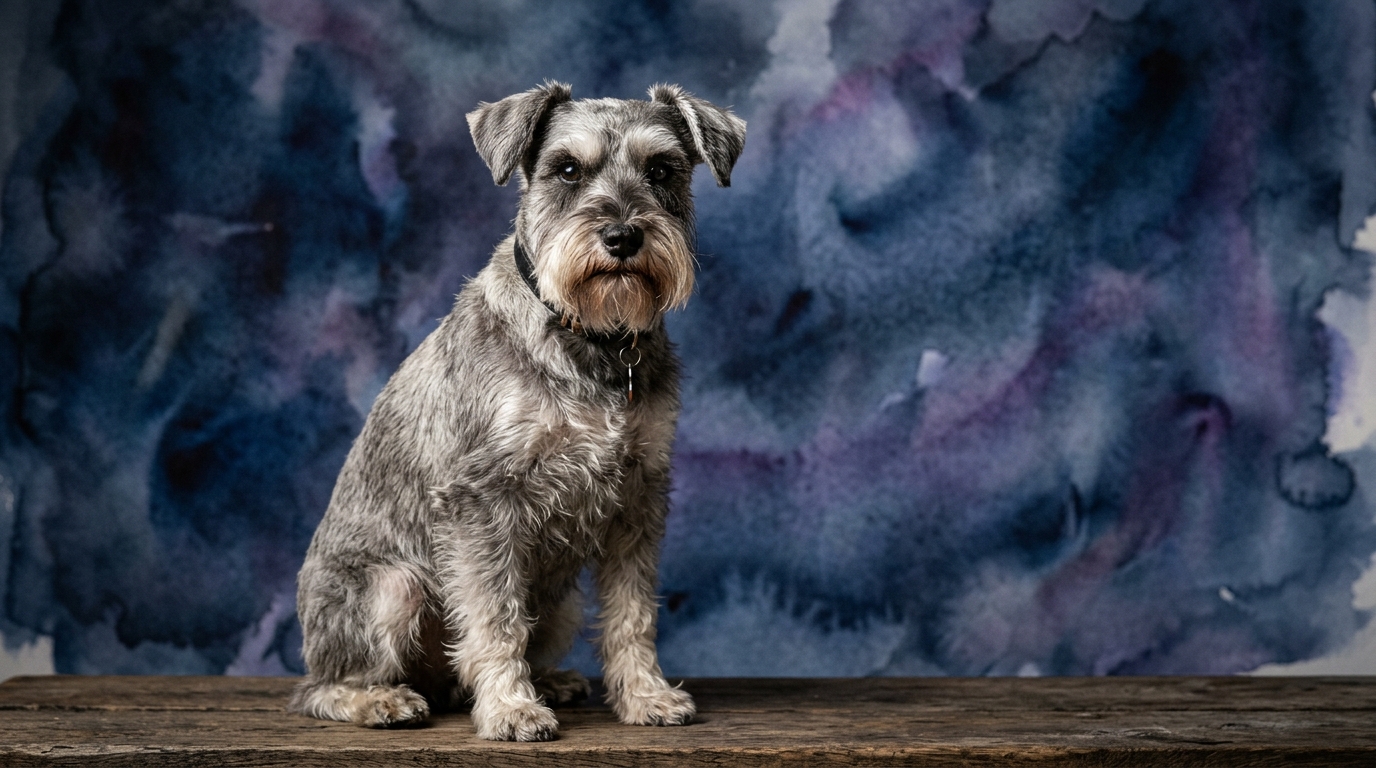
The Miniature Schnauzer, a vibrant terrier ranked #12 by Coren for working and obedience intelligence, presents a profile marked by agility and engagement. Their Problem Solving is rated 4/5, indicating a strong capacity for figuring out novel challenges, such as opening treat puzzles or navigating complex environments. Training Speed is an exceptional 5/5, reflecting a keen eagerness to learn and retain commands with minimal repetition. Social Intelligence stands at 4/5, showing a nuanced understanding of human cues and household dynamics, often leading to charming, if sometimes manipulative, interactions. An Instinctive Drive of 4/5 points to their terrier heritage, manifesting in a strong prey drive and a desire for active engagement. Finally, their Memory is a robust 4/5, allowing them to recall routines, commands, and past experiences with impressive consistency.
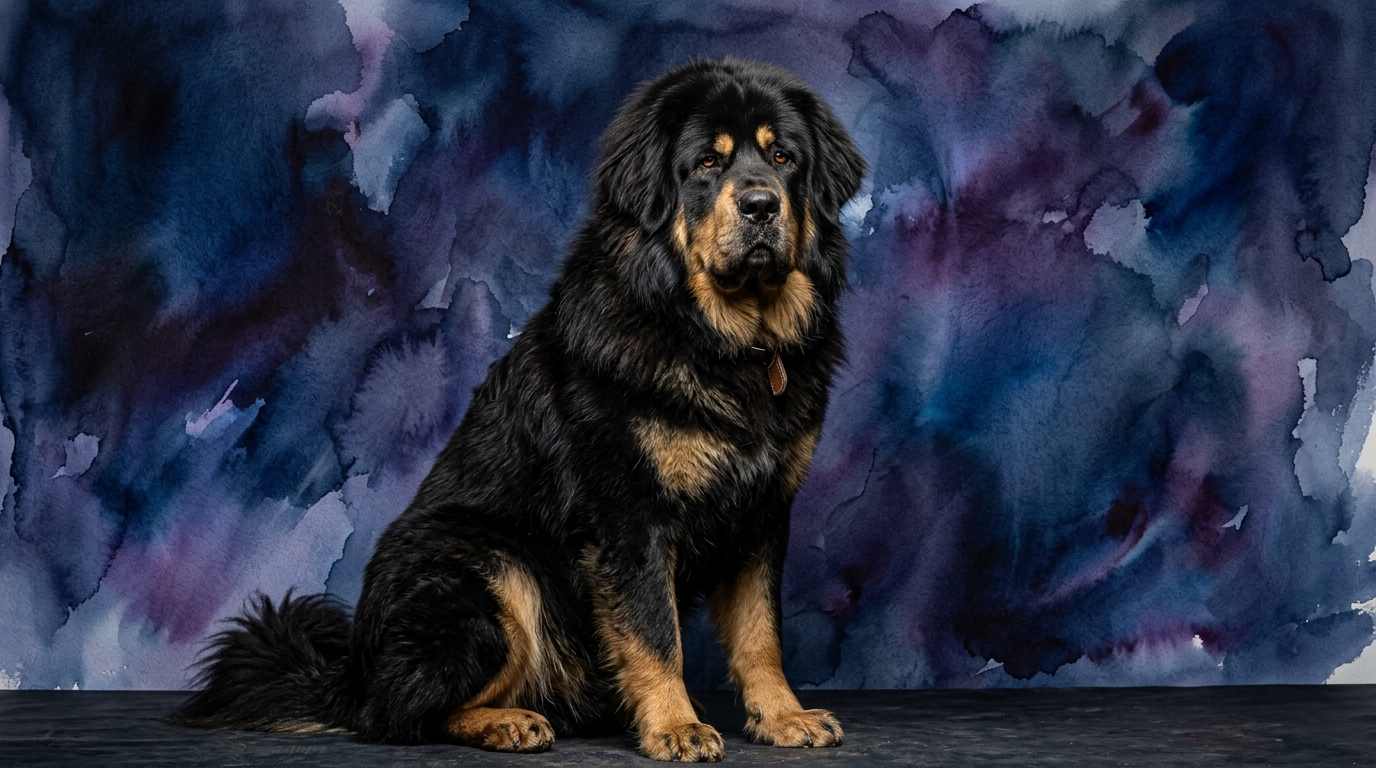
In contrast, the Tibetan Mastiff, a majestic working breed not included in Coren's rankings, possesses a distinct cognitive makeup suited to its ancient role as a guardian. Their Problem Solving is rated 3/5, focusing less on abstract puzzles and more on practical, real-world assessments related to territory and security. Training Speed is 3/5; while capable of learning, they often require more patience and consistency due to their independent nature, typically evaluating the 'why' before complying. Social Intelligence is also 3/5, characterized by deep loyalty to their immediate family but a reserved, often suspicious, demeanor towards strangers, processing social cues primarily within their established pack. An Instinctive Drive of 3/5 is predominantly geared towards watchful vigilance and territorial protection, rather than active pursuit or high-energy tasks. Their Memory, at 3/5, is strong for routines, perceived threats, and established relationships, though they might hold long-term associations based on initial interactions.
Where the Miniature Schnauzer Excels Cognitively
The Miniature Schnauzer's cognitive strengths lie in their remarkable adaptability and enthusiasm for learning. Their 4/5 Problem Solving score means they readily engage with new situations, quickly figuring out how to achieve desired outcomes, whether it's retrieving a hidden toy or understanding a new household rule. This makes them highly versatile companions who can thrive in varied home environments and enjoy diverse activities.
Furthermore, their superior Training Speed (5/5) and Memory (4/5) combine to make them exceptionally receptive to formal training and ongoing education. They absorb new commands rapidly, often delighting in the mental stimulation of learning complex sequences and performing tricks. This cognitive agility allows them to excel in canine sports like obedience and agility, where quick thinking and precise execution are paramount. Their 4/5 Social Intelligence also gives them an edge in navigating complex human social structures, making them adept at charming guests and integrating smoothly into family life.
Where the Tibetan Mastiff Demonstrates Unique Strengths
The Tibetan Mastiff's cognitive prowess is rooted in independent judgment and strategic vigilance, traits honed over centuries as formidable guardians. While their Problem Solving is rated 3/5, this score reflects a practical intelligence focused on assessing and responding to real-world threats rather than engaging in abstract games. They possess an innate ability to evaluate their surroundings, identify potential dangers, and make autonomous decisions regarding their territory and family's security without constant human direction.
Their 3/5 Social Intelligence, though selective, results in profound, unwavering loyalty to their chosen family. This isn't a deficiency but a specialized form of social processing; they are astute at discerning friend from foe, exhibiting a cautious, measured approach to new individuals. This discernment, coupled with their powerful Instinctive Drive for protection, allows them to be highly effective and reliable protectors. Their environmental awareness is exceptional, noticing subtle shifts in their territory, a practical application of memory and problem-solving geared towards their primary role.
Ease of Training: A Tale of Two Motivations
When it comes to training, the Miniature Schnauzer is notably easier to guide. Their 5/5 Training Speed is a testament to their inherent eagerness to please and their high motivation for positive reinforcement, whether it's a tasty treat, enthusiastic praise, or a favorite toy. They thrive on clear structure and relish the mental engagement that training provides, readily focusing on their handler and quickly grasping new commands. Their natural exuberance and attentiveness make them highly responsive, often making them stars in obedience classes.
The Tibetan Mastiff, with a 3/5 Training Speed, presents a more significant challenge. Their independent, self-reliant nature means they are not intrinsically driven to please humans in the same way a Schnauzer is. Training requires immense patience, unwavering consistency, and a deep understanding of their guardian mindset. They learn most effectively when they perceive a command as logical or beneficial to them, rather than simply complying out of deference. Forceful or punitive methods are counterproductive, instead, positive reinforcement, trust-building, and clear, consistent boundaries are paramount. They might understand a command but choose not to execute it if they are distracted by a perceived threat or simply don't see the immediate utility.
Matching Breeds to Lifestyles: Active vs. Committed Owners
The Miniature Schnauzer is an ideal match for active owners who seek a highly engaged companion. Their energetic demeanor and strong cognitive scores across problem-solving, training speed, and instinctive drive mean they require consistent mental stimulation through training, interactive play, and puzzle toys, alongside regular physical exercise. They thrive on being involved in family activities and enjoy having a 'job' to do, making them excellent partners for walks, hikes, or even canine sports. A relaxed owner who cannot provide this level of engagement might find their spirited nature leading to boredom or undesirable behaviors.
The Tibetan Mastiff, while requiring a deeply committed owner, is not 'active' in the same high-energy sense as a terrier. Their activity often involves patrolling their territory, observing their surroundings from a vantage point, or engaging in short, powerful bursts of movement. They suit owners who appreciate a calm, watchful presence and are prepared for the immense responsibility of managing a powerful, independent guardian breed. 'Relaxed' owners, in this context, refers to those who don't need a running partner, but they must be highly dedicated to consistent socialization, specialized training, and providing a secure, spacious environment that accommodates their size and guardian instincts. Their needs are profound, requiring more commitment to management than to daily vigorous exercise.
The Verdict
Choose the Miniature Schnauzer if you desire an engaged, highly trainable companion who thrives on learning, active participation in family life, and offers lively social interaction within a manageable size.
Opt for the Tibetan Mastiff if you are an experienced dog owner with ample space, valuing an independent, profoundly loyal protector, and are prepared for the significant commitment to their specific needs and unique training challenges.
🧠 Find Your Pet's IQ Score
Our Pet IQ Lab assessment covers 25+ tests across 5 cognitive dimensions — personalized to your breed.
Take the Full IQ Test →Frequently Asked Questions
Is the Miniature Schnauzer suitable for first-time dog owners?
Yes, their high training speed and social intelligence make them generally suitable for first-time owners willing to commit to consistent training and mental stimulation. They are eager to learn and form strong bonds, making the training process rewarding.
Do Tibetan Mastiffs require a lot of exercise?
Tibetan Mastiffs generally require moderate exercise; they are not typically high-energy dogs for endurance activities. Their exercise often involves patrolling their territory or short, powerful bursts, making a securely fenced yard more crucial than long daily runs.
How do their social needs differ?
Miniature Schnauzers are generally outgoing and thrive on social interaction with family and friendly strangers, displaying a higher social intelligence for varied interactions. Tibetan Mastiffs, while deeply loyal to their family, are more reserved and protective, often suspicious of strangers, reflecting a specialized social intelligence focused on discernment and guarding.