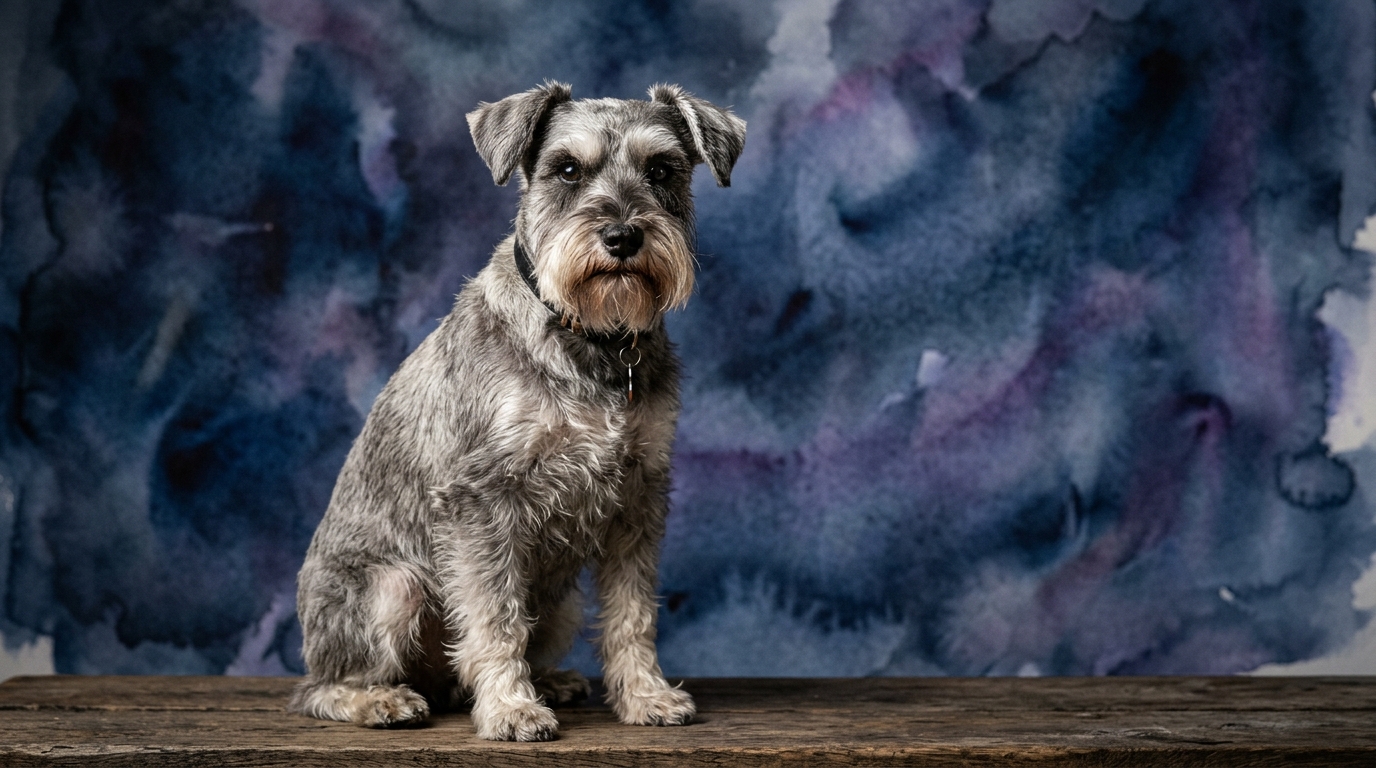
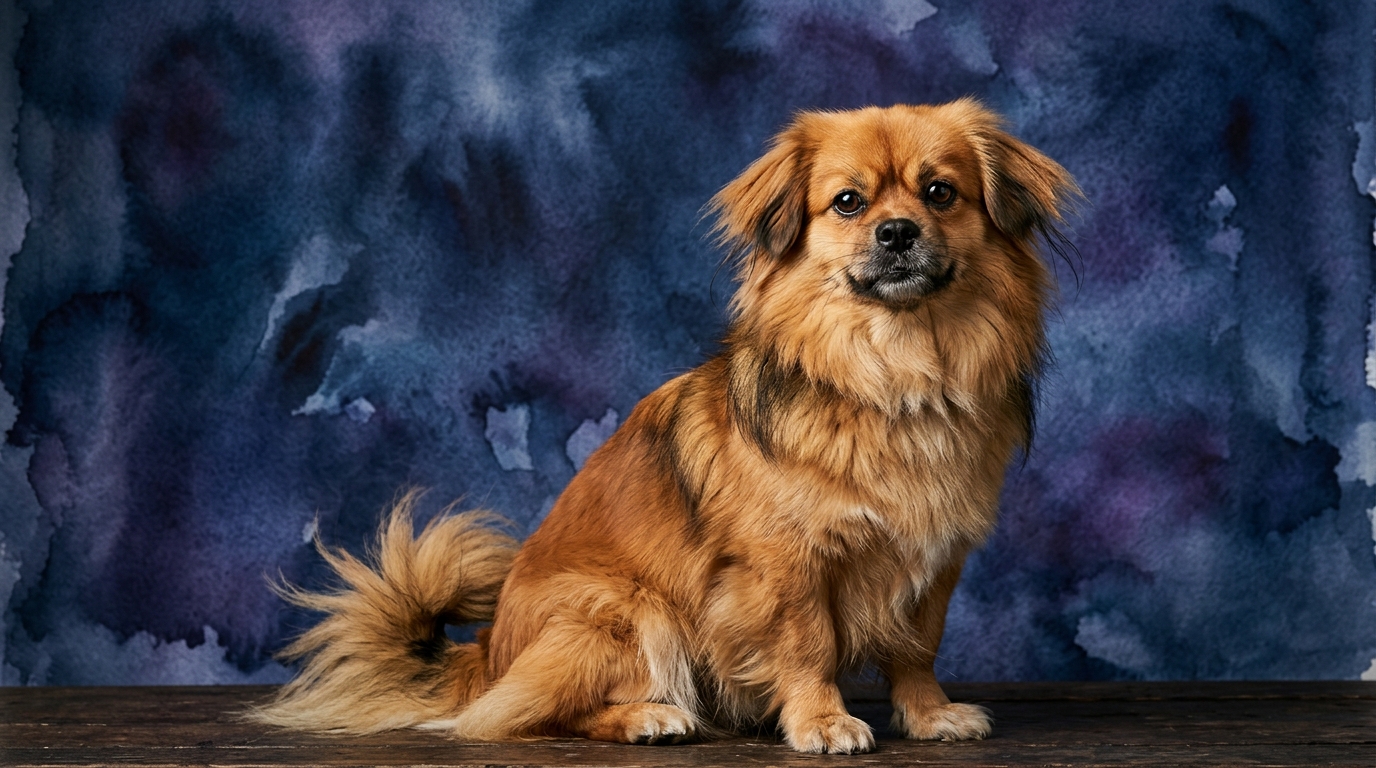
Side-by-Side IQ Profile: Miniature Schnauzer vs. Tibetan Spaniel
To understand a breed's cognitive strengths, we examine five key dimensions. Problem Solving measures a dog's capacity to navigate novel situations and adapt strategies. Training Speed reflects how quickly a dog comprehends and consistently executes new commands. Social Intelligence gauges a dog's ability to interpret human cues and understand social dynamics. Instinctive Drive quantifies innate urges like hunting or guarding, influencing motivation. Finally, Memory assesses the retention of commands, experiences, and routines.
The Miniature Schnauzer, Coren-ranked at #12, exhibits a robust cognitive profile. With Problem Solving at 4/5, they are adept at figuring out new challenges, often showing cleverness in their approach to obstacles. Their Training Speed of 5/5 is exceptional, indicating a swift grasp of commands and a strong desire to comply, making them highly responsive learners. Social Intelligence at 4/5 means they are perceptive to human emotions and social structures, often forming strong, communicative bonds. An Instinctive Drive of 4/5 reflects their terrier heritage, manifesting as a keen interest in exploring and a determined pursuit of perceived 'prey.' Their Memory at 4/5 ensures they retain learned behaviors and routines efficiently, contributing to their consistent performance.
The Tibetan Spaniel, while not Coren-ranked, presents a more moderate, yet equally functional, cognitive blueprint. Their Problem Solving is rated 3/5, suggesting they can navigate familiar challenges but might require more guidance in complex, novel scenarios. A Training Speed of 3/5 implies they learn at a steady pace, but their independent nature might mean they choose to respond on their own terms, requiring patience and consistent, positive reinforcement. Social Intelligence at 3/5 indicates they are observant of their human companions, forming affectionate bonds, but perhaps less overtly eager to please or interpret every subtle cue. Their Instinctive Drive, also 3/5, is present but typically less intense, often manifesting as a watchful nature and an inclination to survey their surroundings. Memory at 3/5 suggests they retain information adequately for daily life and basic commands, though perhaps not with the same precision or recall speed as their Schnauzer counterpart.
Where the Miniature Schnauzer Wins Cognitively
The Miniature Schnauzer's cognitive strengths are particularly evident in their rapid acquisition of new skills and their proactive approach to their environment. Their 5/5 Training Speed score is a clear indicator of a dog that thrives on structured learning; they absorb commands with remarkable alacrity, often eager to please and quick to offer desired behaviors. This makes them outstanding candidates for obedience, agility, and other dog sports where precision and prompt responses are paramount.
Beyond rote learning, their 4/5 Problem Solving aptitude means they don't just follow instructions but can also reason through novel situations. They possess an innate curiosity and a terrier's determination, often finding creative solutions to access intriguing objects or navigate complex environments. This cognitive agility allows them to adapt quickly to new routines or unexpected changes, making them versatile companions. Their robust Social Intelligence (4/5) further enhances their partnership potential, as they are attuned to human moods and intentions, often anticipating requests before they are fully voiced. This strong grasp of social cues allows for a deeper, more nuanced communication between dog and owner.
Where the Tibetan Spaniel Wins Cognitively
While the Tibetan Spaniel's cognitive scores are generally more moderate, their unique blend of traits fosters a distinct kind of 'win' for specific lifestyles and preferences. Their 3/5 in all categories points to a balanced, self-possessed intellect rather than a deficiency. The Tibetan Spaniel excels in their observational intelligence and independent thought, a legacy of their historical role as monastery companions and watchdogs who needed to be alert but not overly reactive.
Their moderate Instinctive Drive (3/5) means they are less prone to the intense prey drive or relentless energy that might characterize a terrier, making them more adaptable to quieter, indoor living without constant external stimulation. This allows them to 'win' in scenarios where an owner seeks a companion content with observing and participating on their own terms, rather than constantly seeking direction. Their Social Intelligence at 3/5, while not as overtly 'people-pleasing' as some breeds, fosters a deep, discerning bond. They are often described as having a 'cat-like' independence, choosing when and how to engage, which can be a refreshing quality for owners who appreciate a companion with a clear sense of self. This self-reliance also means they can be left alone for reasonable periods without developing intense separation anxiety, provided they receive adequate exercise and enrichment.
Which is Easier to Train and Why
When it comes to ease of training, the Miniature Schnauzer holds a distinct advantage, primarily due to their exceptional Training Speed rating of 5/5. These dogs are typically eager students, quick to grasp new commands and motivated by positive reinforcement, whether it's treats, praise, or a favorite toy. Their terrier tenacity, coupled with their desire to engage with their human partners, translates into focused training sessions and rapid progress through obedience levels. They are often described as 'biddable,' meaning they are generally inclined to comply with instruction, making the training process a rewarding and efficient experience for both dog and owner. Their strong memory (4/5) ensures that once a command is learned, it is retained effectively, leading to consistent performance.
The Tibetan Spaniel, with a Training Speed of 3/5, presents a different training dynamic. While certainly capable of learning, they are often characterized by an independent streak and a discerning nature. They may not always see the immediate benefit in performing a command, or they might prefer to evaluate the request on their own terms before responding. This isn't a lack of intelligence, but rather a difference in motivation and temperament; they are less driven by a desire to constantly please or to work in a highly structured manner. Training a Tibetan Spaniel requires more patience, consistency, and a deep understanding of positive reinforcement. Owners must make training fun, engaging, and always rewarding, avoiding harsh corrections which can cause them to shut down. Their training journey might be slower, but it builds a strong foundation of trust and respect, resulting in a well-mannered companion who chooses to cooperate rather than simply obey.
Which Suits Active Owners vs. Relaxed Owners
For active owners seeking a dynamic partner for adventures and structured activities, the Miniature Schnauzer is often the more suitable choice. Their 4/5 Instinctive Drive means they possess a natural zest for life and an eagerness for engagement that requires consistent outlets. These dogs thrive on mental and physical stimulation, excelling in dog sports like agility, earthdog trials, and obedience competitions. Owners who enjoy daily walks, challenging puzzle toys, and consistent training will find a Miniature Schnauzer to be an enthusiastic and capable companion. Their 4/5 Problem Solving and 5/5 Training Speed make them excellent partners for learning complex routines or participating in tasks that require focus and adaptability; they are dogs that want a 'job.'
Conversely, the Tibetan Spaniel's cognitive profile aligns more closely with relaxed owners who appreciate a companion with a calmer demeanor and a more independent spirit. Their moderate 3/5 Instinctive Drive suggests they are content with regular, but not necessarily intense, exercise. While they enjoy walks and playtime, they are equally happy to curl up on the couch or observe the household from a comfortable perch. Owners who prefer a less demanding companion, one that enjoys shared quiet moments as much as active outings, will find the Tibetan Spaniel a delightful fit. Their 3/5 Social Intelligence means they form strong bonds but are not typically clingy, offering a balanced presence. They are well-suited for apartment living, provided they receive daily walks and mental enrichment through interactive toys or short training sessions. This breed thrives with owners who respect their independent nature and appreciate a companion that offers affection on its own terms.
The Verdict
The Miniature Schnauzer is an excellent choice for owners who desire an eager, highly trainable, and mentally agile companion ready for consistent engagement and structured activities. They thrive with active participation and clear direction, making them ideal for those committed to ongoing training and dog sports.
The Tibetan Spaniel suits owners who appreciate a more independent, observational, and self-possessed companion, content with moderate activity and a calmer home environment. They are best for those who value a discerning bond and are patient with a training style that respects their unique spirit.
🧠 Find Your Pet's IQ Score
Our Pet IQ Lab assessment covers 25+ tests across 5 cognitive dimensions — personalized to your breed.
Take the Full IQ Test →Frequently Asked Questions
Are Miniature Schnauzers good with children?
Miniature Schnauzers typically form strong bonds with family members, including children, thanks to their 4/5 Social Intelligence. However, their terrier energy and occasional strong will mean supervision is essential, especially with very young children, to ensure respectful interactions. Early socialization helps them adapt well to family life.
Do Tibetan Spaniels bark a lot?
Tibetan Spaniels have a history as watchful companions, and their 3/5 Instinctive Drive includes an alert nature, which can lead to barking at new sounds or visitors. While not excessive, their vocalizations serve as a warning system; consistent training and desensitization can help manage this tendency in a home environment.
How much grooming do these breeds require?
Miniature Schnauzers require regular grooming, including professional clipping or hand stripping every 5-8 weeks, plus daily brushing to prevent matting of their double coat. Tibetan Spaniels have a silky double coat that sheds moderately and benefits from weekly brushing to keep it healthy and free of tangles, with less frequent professional grooming needed.