Side-by-Side IQ Profile: Miniature Schnauzer vs. Whippet
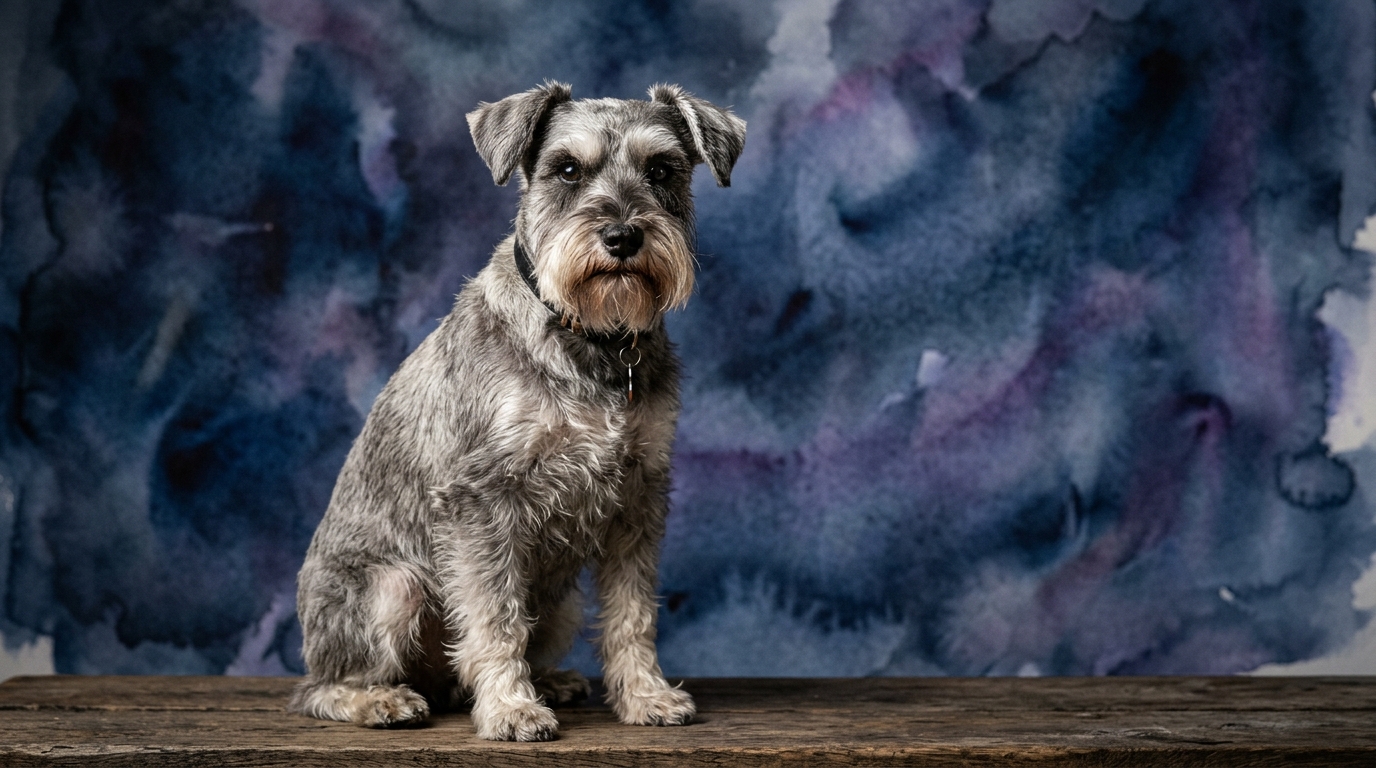
The Cosmic Pet Pet IQ Lab employs a five-dimensional framework to assess canine cognition, providing a nuanced understanding beyond simple obedience. For the Miniature Schnauzer, a Terrier breed with a Coren rank of #12, its profile reflects a sharp, engaged mind. Its Problem Solving is rated 4/5, indicating a strong capacity to analyze novel situations and devise solutions, such as figuring out complex food puzzles or navigating new environments. Training Speed scores an impressive 5/5, suggesting these dogs grasp new commands and routines with remarkable alacrity. Social Intelligence, at 4/5, highlights their attunement to human cues and their ability to form strong, collaborative bonds. An Instinctive Drive of 4/5 points to a well-developed prey drive, typical of terriers, but one that can often be channeled and managed. Finally, Memory at 4/5 signifies an excellent ability to recall learned behaviors and past experiences.
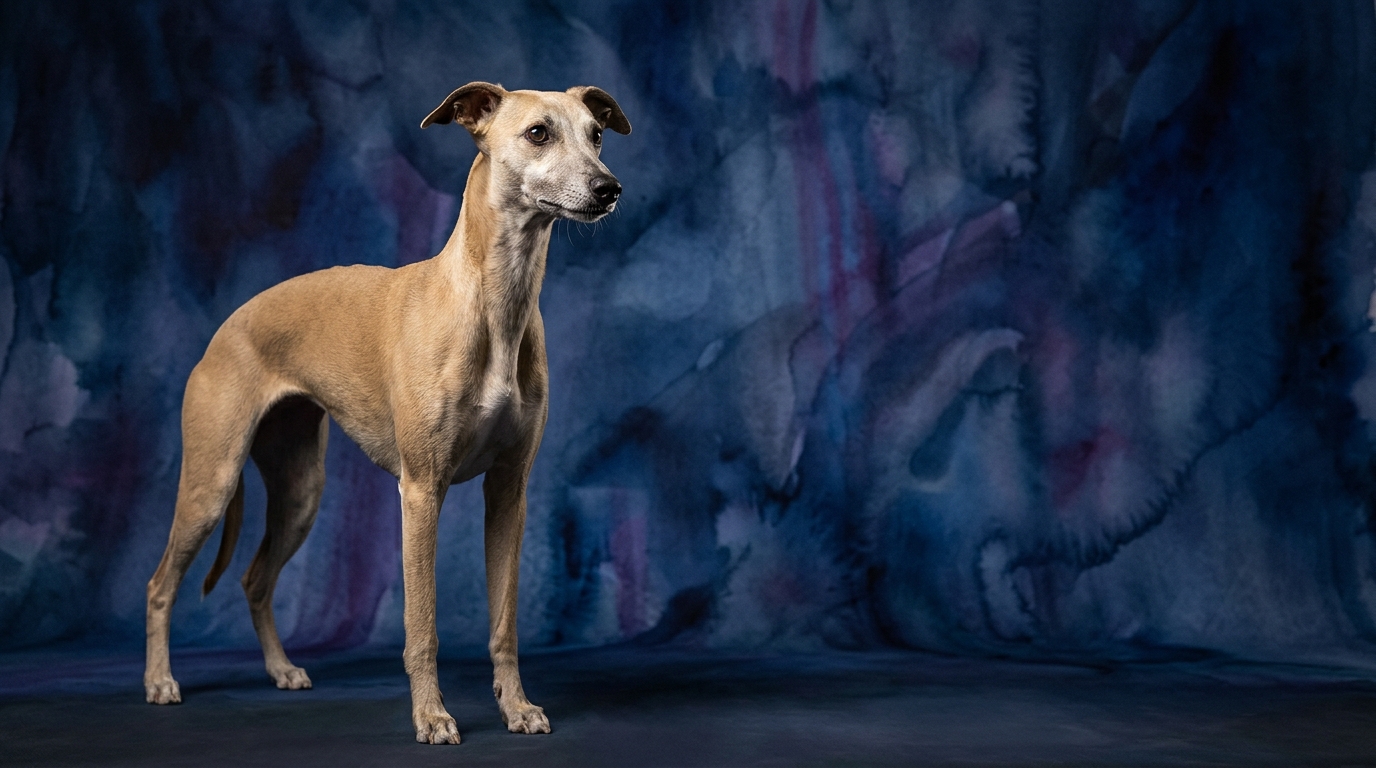
In contrast, the Whippet, a sighthound breed with a Coren rank of #51, presents a different cognitive blueprint. Its Problem Solving is rated 3/5, suggesting a more practical, less abstract approach to challenges, often preferring to avoid or outmaneuver obstacles rather than deconstruct them. Training Speed scores 2/5, indicating that while capable of learning, they require more patience and motivation, often possessing an independent streak. Social Intelligence matches the Schnauzer at 4/5, underscoring their sensitivity and deep connection to their human companions, often reading subtle emotional shifts. The Whippet's Instinctive Drive is a powerful 5/5, reflecting an almost unparalleled drive to chase anything that moves swiftly, a hallmark of their sighthound heritage. Memory is rated 3/5, meaning they retain important experiences and routines, but may not commit abstract commands to long-term memory as readily as some other breeds.
Where the Miniature Schnauzer Excels Cognitively
The Miniature Schnauzer's cognitive strengths lie primarily in its analytical processing and rapid acquisition of new information. Its 4/5 problem-solving score means it often approaches new challenges with a thoughtful, investigative mind, whether it's unearthing a hidden treat or mastering a complex agility course. This breed shows a remarkable ability to connect cause and effect, making them adept at tasks requiring sequential thinking. Coupled with a 5/5 training speed, Miniature Schnauzers absorb new commands and behaviors with impressive efficiency, often needing fewer repetitions to achieve mastery. Their memory score of 4/5 further reinforces this, ensuring that once a lesson is learned, it tends to stick, contributing to their consistent performance in structured activities and daily routines.
Where the Whippet Excels Cognitively
The Whippet's cognitive advantages are rooted in its profound instinctive capabilities and social attunement. Its 5/5 instinctive drive is not just about speed; it's a highly refined sensory-motor program, allowing them to process visual stimuli and react with incredible precision and speed during a chase. This specialized drive means they excel in activities that tap into their natural pursuit instincts, such as lure coursing, where their focus and athleticism are unparalleled. Furthermore, their 4/5 social intelligence highlights a deep emotional sensitivity and ability to read subtle cues from their human companions, fostering strong, empathetic bonds. While not always outwardly demonstrative, Whippets are often acutely aware of their owner's mood and presence, offering quiet, comforting companionship.
Training Dynamics: Ease and Approach
When considering ease of training, the Miniature Schnauzer distinctly holds an advantage. With a training speed of 5/5 and a problem-solving score of 4/5, they are generally eager to engage in learning, quickly picking up commands and enjoying the mental stimulation of structured training sessions. Their terrier tenacity means they are often persistent and enjoy working alongside their human companions, making them responsive to positive reinforcement and consistent guidance. These traits contribute to their adaptability across various dog sports and roles.
The Whippet, with a training speed of 2/5, presents a different training experience. While not incapable, they are often described as having an independent streak, a common sighthound trait. They may quickly understand what is being asked but might not always see the immediate value in complying, especially if something more interesting, like a moving object, captures their attention. Training a Whippet requires significant patience, high-value rewards, and a deep understanding of their innate drives. Their profound instinctive drive (5/5) means that once a Whippet locks onto a chase, recall can be profoundly challenging, necessitating secure environments and diligent, consistent training from a young age to manage this powerful natural inclination.
Matching Breeds to Lifestyles: Active vs. Relaxed Owners
For active owners who enjoy structured activities, mental challenges, and consistent engagement, the Miniature Schnauzer often proves to be an ideal companion. Their problem-solving abilities and high training speed mean they thrive in roles that require learning and application, such as obedience, agility, or even trick training. They enjoy being part of family activities and benefit from owners who can provide consistent mental and physical outlets for their energetic, inquisitive minds. Their desire for collaboration makes them excellent partners for those who want a dog actively involved in their daily routines.
Conversely, the Whippet often suits owners who appreciate a blend of explosive activity and calm companionship. While they possess an intense instinctive drive (5/5) for short bursts of speed, they are typically quiet and relaxed indoors, often enjoying long naps on soft surfaces. Owners who can provide opportunities for safe, off-leash running in secure areas, allowing them to fulfill their chasing instincts, will find a content and devoted companion. Their sensitivity and social intelligence (4/5) mean they flourish in a calm, loving home environment where they receive gentle, consistent handling and plenty of affectionate interaction, making them suitable for owners who prefer a more relaxed indoor presence balanced with specific outdoor exercise.
The Verdict
Choose a Miniature Schnauzer if you seek an engaged, quick-learning companion eager to participate in structured activities and mental challenges. Their adaptability and desire to collaborate make them excellent partners for an owner who enjoys consistent training and interactive play.
Opt for a Whippet if you value a sensitive, calm indoor presence punctuated by exhilarating bursts of speed, and you can provide safe, ample space for them to express their powerful chase drive. They thrive with owners who appreciate their independent spirit and deep, quiet affection.
🧠 Find Your Pet's IQ Score
Our Pet IQ Lab assessment covers 25+ tests across 5 cognitive dimensions — personalized to your breed.
Take the Full IQ Test →Frequently Asked Questions
Are Miniature Schnauzers good for first-time dog owners?
Yes, Miniature Schnauzers are often a good choice for first-time owners due to their high training speed and social intelligence, making them relatively easier to teach and bond with. Their desire to please and problem-solving skills mean they adapt well to new routines and learn household rules quickly with consistent guidance.
Do Whippets need a lot of exercise daily?
Whippets require specific types of exercise rather than constant activity. They need daily opportunities for short, intense bursts of running, ideally in a securely fenced area where they can fully stretch out and express their powerful instinctive drive. Beyond these sprints, they are typically quite content to relax indoors.
How do their social intelligence scores of 4/5 differ in practice?
While both breeds score 4/5 for social intelligence, their expression differs; the Schnauzer's social intelligence often manifests as an eagerness to collaborate and engage directly in tasks with humans, while the Whippet's is more about deep, sensitive attunement to their owner's emotions and a preference for quiet, close companionship rather than active participation in human-led 'work'.