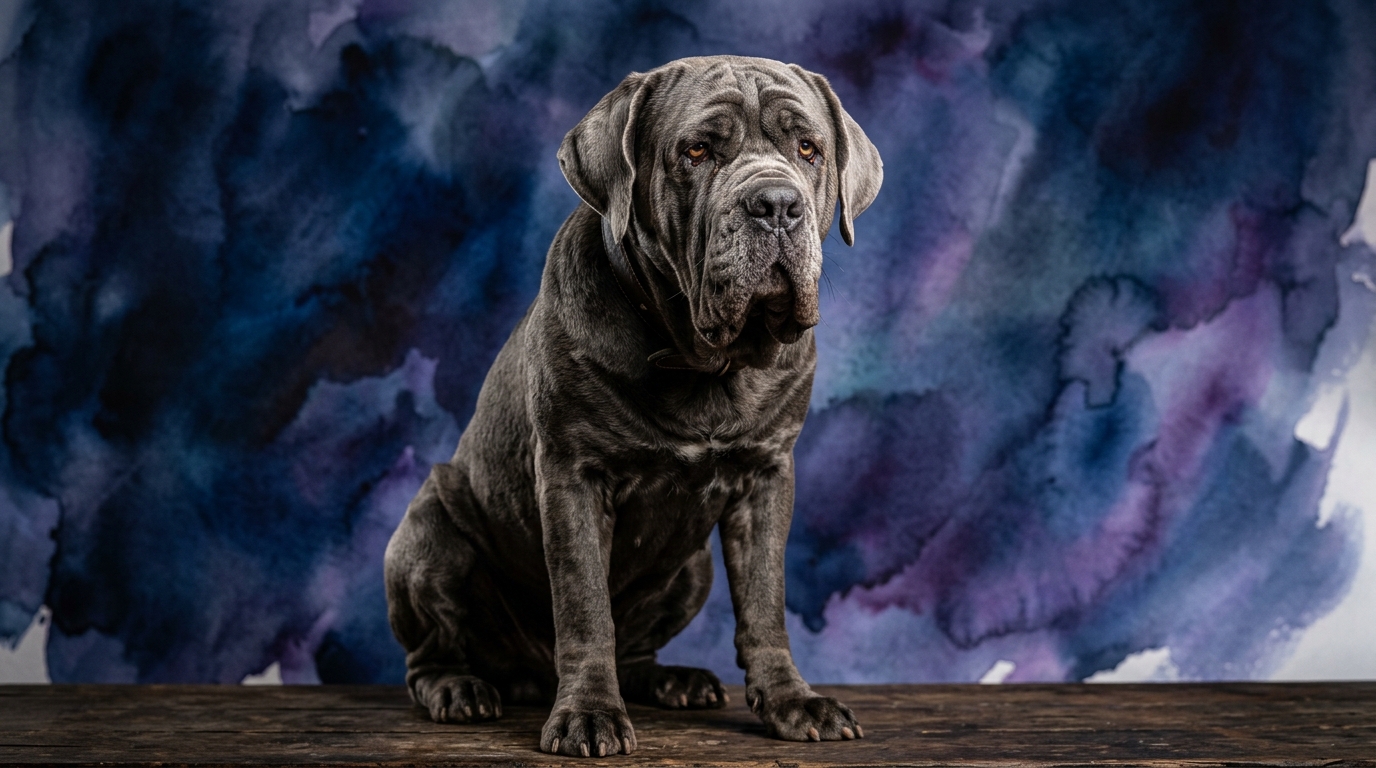
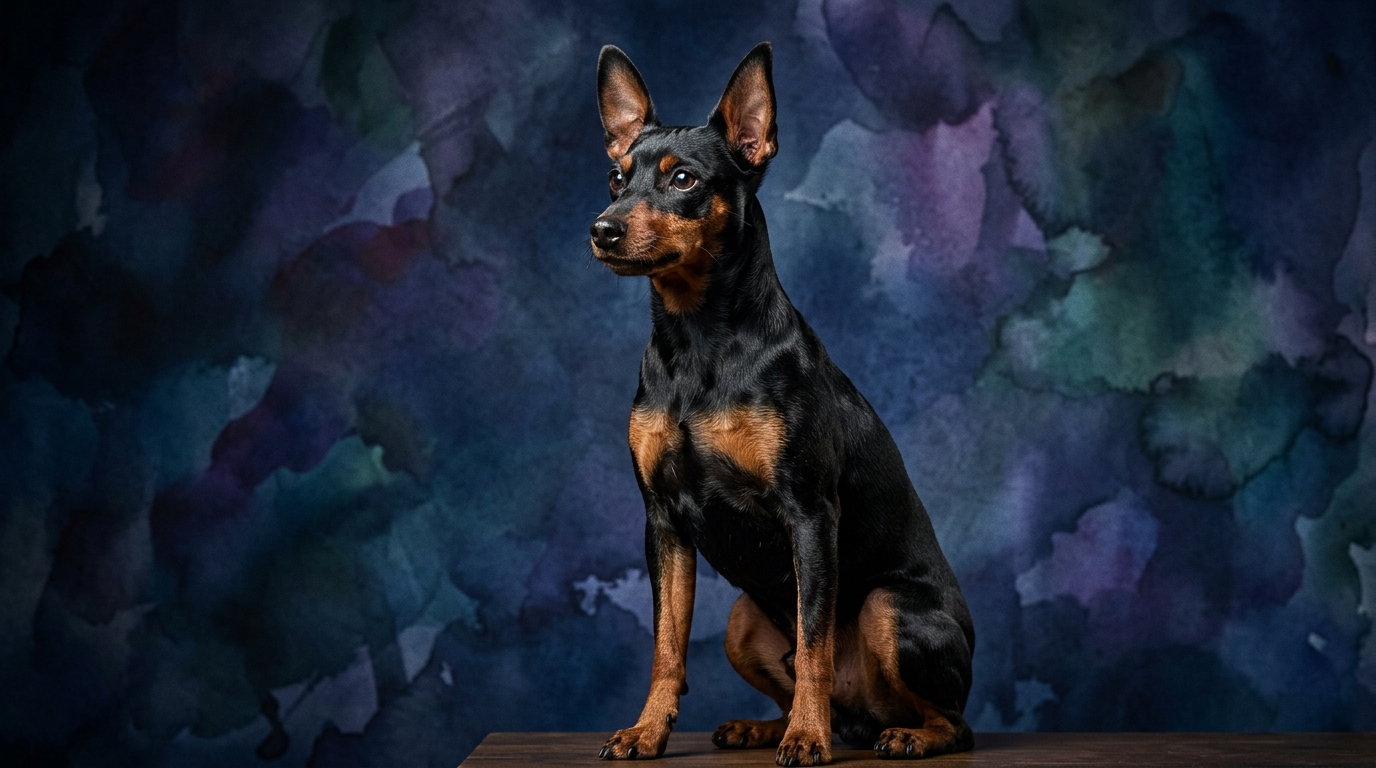
Side-by-Side IQ Profile: Unpacking the 3/5 Score
The Cosmic Pet Pet IQ Lab assesses canine intelligence across five critical dimensions, and surprisingly, both the Neapolitan Mastiff and the Miniature Pinscher achieve a consistent 3 out of 5 in each category. This score signifies a solid, average capacity for learning and adaptation, but its expression varies dramatically between these two breeds. For problem-solving, a 3/5 indicates they can learn to navigate moderately complex situations. A Neapolitan Mastiff might demonstrate this by figuring out how to alert its owner to a perceived threat outside its territory or by patiently working out how to get comfortable in a new, large space. The Miniature Pinscher, conversely, might apply its 3/5 problem-solving to discovering how to access a forbidden treat on a counter or manipulating a toy to achieve a desired outcome, often with a burst of energetic trial-and-error.
When it comes to training speed, a 3/5 suggests they are capable of learning new commands and routines at a moderate pace. For the Neapolitan Mastiff, this often means a need for consistent, patient repetition and a calm, authoritative approach; once a concept is grasped, it tends to stick, reflecting a deep, deliberate learning style. The Miniature Pinscher, with the same 3/5, might pick up cues quickly but can also be prone to distraction or an independent streak, requiring engaging, varied training sessions to maintain focus and enthusiasm. Their smaller size and quick movements can sometimes give the *impression* of faster learning, but their retention and compliance depend heavily on motivation and clear boundaries.
Social intelligence at 3/5 for both breeds points to their capacity to understand and respond to social cues from humans and other animals. A Neapolitan Mastiff typically exhibits this through a reserved but discerning observation of strangers, an intuitive understanding of its family's emotional states, and a protective, loyal bond. They might read subtle shifts in body language or tone to assess safety. The Miniature Pinscher's 3/5 social intelligence often manifests as an astute awareness of household dynamics, a talent for charming attention, and a quick assessment of new individuals in their environment, sometimes coupled with a bold, assertive communication style.
Instinctive drive, also rated 3/5, highlights their inherent predispositions. The Neapolitan Mastiff's drive is rooted in its historical role as a guardian, expressed through a strong territorial instinct, vigilance, and a deep-seated desire to protect its family and property. This isn't about aggression, but a calm, watchful readiness. The Miniature Pinscher, a 'King of Toys,' showcases its 3/5 instinctive drive through a spirited curiosity, a tendency to chase small moving objects reminiscent of vermin control, and an assertive personality that belies its size, often taking on a self-appointed 'watchdog' role with enthusiastic barking.
Finally, memory, another 3/5, means both breeds possess a reliable capacity to recall past experiences, learned commands, and established routines. A Neapolitan Mastiff will remember specific training cues, the layout of its familiar environment, and individuals it perceives as friend or foe over long periods. Its memory is often linked to its protective duties and established family bonds. The Miniature Pinscher uses its 3/5 memory to recall the location of favorite toys or treats, the successful strategies for gaining attention, and the routines of its household, often leveraging this recall for its own playful or assertive purposes. Despite identical scores, the cognitive tools are applied to vastly different life roles and physical realities.
Where Neapolitan Mastiff Wins Cognitively
While both breeds share the same IQ scores, the Neapolitan Mastiff's cognitive strengths shine in areas demanding calm deliberation, profound loyalty, and a nuanced understanding of social dynamics within a protective context. Its problem-solving, though rated 3/5, often involves assessing complex situations that require patience and a measured response, such as determining if a new visitor is truly a threat or just an unfamiliar presence. This isn't quick, flashy problem-solving, but rather a methodical, often silent, evaluation.
The Neapolitan Mastiff's social intelligence, while also 3/5, leans towards an impressive ability to read and react to the emotional states of its human family, providing a deep, empathetic connection. Their memory, at 3/5, is particularly strong in retaining the 'safety parameters' of their environment and the identities of those they trust, which is critical for their guardian role. This breed excels in tasks requiring a steady, thoughtful presence and an unwavering dedication to its family's well-being, where their sheer physical presence amplifies their cognitive decisions.
Where Miniature Pinscher Wins Cognitively
The Miniature Pinscher, despite its identical 3/5 scores, demonstrates cognitive advantages in areas requiring quick wit, adaptability, and a tenacious spirit. Its problem-solving capabilities, while numerically equal, often manifest in highly resourceful and agile ways, such as quickly figuring out how to bypass an obstacle to reach a desired object or outsmarting a human in a game of chase. Their smaller size and high energy allow for rapid experimentation in problem-solving scenarios.
The Miniature Pinscher's social intelligence, also 3/5, is particularly adept at quickly assessing and navigating new social situations, often using its charm or assertive nature to get its way. Their memory, at 3/5, is excellent for retaining complex sequences of actions that lead to a reward, making them surprisingly good at learning tricks or complex routines when properly motivated. This breed’s cognitive strengths are rooted in its spirited independence and a desire to be at the center of attention, making them quick learners in environments where their ingenuity is rewarded.
Which is Easier to Train and Why
Despite both breeds scoring 3/5 in training speed, the practical experience of training them can feel quite different due to their inherent temperaments and physical attributes. The Neapolitan Mastiff, while capable of learning, requires immense patience, consistency, and a calm, confident leader. Their substantial size means that any training lapse can have significant consequences, making early and continuous socialization and obedience training paramount. They respond best to positive reinforcement and a clear understanding of expectations, often taking their time to process and internalize commands, but once learned, they tend to be reliable.
The Miniature Pinscher, on the other hand, can appear quicker to grasp new concepts initially due to their energetic and curious nature. However, their independent and often stubborn streak means that maintaining focus and consistency can be a challenge. They thrive on engaging, positive reinforcement-based training that keeps their busy minds stimulated and prevents boredom. While physically easier to manage due to their size, their strong will and tendency towards selective hearing mean that training requires an equally firm, consistent, and creative approach to prevent undesirable behaviors from taking root. Neither is inherently 'easier' in an absolute sense; rather, they demand different training methodologies and owner personalities to succeed.
Which Suits Active Owners vs. Relaxed Owners
Understanding the activity levels suitable for each breed, despite their similar IQ scores, is crucial for owner compatibility. The Neapolitan Mastiff is generally suited for more relaxed owners in terms of physical exertion. While they require regular, moderate exercise to maintain health, they are not high-energy dogs that need extensive running or intense activities. Their mental stimulation comes more from being a watchful, integral part of the family, observing their surroundings, and engaging in calm, consistent training sessions. Owners must be 'active' in providing consistent leadership, socialization, and a secure environment, but not necessarily in terms of daily miles walked.
The Miniature Pinscher, conversely, often thrives with more active owners who can match their spirited energy and provide ample mental and physical stimulation. Despite their small size, they possess considerable stamina and a curious, busy mind. They benefit from daily walks, playtime, puzzle toys, and engaging training that channels their assertive drive. While they don't need vast spaces, they do require owners who are prepared for frequent bursts of energy, consistent interaction, and varied activities to prevent boredom and potential destructive behaviors. Their activity needs are less about endurance and more about consistent engagement and variety.
The Verdict
Choose the Neapolitan Mastiff if you are a patient, calm owner seeking a deeply loyal, watchful companion who thrives on consistent leadership, moderate physical activity, and a strong, secure family bond.
Opt for the Miniature Pinscher if you are an energetic owner who appreciates a bold, spirited companion, ready for engaging training, varied activities, and can provide consistent boundaries to manage their independent and assertive personality.
🧠 Find Your Pet's IQ Score
Our Pet IQ Lab assessment covers 25+ tests across 5 cognitive dimensions — personalized to your breed.
Take the Full IQ Test →Frequently Asked Questions
Do Neapolitan Mastiffs and Miniature Pinschers truly have the same intelligence?
According to The Cosmic Pet Pet IQ Lab, both breeds score 3/5 across all five cognitive dimensions, indicating a solid, average capacity. However, how they manifest this intelligence differs greatly due to their breed purposes, physical traits, and temperaments.
How does a Neapolitan Mastiff's problem-solving differ from a Miniature Pinscher's with the same 3/5 score?
A Neapolitan Mastiff's 3/5 problem-solving often involves patient, deliberate assessment of environmental threats or spatial navigation, while a Miniature Pinscher's 3/5 might be expressed through quick, resourceful manipulation of objects or situations to achieve immediate desires.
Which breed is better for first-time dog owners based on their cognitive profiles?
Neither breed is typically recommended for novice owners without significant preparation, as both require consistent, knowledgeable handling despite their average IQ scores. The Neapolitan Mastiff demands commitment to managing its size and protective instincts, while the Miniature Pinscher needs an owner who can consistently channel its spirited independence and assertive nature.