Side-by-Side IQ Profile
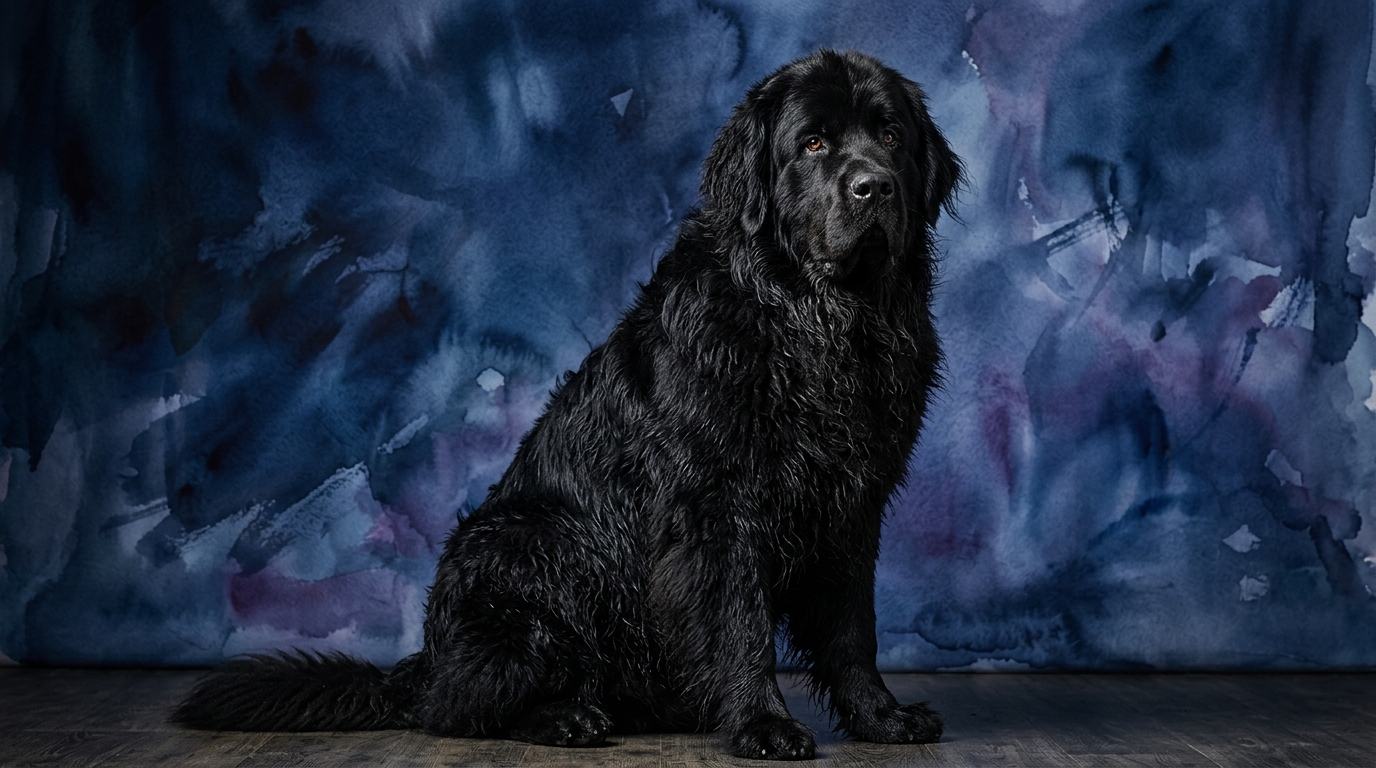
Newfoundland (Coren Rank #34): This gentle giant’s cognitive profile shows a Problem Solving ability (3/5) that leans towards persistence and methodical thought rather than quick, complex insights. Their Training Speed (4/5) highlights an eagerness to absorb new commands, driven by a desire to cooperate. Where they truly excel is Social Intelligence (5/5), demonstrating an exceptional capacity to read human emotions and respond with empathy, making them deeply attuned companions. Their Instinctive Drive (5/5) is powerful, especially for water rescue and family guardianship, manifesting as a profound sense of responsibility. Memory, at 4/5, ensures learned behaviors and experiences are well-retained.
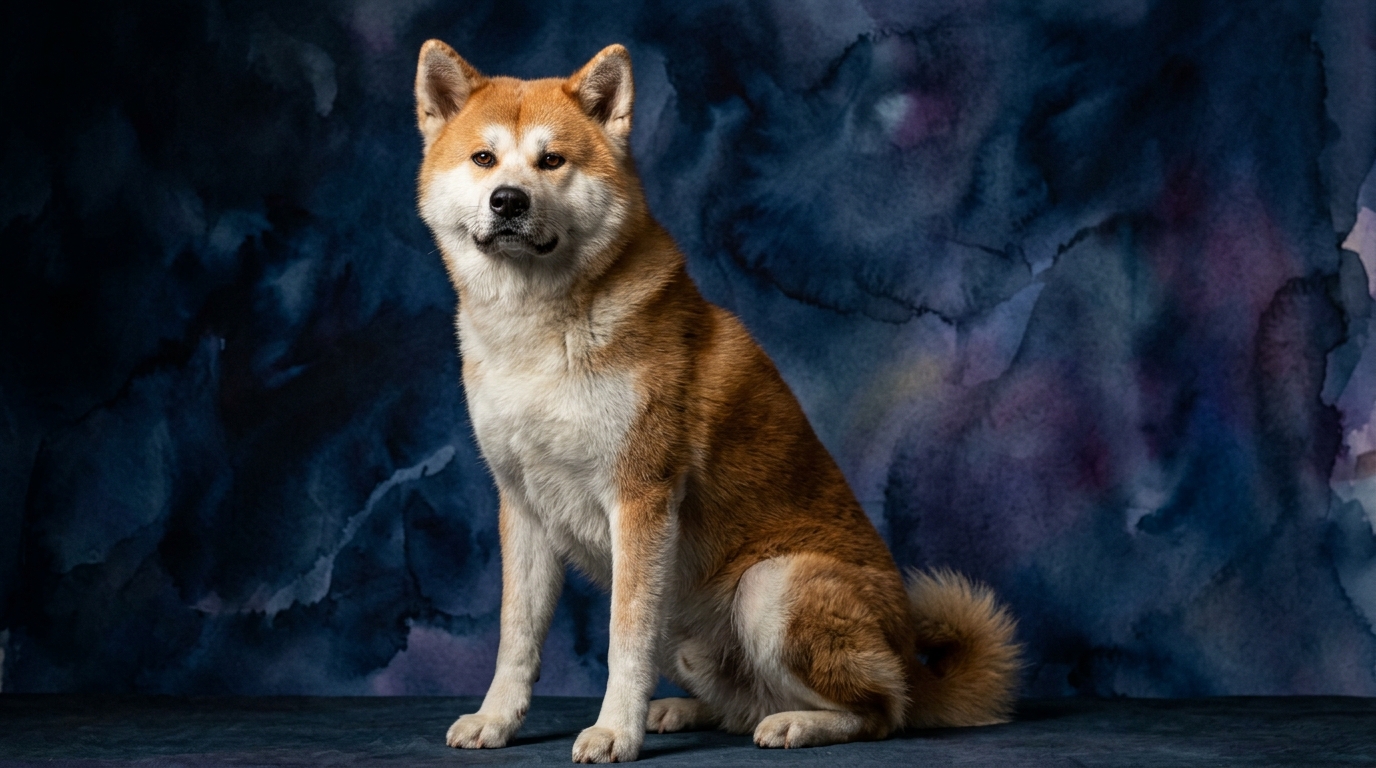
Akita (Coren Rank #54): The Akita’s distinct intellectual landscape reflects its heritage as an independent hunter and guardian. Their Problem Solving (3/5) often manifests as independent thought, devising solutions on their own terms rather than seeking human direction. Training Speed (2/5) indicates a more challenging learning curve, not from inability, but from a strong will and discerning nature that questions compliance. Social Intelligence (3/5) describes a reserved, dignified demeanor; they form deep bonds with family but are often aloof with strangers, not seeking widespread social interaction. Their Instinctive Drive (5/5) is intense, centered around territorial protection, guarding, and a strong prey drive. Memory, at 4/5, means they retain experiences and training well, influencing future interactions.
Where Newfoundland Wins Cognitively
The Newfoundland's cognitive strengths lean heavily into their social and cooperative nature. Their superior Social Intelligence (5/5 compared to Akita's 3/5) is a standout. This isn't just friendliness; it's a profound ability to interpret human emotional states, understand subtle vocal tones, and react empathetically. A Newfoundland might instinctively comfort a crying child, demonstrating a deep cognitive understanding of human emotional landscapes. This makes them exceptional for roles requiring close human partnership, such as therapy or assistance work, where reading human needs is paramount. They process social cues with remarkable precision, allowing for nuanced communication.
Furthermore, their higher Training Speed (4/5 versus Akita's 2/5) reflects a different cognitive approach to learning. Newfoundlands are generally more eager to engage in learning activities with their human partners. Their desire to please and cooperative spirit mean they process and integrate new commands and routines more readily. This isn't absolute "intelligence" but rather a cognitive wiring making them more amenable to human-directed learning. They are less likely to question a command's "why" and more inclined to accept and perform, accelerating skill acquisition in structured environments. This willingness to engage collaboratively is a significant cognitive advantage for owners seeking a readily trainable companion.
Where Akita Wins Cognitively
While the Newfoundland excels in social cooperation, the Akita's cognitive profile showcases independent thought and instinctual processing. Both breeds share a Problem Solving score of 3/5, but the Akita's approach is often self-sufficient. Where a Newfoundland might seek owner guidance, an Akita is more prone to evaluating a situation and devising its own solution, sometimes creatively, without direct human input. This reflects a cognitive independence rooted in their history as solitary hunters and guardians, where autonomous decisions were crucial. This isn't about speed of learning from humans, but capacity for self-directed cognitive processing when faced with novel challenges, demonstrating a unique practical intelligence.
The Akita's powerful Instinctive Drive (5/5) is channeled differently, highlighting specialized cognitive processing for protection and territoriality. While Newfoundlands have strong rescue instincts, the Akita's drive is acutely focused on discerning threats and safeguarding their domain and family. This requires sophisticated cognitive assessment, distinguishing friend from foe, and acting decisively. Their memory (4/5) also plays a crucial role, remembering individuals and past interactions to influence future responses. An Akita's cognitive strength lies in processing vast environmental information related to security, making independent judgments, and acting on deeply ingrained protective instincts with unwavering resolve. This reserved, discerning nature emphasizes self-reliance and acute situational awareness.
Which is Easier to Train and Why
The Newfoundland holds a clear training advantage due to its cognitive predisposition for cooperation and social engagement. Their high Social Intelligence and Training Speed mean they genuinely enjoy interacting during training. Motivated by praise and a desire to please, positive reinforcement is highly effective. A Newfoundland processes commands as requests for partnership, readily absorbing new information and retaining it well. Their temperament is generally more pliable, less likely to challenge authority or become bored if interaction is positive. This translates into a dog that often makes training feel like a collaborative dance, where both parties are invested.
The Akita, in contrast, presents a more significant training challenge, stemming from its independent problem-solving and lower training speed. Akitas often perceive commands not as invitations to cooperate, but as directives they may question. Their strong will requires an owner who understands how to motivate them without harsh methods, which can backfire. Training an Akita demands immense patience, consistency, and deep canine understanding. Owners must establish themselves as firm, fair leaders, earning respect rather than demanding compliance. Their memory ensures they recall inconsistencies, complicating future efforts. For an Akita, training is often a negotiation, a test of wills, and a process of earning trust.
Which Suits Active Owners vs Relaxed Owners
Owner lifestyle significantly impacts the choice. For "active" owners who enjoy structured dog engagement, both breeds can fit, but differently. An active owner for a Newfoundland might involve long walks, swimming, water rescue simulations, or therapy visits, leveraging their social intelligence. They thrive on purpose alongside their human, engaging in activities that build bonds and utilize their gentle strength. Their activity level is robust but not hyperactive, suited for family adventures with moderate exertion and social interaction.
An active owner for an Akita needs to be active in a more disciplined, consistent manner. This means rigorous, structured training, early socialization, and regular, purposeful exercise that respects their independent nature. It's about channeling powerful instincts and providing mental challenges, not just endless fetch. Relaxed owners might find the Newfoundland a better fit, provided "relaxed" still means committed to daily walks, mental enrichment, and family time. Their calm indoor demeanor is appealing. However, a truly "relaxed" owner, preferring minimal engagement, would struggle with an Akita. The Akita's strong will, protective instincts, and need for consistent leadership demand an owner who is always present, firm, and engaged, making them unsuitable for a passive lifestyle.
The Verdict
Choose the Newfoundland if you seek a deeply empathetic, cooperative, and gentle companion eager to participate in family life and structured activities, valuing a dog that readily forms a partnership in training.
Opt for the Akita if you are an experienced owner prepared to commit to consistent, firm leadership and patient training, seeking a loyal, independent guardian with a discerning heart.
🧠 Find Your Pet's IQ Score
Our Pet IQ Lab assessment covers 25+ tests across 5 cognitive dimensions — personalized to your breed.
Take the Full IQ Test →Frequently Asked Questions
Are Newfoundlands good with children?
Yes, Newfoundlands are renowned for their patience and gentle nature with children, often acting as "nanny dogs." Their high social intelligence allows them to understand and respond appropriately to a child's temperament, making them very reliable family companions.
Is an Akita a good first dog for a new owner?
Generally, no. Akitas require an experienced owner who understands their independent nature, strong protective instincts, and need for consistent, firm training and socialization from a young age. Their discerning temperament can be challenging for a novice.
How do their problem-solving skills differ in a practical sense?
A Newfoundland might methodically try different approaches to open a gate, perhaps seeking human help if unsuccessful. An Akita, in contrast, might independently assess the gate's weakness and creatively devise a unique, self-reliant method to bypass it, often without looking to its owner for assistance.