A Side-by-Side Cognitive Profile
To truly appreciate the mental landscape of these two distinct breeds, The Cosmic Pet Pet IQ Lab utilizes a five-dimensional cognitive assessment. This framework allows us to observe how each dog processes information, learns, and interacts with their environment and human companions, moving beyond simplistic notions of 'smartness' to a nuanced understanding of their specific intellectual strengths.
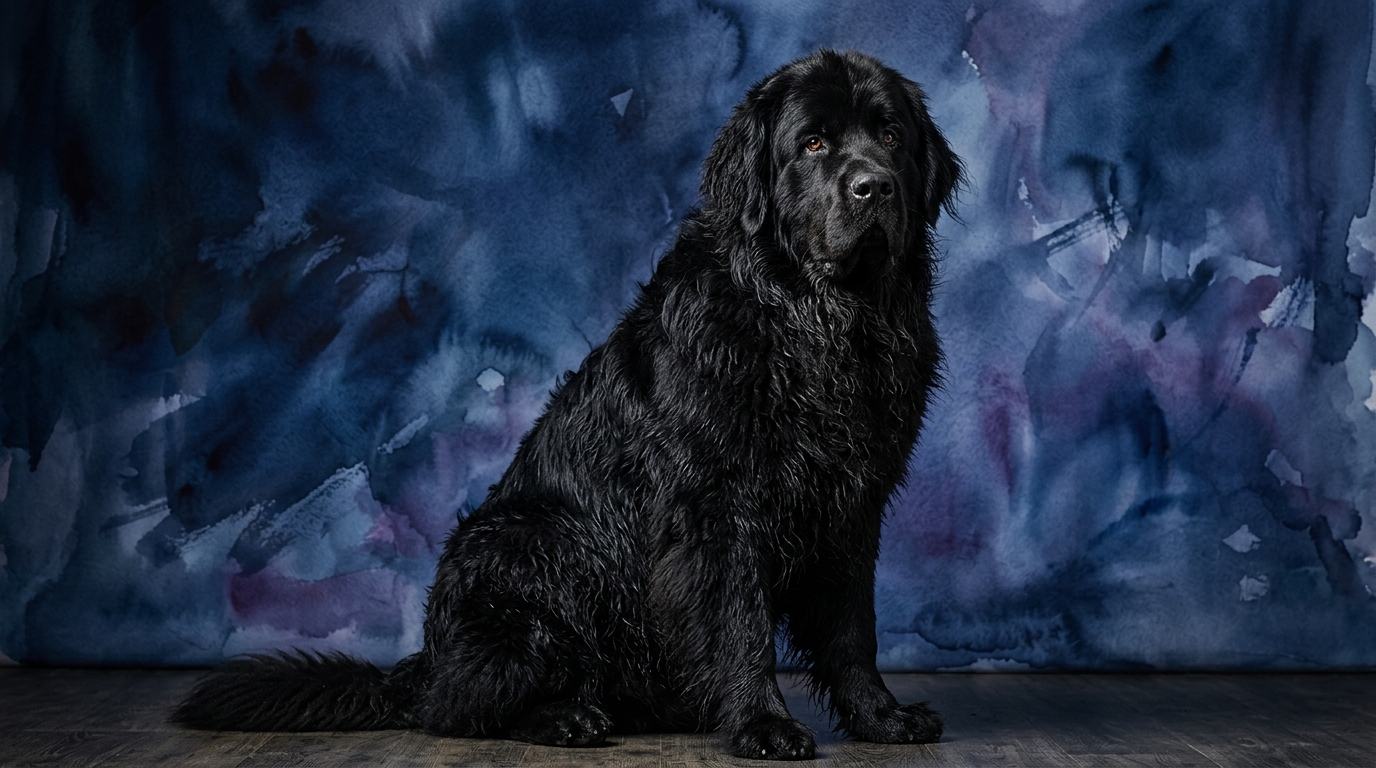
The **Newfoundland**, a Working Group dog, holds a Coren rank of #34, indicating a respectable capacity for obedience and working intelligence. Our Pet IQ Lab scores detail their cognitive architecture as follows: Problem Solving 3/5, Training Speed 4/5, Social Intelligence 5/5, Instinctive Drive 5/5, and Memory 4/5. These scores paint a picture of a canine with strong social acumen and innate drives, coupled with efficient learning.
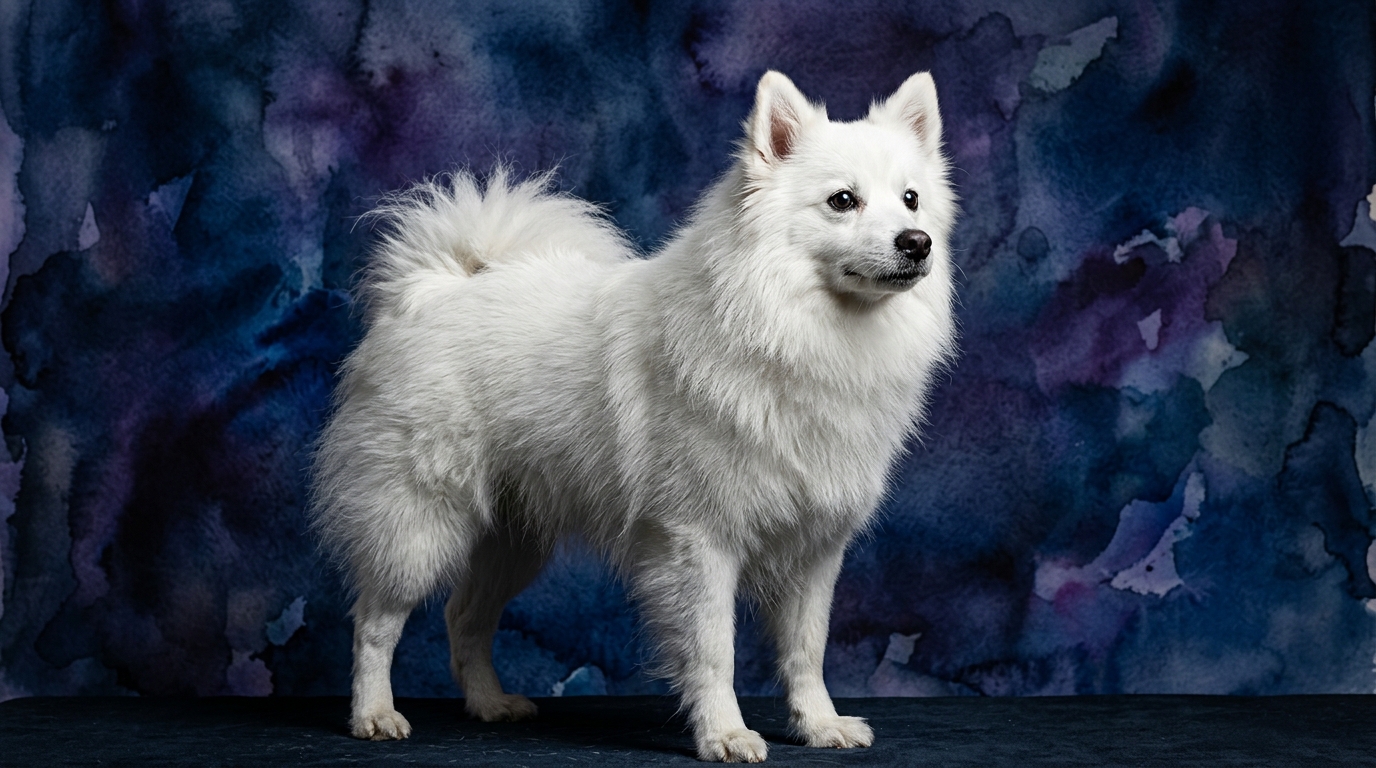
The **American Eskimo Dog**, from the Non-Sporting Group, does not have a Coren rank, which means their general obedience intelligence hasn't been widely categorized in that specific ranking system. However, our Pet IQ Lab assessment provides a clear insight into their cognitive abilities: Problem Solving 3/5, Training Speed 3/5, Social Intelligence 3/5, Instinctive Drive 3/5, and Memory 3/5. This suggests a balanced, competent intellect across the board, without the extreme highs seen in certain Newfoundland categories.
Newfoundland's Cognitive Edge
Where the Newfoundland truly shines cognitively is in its profound **Social Intelligence (5/5)** and powerful **Instinctive Drive (5/5)**. These aren't just high scores; they represent deeply ingrained traits that define the breed's interaction with the world. Their exceptional social intelligence means Newfoundlands are remarkably attuned to human emotions and subtle cues. They often seem to anticipate their owner's needs or moods, offering comfort or assistance without direct prompting. This empathetic connection makes them superb therapy dogs and explains their historical effectiveness in water rescue, where understanding distress is paramount.
Their equally high instinctive drive is not just a general 'drive' but specifically manifests in nurturing, protective, and rescue behaviors. This isn't about being 'busy' but about a deep-seated desire to guard and care for their family, especially children, and an innate pull towards water work. Coupled with a strong **Training Speed (4/5)** and **Memory (4/5)**, Newfoundlands can quickly learn complex commands and retain them, especially when those tasks align with their natural inclinations. This combination of empathy, strong positive drives, and efficient learning makes them highly responsive and cooperative partners in scenarios requiring understanding and action.
American Eskimo Dog's Distinctive Strengths
While the American Eskimo Dog's scores are consistently at 3/5, this signifies a competent and balanced cognitive profile, offering a different kind of strength compared to the Newfoundland's specialized peaks. Their **Problem Solving (3/5)** often manifests as a resourceful cleverness; Eskies are known for figuring out how to open gates, access forbidden areas, or devise inventive ways to get what they want. This isn't always about following human directives but about independent thought and ingenuity, which can be a delightful and sometimes challenging trait for owners.
Their moderate **Instinctive Drive (3/5)** means they possess natural urges, such as barking at strangers or chasing small prey, but these are generally manageable and less overwhelming than the Newfoundland's intense, task-specific drives. This balance allows the Eskie to be highly adaptable to various companion roles without a singular, powerful instinct dominating their personality. They are curious and alert, making them excellent watchdogs who readily communicate their observations. Their consistent scores across the board indicate a well-rounded intellect that, while not reaching the extremes of other breeds, offers a reliable and engaging companion for those who appreciate a dog with independent spirit and a curious mind.
Training: Newfoundland's Eagerness vs. Eskie's Independence
When it comes to ease of training, the Newfoundland generally presents a more straightforward path. Their **Training Speed (4/5)** is notable, meaning they grasp new commands and routines relatively quickly. This efficiency is amplified by their exceptional **Social Intelligence (5/5)**; Newfoundlands are eager to please and highly responsive to human cues, thriving on positive reinforcement and the close bond formed during training sessions. Their strong **Memory (4/5)** ensures that once a command is learned, it's retained for the long term, making them reliable in their learned behaviors. They approach training as a cooperative venture, often anticipating what is expected of them.
The American Eskimo Dog, with a **Training Speed (3/5)**, requires a more patient and consistent approach. While capable of learning a wide array of commands, they may need more repetition and varying methods to maintain engagement. Their **Problem Solving (3/5)** can sometimes manifest as a clever independence; an Eskie might try to find a 'better' way to do something or test boundaries if training isn't stimulating or consistent enough. Owners will find success by making training fun, utilizing positive reinforcement, and understanding that the Eskie's moderate social intelligence means they respond well but might not possess the same innate desire to 'work' for human approval in the same profound way as a Newfoundland. Consistency and clear communication are paramount to success with an Eskie.
Lifestyle Compatibility: Active Engagement vs. Empathetic Companionship
Choosing between these breeds often comes down to the kind of relationship an owner seeks and the lifestyle they lead. The Newfoundland, despite its large size, is often suited for owners who might be described as 'relaxed' in terms of high-energy, constant activity, but 'active' in their commitment to deep companionship and providing mental enrichment. Their high social intelligence means they thrive on close family integration and interaction, preferring to be near their people rather than engaging in solitary, intense physical exertion. While they need regular, moderate exercise and often enjoy water activities, their cognitive profile points towards an owner who values an empathetic, calm, and protective presence that is deeply intertwined with family life.
The American Eskimo Dog, with its balanced 3/5 scores across the board, generally suits more 'active' owners who enjoy consistent engagement and mental challenges. Their moderate instinctive drives and problem-solving abilities mean they benefit greatly from activities like agility, trick training, or puzzle toys that channel their energy and curiosity. They are not typically content to be couch potatoes; their alertness and desire to participate require owners who are willing to invest time in daily mental and physical stimulation. Owners who appreciate a lively, vocal, and clever companion who needs clear guidance and consistent interaction to thrive will find the Eskie a rewarding partner.
The Verdict: When to Choose Each Breed
The Verdict
Choose the Newfoundland if you seek an exceptionally empathetic, gentle giant deeply attuned to human emotion, thriving on close companionship, and potentially offering strong protective instincts for your family.
Opt for the American Eskimo Dog if you appreciate a lively, clever, and vocal companion, willing to engage in consistent training and activities to channel their energy and independent streak.
🧠 Find Your Pet's IQ Score
Our Pet IQ Lab assessment covers 25+ tests across 5 cognitive dimensions — personalized to your breed.
Take the Full IQ Test →Frequently Asked Questions
Is the Newfoundland good with children?
Yes, their exceptional social intelligence and strong instinctive drive for nurturing make them remarkably patient and protective companions for children, often acting as gentle guardians, understanding and responding to their needs.
Do American Eskimo Dogs bark a lot?
American Eskimo Dogs often have a moderate to strong tendency to bark, stemming from their alert nature and desire to communicate and act as watchdogs. Consistent training from a young age can help manage this vocal trait, but they will likely remain communicative.
Which breed requires more grooming?
Both breeds possess dense double coats that require regular grooming to prevent matting and manage shedding. The Newfoundland's longer, thicker coat typically demands more intensive and frequent brushing compared to the Eskie's somewhat shorter, fluffier coat, especially during seasonal shedding.