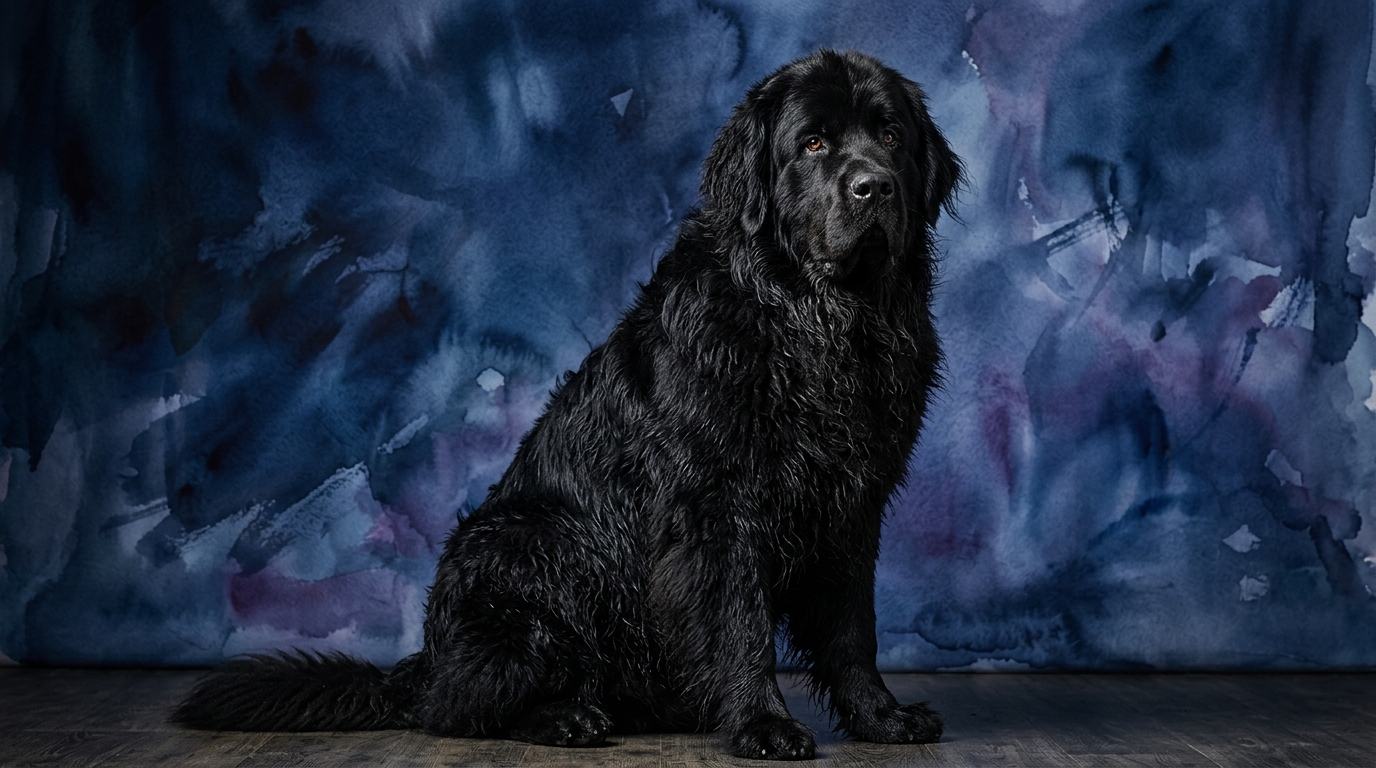
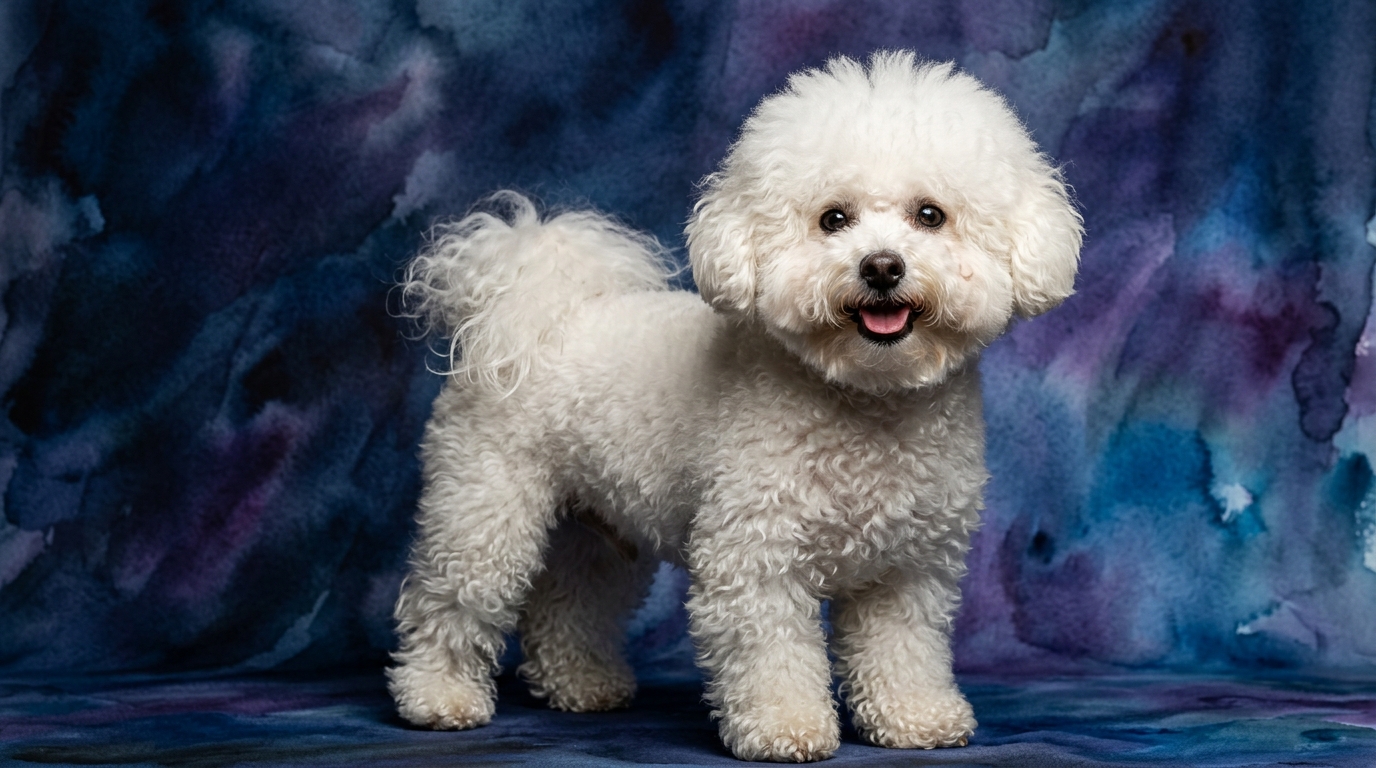
The Cosmic Pet Pet IQ Lab: Newfoundland vs. Bichon Frisé
At The Cosmic Pet Pet IQ Lab, we understand that intelligence in dogs isn't a singular metric but a rich tapestry of cognitive abilities. This comparison delves into two breeds from vastly different worlds: the Newfoundland, a gentle giant of the Working Group, and the Bichon Frisé, a charismatic member of the Non-Sporting Group. While their physical attributes and traditional roles diverge significantly, examining their cognitive dimensions reveals fascinating insights into how their minds are wired.
Our analysis moves beyond superficial observations, scrutinizing five key dimensions: Problem Solving, Training Speed, Social Intelligence, Instinctive Drive, and Memory. By dissecting these facets, we aim to provide a nuanced understanding of each breed's mental aptitude, helping prospective owners make informed decisions based on genuine behavioral and cognitive compatibility.
Side-by-Side Cognitive Profiles
The Newfoundland, ranked #34 by Coren for working intelligence, presents a compelling cognitive blueprint. Their Problem Solving is rated 3/5, indicating an aptitude for practical, real-world challenges, such as navigating complex terrains or assisting in rescues. Their Training Speed stands at an impressive 4/5, reflecting their capacity to learn new commands with notable efficiency, often grasping concepts in fewer repetitions. Social Intelligence is a perfect 5/5, showcasing an exceptional ability to read human emotions and intentions, fostering deep empathetic bonds. A powerful Instinctive Drive of 5/5 underlines their inherent motivation for tasks like water rescue and protection, defining much of their behavior. Finally, their Memory is solid at 4/5, allowing them to reliably recall learned behaviors and experiences over extended periods.
In contrast, the Bichon Frisé, holding a Coren rank of #45, offers a different cognitive emphasis. Their Problem Solving scores 3/5, often manifesting as clever strategies to gain attention or manipulate situations, typically through social rather than physical means. Training Speed is 3/5, signifying a moderate learning pace that benefits from consistent, engaging methods. Like the Newfoundland, their Social Intelligence is a stellar 5/5, demonstrating a profound capacity to engage with people and thrive on companionship, often using their charm to elicit interaction. However, their Instinctive Drive is a lower 2/5, prioritizing social interaction and comfort over strong working impulses. Their Memory, at 3/5, is good for routines and familiar faces but may require more frequent refreshers for less common commands or tasks.
Where the Newfoundland's Mind Shines
The Newfoundland's cognitive strengths converge to create a dog uniquely suited for roles demanding both physical prowess and emotional depth. Their exceptional Instinctive Drive (5/5) for water rescue isn't just a physical urge; it's a deeply embedded cognitive program that allows them to assess emergencies, make independent decisions, and execute complex actions under pressure. This drive, combined with their high Training Speed (4/5) and Social Intelligence (5/5), means they quickly learn and apply sophisticated skills in collaborative tasks, such as pulling carts or offering therapeutic comfort. Their robust memory (4/5) ensures these critical behaviors are retained, making them reliable partners in any purposeful endeavor.
Their problem-solving, while rated 3/5, is specifically geared towards critical, life-saving scenarios. A Newfoundland might not excel at abstract puzzle toys, but faced with a person in distress in the water, their mind rapidly processes variables—currents, distance, the person's state—and initiates an appropriate, often heroic, response. This practical, situation-specific intelligence, coupled with their calm and observant nature, allows them to remain composed and effective even in chaotic environments.
Where the Bichon Frisé's Cleverness Stands Out
The Bichon Frisé's cognitive profile, while different, showcases a unique brand of cleverness perfectly adapted to their role as companions. Their stellar Social Intelligence (5/5) is the cornerstone of their mental prowess, enabling them to read human moods with uncanny accuracy and respond with precisely the right charming antics to elicit affection or attention. Their problem-solving (3/5) is often applied to social engineering—figuring out how to get onto a lap, how to secure an extra treat, or how to initiate a game. This isn't about physical challenges; it's about navigating the human-canine dynamic with an astute understanding of cause and effect.
Unlike the Newfoundland's strong working instincts, the Bichon Frisé's lower Instinctive Drive (2/5) means they are not distracted by external working impulses. This allows them to channel their cognitive energy primarily into their human companions. Their memory (3/5) supports their ability to recall routines and the preferences of their family members, making them excellent at anticipating daily rhythms and ensuring they are always at the heart of the home's activities. Their playful nature is a direct reflection of their cognitive focus on engagement and interaction.
Trainability: A Tale of Two Approaches
When it comes to trainability, the Newfoundland and Bichon Frisé present distinct experiences. The Newfoundland, with a Training Speed of 4/5 and Social Intelligence of 5/5, is typically an eager student. They form strong working bonds and respond exceptionally well to positive reinforcement, viewing training as a collaborative effort. Their high Instinctive Drive (5/5) means they are inherently motivated by purpose, making task-oriented training, whether for obedience, service work, or water rescue, highly effective. They quickly grasp and retain commands, making advanced and complex training sequences entirely achievable, often with a calm and focused demeanor.
The Bichon Frisé, with a Training Speed of 3/5 and Social Intelligence of 5/5, learns at a moderate pace. While they possess a strong desire to please their people, their lower Instinctive Drive (2/5) means training needs to be consistently engaging, fun, and heavily reward-based to maintain their attention. They can be prone to 'selective hearing' if not adequately motivated or if distractions abound. For instance, house-training might require more patience due to their smaller bladder and a less inherent drive to hold it compared to larger working breeds. Their problem-solving skills might even lead them to find clever ways to avoid less appealing commands, underscoring the need for creative and positive training methods.
Matching Cognitive Profiles to Lifestyles
Choosing between these two breeds also means aligning their cognitive profiles with an owner's lifestyle. The Newfoundland's high instinctive drive and robust physical capabilities mean they thrive with owners who can provide purpose and activity. Owners who enjoy long walks, swimming, or engaging in therapeutic roles will find their Newfoundland not just physically active but mentally engaged by contributing. Their calm, observant nature suits a family environment where they can be involved in daily life without requiring constant high-octane stimulation, preferring to be a steady, watchful presence.
The Bichon Frisé's focus on social intelligence and companionship makes them ideal for owners seeking an engaging, playful indoor companion. They don't demand extensive outdoor adventures but flourish with consistent interaction, short play sessions, and mental stimulation through toys and puzzles. Their lower instinctive drive means they are often content with a less demanding routine, as long as they are at the center of their people's attention. They are well-suited to individuals or families who can offer abundant affection and integrate their charming companion into their daily home life.
The Verdict
Choose the Newfoundland if you seek a steadfast, empathetic partner for purposeful activities like therapy work or water-based adventures, valuing a dog that learns quickly and deeply connects.
Opt for the Bichon Frisé if you desire a charming, socially astute companion whose primary joy is intimate family interaction, thriving in a home environment with consistent affection and engaging play.
🧠 Find Your Pet's IQ Score
Our Pet IQ Lab assessment covers 25+ tests across 5 cognitive dimensions — personalized to your breed.
Take the Full IQ Test →Frequently Asked Questions
Are Newfoundlands good family dogs?
Yes, their exceptional social intelligence and calm demeanor make them gentle, patient companions for families, especially with children, often acting as watchful guardians without being overbearing.
Do Bichon Frisés bark a lot?
Bichon Frisés can be prone to barking, particularly if left alone or if they perceive strangers approaching, as their high social intelligence and desire for interaction can manifest as vocal alerts for attention.
Which breed is better for apartment living?
The Bichon Frisé is generally better suited for apartment living due to their smaller size and lower requirements for extensive outdoor activity, provided they receive adequate indoor play and companionship from their owners.