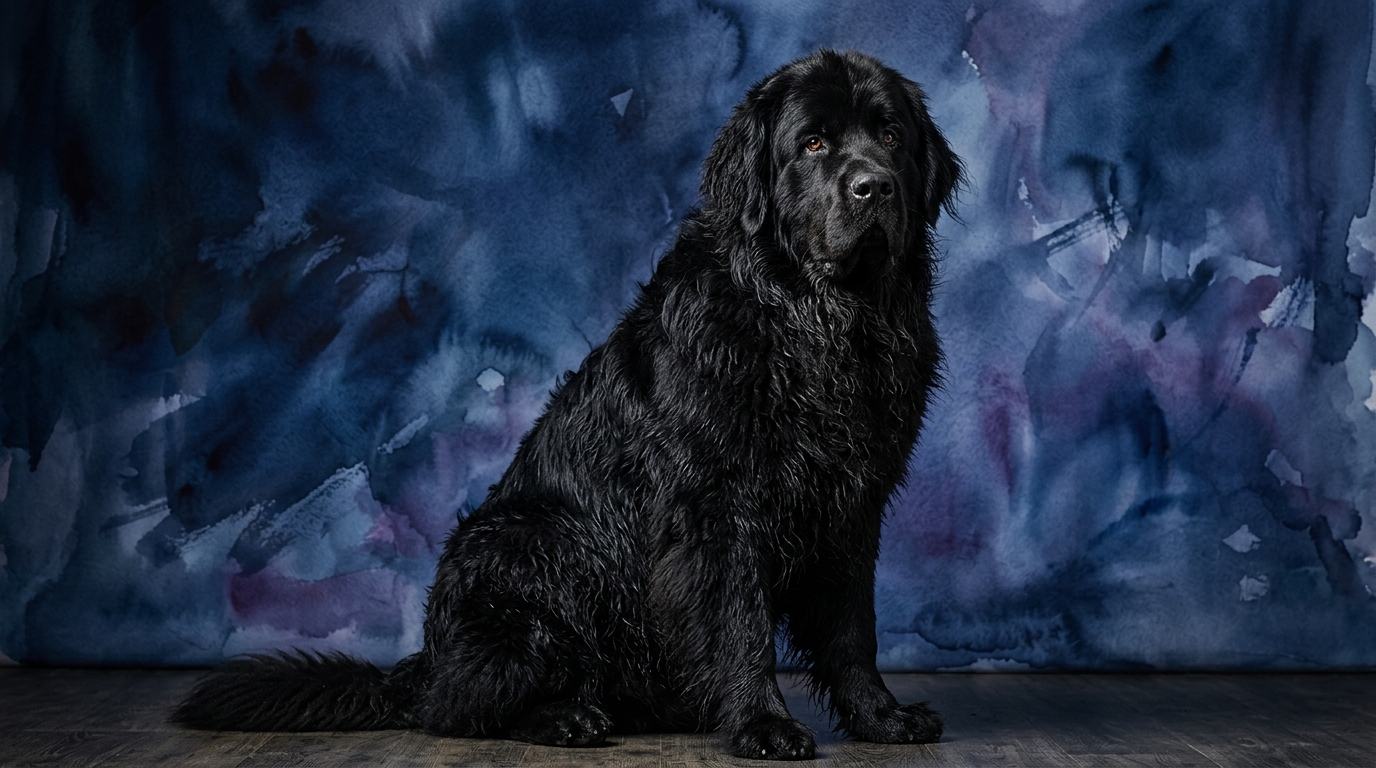
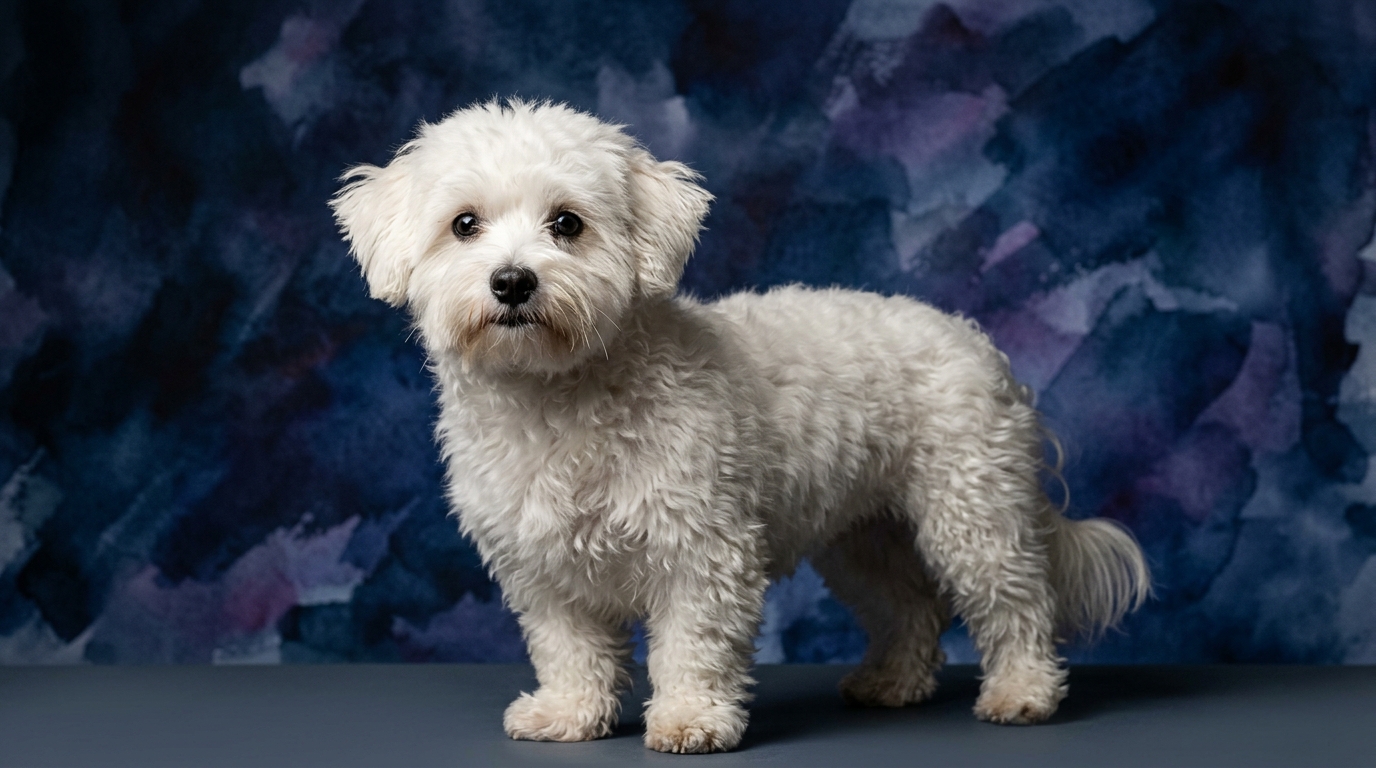
Side-by-Side IQ Profile: Newfoundland vs Coton de Tuléar
At The Cosmic Pet Pet IQ Lab, we assess canine cognition across five key dimensions. For the Newfoundland, a dog from the Working group, we observe a Coren rank of #34, while the Coton de Tuléar, a Non-Sporting breed, is not Coren-ranked, suggesting different cognitive priorities.
**Newfoundland Cognitive Profile:**
**Problem Solving (3/5):** Newfoundlands apply practical intelligence to physical challenges, often finding direct solutions related to their working heritage, such as navigating water or retrieving. Their focus is on effective action in real-world scenarios.
**Training Speed (4/5):** Eager to please, Newfoundlands respond well to consistent positive reinforcement, quickly grasping commands and routines due to their biddability and desire for companionship.
**Social Intelligence (5/5):** This breed excels in social acumen, attuned to human emotions and family dynamics, acting as empathetic, gentle guardians. This fosters strong bonds and harmonious household integration.
**Instinctive Drive (5/5):** Rooted in water rescue, their powerful instinctive drive manifests as a strong urge to protect, retrieve, and assist, particularly in aquatic environments, showcasing inherent helpfulness.
**Memory (4/5):** Newfoundlands reliably retain learned behaviors, people, and commands over long periods, essential for their working roles and consistent family behavior.
**Coton de Tuléar Cognitive Profile:**
**Problem Solving (3/5):** Cotons use cleverness and observation to achieve desires like getting attention or accessing favorite spots. Their solutions often optimize comfort or play within their environment.
**Training Speed (3/5):** While willing, Cotons can be independent or easily distracted. They require patient, engaging methods to maintain focus, learning at a steady, rather than rapid, pace.
**Social Intelligence (3/5):** Sociable and affectionate, their social intelligence focuses on bonding with immediate family and seeking cuddles. They read moods for personal gain but lack the broad empathetic range of working breeds.
**Instinctive Drive (3/5):** The Coton's drive centers on companionship and play, with a natural inclination for closeness, games, and affection. Their instincts are about social connection, not specific tasks.
**Memory (3/5):** Cotons possess functional memory for commands and routines. While not as robust as working breeds, they remember daily schedules and preferred activities, with consistent reinforcement aiding recall.
Where the Newfoundland Wins Cognitively
The Newfoundland's 5/5 social intelligence is a clear cognitive advantage. They excel at understanding human emotions, reacting empathetically, and providing comfort without explicit instruction, making them exceptional therapy dogs. Their ability to integrate into complex family dynamics, sensing subtle shifts in mood, far surpasses the Coton's more self-focused social bonding. Additionally, their 5/5 instinctive drive for purpose, particularly in water rescue, is a profound natural inclination to aid, showcasing a level of helpfulness and responsibility largely absent in the Coton's companion-oriented drives.
Where the Coton de Tuléar Wins Cognitively
The Coton's balanced cognitive profile (all 3/5s) fosters adaptability to varied lifestyles and routines, a distinct advantage for diverse owners. They readily adjust to different living situations, provided they receive attention. While their problem-solving is 3/5, Cotons cleverly apply this to optimize comfort and attention, using subtle cues or persistent nudges to get what they want. This focused resourcefulness for personal well-being and social interaction is a unique cognitive strength, allowing them to charmingly navigate their home environment.
Which Is Easier to Train and Why
The Newfoundland (Training Speed 4/5) is generally easier to train than the Coton de Tuléar (3/5). Newfoundlands grasp commands quickly, requiring fewer repetitions due to their inherent biddability and strong desire to please. Their exceptional social intelligence (5/5) allows them to keenly interpret human cues and intentions, making communication highly effective. For example, a Newfoundland understands subtle body language indicating approval, adjusting its behavior readily. Their reliable memory (4/5) further ensures lessons stick, reducing constant reteaching.
In contrast, the Coton de Tuléar requires more patience and engaging methods. Cotons can be more prone to distraction or have shorter attention spans, especially if training isn't consistently rewarding. Their social intelligence (3/5) focuses more on personal bonding than complex training signals. Their instinctive drive (3/5) for companionship over task-orientation means convincing them to prioritize an exercise over play can be an ongoing effort. While they remember routines (3/5), consistent reinforcement is crucial to solidify behaviors.
Which Suits Active Owners vs. Relaxed Owners
For **active owners**, the Newfoundland is the ideal choice. Their high instinctive drive (5/5) and substantial physical capabilities demand consistent outlets for energy and mental stimulation through long walks, swimming, or advanced training. An active owner who enjoys outdoor adventures and can engage with a large, purposeful breed will find the Newfoundland a deeply fulfilling partner, leveraging their memory (4/5) and training speed (4/5) for advanced activities.
Conversely, the **relaxed owner** will find a more suitable companion in the Coton de Tuléar. Their energy requirements are significantly lower, with a moderate instinctive drive (3/5) primarily directed towards companionship. They are content with shorter bursts of activity and ample cuddle time. A relaxed owner who prefers indoor leisure and gentle strolls will appreciate the Coton's adaptable and affectionate nature, as they focus their cognitive efforts on charming their human companions in a comfortable home life.
The Verdict
Opt for a Newfoundland if you are an active, empathetic owner seeking a deeply bonded, purpose-driven companion for outdoor adventures and potentially demanding tasks, valuing their exceptional social intelligence and protective instincts.
Select a Coton de Tuléar if you desire a charming, adaptable, and affectionate companion for a more relaxed home environment, prioritizing close companionship and a dog that thrives on human interaction without extensive working demands.
🧠 Find Your Pet's IQ Score
Our Pet IQ Lab assessment covers 25+ tests across 5 cognitive dimensions — personalized to your breed.
Take the Full IQ Test →Frequently Asked Questions
Are Newfoundlands truly empathetic?
Yes, Newfoundlands exhibit a high degree of social intelligence, allowing them to read and respond to human emotions with remarkable empathy. This trait makes them exceptional comfort providers, often sensing distress and offering silent support.
Do Cotons de Tuléar have any working instincts?
While not bred for traditional working roles, Cotons de Tuléar possess an instinctive drive primarily focused on companionship and family interaction. They might "work" to get attention or initiate play, but their drives center around social bonding rather than task-oriented endeavors.
Which breed is better for first-time dog owners regarding intelligence?
For first-time owners, the Coton de Tuléar might be an easier entry point due to their manageable size and moderate energy levels. Their adaptability and focus on companionship can be less overwhelming than the Newfoundland's strong working drives and physical demands, which require more experienced guidance.