A Side-by-Side Look at Cognitive Profiles
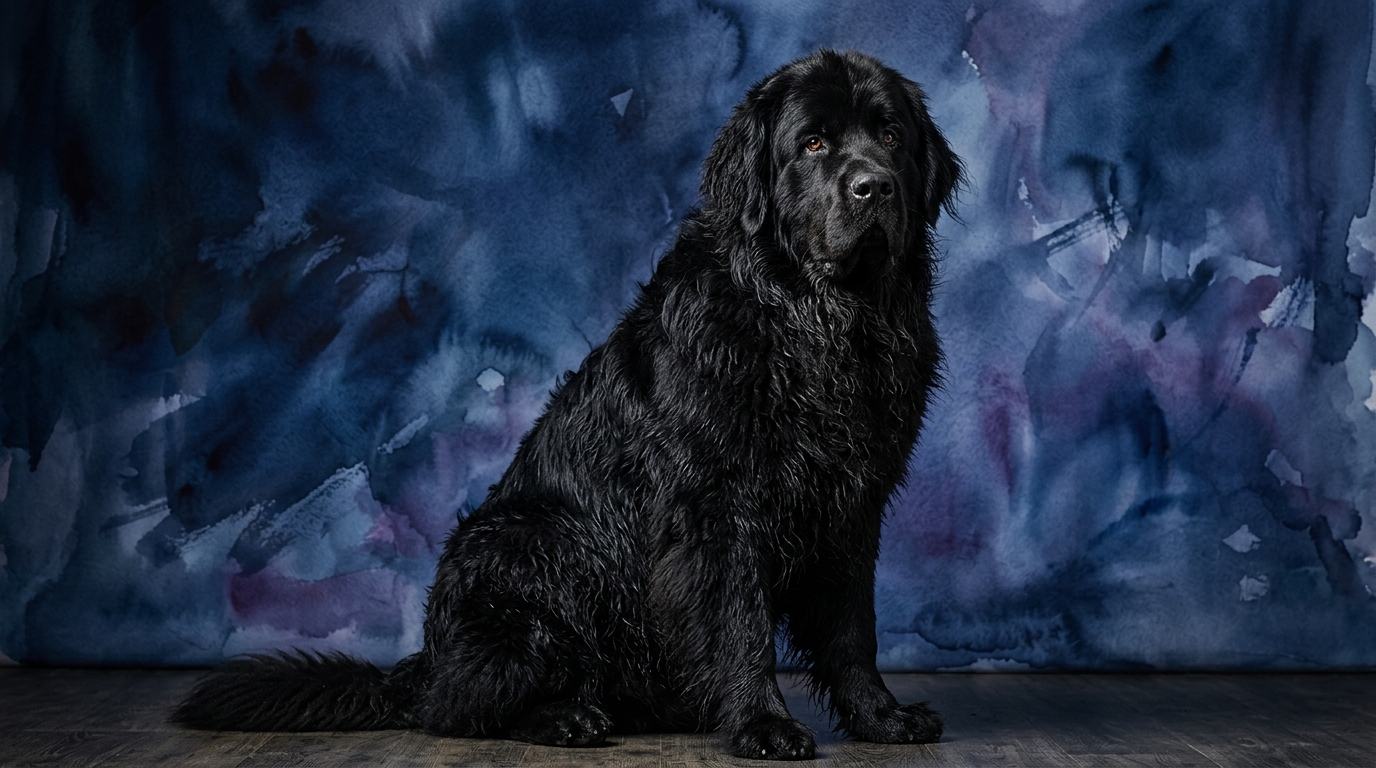
The Cosmic Pet Pet IQ Lab employs five key dimensions to evaluate canine cognition, offering a granular view of how breeds process information and interact with their world. For the Newfoundland, a Working breed ranked #34 by Coren, its profile reflects a strong leaning towards social engagement and instinct-driven tasks. Its problem Solving is rated 3/5, indicating an ability to navigate challenges, particularly when cooperative solutions are involved. Training Speed at 4/5 shows a responsiveness to guidance, while social Intelligence at a remarkable 5/5 highlights its profound empathy and connection with humans. Instinctive Drive, also 5/5, points to deep-seated functional behaviors, and Memory at 4/5 suggests a strong retention of experiences and learned commands.
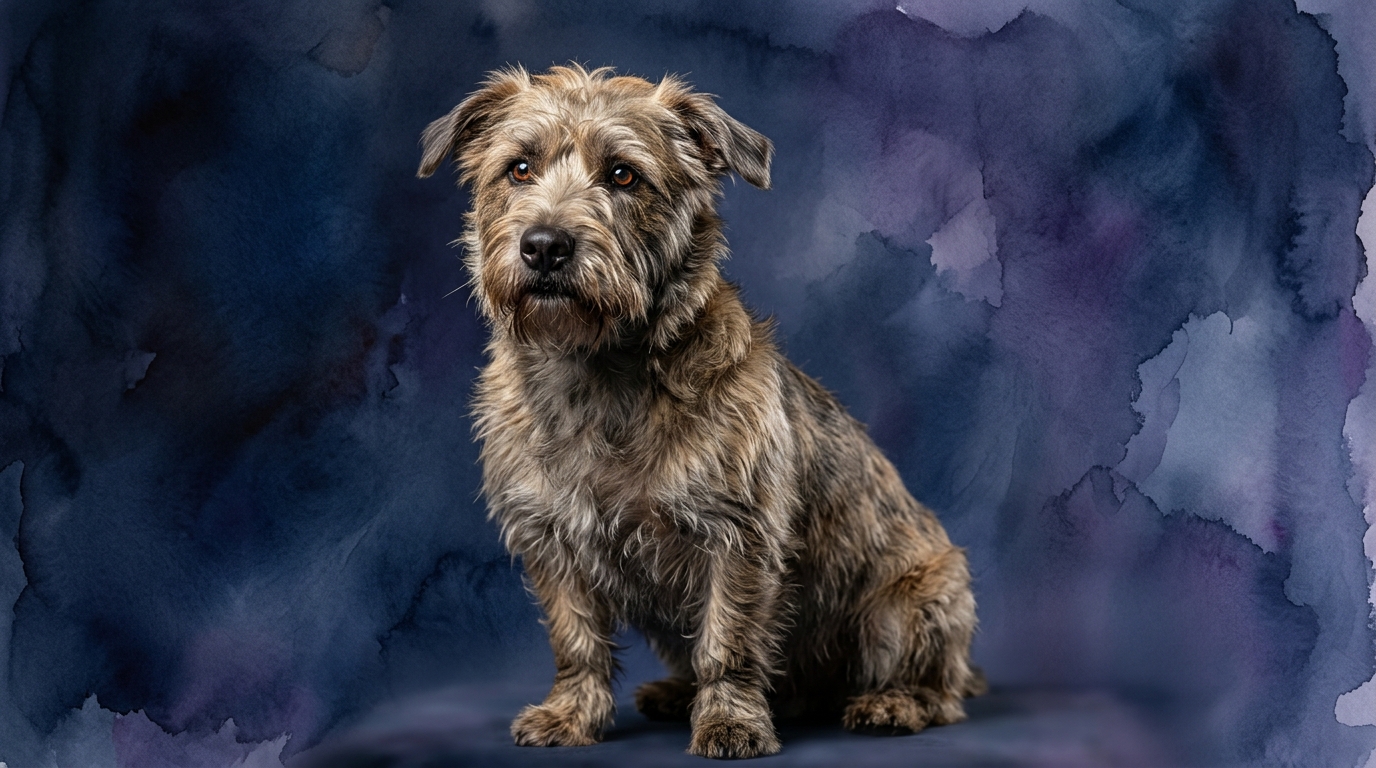
The Glen of Imaal Terrier, a Terrier breed without a Coren ranking, presents a profile marked by consistent scores across the board. Its problem Solving is 3/5, demonstrating a capacity for overcoming obstacles, often through persistence inherent to its terrier nature. Training Speed stands at 3/5, suggesting a learning pace that requires consistent engagement. Social Intelligence is 3/5, indicating a capacity for bonding but perhaps with a more selective or less overtly expressive demeanor than some breeds. Instinctive Drive is 3/5, reflecting its historical role in vermin control, and Memory is 3/5, showing adequate retention of information and routines, but perhaps needing more frequent reinforcement.
Where the Newfoundland's Cognition Shines
The Newfoundland's cognitive strengths are deeply rooted in its cooperative nature and historical role as a water rescue dog. Its exceptional social Intelligence (5/5) means it is acutely sensitive to human emotional states and intentions, making it an unparalleled companion for those seeking a deeply connected canine. This high social acumen allows them to predict human needs and respond with remarkable empathy, often acting as a comforting presence without explicit instruction. Their strong Instinctive Drive (5/5) translates into complex, goal-oriented behaviors such as retrieving objects from water or guiding individuals to safety, tasks requiring not just physical prowess but also rapid situational assessment and decision-making.
Furthermore, the Newfoundland's Training Speed (4/5) and Memory (4/5) work in tandem, allowing them to quickly grasp and reliably retain a wide array of commands and routines. This cognitive efficiency means they learn complex sequences of actions with relative ease, particularly when training is framed as a collaborative effort. Their problem Solving (3/5) is often employed in service of their social and instinctive drives, for instance, figuring out how to bypass an obstacle to reach a family member or a distressed swimmer. This breed excels in environments where their innate desire to cooperate and assist can be fully expressed.
Cognitive Strengths of the Glen of Imaal Terrier
While the Glen of Imaal Terrier's scores are consistently at 3/5, this doesn't diminish their unique cognitive prowess; rather, it points to a different flavor of intellect, one honed by centuries of independent work. Their problem Solving (3/5) is often demonstrated through tenacity and ingenuity in specific contexts, such as locating and extracting prey from burrows. This involves spatial reasoning and persistent effort, a distinct form of cognitive application compared to the Newfoundland's cooperative problem-solving. A Glen might not seek human instruction for every challenge, preferring to experiment with solutions independently.
The Glen's Instinctive Drive (3/5) is firmly rooted in its terrier heritage, manifesting as a resolute determination to pursue and engage with tasks related to hunting. This drive, while not as overtly 'heroic' as the Newfoundland's, is a powerful cognitive engine that fuels their focus and resilience. Their Memory (3/5) is reliable for routines and commands, especially those reinforced by their innate drives or providing a clear benefit to them. Their Social Intelligence (3/5) allows for deep bonds with their chosen family, albeit typically with a more reserved or selective expression, valuing independence alongside affection.
Which Is Easier to Train and Why?
When considering ease of training, the Newfoundland generally presents a more straightforward path for most owners. Their higher Training Speed (4/5) means they tend to pick up new commands and behaviors more rapidly, often requiring fewer repetitions to achieve proficiency. This responsiveness is greatly amplified by their exceptional social Intelligence (5/5), as Newfoundlands possess a strong desire to please and work in concert with their human companions. They are attuned to human cues and find satisfaction in cooperative tasks, making them highly motivated learners in positive reinforcement environments. Their strong memory (4/5) ensures that once a lesson is learned, it tends to stick.
The Glen of Imaal Terrier, with a Training Speed of 3/5 and Social Intelligence of 3/5, offers a different training experience. While capable of learning, their independent terrier spirit means they are less inclined to automatically defer to human instruction. They require a patient, consistent approach that makes training engaging and rewarding on their terms, often needing to understand the 'why' or finding intrinsic motivation in the task itself. Their problem-solving (3/5) manifests as a tendency to figure things out for themselves, which can sometimes translate into devising their own 'solutions' to commands. Training a Glen requires creativity, firmness, and a sense of humor, as their willfulness is a defining characteristic rather than a flaw.
Matching Cognition to Lifestyle: Active vs. Relaxed Owners
For owners who envision a calmer, more companion-focused lifestyle, the Newfoundland's cognitive profile aligns beautifully. While large and requiring regular, moderate exercise, their temperament is generally placid indoors, and their high social Intelligence (5/5) means they thrive on close family interaction and being an integral part of daily life. They are content to observe and participate gently, making them suitable for relaxed owners who appreciate a dog that is empathetic and responsive without constant demands for high-octane activity. Their problem-solving (3/5) and instinctive drive (5/5) are often expressed in protective or comforting roles, rather than requiring intense, structured work on a daily basis.
Conversely, the Glen of Imaal Terrier's cognitive makeup is better suited for more active owners who appreciate a dog with a robust, independent spirit and a need for mental engagement. Their problem-solving (3/5) and instinctive drive (3/5) mean they excel when given tasks that allow them to use their natural talents, such as earthdog trials, scent work, or agility. These activities provide the mental stimulation necessary to satisfy their persistent nature. Relaxed owners might find the Glen's determination and occasional stubbornness challenging without outlets for their specific cognitive drives. They thrive with owners who understand and can channel their terrier energy into constructive pursuits, appreciating a dog that thinks for itself and tackles challenges with gusto.
The Verdict: When to Choose Each Companion
The Verdict
Choose the Newfoundland if you seek a deeply empathetic, cooperative companion eager to learn and integrate seamlessly into family life, valuing social connection above all. Their cognitive strengths make them ideal for owners desiring a gentle, responsive presence.
Opt for the Glen of Imaal Terrier if you appreciate a tenacious, independent thinker who thrives on specific challenges and requires an owner capable of channeling their determined spirit into engaging activities. They suit those who enjoy a dog with distinct opinions and a strong drive for purposeful work.
🧠 Find Your Pet's IQ Score
Our Pet IQ Lab assessment covers 25+ tests across 5 cognitive dimensions — personalized to your breed.
Take the Full IQ Test →Frequently Asked Questions
Does a higher Coren ranking mean a dog is 'smarter' overall?
The Coren ranking primarily assesses obedience and working intelligence, reflecting how quickly a dog learns and obeys human commands. It doesn't capture the full spectrum of canine cognition, such as problem-solving for survival or social empathy, which can be strong in breeds not highly ranked.
How does 'instinctive drive' differ between these two breeds?
For the Newfoundland, a 5/5 instinctive drive manifests as a powerful urge for water rescue and nurturing, often involving complex situational assessment. The Glen of Imaal Terrier's 3/5 drive is geared towards traditional terrier work like digging and vermin control, requiring persistence and focused determination in specific tasks.
Can a Glen of Imaal Terrier be as affectionate as a Newfoundland?
While both breeds form strong bonds, a Newfoundland's 5/5 social intelligence often means a more overtly expressive and universally people-oriented affection. A Glen of Imaal Terrier's 3/5 social intelligence indicates deep loyalty to its family, but often with a more reserved or selective display of affection, valuing independence alongside closeness.