Side-by-Side Cognitive Profiles
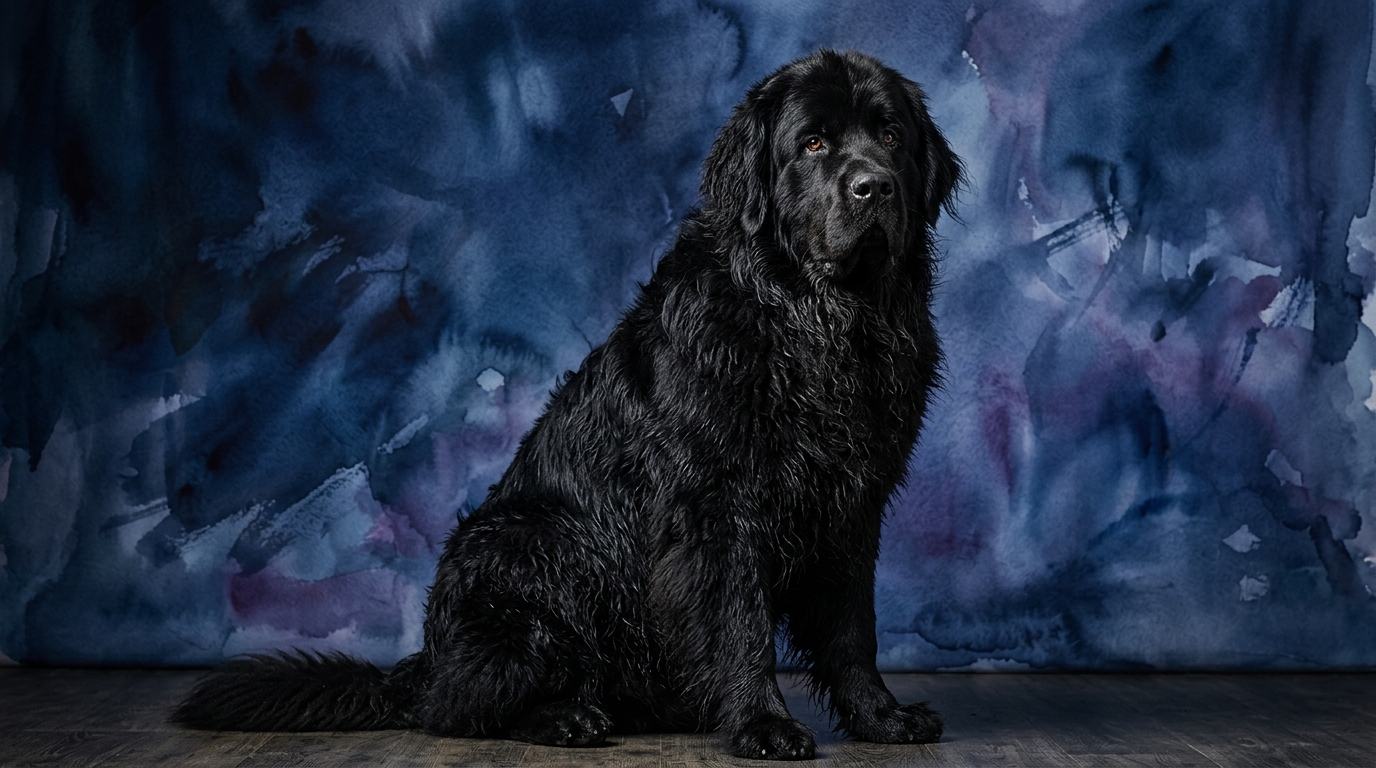
The Newfoundland, a majestic water dog, holds a respectable Coren rank of #34, indicating a good capacity for understanding and executing commands. Our Pet IQ Lab data assigns Newfoundlands a Problem Solving score of 3/5, suggesting a moderate ability to navigate novel situations or complex tasks independently. Their Training Speed stands at 4/5, reflecting a relatively quick grasp of new instructions. Social Intelligence is a standout at 5/5, highlighting their profound empathy and ability to interpret human cues. An Instinctive Drive of 5/5 underscores their strong innate tendencies, particularly for water rescue and guarding, while Memory at 4/5 indicates a solid capacity for retaining learned behaviors and routines.
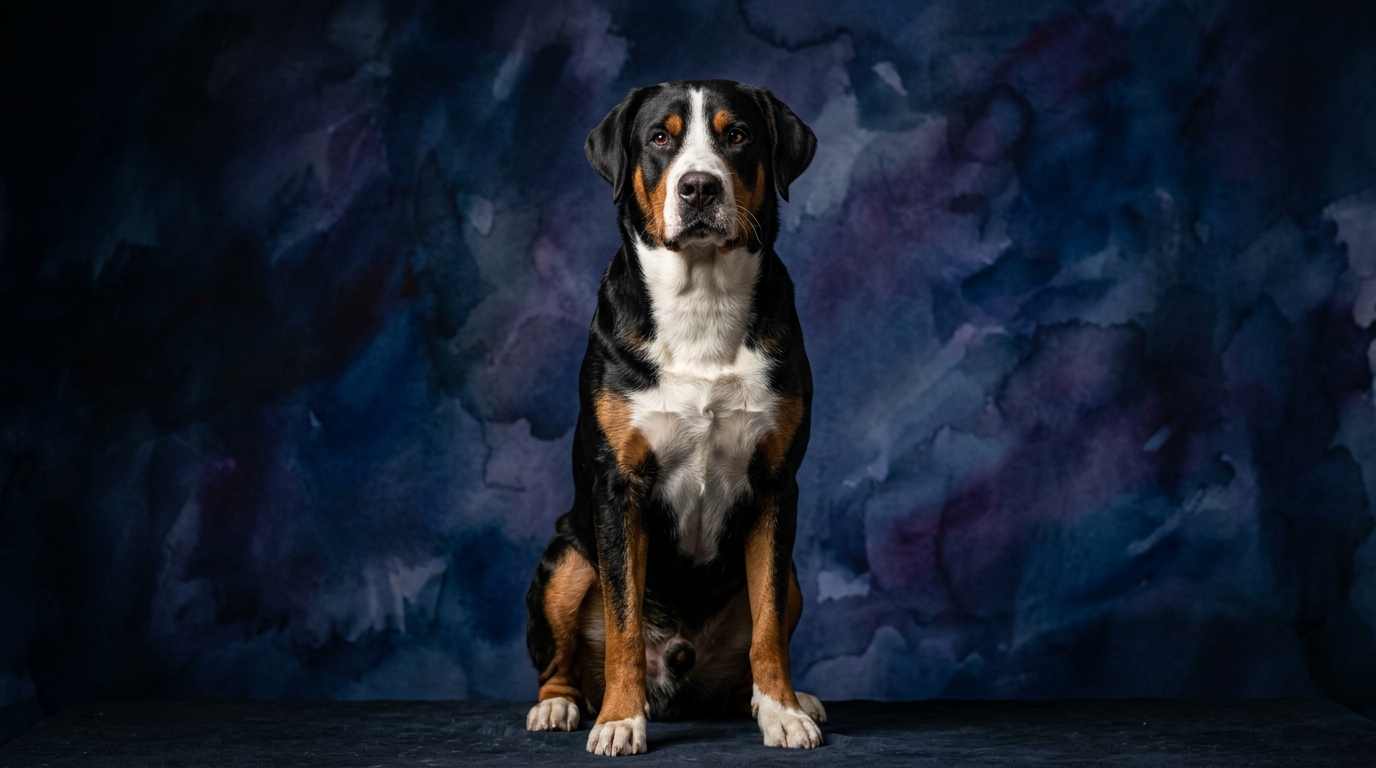
In contrast, the Greater Swiss Mountain Dog, while not Coren-ranked, presents a consistent cognitive profile across our five dimensions. They share the same Problem Solving score of 3/5 as the Newfoundland, indicating a similar baseline for independent thought in new scenarios. However, their Training Speed is rated 3/5, suggesting a more deliberate pace in acquiring new commands compared to the Newfoundland. Social Intelligence is 3/5, meaning they are responsive to human interaction but perhaps less overtly expressive or intuitive than their Newfoundland counterparts. Their Instinctive Drive is also 3/5, signifying a stable but less intense set of innate behaviors, and Memory at 3/5 suggests a reliable but not exceptional ability to recall information over time. This consistent scoring across the board paints a picture of a well-rounded, dependable but perhaps less specialized cognitive architecture.
Where the Newfoundland Excels Cognitively
The Newfoundland truly shines in its social and instinctive capabilities. With a Social Intelligence score of 5/5, these dogs demonstrate a remarkable ability to connect with humans, often displaying a deep understanding of emotional states and subtle body language. This makes them exceptionally attuned companions, capable of offering comfort and responding appropriately in varied social settings. Their profound empathy is not just a charming trait but a cognitive strength, enabling them to form strong, nuanced bonds.
Furthermore, their Instinctive Drive, also rated at a perfect 5/5, is a powerful cognitive asset. This isn't just about raw instinct; it’s about an innate behavioral repertoire that is highly developed and readily accessible. For Newfoundlands, this often manifests in their profound affinity for water and a strong desire to 'rescue' or assist, even without explicit training. This drive allows them to quickly understand and engage in tasks that align with these predispositions, making them intuitive working partners in specific roles like water search and rescue. Their 4/5 Memory and 4/5 Training Speed complement these strengths, allowing them to rapidly learn and retain complex sequences of actions, especially when those actions tap into their inherent drives.
Where the Greater Swiss Mountain Dog Holds Its Own Cognitively
While the Greater Swiss Mountain Dog's cognitive scores are generally more moderate, their strength lies in a balanced and robust foundational intelligence. Their Problem Solving score of 3/5, matching the Newfoundland, indicates a practical approach to new challenges. This isn't about lightning-fast abstract thinking, but rather a methodical, persistent way of working through dilemmas, often leveraging their physical strength and determination. This cognitive style suits tasks requiring endurance and a steady application of effort, rather than rapid-fire decision making.
The consistent 3/5 across Social Intelligence, Instinctive Drive, and Memory suggests a dog that is dependable and predictable without being overly excitable or impulsive. Their instinctive drive, while not as specialized as the Newfoundland's, provides a solid base for general working tasks like drafting or herding without overwhelming their capacity for learned behaviors. This balanced profile means they are less likely to be swayed by intense innate urges in every situation, allowing for a more measured and consistent response once trained. Their cognitive makeup supports a strong sense of routine and reliability, making them excellent partners for owners who appreciate a steadfast and even-tempered companion.
Trainability: Newfoundland vs. Greater Swiss
When it comes to trainability, the Newfoundland generally presents a smoother and quicker learning curve. Their Training Speed of 4/5 is significantly aided by their exceptional Social Intelligence (5/5). Newfoundlands are highly motivated by human interaction and approval; they actively seek to understand and please their handlers. This eagerness, combined with their strong memory (4/5), means they often pick up new commands and routines with fewer repetitions and greater enthusiasm. Their powerful instinctive drives, particularly for tasks involving water or pulling, can also be effectively channeled into structured training, making them natural students for specific working roles.
The Greater Swiss Mountain Dog, with a Training Speed of 3/5, requires a different approach. While certainly trainable, they tend to be more deliberate learners, sometimes exhibiting an independent streak or requiring more consistent reinforcement to solidify commands. Their slightly lower social intelligence (3/5) might mean they are less constantly focused on pleasing their handler, preferring to assess situations more independently. Effective training for a Greater Swiss often involves clear, consistent methods, positive reinforcement, and patience, focusing on building a strong working relationship based on trust and mutual respect rather than relying solely on their desire to please. They respond well to task-oriented training that engages their physical capabilities and problem-solving skills.
Lifestyle Suitability: Active vs. Relaxed Owners
For owners with an active lifestyle, both breeds require substantial physical activity, but their cognitive needs differentiate them. The Newfoundland, with its high social intelligence and intense instinctive drives, thrives with owners who can provide not just physical exercise but also deep social engagement and opportunities to use their innate abilities. This means regular swimming, drafting, or participation in dog sports that leverage their water aptitude and desire to 'work' alongside their human. An active owner for a Newfoundland is one who enjoys collaborative activities and provides consistent mental stimulation through complex tasks and social interaction.
The Greater Swiss Mountain Dog also demands activity, but their cognitive profile suggests they might be a better fit for owners who appreciate a more structured, routine-based form of engagement. While they need regular exercise to maintain their muscular physique and mental well-being, their lower scores in social intelligence and instinctive drive mean they might not constantly seek the same level of intense, task-specific mental stimulation as a Newfoundland. They excel in activities like hiking, carting, or robust obedience training that provide physical exertion and clear purpose. A relaxed owner for a Swissy isn't one who avoids exercise, but rather one who might prefer a dog that is content with established routines and less prone to demanding constant, novel intellectual challenges, settling into quiet companionship once their physical needs are met.
The Verdict
Choose the Newfoundland if you seek a deeply empathetic, highly trainable companion for specific roles like water work or therapeutic assistance, valuing profound social connection and strong innate drives.
Opt for the Greater Swiss Mountain Dog if you value a sturdy, dependable companion excelling in foundational obedience and structured physical activities, and are prepared for a slightly more independent learning curve.
🧠 Find Your Pet's IQ Score
Our Pet IQ Lab assessment covers 25+ tests across 5 cognitive dimensions — personalized to your breed.
Take the Full IQ Test →Frequently Asked Questions
Are Newfoundlands truly 'nanny dogs' due to their social intelligence?
Newfoundlands' exceptional social intelligence (5/5) and gentle nature make them remarkably patient and protective companions for children. While not literal 'nannies,' their intuitive understanding of social cues and strong desire to bond often translates into a watchful and caring demeanor around family members, making them excellent family dogs.
Do Greater Swiss Mountain Dogs require a lot of mental stimulation?
Greater Swiss Mountain Dogs benefit from consistent mental engagement, though perhaps not the same intensity of complex, novel tasks as some breeds. Their 3/5 problem-solving and memory scores suggest they thrive on structured training, puzzle toys, and activities that provide a clear purpose, such as carting or hiking, rather than constant abstract challenges.
Which breed is better for first-time dog owners?
For first-time owners, the Newfoundland's higher training speed and social intelligence might make the initial training process feel more rewarding and intuitive. However, both are large, powerful working breeds requiring commitment; the Greater Swiss may demand more patience and consistency in training due to its more independent learning style.