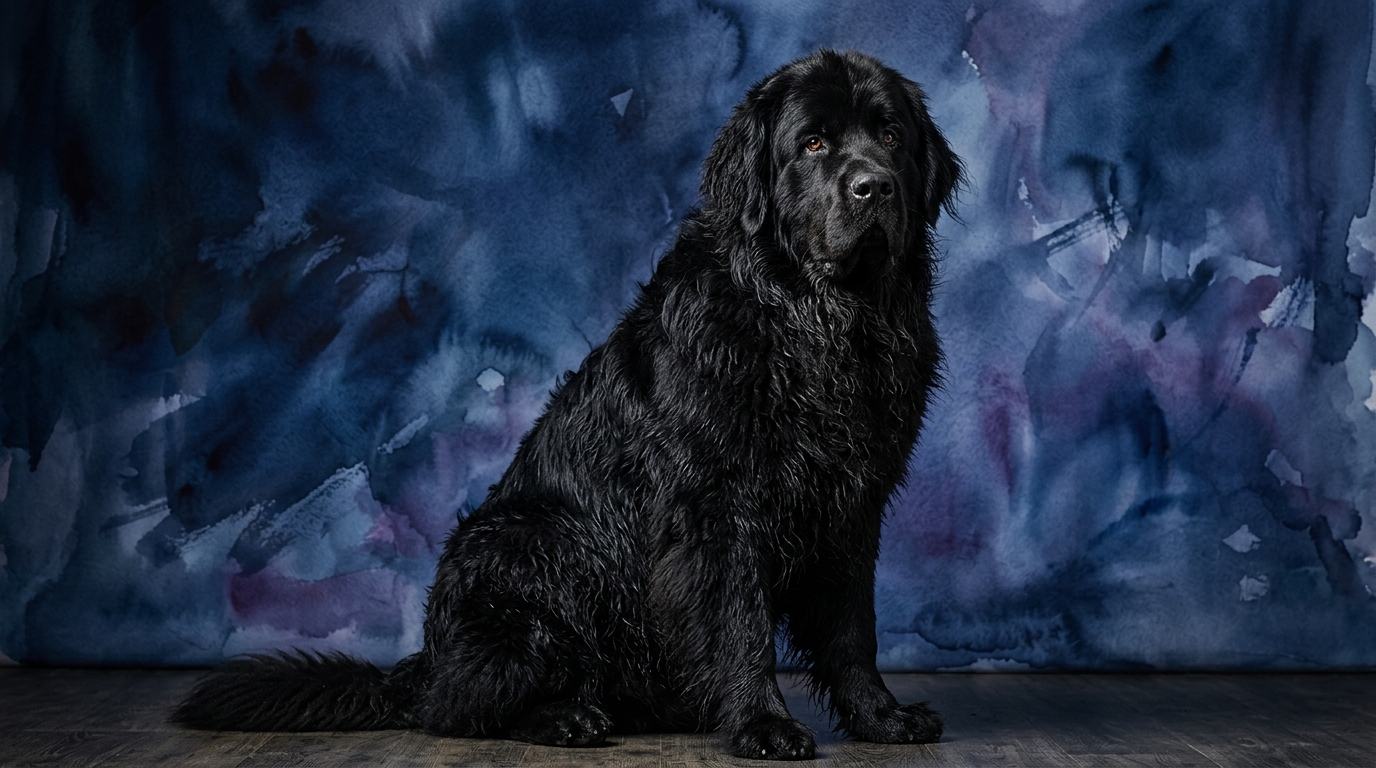
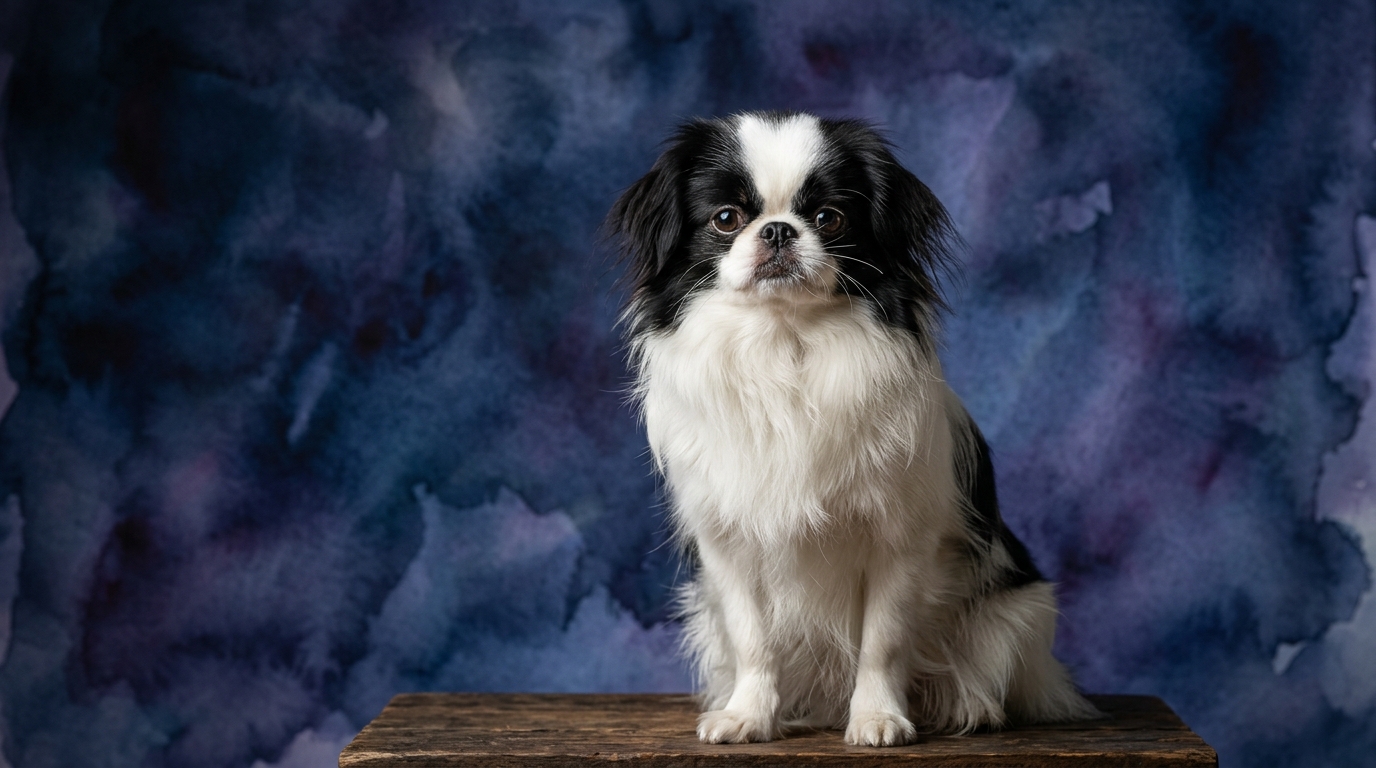
Side-by-Side Cognitive Profile: Newfoundland vs. Japanese Chin
As a distinguished working breed, historically engaged in demanding water rescues and heavy hauling, the Newfoundland, ranked #34 by Coren, presents a robust and purpose-driven cognitive profile. Its Problem Solving is rated a solid 3/5, indicating a dependable capacity to assess and navigate various challenges, whether it's figuring out how to open a gate or strategizing to retrieve a toy from a tricky spot, often with an underlying goal of assisting its human companions. Training Speed shines brightly at 4/5, reflecting an inherent readiness and eagerness to absorb and execute new commands and complex tasks efficiently, a testament to their historical roles requiring quick learning and reliable execution. Social Intelligence stands at an exceptional 5/5, highlighting an extraordinary ability to interpret human emotions, understand subtle social cues, and forge profound, empathetic connections, making them remarkably intuitive and attuned family members. Instinctive Drive also earns a perfect 5/5, underscoring their powerful innate desires to work, protect, and assist; this often manifests as a strong natural inclination towards water activities, a watchful guardianship over their family, or a persistent desire to be involved in household activities. Finally, Memory is strong at 4/5, enabling them to retain intricate learned behaviors, complex routes, and significant experiences over extended periods, which contributes significantly to their reliability and consistency in both daily life and more demanding roles.
In contrast, the Japanese Chin, a revered toy breed valued primarily for its companionship and charm, while not appearing on Coren's rankings, offers a distinct cognitive makeup perfectly suited to its refined role. Its Problem Solving is rated 3/5, remarkably on par with the Newfoundland; this suggests a moderate yet effective capacity for independent thought, allowing them to navigate their domestic environment and solve smaller, self-serving puzzles, perhaps related to locating a favorite sunbeam, accessing a coveted high perch, or figuring out how to get attention. Training Speed is 3/5, indicating a moderate pace for acquiring new commands and manners; they are certainly trainable, but may require more consistent, gentle repetition and positive reinforcement compared to some highly driven working breeds. Social Intelligence also registers at 3/5, meaning they are generally aware of their human companions and enjoy interaction, but might exhibit a more selective or reserved sociability, preferring the company of their chosen few rather than seeking broad engagement. Instinctive Drive is similarly rated 3/5, reflecting a lower innate compulsion for strenuous 'work' or highly driven behaviors; their primary motivations typically revolve around comfort, companionship, and maintaining a peaceful existence within their immediate family circle. Memory, too, is rated 3/5, suggesting they adequately retain information for daily routines, basic commands, and familiar faces, though perhaps without the extensive recall depth seen in breeds historically tasked with complex, multi-stage activities.
Where the Newfoundland Excels Cognitively
The Newfoundland's cognitive strengths are particularly evident in its exceptional social intelligence and powerful instinctive drive, both rated a perfect 5/5. This breed possesses an unparalleled capacity to understand and respond to human emotions and intentions, making them incredibly intuitive companions, diligent caregivers, and empathetic family members who often anticipate needs. Their strong instinctive drive translates into a natural eagerness to engage in purposeful activities, whether it's retrieving a dropped item, pulling a cart, or simply staying close by as a watchful, comforting presence. This inherent motivation, combined with a robust 4/5 training speed, means Newfoundlands not only grasp new concepts quickly but are also highly motivated to apply their learning in real-world scenarios, making them superior in tasks requiring consistent effort, complex command sequences, and reliability under pressure, such as water rescue or service work. Their 4/5 memory further solidifies these wins, allowing them to recall intricate sequences, past experiences, and learned family routines over long periods, which is invaluable for sustained working roles and for building predictable, trusting relationships within a household.
Where the Japanese Chin Shines Cognitively
While its overall cognitive scores are generally moderate, the Japanese Chin offers distinct advantages, particularly for specific living situations and owner preferences. Its Problem Solving score of 3/5, remarkably matching the Newfoundland, is noteworthy for a toy breed; this indicates a respectable ability to navigate its smaller world and solve self-serving puzzles, like finding a sunbeam, accessing a favorite high perch, or figuring out a clever way to solicit attention, often with a charming independence that doesn't rely on constant human direction. The Chin's lower Instinctive Drive (3/5) can be a significant cognitive 'win' for owners seeking a less demanding companion; it means less innate need for strenuous physical or mental 'work,' translating to a calm, often serene demeanor well-suited for apartment living or a quiet, indoor lifestyle where intense activity isn't a priority. Its moderate Social Intelligence (3/5) ensures it's affectionate and bonded to its family without the overwhelming, constant need for interaction that some highly social breeds exhibit, offering a balanced companionship that respects personal space and can thrive in a quieter household. For those who appreciate a dog that is present and observant without being overly intrusive or requiring constant stimulation, the Japanese Chin's cognitive profile provides a delightful, self-contained intelligence perfectly suited to its companion role.
Training Aptitude: Newfoundland vs. Japanese Chin
Based on their respective IQ profiles, the Newfoundland is demonstrably easier to train than the Japanese Chin, primarily due to key differences in training speed, social intelligence, and instinctive drive. The Newfoundland's training speed is rated 4/5, significantly higher than the Chin's 3/5. This means Newfoundlands typically grasp new commands and behaviors with fewer repetitions and greater enthusiasm, often eager to please and quick to respond to cues. Their perfect 5/5 social intelligence further aids training; they are acutely attuned to human cues, intentions, and desires, making them highly responsive to verbal commands, hand signals, and even subtle shifts in owner mood. This profound understanding fosters a truly collaborative and rewarding training environment. Additionally, their 5/5 instinctive drive means they possess a strong inherent motivation to engage in activities alongside their humans, often finding deep satisfaction in performing tasks and earning praise. In contrast, the Japanese Chin's moderate training speed and social intelligence mean they require more patience and consistency. While perfectly capable of learning basic commands and good manners, their training might progress at a slower pace, and they may be less inherently driven by the desire to 'work' for their owner. Chins often respond better to positive reinforcement focused on comfort, treats, and affection rather than complex task mastery, sometimes displaying a charming independent streak that requires a gentle, persistent approach.
Matching Breeds to Lifestyles: Active vs. Relaxed Owners
The distinct cognitive profiles of these two breeds clearly delineate which dog aligns best with different owner lifestyles. Active owners who enjoy outdoor adventures, structured training, and a highly engaged canine companion will find the Newfoundland an ideal match. Its high instinctive drive (5/5) and robust memory (4/5) make it eager for activities like hiking, swimming, carting, or even canine sports, while its exceptional social intelligence (5/5) ensures it remains a devoted, responsive, and intuitive partner throughout these endeavors. Newfoundlands thrive on having a 'job,' whether it's a formal working role or simply being an integral, active part of family life, requiring significant daily interaction and mental stimulation to prevent boredom. Conversely, the Japanese Chin is perfectly suited for relaxed owners who prefer a more tranquil home life. Its moderate instinctive drive (3/5) means it is content with less strenuous activity, often enjoying short, leisurely walks and indoor play sessions. The Chin's balanced social intelligence (3/5) allows it to be an affectionate and present companion without demanding constant attention or intense interaction, making it an excellent choice for individuals or families who appreciate a calm, observant companion that fits seamlessly into a quieter, less active routine. They are content to observe and be near their humans, providing a comforting, unobtrusive presence.
The Verdict
Choose the Newfoundland if you seek a deeply empathetic, highly trainable companion eager to participate actively in your life, especially if you have an active lifestyle and appreciate a dog with a strong sense of purpose and profound social connection.
Opt for the Japanese Chin if you desire a charming, moderately independent companion for a more relaxed home environment, valuing a dog that is content with less demanding activity and offers a calm, affectionate presence without constant, intense engagement.
🧠 Find Your Pet's IQ Score
Our Pet IQ Lab assessment covers 25+ tests across 5 cognitive dimensions — personalized to your breed.
Take the Full IQ Test →Frequently Asked Questions
Is the Japanese Chin difficult to train due to its lower training speed score?
No, the Japanese Chin is not difficult to train, but its moderate training speed means it may require more consistent patience and positive reinforcement compared to a breed with a higher score. Their problem-solving and memory scores indicate they are certainly capable of learning, though perhaps at a slightly slower, more deliberate pace than some working breeds.
How does the Newfoundland's high social intelligence manifest in daily life?
A Newfoundland's high social intelligence means they are exceptionally attuned to human emotions, intentions, and communication cues. This manifests as remarkable empathy, a strong desire to be close to their family, and an intuitive understanding of household dynamics, often acting as gentle guardians or comforting presences who anticipate needs.
Can a Japanese Chin participate in dog sports or advanced training?
While not typically excelling in high-impact or endurance sports due to their lower instinctive drive, Japanese Chins can certainly enjoy and succeed in certain dog sports like obedience, rally, or even trick training. Their moderate problem-solving abilities allow them to learn and enjoy these activities, albeit perhaps with less intense focus or drive than a working breed.