Side-by-Side Cognitive Profiles
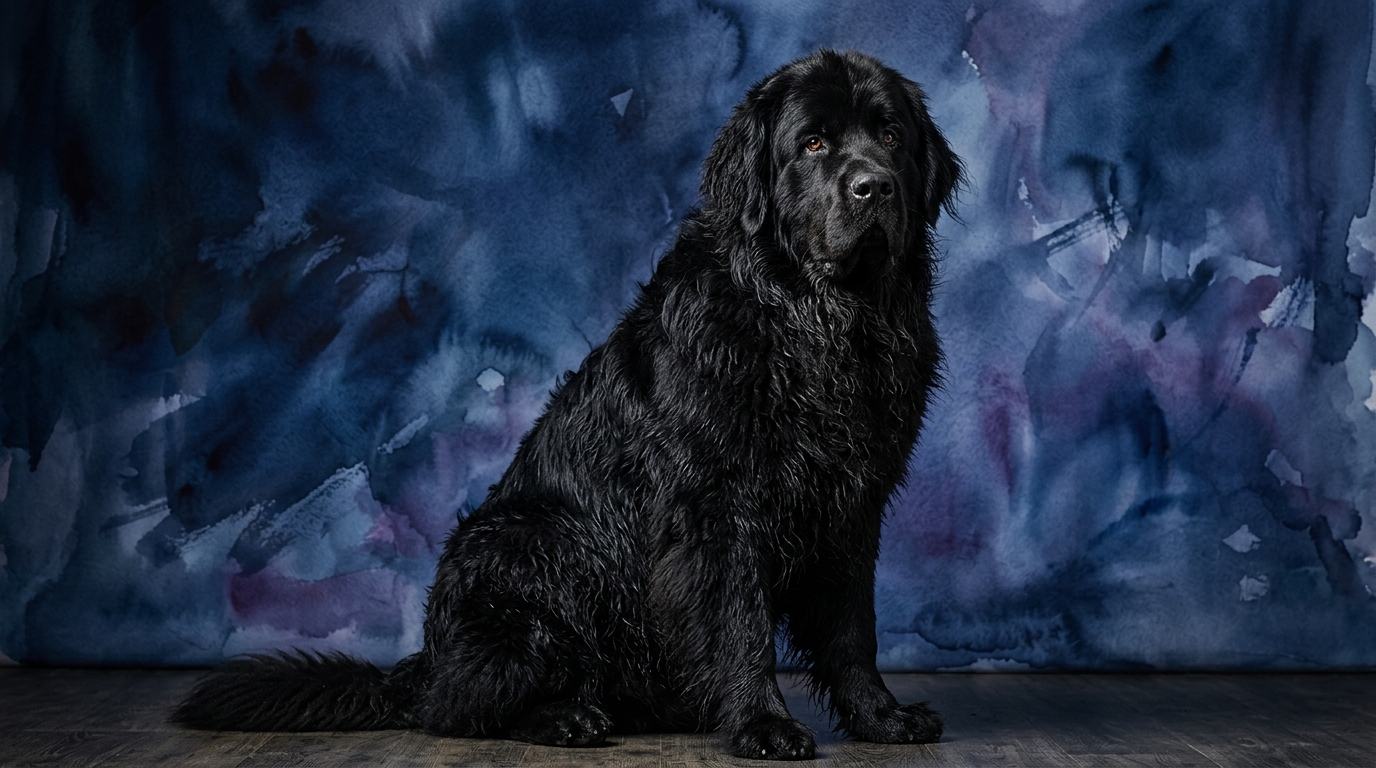
The Newfoundland, a majestic Working breed, exhibits a cognitive profile tailored for companionship and water rescue, reflecting centuries of collaboration with humans. Its Problem Solving at 3/5 indicates a reliable capacity for navigating practical challenges, such as figuring out how to retrieve a specific object from water, opening simple latches, or finding a preferred toy hidden in plain sight. Training Speed, rated at 4/5, reflects an impressive eagerness to learn and retain commands, often responding with enthusiasm to positive reinforcement and consistent, gentle methods, making them quick studies in obedience and specialized tasks. Social Intelligence, a standout at 5/5, highlights their exceptional ability to read human emotions, understand subtle social cues, and integrate smoothly into family dynamics, making them naturally empathetic companions who often anticipate their owner's moods or needs. Their Instinctive Drive, also 5/5, is powerfully geared towards protection and rescue, particularly water-based tasks; they possess a profound, innate motivation to aid others in distress, a trait deeply embedded in their genetic makeup. Memory, at 4/5, suggests they recall commands, routines, and past experiences over extended periods, contributing significantly to their reliability and consistency in behavior. The Coren ranking of #34 places them comfortably among breeds with strong working and obedience intelligence.
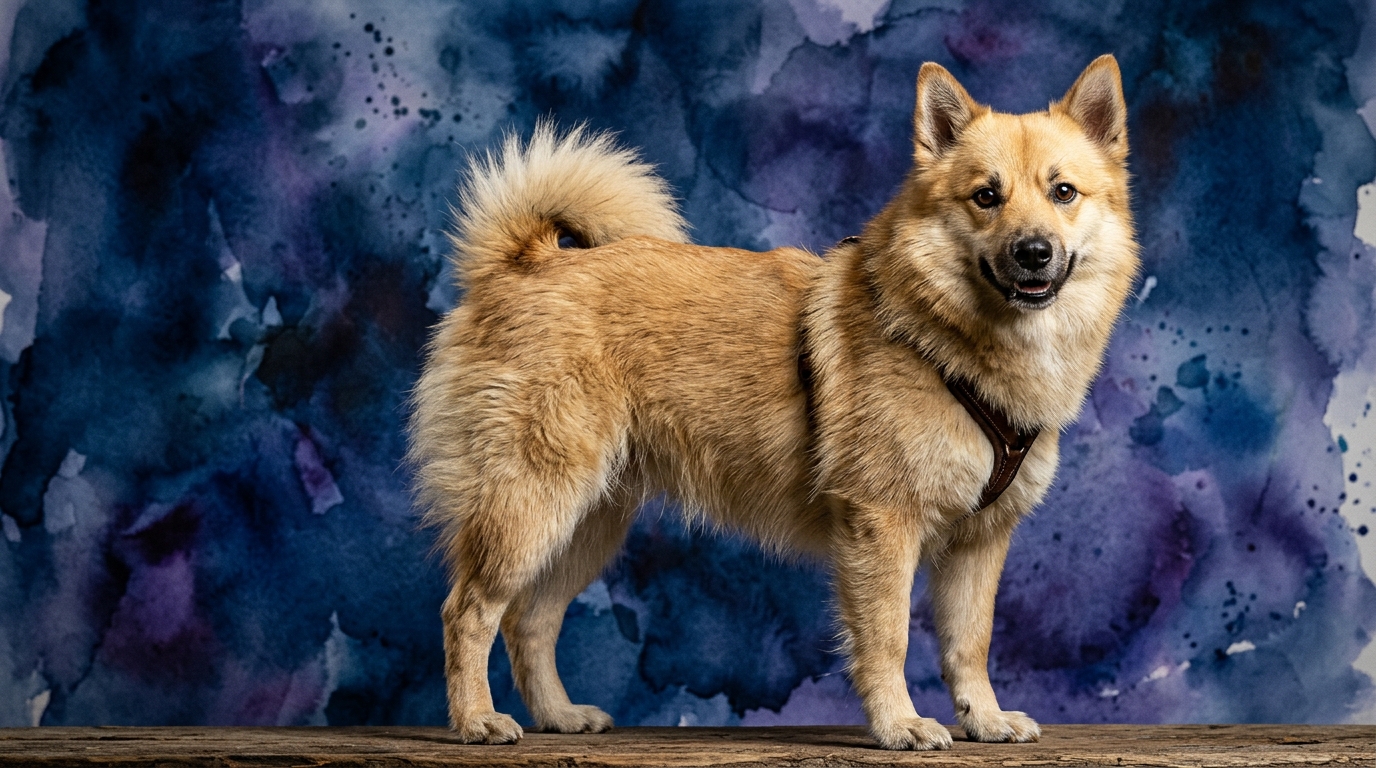
The Norwegian Buhund, a spirited Herding breed, presents a cognitive makeup optimized for vigilance, independent decision-making, and livestock management in rugged Nordic terrains. Its Problem Solving capability, at 3/5, is comparable to the Newfoundland, meaning it can devise practical solutions for challenges like finding a stray sheep, navigating a complex field, or figuring out how to get to a desired location. Training Speed, at 3/5, indicates a moderate pace of learning, often requiring patient, engaging, and varied training sessions to keep their attention and foster retention, as they can be easily bored by repetitive drills. Social Intelligence, at 3/5, suggests they are observant and aware of their human companions but may not possess the same level of emotional attunement or desire for constant interaction as the Newfoundland, often preferring to observe and react rather than deeply engage emotionally with every human nuance. Their Instinctive Drive, also 3/5, is primarily channeled into herding and guarding, exhibiting a natural inclination to patrol, bark at perceived threats, and protect their perceived flock or territory with a watchful eye. Memory, at 3/5, implies a solid ability to remember commands and routines, though perhaps not with the same depth or longevity as a Newfoundland, potentially requiring more frequent refreshers and consistent practice to maintain proficiency. As a breed not appearing on the Coren ranking, their cognitive strengths lie more in independent thought and practical application within their herding context rather than strict obedience.
Where Newfoundland Wins Cognitively
The Newfoundland distinctively shines in areas demanding profound social awareness and an inherent, powerful desire to assist, making them truly remarkable companions. Their 5/5 Social Intelligence means they excel at understanding and responding to human emotional states, often anticipating needs or offering comfort without explicit commands, demonstrating a deep capacity for empathy. This makes them exceptional therapy dogs and deeply intuitive family members, capable of forming strong, nuanced bonds that extend beyond simple obedience. Furthermore, their 5/5 Instinctive Drive, particularly for water rescue, sets them apart; a Newfoundland might instinctively attempt to “save” a struggling swimmer, gently guide a lost child back, or even retrieve an object from danger, demonstrating a proactive, ingrained altruism that is rare. Their superior Training Speed (4/5) compared to the Buhund (3/5) also gives them a significant edge in quickly grasping and executing complex multi-step commands, making them highly responsive and adaptable in structured environments like obedience, therapy work, or advanced water rescue trials. The Newfoundland's robust 4/5 Memory ensures these learned behaviors and social understandings are retained over long periods, building a stable foundation for consistent reliability and predictable, affectionate behavior within a family unit.
Where Norwegian Buhund Wins Cognitively
While the Newfoundland excels in social engagement, the Norwegian Buhund demonstrates a different, equally valuable set of cognitive strengths rooted in its millennia-old herding heritage and independent working style. The Buhund's 3/5 Problem Solving, though numerically equal to the Newfoundland, is often applied in a more independent and autonomous fashion, requiring less human intervention. This breed is adept at figuring out practical solutions to environmental challenges without constant human direction, such as maneuvering livestock through difficult terrain, identifying the weakest point in a fence, or finding its way home from a distance. Their Instinctive Drive (3/5) translates into a keen vigilance and territorial awareness, making them superb watchdogs who are quick to perceive and react to changes in their environment, alerting their owners with characteristic barking. This inherent alertness and quick reactivity are significant cognitive advantages for owners seeking a reliable canine alarm system and protector of property. The Buhund's cognitive profile, while not emphasizing deep social bonding in the same way, fosters a self-reliant thinker capable of making on-the-spot decisions crucial for guarding and herding, qualities that prevent sheep from scattering or alert to potential intruders long before they are visible. Their moderate Social Intelligence (3/5) allows them to connect meaningfully with their family while maintaining a degree of independence, a trait valued by owners who appreciate a dog that isn't overly clingy or demanding.
Which Is Easier to Train and Why
Comparing ease of training reveals clear distinctions driven by their core temperaments and cognitive profiles, particularly their motivation and focus. The Newfoundland, with its Training Speed of 4/5 and Social Intelligence of 5/5, generally proves significantly easier to train. Their strong desire to please and deep emotional connection to their human companions makes them highly motivated to comply and learn, viewing training as a cooperative and rewarding activity. They thrive on positive reinforcement, gentle guidance, and clear, consistent instruction, quickly associating actions with rewards and the satisfaction of pleasing their owner. Their high memory (4/5) ensures commands stick, reducing the need for constant repetition and allowing for rapid progression to more complex tasks. Conversely, the Norwegian Buhund, with its Training Speed of 3/5 and Social Intelligence of 3/5, can present more of a training challenge. While certainly capable of learning, their independent spirit, strong prey drive, and lower intrinsic motivation to please humans mean training requires more creativity, patience, and highly engaging methods to maintain their interest and prevent boredom. Their herding instincts can lead to distractions, and they might question commands if they perceive a more “efficient” or interesting way to handle a situation. Training a Buhund often involves tapping into their natural drive for activity and problem-solving, turning sessions into engaging games and puzzles rather than rote drills; otherwise, they might simply ignore you. Their moderate memory (3/5) means consistent, ongoing reinforcement is key to solidifying behaviors and preventing regression.
Which Suits Active Owners vs. Relaxed Owners
The choice between these breeds significantly depends on an owner's lifestyle and activity level, as their energy requirements and preferred forms of engagement differ widely. A Newfoundland, despite its substantial size, often suits a more relaxed owner, provided they can accommodate the dog's significant grooming needs and provide moderate, consistent exercise like daily walks or swimming sessions. Their high social intelligence and calm, patient demeanor mean they are generally content to be near their family, often preferring to lounge indoors after a good stroll, acting as a gentle presence. Their instinctive drive for companionship and protection means they thrive in environments where they are an integral part of daily family life without needing constant high-intensity physical exertion, making them excellent companions for families or individuals seeking a calm, affectionate presence. In contrast, the Norwegian Buhund is decidedly better suited for active owners. Their herding background imbues them with considerable stamina, agility, and a pronounced need for both physical and mental stimulation. They require regular, vigorous exercise beyond simple walks, benefiting greatly from activities like agility, herding trials, flyball, or long, challenging hikes where they can use their bodies and minds. Owners who can engage them in structured work, demanding play, or canine sports will find a happy, well-adjusted Buhund. Without sufficient physical and mental outlets, a Buhund may develop undesirable behaviors stemming from boredom and pent-up energy, such as excessive barking, destructive chewing, or obsessive pacing, making them a poor fit for a sedentary lifestyle.
The Verdict
Choose the Newfoundland if you seek a deeply empathetic, highly trainable companion eager to please, thriving on social interaction, and content with a more relaxed pace of life after moderate exercise.
Opt for the Norwegian Buhund if you are an active owner looking for an independent, vigilant, and energetic partner who excels in physical challenges and requires consistent mental engagement.
🧠 Find Your Pet's IQ Score
Our Pet IQ Lab assessment covers 25+ tests across 5 cognitive dimensions — personalized to your breed.
Take the Full IQ Test →Frequently Asked Questions
Is a Newfoundland good with children?
Yes, Newfoundlands often excel with children due to their exceptional social intelligence and patient, gentle nature. Their strong instinctive drive for protection also makes them naturally watchful over their family's younger members, though supervision is always advised with any dog and child.
Do Norwegian Buhunds bark a lot?
Norwegian Buhunds can be quite vocal, as their strong instinctive drive for vigilance and guarding means they are quick to alert to anything unusual. Early training and consistent socialization can help manage excessive barking, but their natural tendency to communicate through sound remains.
Which breed is better for a first-time dog owner?
For a first-time owner, the Newfoundland's higher training speed, social intelligence, and eagerness to please generally make them a more forgiving and easier breed to manage. The Norwegian Buhund's independence and higher exercise needs can be more challenging for someone new to dog ownership.