Side-by-Side Cognitive Profiles
At The Cosmic Pet Pet IQ Lab, we evaluate canine cognition across five crucial dimensions: problem-solving, training speed, social intelligence, instinctive drive, and memory. Understanding these facets provides a clearer picture of each breed's inherent mental aptitudes.
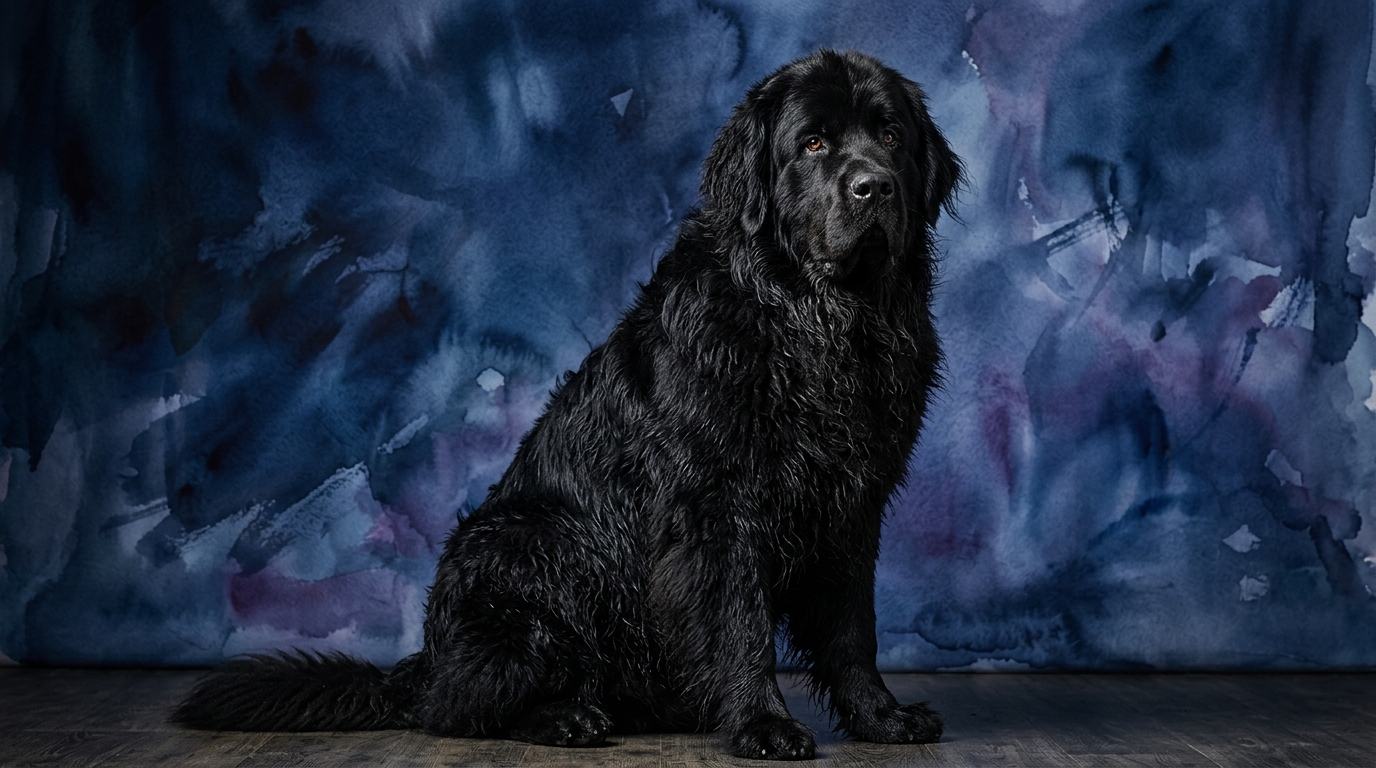
The **Newfoundland**, a Working Group member, ranks #34 in Coren's intelligence scale, signifying a capable and attentive learner. Their Problem Solving is rated 3/5, indicating they can navigate moderately complex challenges but may not independently devise novel solutions for intricate puzzles without guidance. Training Speed scores 4/5, reflecting their eagerness and capacity to quickly grasp and retain commands, often driven by a desire for cooperation. Their Social Intelligence is exceptional at 5/5, demonstrating a profound ability to read human emotions, respond empathetically, and integrate seamlessly into family dynamics. Instinctive Drive, also 5/5, showcases their powerful inherent urges for water rescue, protection, and nurturing, deeply ingrained from their lineage. Finally, their Memory is strong at 4/5, allowing them to recall learned behaviors and past experiences with impressive consistency.
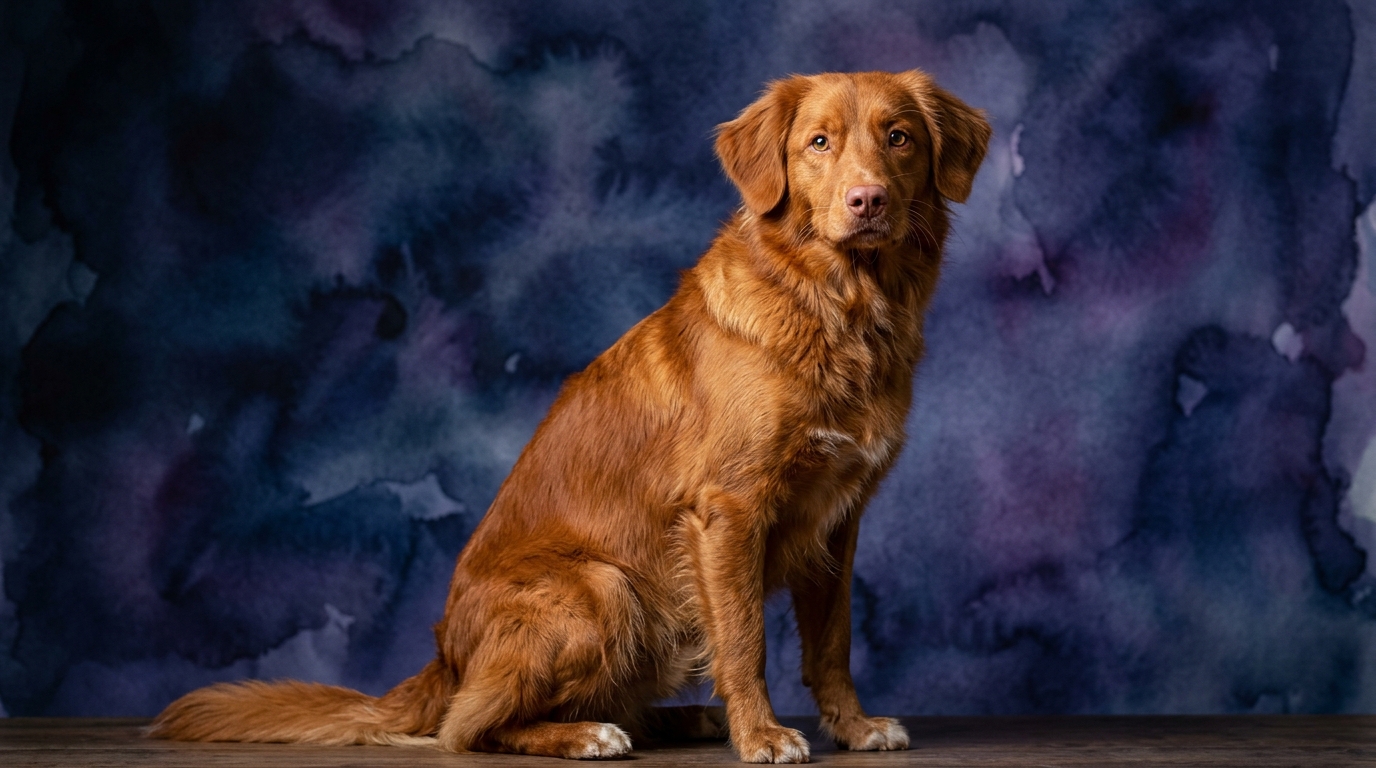
The **Nova Scotia Duck Tolling Retriever**, a Sporting Group member not specifically ranked by Coren, presents a different cognitive signature. Their Problem Solving is rated 3/5, similar to the Newfoundland, meaning they are adept at tasks related to their retrieving work, like navigating terrain to find a dummy, but might require more structured guidance for abstract intellectual challenges. Training Speed is 3/5, suggesting they learn at a steady pace, requiring consistent and engaging methods to maintain their focus and motivation. Social Intelligence is 3/5; while friendly and sociable, they may not possess the same nuanced empathetic understanding of human emotional states as the Newfoundland. Instinctive Drive is 3/5, primarily focused on their retrieving and 'tolling' behaviors – luring waterfowl – rather than broader protective or rescue instincts. Their Memory also scores 3/5, indicating they retain commands and experiences adequately, but perhaps with less long-term precision for complex sequences compared to the Newfoundland.
Where the Newfoundland Shines Cognitively
The Newfoundland's cognitive strengths distinctly lie in its social and instinctive domains. With a perfect 5/5 in Social Intelligence, they exhibit an unparalleled capacity to attune to human emotions, often anticipating needs or sensing distress before direct cues are given. This makes them remarkably gentle and patient companions, particularly with children, as they process social situations with a calm, empathetic understanding.
Their 5/5 Instinctive Drive is another area where they truly excel, translating directly into their historical roles as water rescue dogs and watchful guardians. This isn't just brute force; it's a cognitive understanding of danger and a powerful urge to intervene, requiring quick assessment of situations and decisive, protective action. Their memory, at 4/5, complements this by allowing them to reliably recall complex safety protocols or family routines, reinforcing their role as a steadfast, dependable presence in a home. While their problem-solving isn't the highest, it's often applied within this social and protective framework, such as figuring out how to comfort a crying child or gently redirecting a boisterous visitor.
Where the Nova Scotia Duck Tolling Retriever Excels Cognitively
While the Toller's numerical scores don't surpass the Newfoundland's in any given category, its cognitive excellence lies in the *focused application* of its abilities towards its specific working purpose. The Toller's 3/5 Problem Solving, combined with its 3/5 Instinctive Drive, creates a dog exceptionally adept at tasks requiring sustained focus, agility, and quick decision-making in a dynamic, outdoor environment. They excel at figuring out the most efficient path to retrieve a thrown object over varied terrain or how to effectively 'toll' waterfowl by engaging in playful, luring movements.
Their cognitive edge is in their energetic and persistent approach to these specific challenges. While their training speed is 3/5, their drive for retrieving means they are highly motivated by play and reward, making them efficient learners for tasks directly related to their sporting instincts. This concentrated cognitive profile allows them to perform complex retrieving sequences with enthusiasm and precision, demonstrating a keen understanding of their environment and the task at hand, even if their broader social or general problem-solving might be less expansive than a Newfoundland's.
Trainability: Newfie's Eagerness vs. Toller's Focus
When considering trainability, the Newfoundland generally presents an easier path for most owners. Their Training Speed of 4/5, coupled with their outstanding 5/5 Social Intelligence, means they are highly receptive to human direction and eager to cooperate. Newfoundlands derive immense satisfaction from pleasing their people and understanding what is expected of them, which translates into a willingness to learn and a quick uptake of commands. Their excellent memory further solidifies learned behaviors, leading to consistent performance over time.
The Nova Scotia Duck Tolling Retriever, with a Training Speed of 3/5, requires a more engaging and consistent approach. While capable learners, they can be more independent and may need varied, high-energy training sessions to maintain interest. Their 3/5 Social Intelligence means they might not be as finely attuned to subtle human cues, necessitating clearer communication and stronger motivation through positive reinforcement, often involving their natural retrieving drive. Owners need patience and creativity to harness the Toller's focused energy effectively, ensuring training remains a stimulating and rewarding experience for them.
Lifestyle Match: Active Engagement vs. Calm Companionship
The cognitive profiles of these two breeds offer clear guidance for matching them with appropriate owner lifestyles. The Newfoundland, with its profound social intelligence, strong memory, and protective instincts, thrives in environments that value calm companionship, gentle interaction, and a deep family bond. While they require regular exercise, their cognitive engagement often comes from being an integral, comforting presence within the home, observing and interacting with their family. They are well-suited for owners who appreciate a steadfast, empathetic companion and can provide a stable, loving environment.
Conversely, the Nova Scotia Duck Tolling Retriever's focused problem-solving, moderate training speed, and strong retrieving drive make them ideal for active owners. They need consistent mental and physical stimulation, excelling in activities like agility, dock diving, or advanced retrieving games that tap into their specific cognitive strengths. Owners who enjoy outdoor adventures, participate in dog sports, or can dedicate significant time to engaging their Toller's energetic mind will find a rewarding partnership. This breed requires an owner prepared to channel its focused drive into productive and stimulating activities.
The Verdict
Choose the Newfoundland if you seek a profoundly empathetic, protective, and gentle companion who thrives on social connection and provides a calm, reassuring presence in your home.
Opt for the Nova Scotia Duck Tolling Retriever if you are an active individual or family looking for an energetic, focused partner for outdoor adventures and dog sports, ready to engage their keen retrieving instincts.
🧠 Find Your Pet's IQ Score
Our Pet IQ Lab assessment covers 25+ tests across 5 cognitive dimensions — personalized to your breed.
Take the Full IQ Test →Frequently Asked Questions
Is a Newfoundland difficult to train due to its size?
Despite their imposing size, Newfoundlands are generally not difficult to train because of their 4/5 training speed and exceptional 5/5 social intelligence. They are eager to please and respond well to consistent, positive reinforcement, making them quite manageable even for novice owners.
Do Tollers have a strong prey drive?
Yes, Nova Scotia Duck Tolling Retrievers possess a strong instinctive drive (3/5) specifically oriented towards retrieving and luring waterfowl. This manifests as a keen interest in chasing and retrieving objects, requiring appropriate outlets and training to manage this innate behavior safely.
Which breed is better with children?
The Newfoundland, with its 5/5 social intelligence and strong nurturing instincts, is typically regarded as exceptionally gentle and patient with children, often displaying a natural protective calmness. While Tollers are friendly, their higher energy and more moderate social intelligence (3/5) mean they may require more supervision around very young children.