Side-by-Side IQ Profile: Newfoundland vs. Petit Basset Griffon Vendéen
The Cosmic Pet Pet IQ Lab assesses canine intelligence across five key dimensions, offering a nuanced view beyond simple obedience. Here’s how these two breeds stack up:
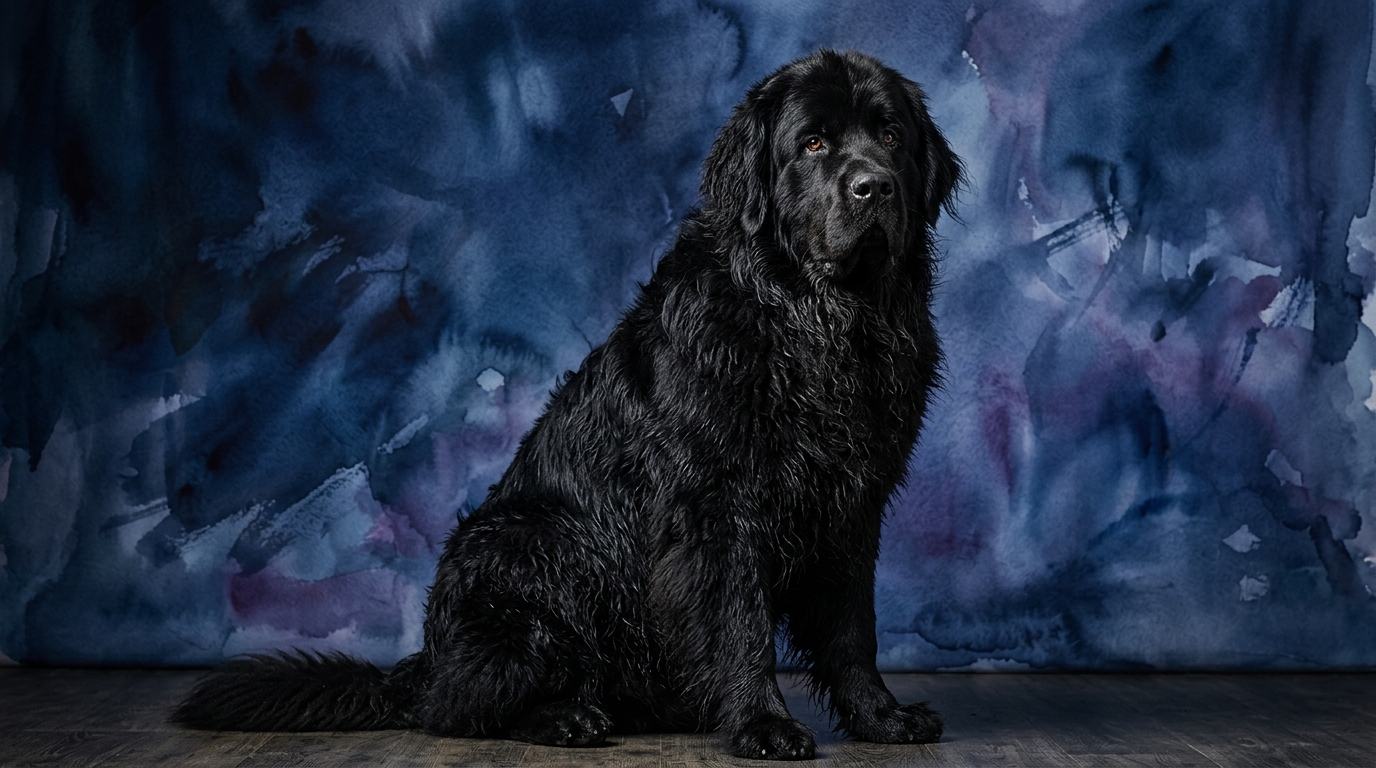
**Newfoundland (Working Group, Coren Rank #34):** This majestic breed, historically a fisherman's companion and water rescuer, exhibits a profound capacity for empathy and cooperation.
* **Problem Solving (3/5):** Newfoundlands approach novel situations with a steady, thoughtful demeanor. While not given to rapid, innovative solutions, their strength lies in methodical application of known solutions, especially those involving cooperation or assistance.
* **Training Speed (4/5):** These dogs typically pick up new commands and routines with impressive alacrity, driven by a strong desire to please and a cooperative nature. Their responsiveness makes them generally receptive learners.
* **Social Intelligence (5/5):** A hallmark of the breed, Newfoundlands excel at understanding human emotions, subtle cues, and group dynamics. This profound empathy underpins their historical role as nannies and water rescuers, making them exceptionally attuned companions.
* **Instinctive Drive (5/5):** Their innate drive for rescue, particularly water rescue, is exceptionally strong. This translates into a powerful impulse to aid, protect, and be involved in family activities, often manifesting as a "nanny dog" tendency.
* **Memory (4/5):** Newfoundlands possess a solid memory, retaining learned behaviors, commands, and experiences over long periods. This aids their training consistency and ability to recall complex tasks.
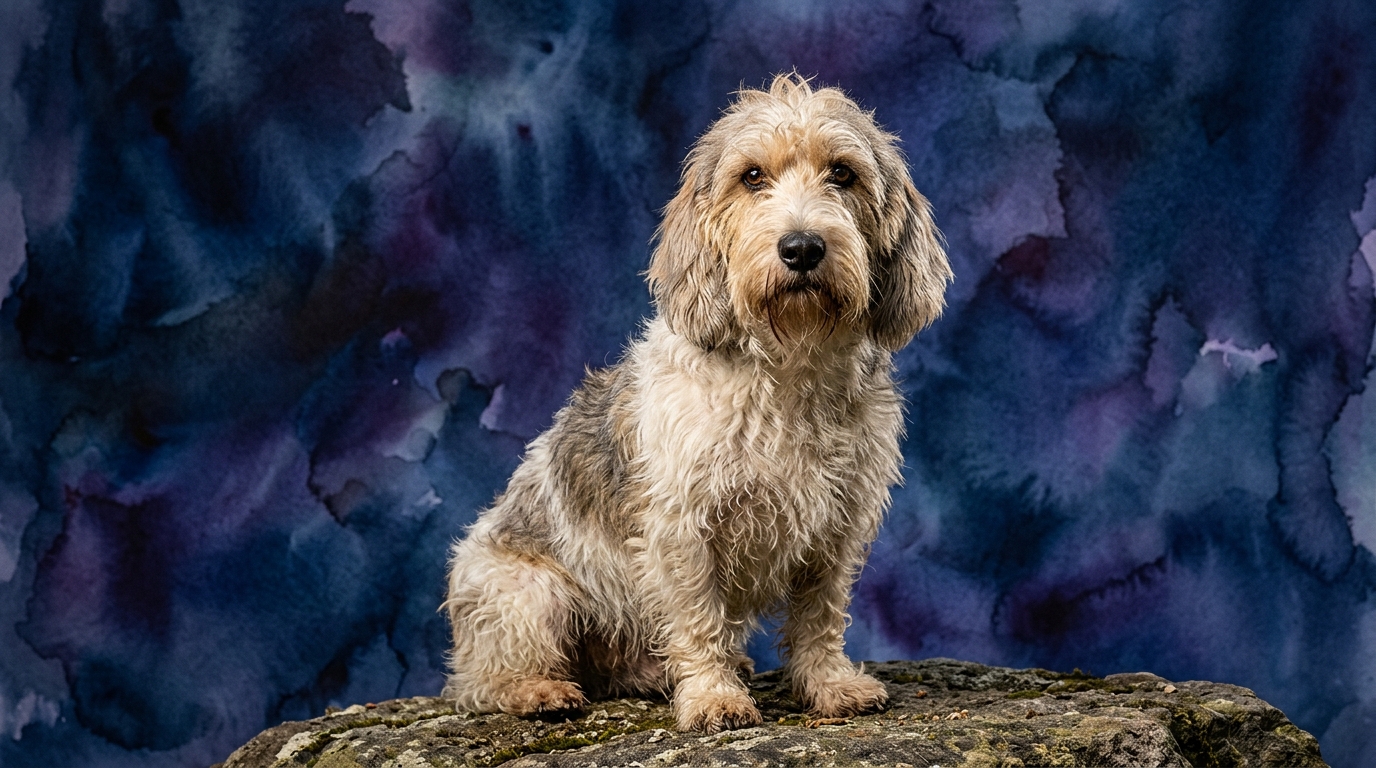
**Petit Basset Griffon Vendéen (Hound Group, Not Coren-Ranked):** Originating from the Vendée region of France, the PBGV is a lively, independent scent hound bred for hunting small game.
* **Problem Solving (3/5):** PBGVs demonstrate a resourceful form of problem-solving, often related to their keen scenting abilities. They excel at figuring out how to follow a trail or navigate obstacles in pursuit of an interesting smell, rather than solving abstract puzzles.
* **Training Speed (3/5):** While capable of learning, PBGVs can be more deliberate in their training pace. Their independent hound nature means they might require more patience and creative motivation to maintain focus compared to breeds bred for close cooperation.
* **Social Intelligence (3/5):** PBGVs engage with their human families with enthusiasm and affection, but their social intelligence leans more towards peer interaction within a pack or direct, joyful engagement rather than the nuanced emotional attunement of a Newfoundland.
* **Instinctive Drive (3/5):** Their primary instinctive drive is rooted in scent work and hunting. This manifests as a strong desire to explore, track, and vocalize, often leading them to follow their noses with single-minded determination.
* **Memory (3/5):** PBGVs have a functional memory for commands and routines, but their recall can sometimes be overshadowed by a compelling scent. They remember what they've learned, but their independent spirit might influence how readily they apply it in the face of stronger instincts.
Where the Newfoundland Wins Cognitively
Newfoundlands truly shine in areas demanding empathy, cooperation, and a strong sense of responsibility. Their perfect 5/5 in social intelligence means they are uniquely adept at reading human emotions, anticipating needs, and offering comfort, making them exceptional therapy dogs or family guardians. This cognitive strength, combined with a 5/5 instinctive drive for rescue, translates into a profound willingness to help and protect, not just physically but also emotionally. Their 4/5 training speed also means they are quicker to grasp complex multi-step commands, allowing them to perform intricate tasks in rescue scenarios or competitive obedience with greater fluidity than many other breeds. For example, a Newfoundland can be taught to retrieve a specific item from a crowded room, demonstrating not just object recognition but also an understanding of the handler's intent, a testament to their high social cognition.
Where the Petit Basset Griffon Vendéen Wins Cognitively
While their individual scores might appear lower, the PBGV's cognitive strengths are perfectly aligned with their historical purpose. Their 3/5 in problem-solving, though not abstract, manifests as exceptional resourcefulness in navigating complex terrain and deciphering intricate scent trails. A PBGV's triumph isn't in solving a puzzle box, but in independently figuring out how to bypass an obstacle to reach a faint scent, using their keen senses and persistent nature. Their instinctive drive, also a 3/5, is a powerful engine for independent exploration and pursuit, making them masters of their olfactory world. This breed excels in tasks requiring tenacity, sensory discrimination, and self-directed activity, often operating with a focused determination that belies their sometimes-distracted appearance. Their memory, a 3/5, is perfectly adequate for remembering the intricacies of a scent trail or the location of a favored digging spot, demonstrating a practical, rather than purely academic, form of recall.
Which is Easier to Train and Why
The Newfoundland is generally easier to train due to its 4/5 training speed and unparalleled 5/5 social intelligence. These dogs possess an inherent desire to work alongside humans and a deep understanding of human intentions, making them highly receptive to instruction. They respond well to positive reinforcement and consistency, often motivated by praise and the opportunity to participate. Their strong memory (4/5) ensures that once a command is learned, it is retained effectively. For instance, teaching a Newfoundland to stay for extended periods or to perform complex sequences like retrieving a specific item from water is often a smoother process because they are motivated by cooperation and connection.
In contrast, the Petit Basset Griffon Vendéen, with a 3/5 training speed and 3/5 social intelligence, presents a different training dynamic. Their independent hound nature means they are often more driven by their powerful instincts, particularly scent, than by human directives. While they are certainly capable of learning, their attention can be fleeting if a compelling scent is present. Training a PBGV requires more patience, creativity, and a strong understanding of their motivations. They excel when training incorporates their natural drives, such as scent games or tracking exercises, rather than purely obedience-focused drills. It's not a lack of capacity, but a difference in motivational drivers and focus; a PBGV might "forget" a command if a rabbit trail is more appealing, a behavioral trait deeply rooted in their hunting heritage.
Which Suits Active Owners vs. Relaxed Owners
The Newfoundland, despite its substantial size, can suit both active and more relaxed owners, albeit with different considerations. For relaxed owners, their calm disposition and strong social intelligence make them wonderful, gentle companions who are content with moderate daily walks and ample family interaction. They are not high-strung and generally adapt well to a quieter household, provided their social needs are met. However, for active owners, Newfoundlands excel in activities like water rescue, carting, and even therapy work, thriving on purpose-driven engagement that taps into their instinctive drives and cooperative spirit. Their physical activity needs are moderate but consistent, requiring regular exercise to maintain health and prevent boredom.
The Petit Basset Griffon Vendéen, conversely, is better suited for active owners. Their 3/5 instinctive drive for hunting and boundless energy mean they require significant daily exercise and mental stimulation. These are not dogs content with a short stroll around the block; they need opportunities to explore, sniff, and run, ideally in a secure, fenced area. Owners who enjoy hiking, long walks, or dog sports like earthdog trials or agility will find a joyful, tireless companion in a PBGV. Their independent nature and desire to follow their noses mean they are less suited for truly relaxed owners who prefer minimal activity, as an under-exercised PBGV can become bored and potentially destructive, or simply very vocal.
The Verdict
Choose Newfoundland if: You seek a deeply empathetic, cooperative, and gentle giant who thrives on human companionship and a sense of purpose, particularly one that involves nurturing or assisting. Their social intelligence and cooperative nature make them excellent family dogs and willing partners in moderate activities.
Choose Petit Basset Griffon Vendéen if: You are an active individual or family who enjoys outdoor adventures and can provide ample opportunities for a spirited, independent scent hound to explore, track, and engage its keen senses. Their joyful tenacity and lively spirit will enrich an active, stimulating environment.
🧠 Find Your Pet's IQ Score
Our Pet IQ Lab assessment covers 25+ tests across 5 cognitive dimensions — personalized to your breed.
Take the Full IQ Test →Frequently Asked Questions
Are Newfoundlands good with children?
Yes, Newfoundlands are renowned for their exceptional social intelligence and gentle nature, often earning them the nickname "nanny dogs." They are typically patient and protective with children, making them wonderful family companions.
Do PBGVs bark a lot?
Petit Basset Griffon Vendéens are hounds with a natural tendency to vocalize, especially when excited, tracking a scent, or feeling bored. Their distinctive barks and howls are part of their charm, but prospective owners should be prepared for a vocal companion.
How much exercise does a Newfoundland need?
Newfoundlands require moderate, consistent exercise to maintain their health and well-being. Daily walks, swimming, and opportunities for purposeful activity like carting or retrieving are ideal, preventing boredom and promoting their calm demeanor.
Can a PBGV live in an apartment?
While their size might suggest apartment living is possible, a PBGV's high energy and strong instinctive drive for exploration mean they generally thrive better with a secure yard and active owners who can provide ample outdoor exercise and mental stimulation daily.