Side-by-Side IQ Profile: Newfoundland vs. Plott Hound
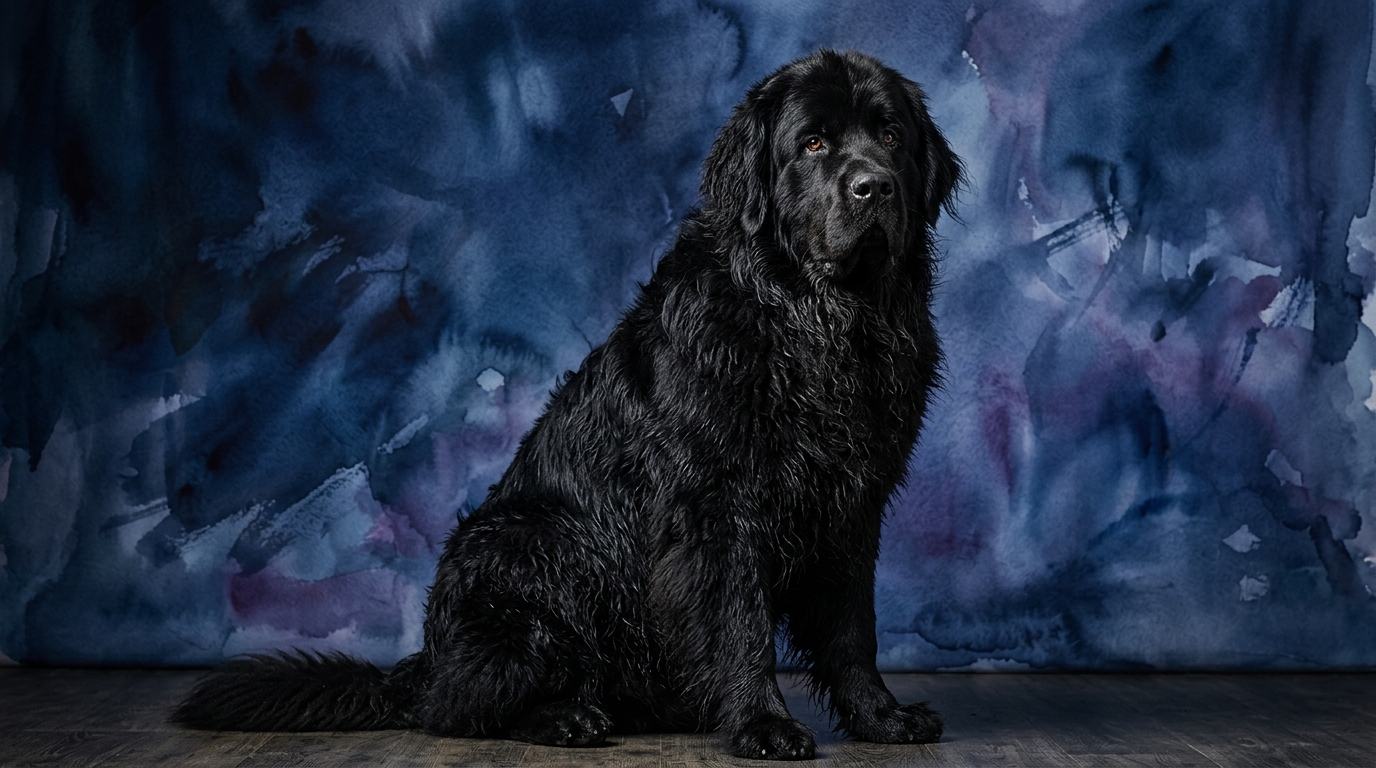
**Newfoundland:** These powerful working dogs, Coren-ranked #34, possess a unique cognitive blueprint tailored to their historical role as water rescuers and devoted companions.
**Problem Solving (3/5):** Newfoundlands possess a practical, rather than abstract, problem-solving aptitude. They excel at understanding and executing complex, multi-step tasks when guided, particularly those related to their heritage of water rescue and aid. Their strength lies in applying learned solutions to real-world scenarios, such as retrieving a struggling person from water or navigating obstacles to reach a target, rather than innovating entirely novel approaches without prior instruction.
**Training Speed (4/5):** These gentle giants are eager to please and highly responsive to instruction, typically picking up new commands and routines with relative ease. Their cooperative nature and desire to work alongside their human companions contribute to a comparatively fast learning curve, making them receptive and rewarding students.
**Social Intelligence (5/5):** Here, Newfoundlands truly shine. They exhibit an exceptional capacity to understand human emotions, intentions, and subtle social cues. Their deep empathy allows them to form profound bonds and often anticipate their family's needs, making them outstanding candidates for therapy work, emotional support, and intuitive family integration.
**Instinctive Drive (5/5):** The Newfoundland's instincts are powerfully geared towards aid, rescue, protection, and companionship. This strong drive manifests as a deep desire to 'save' or watch over their family members, often prompting them to intervene in perceived distress or to simply remain close and attentive. This innate inclination makes them highly dedicated and proactive companions.
**Memory (4/5):** Newfoundlands demonstrate good retention of learned commands, established routines, and the identities of people and places. This robust memory is crucial for consistently performing their historical working roles and for maintaining stable, predictable behavior within a family unit over time.
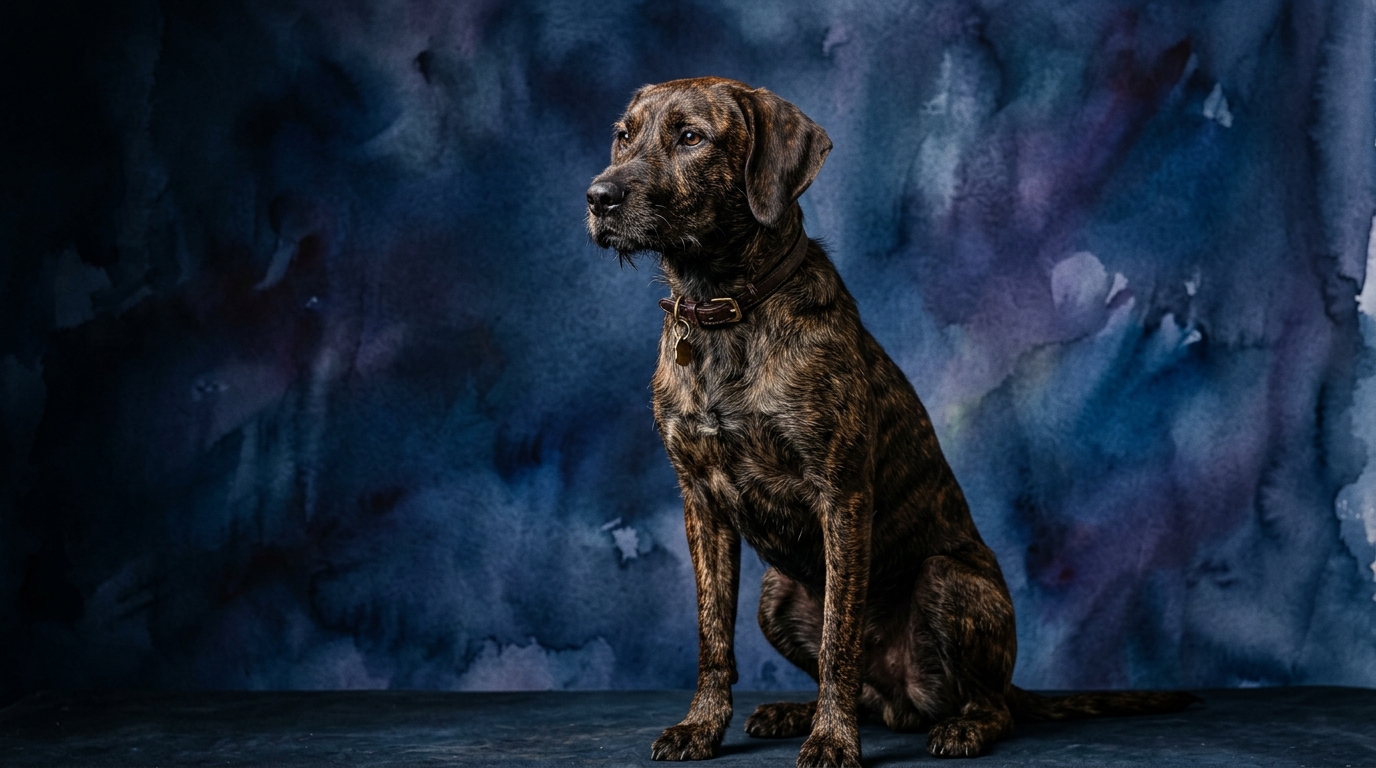
**Plott Hound:** Unranked by Coren for obedience, the Plott Hound's intelligence is a testament to specialized evolution, honed for the relentless pursuit of game.
**Problem Solving (3/5):** While scoring similarly to the Newfoundland, the Plott Hound's problem-solving skills are distinctly specialized. Their acumen lies in deciphering complex scent trails, navigating challenging terrain to locate game, and overcoming physical obstacles in pursuit. This is less about abstract thought and more about practical, sensory-driven reasoning in a hunting context, requiring intense focus and determination.
**Training Speed (3/5):** Plott Hounds can be more independent and less inherently people-pleasing than Newfoundlands, often requiring more patience and consistent motivation during training. Their strong, inherent drives can sometimes override a desire to comply, meaning they learn best when training is engaging and taps into their natural instincts, making the learning process a bit slower.
**Social Intelligence (3/5):** Affectionate and loyal to their families, Plott Hounds interact primarily for companionship and joint activities rather than deep emotional attunement. While they certainly bond, their focus isn't typically on the subtle nuances of human emotional states to the same degree as breeds with higher social intelligence scores, being more concerned with their immediate pack dynamics.
**Instinctive Drive (3/5):** The Plott Hound's instinctive drive is intensely focused on scent, tracking, and the chase. This powerful, singular drive can be all-consuming, often dictating their behavior and attention. While formidable in its specific application, this specialized drive means they are less broadly driven by human-centric tasks or generalized protection instincts compared to working breeds.
**Memory (3/5):** Plott Hounds possess a good memory for scent trails, hunting patterns, and the location of prey, which is vital for their work. However, their memory for a vast repertoire of abstract obedience commands might not be as extensive or consistently applied as breeds prioritizing human direction, particularly if the command doesn't align with their immediate hunting impulse.
Where the Newfoundland Wins Cognitively
The Newfoundland's cognitive superiority largely stems from its exceptional social intelligence (5/5 vs. Plott's 3/5). This means they possess a far greater capacity to understand and respond to human emotions, intentions, and nuanced social cues, making them unparalleled as empathetic companions, therapy animals, and intuitive family members. Furthermore, their higher training speed (4/5 vs. 3/5) indicates a quicker grasp of new commands and a stronger inclination to comply with human directives, leading to greater versatility in learned behaviors. Their instinctive drive (5/5 vs. 3/5) is also broader, encompassing rescue, protection, and companionship, allowing their intelligence to be applied across a wider range of human-centric tasks beyond a singular pursuit. Lastly, their superior memory (4/5 vs. 3/5) for a wider array of interactions and commands aids in consistent performance and adaptability in diverse environments, not just specialized tasks.
Where the Plott Hound Wins Cognitively
The Plott Hound's cognitive strengths are highly specialized and rooted in their heritage as a tenacious hunter. While their general problem-solving score is the same (3/5), the Plott excels in scent-based problem-solving and navigation, demonstrating an extraordinary ability to decipher complex, faint scent trails over vast distances and challenging terrain, a skill unmatched by the Newfoundland. Their intense, singular instinctive drive, though rated lower in broad versatility (3/5), grants them unparalleled endurance and tenacious focus on a singular task – the pursuit of game. This allows for independent decision-making in the field, where they can autonomously follow a trail for hours without constant human direction, showcasing a unique form of self-reliant intelligence critical for their hunting role. This specialized cognitive prowess allows them to operate effectively in environments where a Newfoundland's social intelligence or general obedience would be less relevant.
Which is Easier to Train, and Why?
Without question, the Newfoundland is generally easier to train. Their high training speed (4/5) and exceptional social intelligence (5/5) mean they are inherently motivated to understand and please their human companions. They are highly receptive to positive reinforcement and clear communication, eager to cooperate and integrate into family life. Real behavioral differences include their tendency to actively seek human approval and their lower propensity for independent action when given a command. In contrast, the Plott Hound's lower training speed (3/5) and independent nature, coupled with their powerful, often overriding instinctive drive for scent work, make training a more significant challenge. They might understand a command but choose to follow a compelling scent instead, demonstrating a strong self-direction. Training a Plott requires immense patience, consistency, and creative methods that tap into their natural drives, making it feel less like 'teaching' and more like 'negotiating' with their instincts.
Suiting Active vs. Engaged Owners
The choice between these breeds significantly depends on an owner's lifestyle. The Newfoundland suits owners who appreciate a deeply affectionate and engaged canine companion but might not seek a dog for continuous, high-intensity physical activity. While they require moderate daily exercise, including walks and swimming, and significant mental engagement, they are generally calm indoors and thrive on being an integral part of family life. They are ideal for owners who are 'engaged' rather than 'relaxed,' valuing companionship and gentle interaction over constant high-octane adventures. Conversely, the Plott Hound is unequivocally suited for active owners. Their powerful instinctive drive for tracking and their need for vigorous physical exertion demand consistent, demanding outlets. They thrive with owners who can provide daily opportunities for long runs, challenging hikes, or dedicated scent work, channeling their tenacious energy. A Plott Hound is not content with a sedentary lifestyle and requires an owner who embraces an active, outdoor-oriented routine to truly satisfy their cognitive and physical needs.
The Verdict
Choose the Newfoundland if you seek a deeply empathetic, highly trainable companion eager to integrate into family life, offering gentle emotional support and a strong desire to be a cooperative, watchful family member.
Choose the Plott Hound if you are an active individual or family who can provide consistent, vigorous exercise and mental engagement centered around scent work, valuing a tenacious, independent, and dedicated partner for demanding outdoor adventures.
🧠 Find Your Pet's IQ Score
Our Pet IQ Lab assessment covers 25+ tests across 5 cognitive dimensions — personalized to your breed.
Take the Full IQ Test →Frequently Asked Questions
Are Newfoundlands good with children?
Newfoundlands, with their exceptional social intelligence and protective instincts, are renowned for being patient, gentle, and watchful with children, often earning them the nickname 'nanny dogs.' However, as with any dog, supervision is always important to ensure safe and respectful interactions between children and pets.
Do Plott Hounds bark a lot?
Plott Hounds are indeed vocal dogs, known for their distinctive, melodious 'baying' particularly when on a scent trail or when excited, which can be quite loud and frequent. This characteristic vocalization, while integral to their hunting heritage, is a significant consideration for potential owners, especially those in close proximity to neighbors.
Which breed requires more grooming?
The Newfoundland, with its thick, dense double coat, requires significantly more grooming to prevent matting, manage shedding, and maintain coat health, often needing daily brushing and regular professional grooming. In contrast, the Plott Hound's short, dense coat is relatively low maintenance, requiring only occasional brushing to remove loose hair.