Side-by-Side Cognitive Profile
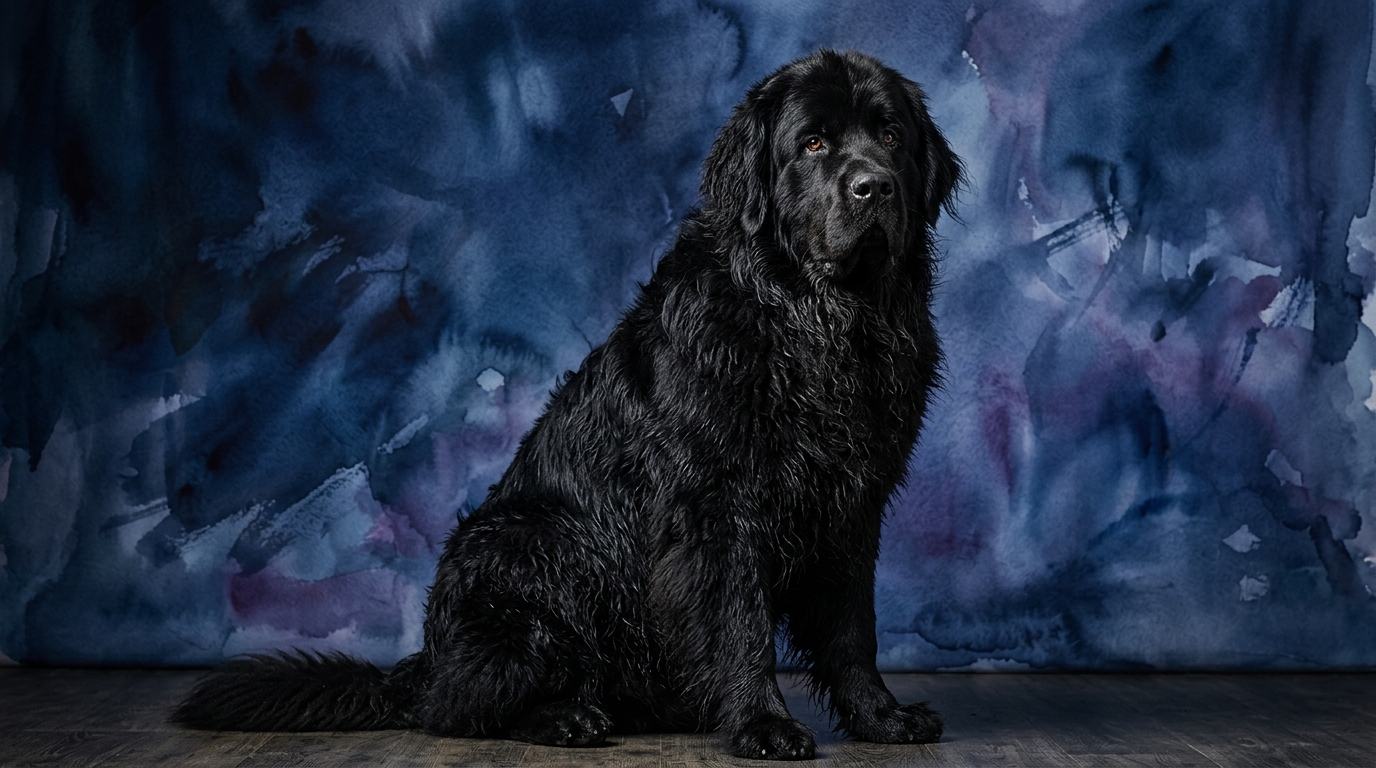
The Newfoundland, a gentle giant from the Working Group and ranked #34 by Coren, presents a cognitive profile marked by exceptional social engagement and a powerful drive to serve. With a Social Intelligence rating of 5/5, they possess an unparalleled capacity for empathy, often anticipating human emotions and needs with remarkable intuition. Their Instinctive Drive, also 5/5, is channeled into aid and protection, reflecting their historical role in water rescue and translating into a profound sense of responsibility towards their family.
Complementing their social prowess, Newfoundlands exhibit a Training Speed of 4/5, making them relatively quick learners eager to please. Their Memory, rated 4/5, ensures that lessons are retained effectively, allowing them to perform complex tasks consistently. While their Problem Solving stands at 3/5, it's a practical intelligence, applying learned solutions to new scenarios rather than purely inventive reasoning, making them reliable and steady in their approach.
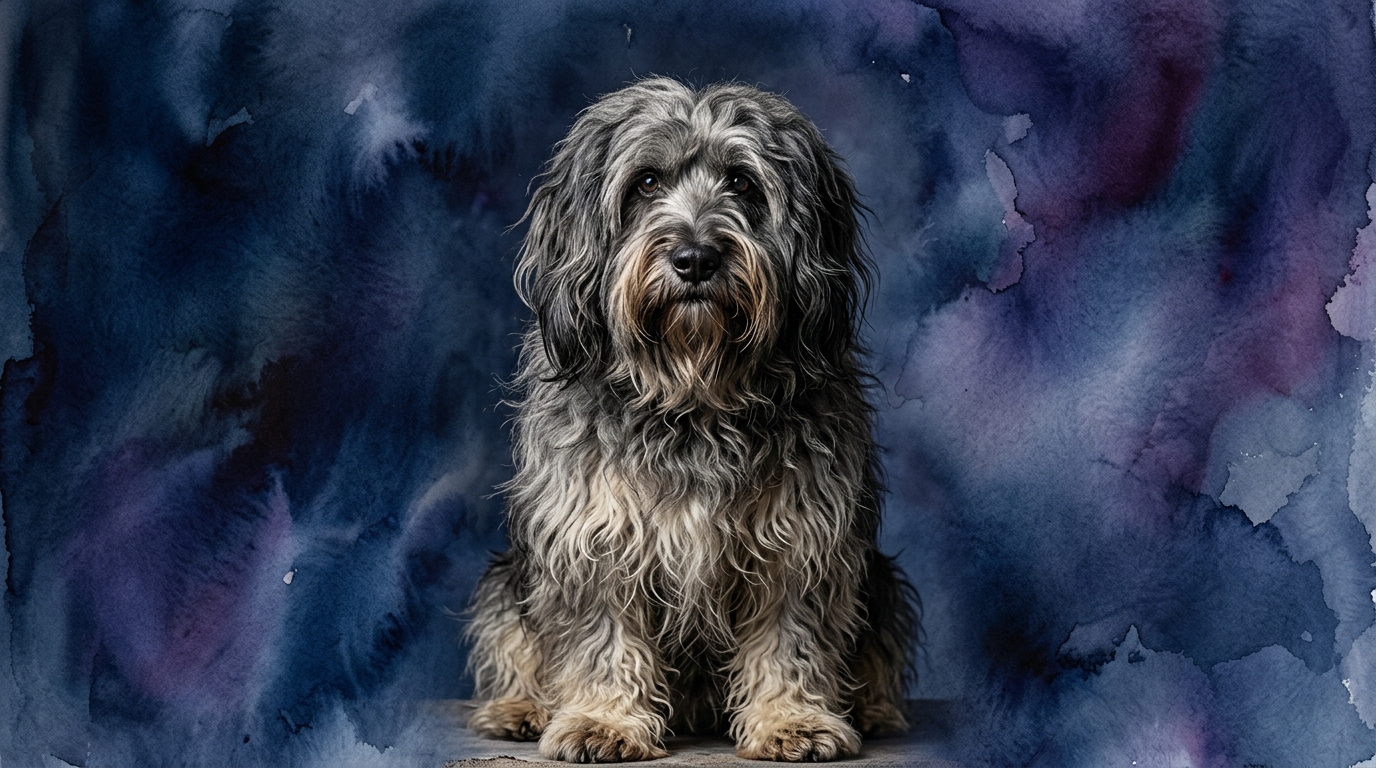
In contrast, the Polish Lowland Sheepdog (PON), a robust Herding breed not Coren-ranked, showcases a different kind of operational intellect. Their Problem Solving (3/5) and Instinctive Drive (3/5) are intrinsically linked to their herding heritage, manifesting as a keen ability to assess dynamic situations and make independent decisions regarding livestock or their 'flock' (family members). This self-reliance is a hallmark of their cognitive style, enabling them to strategize and adapt on the fly.
The PON’s Training Speed (3/5), Social Intelligence (3/5), and Memory (3/5) are moderate, but highly functional for their purpose. Their social intelligence is geared more towards observing and managing group dynamics than overt emotional attunement, while their training speed can be influenced by their independent streak. They retain information well, especially when it pertains to routines or tasks that engage their innate drives, demonstrating a practical and tenacious memory.
Where the Newfoundland Excels Cognitively
The Newfoundland clearly holds a cognitive advantage in areas demanding profound emotional understanding and collaborative spirit. Their 5/5 Social Intelligence is not merely about friendliness; it's a sophisticated ability to read subtle human cues, offer comfort without prompting, and form deep, intuitive bonds. This manifests as a dog that is exceptionally attuned to the emotional climate of its home, often acting as a calming and supportive presence.
Furthermore, the Newfoundland's 5/5 Instinctive Drive shines in its dedication to service and protection. Unlike the more controlling drive of some herding breeds, the Newfoundland’s impulse is to aid and be useful, making them incredibly reliable and gentle guardians. This intrinsic motivation to cooperate and contribute significantly streamlines their Training Speed (4/5), as they are naturally inclined to follow guidance and respond to positive reinforcement, retaining lessons effectively due to their strong 4/5 Memory. They are less likely to question commands and more eager to perform them consistently.
Where the Polish Lowland Sheepdog Shows Unique Strengths
While the Polish Lowland Sheepdog’s scores might appear lower, their cognitive strengths lie in their unique application of intelligence for specific tasks, particularly those requiring independent judgment. Their Problem Solving (3/5), combined with their Instinctive Drive (3/5) for herding, allows them to excel at assessing complex, dynamic environments and making autonomous decisions. This is an operational intelligence, crucial for managing livestock without constant human direction, where they can adapt strategies quickly.
The PON's Social Intelligence (3/5) is less about overt empathy and more about a watchful, supervisory role within their family unit, reflecting their herding instincts. They are observant and can maintain order, providing a different kind of companionship based on structure and vigilance. Their moderate Training Speed (3/5) and Memory (3/5), while requiring more patience, enable them to master intricate routines and respond to subtle cues, especially when tasks align with their innate desire to organize and control their environment.
Ease of Training: Newfoundland vs. Polish Lowland Sheepdog
When it comes to ease of training, the Newfoundland generally presents a smoother path for owners. Their 4/5 Training Speed, coupled with their exceptional 5/5 Social Intelligence and 4/5 Memory, makes them highly receptive students. Newfoundlands possess an inherent desire to please their humans and are deeply attuned to social cues, making them eager collaborators in the learning process. They respond exceptionally well to positive reinforcement, quickly grasping expectations and retaining lessons due to their strong associative memory. Their calm and patient demeanor also means they are less prone to distractions or stubbornness during training sessions, preferring to work cooperatively.
In contrast, the Polish Lowland Sheepdog, with a Training Speed of 3/5, a Social Intelligence of 3/5, and a Memory of 3/5, requires a more nuanced approach. Their herding heritage imbues them with a strong independent streak and a tendency to think for themselves, which can manifest as a more opinionated approach to training. A PON might initially question commands, attempting to find its own solution or trying to 'herd' the trainer into a desired action, rather than simply complying. Training a PON demands significant patience, creativity, and consistency to channel their natural self-direction, requiring owners to convince them that following a command is a worthwhile endeavor.
Matching Breeds to Lifestyles: Active vs. Relaxed Owners
For **active owners** seeking a partner for structured mental engagement and moderate physical activity, the Polish Lowland Sheepdog can be an excellent fit. While not requiring endless physical exertion, the PON thrives on having a 'job' that engages its independent problem-solving skills and moderate instinctive drive. They excel in activities like agility, obedience, or herding trials, or even complex puzzle toys that allow them to make decisions. An owner who enjoys consistent, stimulating training and wants a clever partner for dog sports will find the PON's unique cognitive makeup highly rewarding.
For **relaxed owners** or those prioritizing a calm, comforting presence, the Newfoundland is often the more suitable choice. Despite their imposing size, Newfoundlands are typically sedate indoors, content to be near their family. Their high social intelligence means they thrive on companionship and gentle interaction rather than constant rigorous activity. While they enjoy walks and swimming, they don't possess the same inherent need for a 'job' as a herding dog. A relaxed owner who appreciates a dog's deep affection, gentle presence, and is prepared for the significant grooming a large, double-coated breed requires will find the Newfoundland's placid nature and unwavering loyalty a perfect match.
The Verdict
Choose the Newfoundland if you seek a deeply empathetic, highly trainable companion eager to please, offering unwavering loyalty and a calm, comforting presence in your home. They excel with owners who value profound social bonds and appreciate a gentle giant's protective instincts.
Opt for the Polish Lowland Sheepdog if you're an owner who values an independent, clever companion thriving on mental challenges and a structured 'job,' appreciating their unique problem-solving capabilities and watchful, albeit more reserved, nature.
🧠 Find Your Pet's IQ Score
Our Pet IQ Lab assessment covers 25+ tests across 5 cognitive dimensions — personalized to your breed.
Take the Full IQ Test →Frequently Asked Questions
Are Newfoundlands good with children?
Yes, Newfoundlands are renowned for their gentle and patient demeanor with children. Their high social intelligence and protective instincts make them excellent family dogs, often acting as watchful, calm companions for younger family members.
Do Polish Lowland Sheepdogs bark a lot?
Polish Lowland Sheepdogs can be vocal, often using barks to alert their owners or express their opinions. As herding dogs, they are naturally watchful, and their barks are often part of their instinct to manage their 'flock' and territory.
Which breed requires more grooming?
Both breeds require significant grooming due to their dense double coats. Newfoundlands, with their thicker, longer fur, typically require more extensive and frequent brushing to prevent matting, especially around their ears and legs, compared to the Polish Lowland Sheepdog.