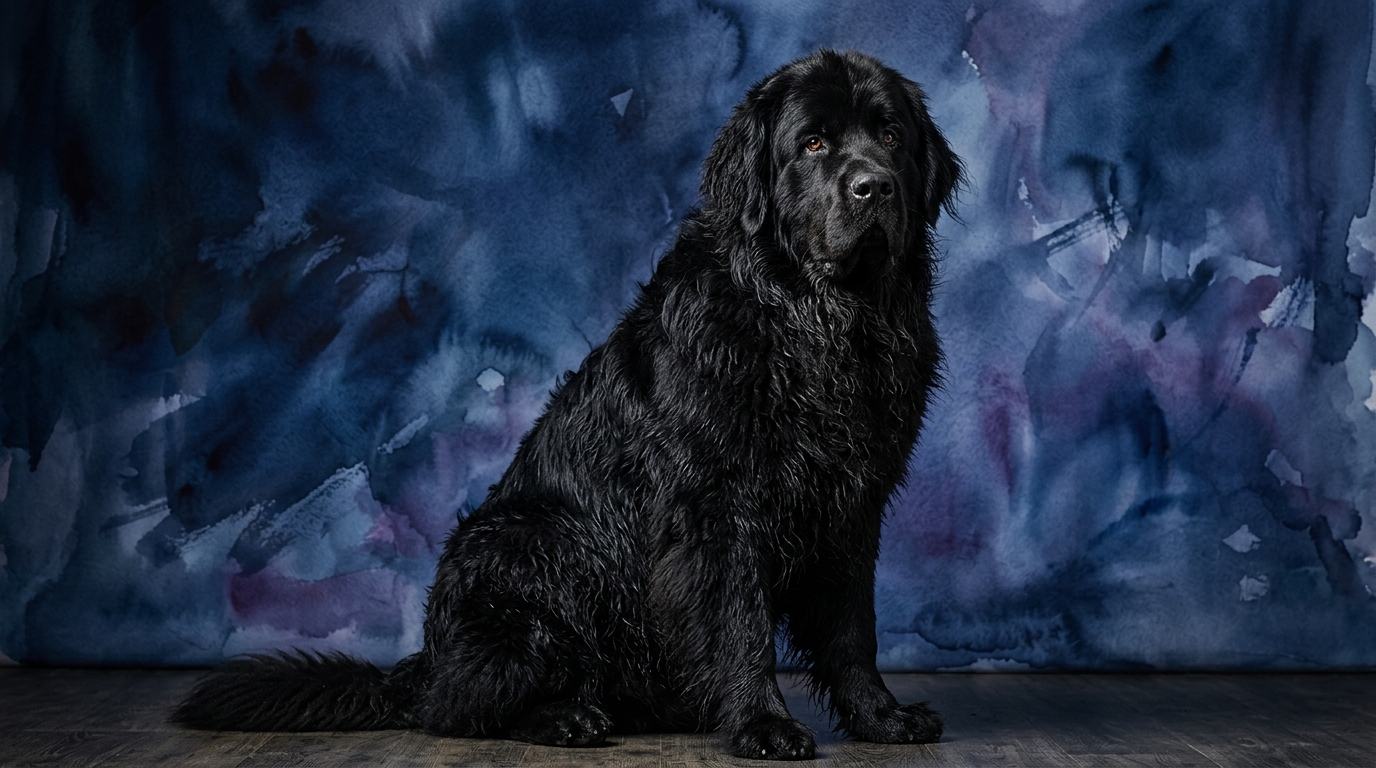
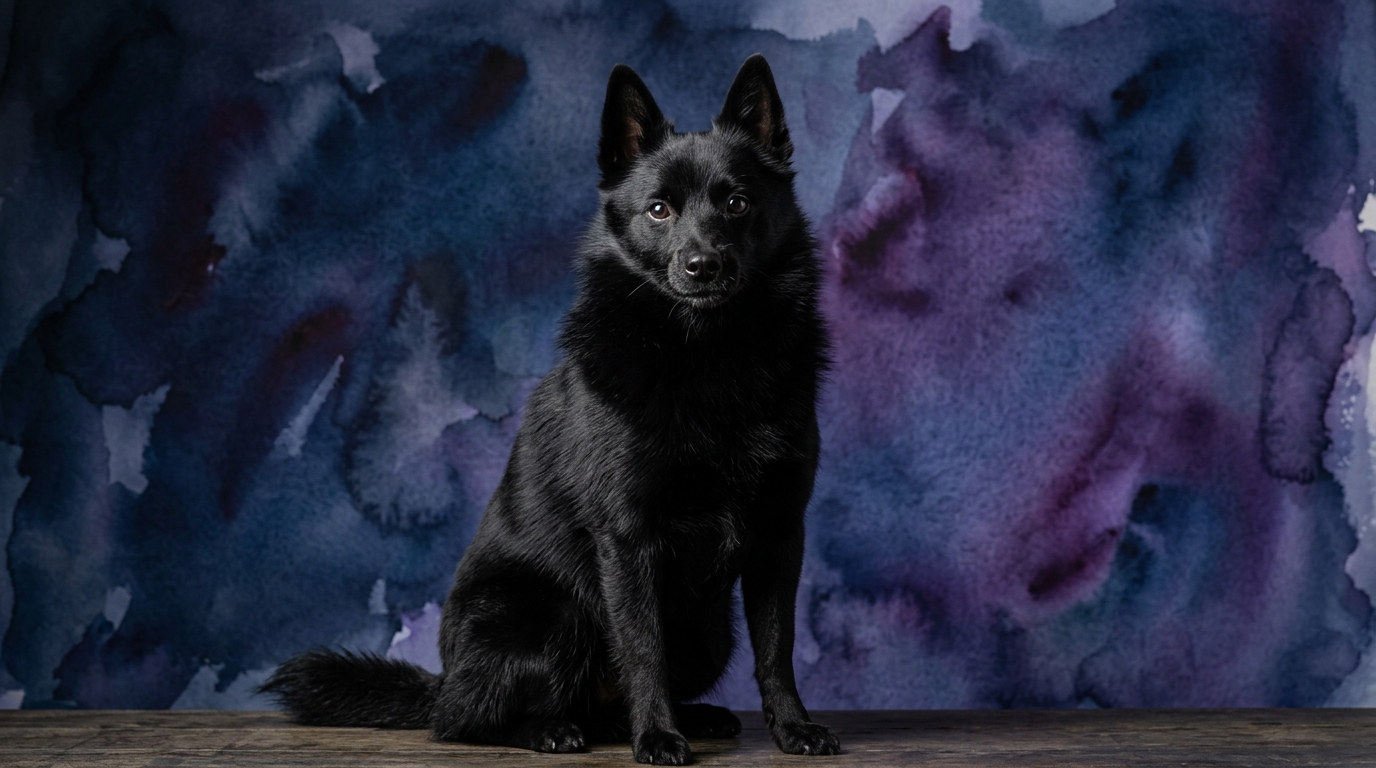
Side-by-Side Cognitive Profiles
The Newfoundland, with a Coren rank of #34, demonstrates a thoughtful, cooperative intelligence. Their problem-solving score of 3/5 suggests they often prefer established routines or human guidance over independent innovation, thriving in structured environments. Training speed at 4/5 indicates a solid capacity for learning new commands, though perhaps not with lightning quickness. Where they truly shine is social intelligence, scoring a perfect 5/5; they possess an exceptional ability to read human emotions, respond to subtle cues, and integrate seamlessly into family dynamics. An instinctive drive of 5/5 highlights their profound natural inclination for companionship and their historical role in water rescue, while a memory score of 4/5 ensures they retain learned behaviors and social bonds effectively.
In stark contrast, the Schipperke, ranking #15 on the Coren scale, presents a nimble, sharp intellect. Their problem-solving ability is exceptional at 5/5, indicating a breed that actively seeks solutions, often with a clever, independent streak. This is complemented by a 5/5 training speed, meaning they absorb new information and commands with remarkable alacrity. However, their social intelligence stands at 3/5, suggesting they might be less attuned to nuanced human emotional states compared to the Newfoundland, often preferring a more independent role. An instinctive drive of 3/5 points to a moderate natural inclination, perhaps focused on their historical role as watchdogs and companions rather than intense working tasks. Their memory, a robust 5/5, ensures they recall complex sequences and experiences with precision.
Where the Newfoundland's Mind Shines
The Newfoundland's cognitive strengths are profoundly rooted in its capacity for connection and gentle guardianship. Their perfect 5/5 social intelligence means they are acutely perceptive to human moods and intentions, often anticipating needs or offering comfort without explicit commands. This isn't merely obedience; it's a deep, empathetic understanding that allows them to form incredibly strong bonds, making them superb therapy dogs or family companions who intuitively know when a gentle nudge or quiet presence is required. This social acumen is beautifully paired with a 5/5 instinctive drive, historically manifested in their life-saving water rescue abilities. Their drive isn't about relentless work but a profound impulse to protect, nurture, and be an integral part of their human "pack." This translates into a steadfast loyalty and a desire to be near their people, acting as a gentle, watchful presence. While their problem-solving isn't their highest trait, their solid 4/5 training speed and 4/5 memory mean they are perfectly capable of learning complex tasks and retaining them, especially when those tasks align with their innate desire to cooperate and serve their human family. Their intelligence is less about independent cunning and more about collaborative wisdom, making them exceptionally reliable partners in a home environment.
Schipperke's Cognitive Edge
The Schipperke's mental prowess lies in its sharp, agile intellect, particularly evident in its 5/5 problem-solving ability. These dogs aren't content with simple routines; they actively engage with their environment, figuring out how doors open, how to retrieve a toy from a tight spot, or how to manipulate situations to their advantage. This intrinsic cleverness makes them highly entertaining but also requires an owner who appreciates and can channel their mental energy. Coupled with a perfect 5/5 training speed, Schipperkes are exceptionally fast learners, often grasping new commands or tricks after just a few repetitions. Their outstanding 5/5 memory further solidifies this; once a Schipperke learns something, whether a command or a household rule (or loophole!), they remember it. This combination makes them highly adaptable and capable of mastering a vast repertoire of behaviors. While their social intelligence is a moderate 3/5, suggesting a more independent nature, this doesn't diminish their capacity for learning or their bond with their owners. Instead, it means their engagement often comes from a place of intellectual challenge and personal reward rather than a strong desire to please, making consistent, engaging training crucial.
Training Dynamics: Effort and Engagement
Comparing the training experiences with these two breeds reveals distinct approaches shaped by their core cognitive profiles. The Schipperke, with its 5/5 training speed and 5/5 problem-solving, is a rapid learner. They pick up new commands and concepts with remarkable quickness, often surprising owners with their ability to generalize lessons. However, their moderate 3/5 social intelligence and independent streak mean that while they can learn quickly, they might not always choose to comply if they perceive a better alternative or a lack of personal motivation. Training a Schipperke often requires engaging games, varied rewards, and a consistent, confident handler who can keep their sharp mind stimulated and prevent boredom-induced mischief. They excel when challenged and given opportunities to "figure things out" rather than simply repeating rote commands.
The Newfoundland, conversely, with its 4/5 training speed, might take a few more repetitions to solidify a new command compared to the Schipperke. However, their perfect 5/5 social intelligence makes them incredibly eager to please and cooperative. They thrive on positive reinforcement and genuine connection with their handler, often viewing training as a collaborative effort rather than a puzzle to be solved independently. Their strong instinctive drive (5/5) for companionship means they are highly motivated by praise and the opportunity to work alongside their human. While they may not demonstrate the Schipperke's independent problem-solving flair, their immense desire to cooperate and their gentle disposition make them highly trainable and reliable, especially in tasks that involve interaction and caretaking. They respond beautifully to kindness and consistency, valuing harmony over intellectual one-upmanship.
Tailoring to Lifestyles: Active vs. Relaxed Owners
The distinct cognitive profiles of the Newfoundland and Schipperke naturally align with different owner lifestyles. For individuals or families who lead a more relaxed, gentle pace of life, the Newfoundland often proves to be an ideal companion. Their profound social intelligence and strong instinctive drive for companionship mean they thrive on being an integrated part of family activities, whether it's quiet evenings at home or leisurely strolls. While they are large and require regular exercise, their mental energy is less about constant intellectual challenges and more about deep, empathetic connection. They are content to observe, offer comfort, and participate in a calm, steady manner. Their intelligence is best utilized in roles that involve nurturing and gentle oversight, making them a comforting presence for children or elderly family members.
Conversely, the Schipperke is an excellent match for active owners who relish mental engagement and consistent interaction. Their superior problem-solving and training speed mean they require regular mental stimulation to prevent boredom, which can manifest as inventive mischief. Owners who enjoy dog sports like agility, rally obedience, or even complex trick training will find the Schipperke an enthusiastic and capable partner. Their moderate instinctive drive means they aren't constantly seeking a strenuous "job," but their quick minds demand activities that challenge them to think and learn. An active owner for a Schipperke isn't just about physical exercise; it's about providing a varied and stimulating environment where their quick wit and independent spirit can flourish, ensuring their cognitive prowess is always engaged in constructive ways.
The Verdict
Opt for a Newfoundland if your household values profound companionship, empathetic connection, and a gentle, cooperative presence, thriving in a family-centric, less intensely active environment.
Select a Schipperke if you are an active owner who delights in a sharp, quick-witted companion, ready to engage in mental challenges and varied activities, and appreciates an independent spirit.
🧠 Find Your Pet's IQ Score
Our Pet IQ Lab assessment covers 25+ tests across 5 cognitive dimensions — personalized to your breed.
Take the Full IQ Test →Frequently Asked Questions
Are Schipperkes harder to train than Newfoundlands?
Schipperkes learn commands very quickly due to their high training speed, but their independent nature and moderate social intelligence mean they might require more engaging, varied methods to maintain compliance. Newfoundlands, while perhaps learning slightly slower, are immensely eager to please and cooperative, often making them feel easier to train for those who prioritize harmony.
Do Newfoundlands need a lot of mental stimulation?
Newfoundlands primarily thrive on social and emotional stimulation, valuing companionship and gentle interaction above complex problem-solving tasks. Their strong instinctive drive for connection means their mental well-being is often tied to their role within the family, though they still benefit from consistent, positive reinforcement training.
Which breed is better with children?
The Newfoundland's exceptional social intelligence and strong instinctive drive for nurturing make them renowned as "nanny dogs," typically gentle and patient with children. While the Schipperke can be good with respectful children, their more independent nature and smaller size mean they might be less tolerant of boisterous play and require closer supervision in a multi-child household.