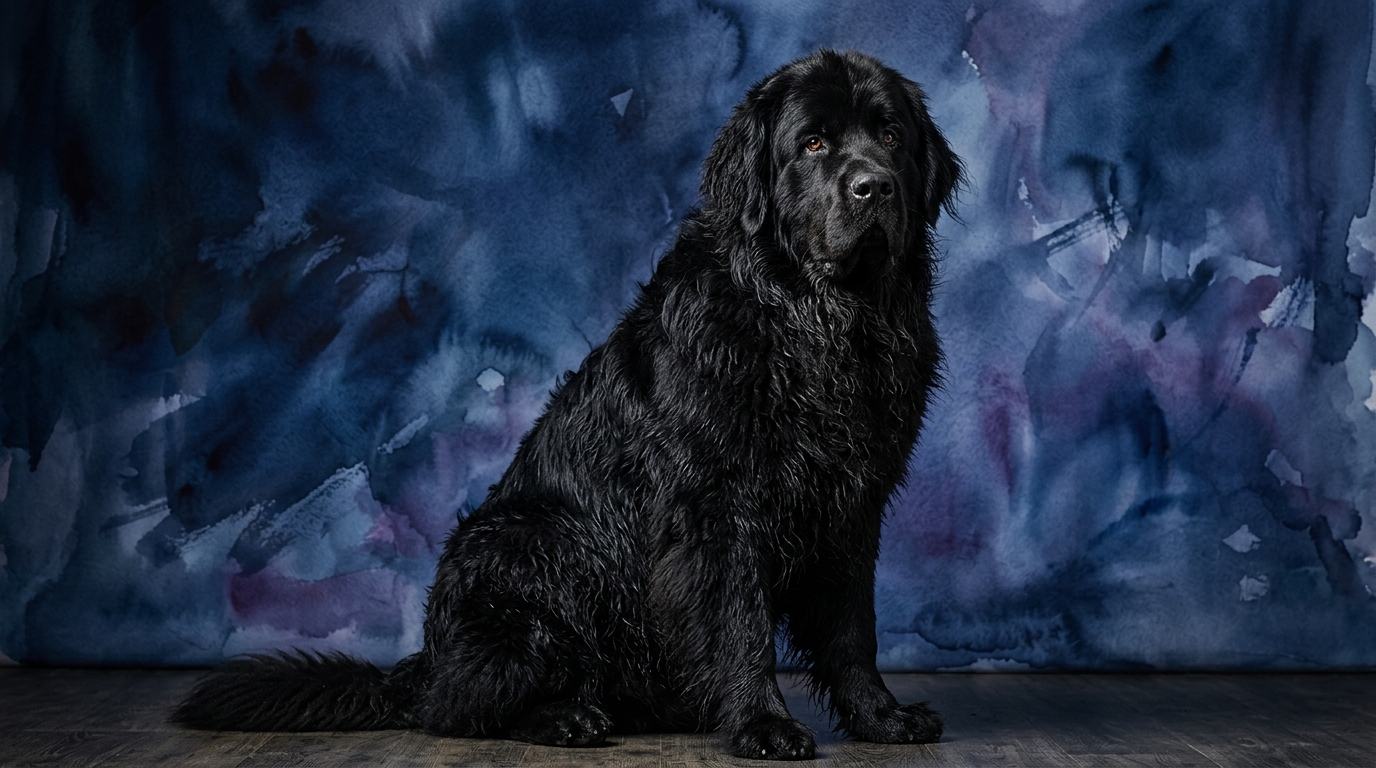
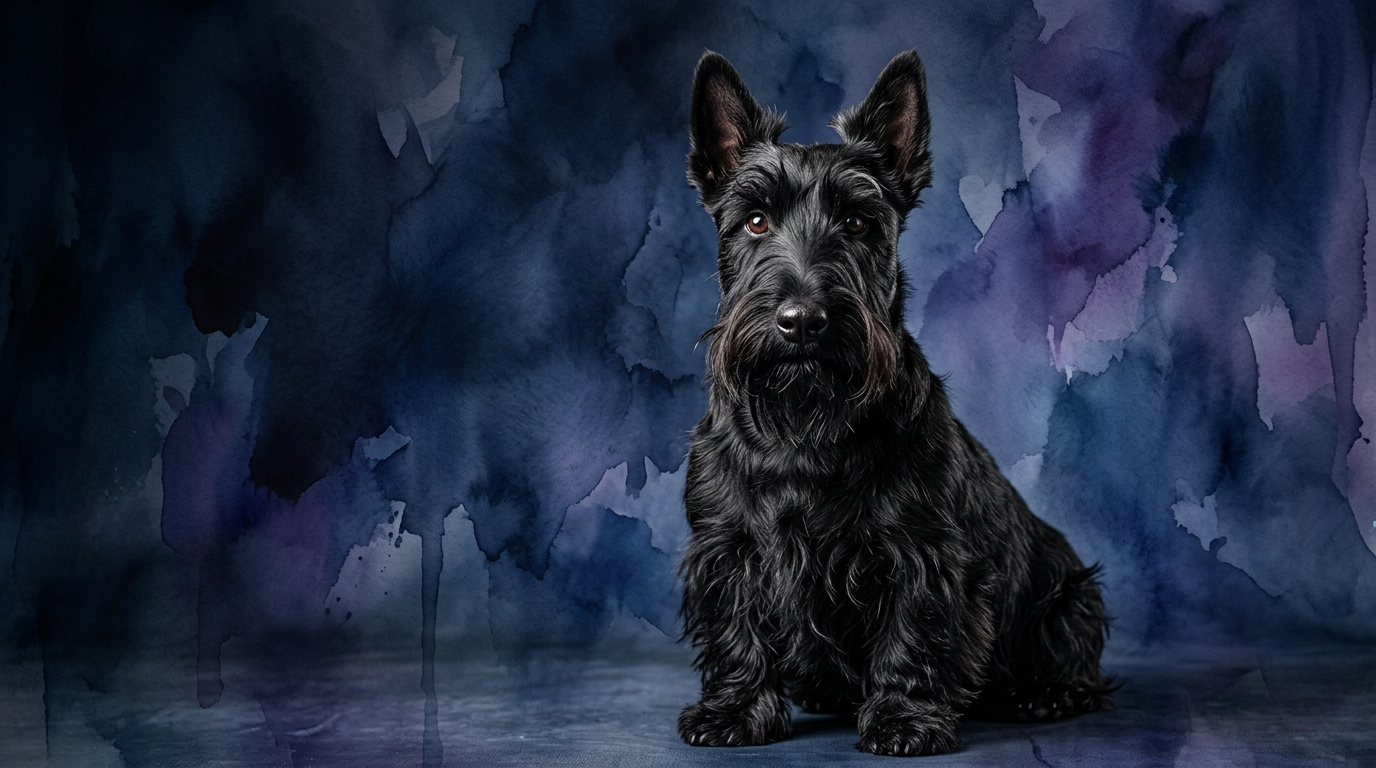
Side-by-Side Cognitive Profiles: Newfoundland vs. Scottish Terrier
The Cosmic Pet Pet IQ Lab employs a multi-faceted approach to assess canine cognition, moving beyond simple obedience to understand a breed's full intellectual scope. The Newfoundland, a Working group dog with a Coren rank of #34, presents a cognitive profile characterized by deep social aptitude and strong instinctive drives. Their Problem Solving is rated 3/5, indicating an ability to adapt to complex situations, particularly those involving their natural environment or human interaction, but perhaps less inclination for abstract puzzle-solving. Training Speed scores 4/5, reflecting their willingness to learn and respond to guidance, often driven by a desire to please. Social Intelligence is exceptional at 5/5, showcasing a profound ability to understand and respond to human emotions and social cues, fostering strong bonds. Instinctive Drive is also 5/5, rooted in their historical role as water rescue and guardian dogs, exhibiting strong protective and nurturing behaviors. Memory, at 4/5, suggests a robust capacity to recall commands, routines, and experiences over time.
In contrast, the Scottish Terrier, a Terrier group dog with a Coren rank of #65, displays a different set of cognitive strengths, shaped by its history as a tenacious vermin hunter. Their Problem Solving is rated 3/5, demonstrating resourcefulness and determination in overcoming obstacles, especially when pursuing a goal, but often with an independent approach. Training Speed scores 3/5, which indicates they are capable learners but may require more patience and creative methods due to their self-willed nature. Social Intelligence is 3/5, suggesting they form strong bonds with their chosen few but can be more reserved or discerning in broader social settings. Instinctive Drive is 3/5, primarily manifesting as a strong prey drive, digging instincts, and a courageous, independent spirit. Memory, also 3/5, implies they retain information relevant to their interests and routines, though perhaps not with the same breadth or immediate recall as a Newfie.
Where the Newfoundland Excels Cognitively
The Newfoundland's cognitive strengths lie predominantly in its extraordinary social intelligence and powerful instinctive drives, which together forge a highly empathetic and capable companion. Their 5/5 Social Intelligence means they are remarkably attuned to human emotions and intentions, often anticipating needs or reacting with comforting presence without explicit commands. This makes them exceptional emotional support animals and intuitive family members who can seamlessly integrate into household dynamics. Their 5/5 Instinctive Drive isn't just about water rescue; it encompasses a deep-seated desire to protect and nurture, making them gentle guardians who instinctively understand when a situation requires their calm, reassuring presence or watchful vigilance. This combination allows them to excel in roles requiring cooperation, empathy, and a strong partnership with humans, such as therapy work or search and rescue where reading human distress signals is paramount. Their higher Training Speed (4/5) further enhances this, as their natural inclination to connect and cooperate makes them highly receptive to learning complex tasks when working alongside their human companions.
Where the Scottish Terrier Shines Cognitively
The Scottish Terrier's cognitive prowess is rooted in its independent problem-solving and tenacity, traits honed over centuries of solitary hunting. While their Problem Solving is rated 3/5, it manifests as a determined and resourceful approach to overcoming challenges, particularly those that engage their natural instincts. A Scottie might not be solving complex abstract puzzles, but they will ingeniously figure out how to get to that elusive squirrel or navigate a tricky obstacle course if motivated. Their lower Social Intelligence (3/5) is not a deficit but rather a reflection of their self-reliant nature; they are less driven by a need to please and more by their own internal motivations, making them discerning companions who choose their close bonds carefully. This independence, coupled with their instinctive drive (3/5) for hunting and exploring, means they excel in situations requiring self-sufficiency and a bold, unwavering spirit. They are masters of their immediate environment, capable of making quick decisions and executing plans without constant human direction, a valuable trait for a dog expected to work alone in challenging conditions.
Training Dynamics: Which Breed is Easier and Why?
When considering ease of training, the Newfoundland generally presents a more amenable experience for the average owner due to its higher scores in Social Intelligence and Training Speed. Their profound desire to please and connect with their human companions, stemming from their 5/5 Social Intelligence, makes them highly receptive to positive reinforcement and eager to cooperate. A Newfie is likely to respond quickly to commands and cues, viewing training as a collaborative activity that strengthens their bond with their owner. Their 4/5 Training Speed means they absorb and retain lessons efficiently, making the process feel rewarding and progressive. For example, teaching a Newfoundland to retrieve or stay typically involves fewer repetitions because they are naturally inclined to engage and follow direction, often seeking to understand what is expected of them.
Conversely, the Scottish Terrier’s training journey often requires a different approach, reflecting their more independent cognitive profile. With a 3/5 in both Training Speed and Social Intelligence, a Scottie may not be as inherently motivated by pleasing their owner. Their strong-willed nature and historic role in solitary hunting mean they are more inclined to make their own decisions. Training a Scottish Terrier often demands greater patience, consistency, and highly engaging methods to capture their attention and respect. They might learn just as well, but they will decide if and when they want to perform, often testing boundaries. For instance, while a Newfie might instantly drop a toy when asked, a Scottie might first consider if there's a better alternative or if the reward is truly worth it, demonstrating their selective engagement and self-directed problem-solving.
Matching Breeds to Lifestyles: Active vs. Relaxed Owners
The Newfoundland, despite its substantial size, often suits a more relaxed owner who values companionship and gentle, consistent interaction over high-octane physical activity. While they do require regular exercise, including swimming if possible, their temperament leans towards calm family integration and quiet presence. Owners who appreciate a dog that is deeply attuned to their emotions and happy to be a 'velcro dog' will find a Newfie a perfect fit. They thrive in environments where they are part of the family's daily rhythm, offering a comforting presence and participating in moderate, enjoyable activities rather than intense, demanding sports. Their high social intelligence means they are often content with simply being near their people, making them excellent companions for owners who spend a lot of time at home or enjoy leisurely strolls.
The Scottish Terrier, on the other hand, is an ideal match for an owner who appreciates a spirited, independent companion and maintains a moderately active lifestyle focused on engagement rather than endurance. While not requiring marathon runs, a Scottie thrives on daily walks, interactive play sessions that challenge their intellect, and opportunities to explore their environment. Their instinctive drive means they enjoy 'work,' even if that's just a vigorous game of fetch or a brisk walk where they can sniff and investigate. Owners who are prepared for a dog with a strong personality, a mischievous streak, and a need for consistent mental stimulation will find the Scottie rewarding. They are excellent for those who enjoy short bursts of activity and appreciate a dog that maintains a degree of self-sufficiency, often content to observe their surroundings with a keen eye rather than constantly seeking interaction.
The Verdict: When to Choose Each Breed
The Verdict
Choose a Newfoundland if you seek a deeply empathetic, highly trainable companion eager to integrate fully into family life, offering gentle protection and unwavering emotional support.
Opt for a Scottish Terrier if you appreciate an independent, tenacious, and spirited companion with a distinct personality, thriving with owners who respect their self-willed nature and provide consistent, engaging mental stimulation.
🧠 Find Your Pet's IQ Score
Our Pet IQ Lab assessment covers 25+ tests across 5 cognitive dimensions — personalized to your breed.
Take the Full IQ Test →Frequently Asked Questions
Are Newfoundlands good with children?
Yes, Newfoundlands are renowned for their gentle and patient nature with children, often acting as 'nanny dogs.' Their exceptional social intelligence and protective instincts make them wonderfully tolerant and nurturing companions for families, though supervision is always advised.
Do Scottish Terriers need a lot of grooming?
Scottish Terriers require regular grooming to maintain their distinctive wiry coat, including weekly brushing and periodic hand-stripping or professional clipping. This care helps prevent matting and keeps their skin healthy, reflecting their specific breed standards.
Which breed is better for apartment living?
While both breeds can adapt to apartment living with sufficient exercise, the Scottish Terrier is generally better suited due to its smaller size and lower need for expansive outdoor space. Newfoundlands, though calm indoors, require more room to move comfortably and need consistent outdoor access for their size and exercise requirements.