The Cosmic Pet Pet IQ Lab Profiles: Newfoundland vs. Siberian Husky
In The Cosmic Pet Pet IQ Lab, we delve beyond simple obedience, examining five core dimensions of canine intelligence: problem-solving, training speed, social intelligence, instinctive drive, and memory. This comprehensive approach allows us to appreciate the nuanced cognitive strengths each breed brings, rather than assigning a singular "smartness" score. Understanding these dimensions illuminates why certain breeds excel in specific tasks and bond with humans in distinct ways.
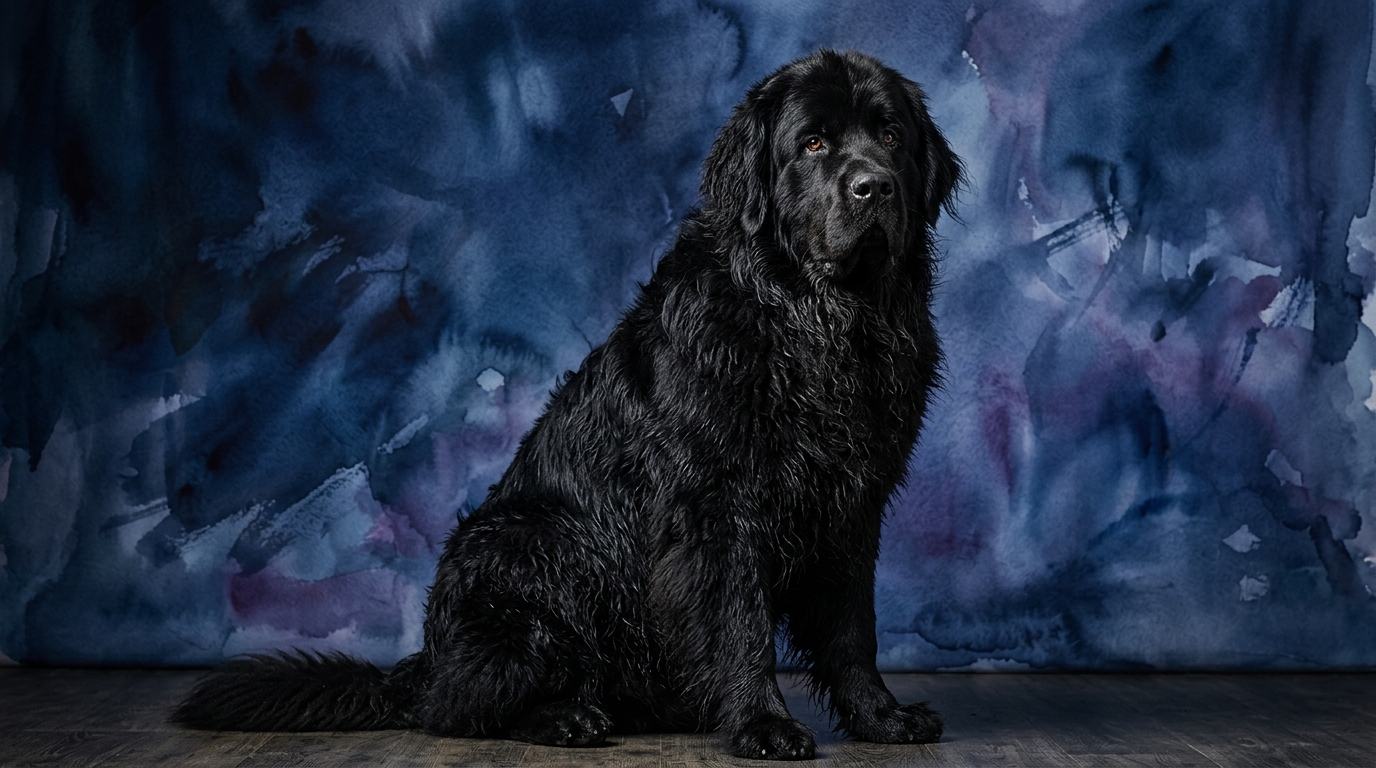
The Newfoundland, a majestic working dog, registers a Coren rank of #34, indicating a strong capacity for understanding and executing commands. Their IQ profile shows a problem-solving score of 3/5, suggesting they can navigate moderate challenges but often prefer cooperative solutions. Their training speed is notable at 4/5, reflecting an eagerness to learn and respond to guidance. Where the Newfoundland truly shines is in social intelligence, scoring a perfect 5/5, showcasing exceptional empathy and connection with humans. An instinctive drive of 5/5 underscores their innate desire for tasks like water rescue, while their memory stands at a solid 4/5, aiding in retaining learned behaviors and routines.
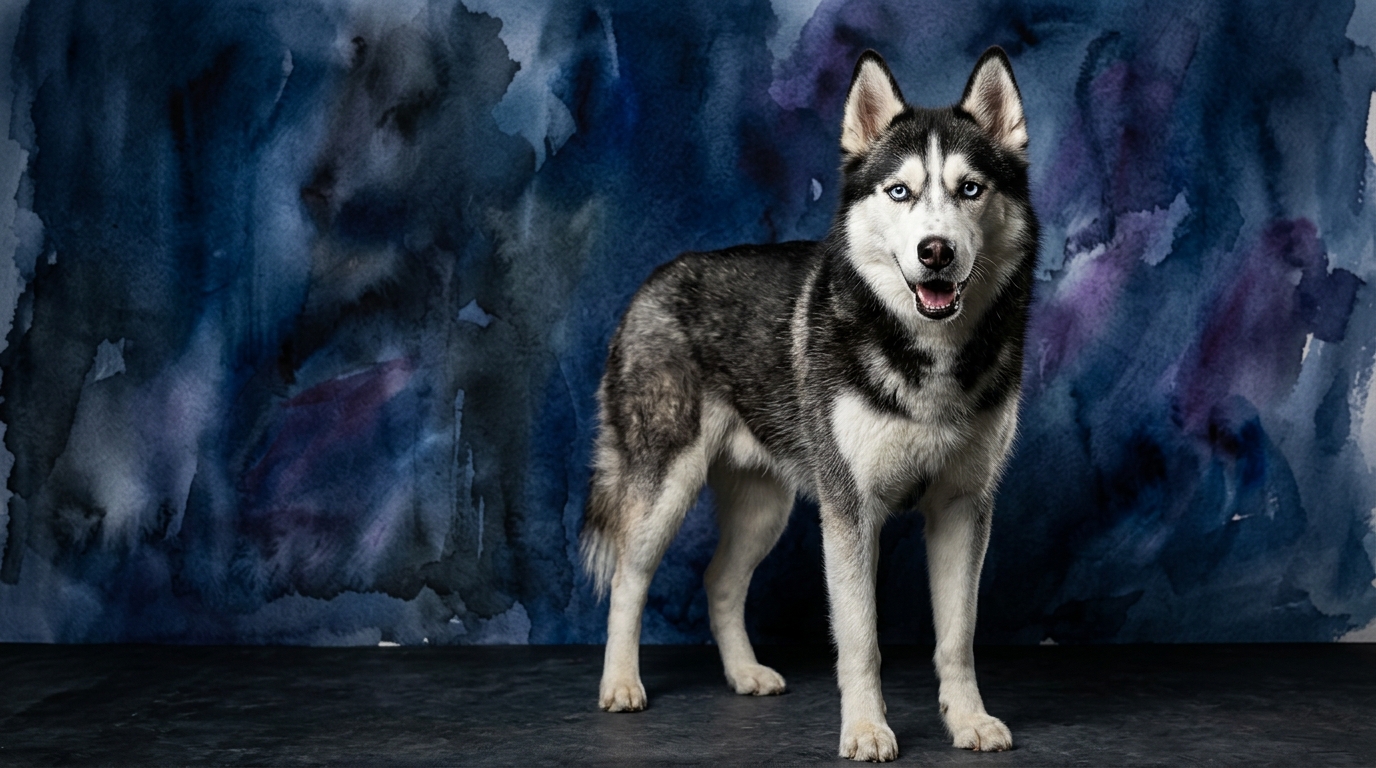
The Siberian Husky, a resilient and energetic working breed, holds a Coren rank of #45. Their problem-solving score is an impressive 4/5, demonstrating an ability to figure things out independently, often with inventive solutions. However, their training speed is lower at 2/5, indicating a more independent spirit that can sometimes translate to a less direct response to human instruction. Their social intelligence is 3/5, suggesting they are friendly but perhaps less attuned to subtle human emotional cues than some other breeds. A powerful instinctive drive of 5/5 fuels their need for sustained physical activity and exploration, while their memory, like the Newfoundland, is a strong 4/5, allowing them to remember routes and past experiences effectively.
Where the Newfoundland's Cognition Shines
The Newfoundland's cognitive architecture is particularly optimized for cooperative roles and deep emotional connections. Their exceptional social intelligence (5/5) means they possess a remarkable ability to read human emotions, intentions, and body language. This makes them incredibly intuitive companions, often anticipating needs or offering comfort without explicit prompts. This profound empathy is not merely a personality trait; it's a cognitive strength that allows them to integrate seamlessly into family dynamics and perform tasks requiring nuanced human interaction, such as therapy work or assisting individuals with specific needs.
Furthermore, their high training speed (4/5) is intrinsically linked to this social intelligence. Newfoundlands actively seek to understand and please their human partners, making them highly receptive to positive reinforcement and consistent guidance. While their problem-solving (3/5) might not be about escaping a yard, it is highly effective in cooperative contexts, such as figuring out how to retrieve a person from water or gently guide a child. Their instinctive drive (5/5) is channeled into purposeful, often life-saving, work alongside humans, demonstrating a cognitive preference for collaborative effort over independent enterprise.
The Siberian Husky's Unique Cognitive Strengths
The Siberian Husky's cognitive prowess lies in its capacity for independent thought and sustained, self-directed activity, a direct reflection of their heritage as sled dogs navigating vast, often solitary, landscapes. Their problem-solving ability (4/5) is a standout trait, enabling them to devise clever solutions to challenges, whether it's opening latches, outwitting barriers, or finding their way back over long distances. This isn't about pleasing a human; it's about navigating and surviving in their environment, a testament to their robust practical intelligence.
Their powerful instinctive drive (5/5) is geared towards endurance, running, and exploration, requiring significant mental focus to maintain pace and orientation over miles. While their social intelligence (3/5) is moderate, they form strong bonds, albeit often with a more independent flair, valuing companionship without necessarily craving constant validation. This cognitive independence means they excel in situations where they need to make decisions autonomously, relying on their memory (4/5) for routes and past experiences, rather than waiting for explicit human direction. Their intelligence is less about immediate compliance and more about resourceful self-reliance.
Training Dynamics: A Tale of Two Temperaments
The disparity in training speed between the Newfoundland (4/5) and the Siberian Husky (2/5) creates distinct training experiences. Newfoundlands are generally eager students, driven by their strong social intelligence and desire for positive interaction. They respond well to clear, consistent commands and positive reinforcement, quickly forming associations between actions and rewards. Their cooperative nature means they often aim to please, making the training process a collaborative and rewarding endeavor. A Newfoundland's memory (4/5) ensures that once a behavior is learned, it is likely to be retained, making them reliable in their learned responses.
In contrast, training a Siberian Husky demands patience, creativity, and an understanding of their independent spirit. Their lower training speed isn't a lack of cognitive ability, but rather a reflection of their often self-directed motivation. Huskies can become bored with repetitive drills and may question the necessity of a command if it doesn't align with their immediate interests. Trainers often need to incorporate games, variety, and tap into their problem-solving skills to keep them engaged. Their strong instinctive drive for running and exploring means that recall training, for instance, requires exceptional consistency and high-value rewards to compete with the allure of independent adventure. Their memory (4/5) means they remember what they've learned, but their willingness to apply it can be conditional on their mood or perceived benefit.
Lifestyle Compatibility: Active Explorers vs. Gentle Companions
Choosing between these breeds also means aligning with their distinct activity levels and social needs. The Newfoundland is an ideal fit for owners seeking a devoted, gentle companion who enjoys structured activities and close family interaction. While they require regular exercise to maintain health, their needs are often met with daily walks, opportunities for swimming, and engaging in cooperative tasks like carting. Their high social intelligence means they thrive on being an integral part of family life, often preferring to be near their humans and participating in shared experiences. They adapt well to a relaxed home environment, provided their need for companionship and moderate activity is met.
The Siberian Husky, on the other hand, is perfectly suited for active, experienced owners who can provide an outlet for their boundless energy and independent spirit. Their powerful instinctive drive and problem-solving abilities demand significant physical exercise – often running, hiking, or dog sports – and mental stimulation to prevent boredom and destructive behaviors. They are partners for adventure, flourishing in environments where they can explore and expend energy. While affectionate, their moderate social intelligence and independent nature mean they might not be as constantly 'underfoot' as a Newfoundland, valuing their personal space and self-directed activities. They are best for owners who appreciate a spirited companion with a strong will and a need for consistent, engaging activity.
The Verdict
Opt for a Newfoundland if your household values a deeply bonded, highly cooperative companion eager to engage in joint activities and gentle family life. Their natural empathy and desire to please simplify training and foster profound connections.
Select a Siberian Husky when seeking an independent, robust partner for adventurous, high-energy pursuits, where their clever problem-solving and boundless endurance can be fully embraced. Be prepared for a training journey that respects their spirited autonomy.
🧠 Find Your Pet's IQ Score
Our Pet IQ Lab assessment covers 25+ tests across 5 cognitive dimensions — personalized to your breed.
Take the Full IQ Test →Frequently Asked Questions
Do Newfoundlands learn tricks easily?
Yes, Newfoundlands generally pick up new commands and tricks with relative ease due to their high training speed (4/5) and strong desire to cooperate with their human companions. Their social intelligence (5/5) helps them interpret cues and intentions, making learning a positive, shared experience.
Are Siberian Huskies difficult to live with?
While Siberian Huskies present unique challenges due to their independence (social intelligence 3/5) and lower training speed (2/5), they are rewarding companions for owners who understand their needs. They require significant exercise and mental stimulation to prevent boredom-driven behaviors, but their cleverness and endurance are remarkable assets.
Which breed is better with children?
Newfoundlands, with their exceptional social intelligence (5/5) and gentle nature, are often considered more naturally suited for families with children, displaying patience and a protective instinct. Siberian Huskies can be good with children, but their higher energy and independence mean supervision and consistent training are crucial to ensure harmonious interactions.