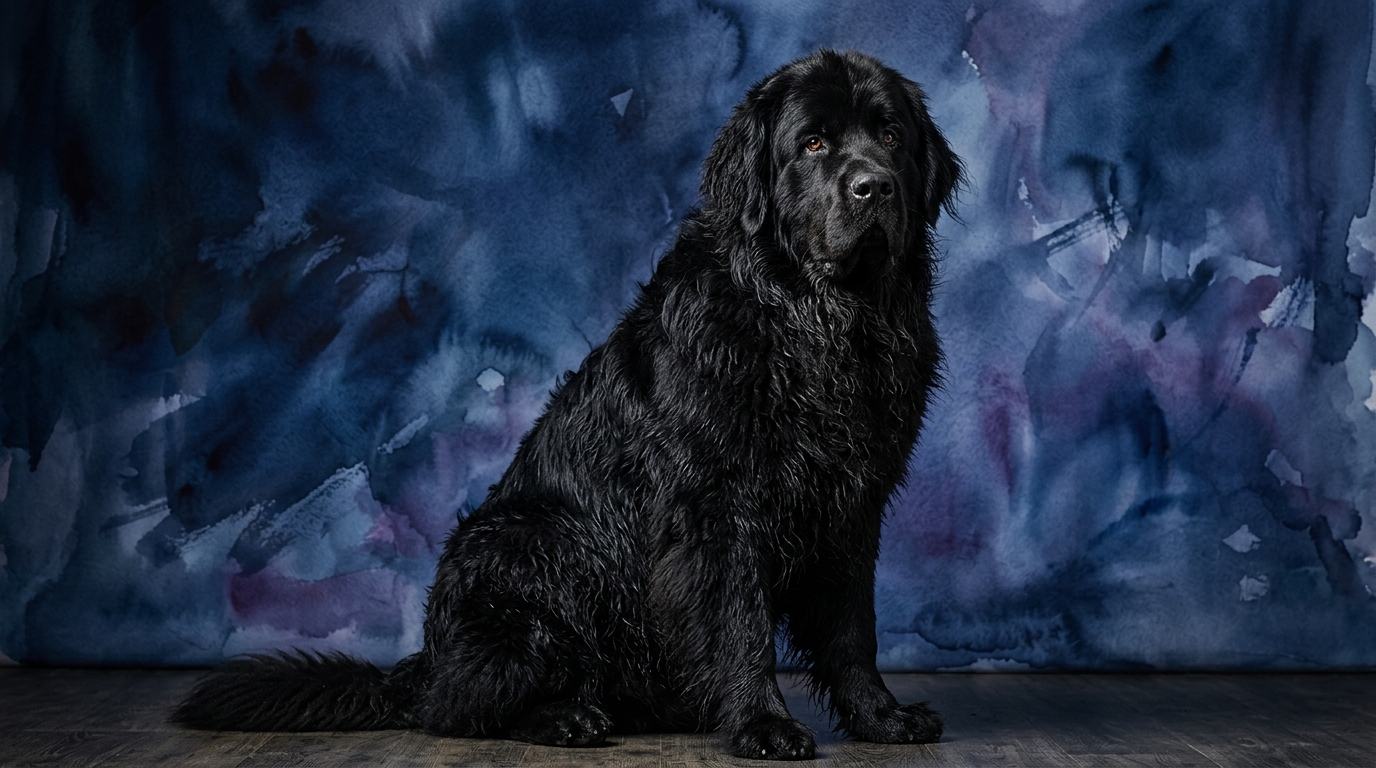
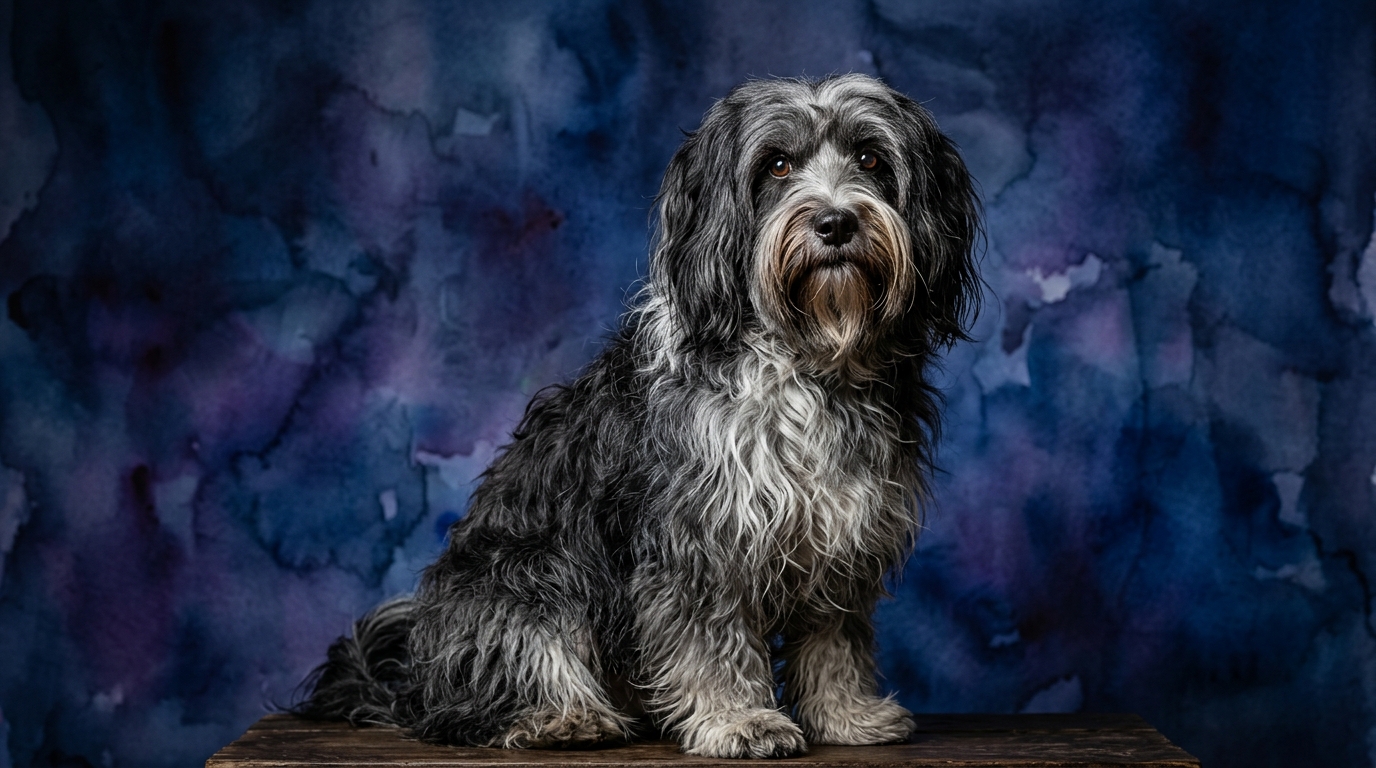
Side-by-Side Cognitive Profiles: Newfoundland vs. Tibetan Terrier
At The Cosmic Pet Pet IQ Lab, we dissect canine cognition across five crucial dimensions, offering a granular view of each breed's mental architecture. For the Newfoundland, a Working Group dog with a Coren rank of #34, their cognitive profile paints a picture of a compassionate and driven helper. Their Problem Solving is rated 3/5, indicating an ability to navigate practical challenges, particularly those related to their historical roles, though they might not be inclined towards abstract puzzles. Training Speed is a solid 4/5, reflecting their general eagerness to learn and cooperate with humans, especially when tasks are purposeful. Social Intelligence stands at an exceptional 5/5, highlighting their profound empathy and ability to understand and respond to human emotions and social cues. Instinctive Drive is also 5/5, a testament to their deep-seated urge for water rescue, guarding, and companionship. Finally, their Memory is 4/5, suggesting strong retention of learned behaviors and experiences.
In contrast, the Tibetan Terrier, a Non-Sporting Group dog with a Coren rank of #63, presents a profile of an independent yet loyal companion. Their Problem Solving is 3/5, demonstrating a capacity to figure out environmental challenges, often through self-directed exploration, though perhaps less focused on collaborative solutions. Training Speed is 3/5, indicating a moderate pace of learning that often requires consistent effort and engaging methods to maintain their interest. Social Intelligence is 3/5, showing strong bonds within their immediate family but often a reserved or discerning approach to strangers. Instinctive Drive is 3/5, rooted in their historical role as companion and guardian, with a focus on watchfulness and agility rather than broad utility. Their Memory is also 3/5, indicating a reliable recall for routines and familiar contexts, though perhaps not as comprehensive as breeds with higher scores in this area.
Where the Newfoundland Excels Cognitively
The Newfoundland's cognitive strengths truly shine in areas requiring profound connection and selfless action, particularly in their Social Intelligence and Instinctive Drive. Their 5/5 rating in both categories isn't merely a number; it represents an intrinsic capacity to understand and respond to the emotional states of humans and other animals with remarkable empathy. A Newfoundland will not just react to a distressed person; they often anticipate the need, a trait refined over centuries of working as water rescue dogs. This deep-seated motivation means they are not just performing a task but are genuinely invested in the well-being of those around them, making them unparalleled in roles requiring nurturing and protective instincts.
Furthermore, while both breeds share a 3/5 in Problem Solving, the Newfoundland's superior Training Speed (4/5) combined with their exceptional social aptitude gives them a distinct advantage in learning complex, multi-step tasks that benefit humans. Their earnest desire to cooperate and their ability to quickly grasp what is expected of them mean they can be taught intricate sequences for therapy work, service roles, or advanced obedience with relative ease. Their learning process is often fueled by a keenness to engage with their human companions, translating into faster acquisition of practical skills that require collaboration and understanding of human intent.
Where the Tibetan Terrier Shows Unique Cognitive Strengths
The Tibetan Terrier's cognitive prowess lies in its independent problem-solving and remarkable adaptability. With a 3/5 in Problem Solving, their approach is often characterized by self-reliance and ingenious methods to navigate their environment. Unlike breeds that might wait for human direction, a Tibetan Terrier is more likely to assess a situation and devise its own solution, whether it's figuring out how to open a cabinet or creatively maneuvering around an obstacle. This resourcefulness stems from a history where they needed to be capable and self-sufficient within their often isolated, high-altitude homes, making them adept at finding solutions even without direct human prompting.
Another area of distinct cognitive advantage for the Tibetan Terrier is their perceptual acuity and inherent alertness. Their historical role as a 'holy dog' and guardian in monasteries meant they needed to be acutely aware of their surroundings and quick to detect any changes. This translates into a heightened sensory processing ability and an acute understanding of their immediate environment. They notice subtle shifts, sounds, and movements that might escape other breeds, processing this information rapidly. This keen perception contributes to their watchfulness and their ability to act as effective, albeit sometimes vocal, alarms, providing a nuanced and vigilant awareness of their territory.
Trainability: The Cooperative Giant vs. The Independent Spirit
When it comes to trainability, the Newfoundland generally offers a more straightforward experience due to their higher Training Speed (4/5) and exceptional Social Intelligence (5/5). They possess an intrinsic desire to please their human companions, which makes them highly receptive to instruction and eager to participate in learning sessions. Their cooperative nature means they often seek to understand what is expected of them and find satisfaction in fulfilling those expectations. This profound bond and willingness to work alongside people significantly streamlines the training process, making them excellent candidates for various disciplines from basic obedience to advanced water rescue work.
The Tibetan Terrier, while certainly capable of learning, presents a moderate challenge in training with their 3/5 Training Speed. Their independent nature means they might require more consistent patience and a creative approach from their trainers. They are not inherently disobedient, but their compliance often stems from their own assessment of the value of the task or the reward, rather than an overwhelming desire to simply comply. Training a Tibetan Terrier often benefits from making sessions engaging and fun, incorporating play and positive reinforcement to appeal to their clever minds and overcome any occasional stubbornness, ensuring they view learning as a worthwhile endeavor.
Lifestyle Match: Active Engagement vs. Calm Companionship
For owners considering a Newfoundland, they will find a companion that suits a moderately active lifestyle, balanced with a need for calm, devoted indoor presence. These gentle giants require consistent, sustained exercise such as long walks, leisurely swims, or supervised outdoor play, rather than intense, high-impact bursts of energy. They thrive with owners who can provide ample companionship, integrate them fully into family activities, and appreciate a dog that is deeply affectionate and content to be near their people. Their needs lean towards social engagement and purposeful activity that aligns with their historical roles, rather than constant high-energy demands.
The Tibetan Terrier, on the other hand, is an ideal match for more active owners who appreciate a lively, agile companion for diverse activities. Despite their medium size, they possess a surprising amount of energy and mental curiosity, enjoying regular walks, hikes, and even dog sports like agility or trick training. Owners who delight in teaching new skills, exploring varied environments, and engaging in interactive play will find a willing and enthusiastic partner in a Tibetan Terrier. Their cognitive alertness and physical dexterity mean they benefit greatly from mental stimulation and varied physical challenges to keep them happy and well-adjusted.
The Verdict
Opt for a Newfoundland if you seek a deeply empathetic, highly cooperative companion for collaborative tasks and family integration, thriving on social connection and purposeful work, especially around water.
Select a Tibetan Terrier if you desire an independent, resourceful, and agile companion who enjoys varied activities and offers keen alertness, valuing their unique blend of loyalty and self-reliance.
🧠 Find Your Pet's IQ Score
Our Pet IQ Lab assessment covers 25+ tests across 5 cognitive dimensions — personalized to your breed.
Take the Full IQ Test →Frequently Asked Questions
Does a Newfoundland's size impact its cognitive abilities?
A Newfoundland's large size often correlates with their historical role as a working dog, requiring physical strength and stamina alongside cognitive traits like strong social intelligence and instinctive drive for rescue. Their physical presence supports their cognitive inclination towards protective and helpful behaviors, rather than directly limiting or enhancing their raw processing power.
Are Tibetan Terriers difficult to train because of their independence?
Tibetan Terriers are capable learners, but their independence means training requires consistency, patience, and positive reinforcement. They respond best to engaging methods that make them feel like active participants rather than just followers, which can be perceived as more challenging than training a highly compliant breed.
Which breed is better for a multi-pet household?
The Newfoundland, with its exceptional social intelligence and gentle nature, generally adapts more smoothly to multi-pet households, often exhibiting patience and a nurturing demeanor towards other animals. Tibetan Terriers can coexist with other pets, but their more discerning social intelligence means careful introductions and monitoring are essential to ensure harmonious relationships.