Side-by-Side: Decoding Newfoundland and Toy Poodle IQ Profiles
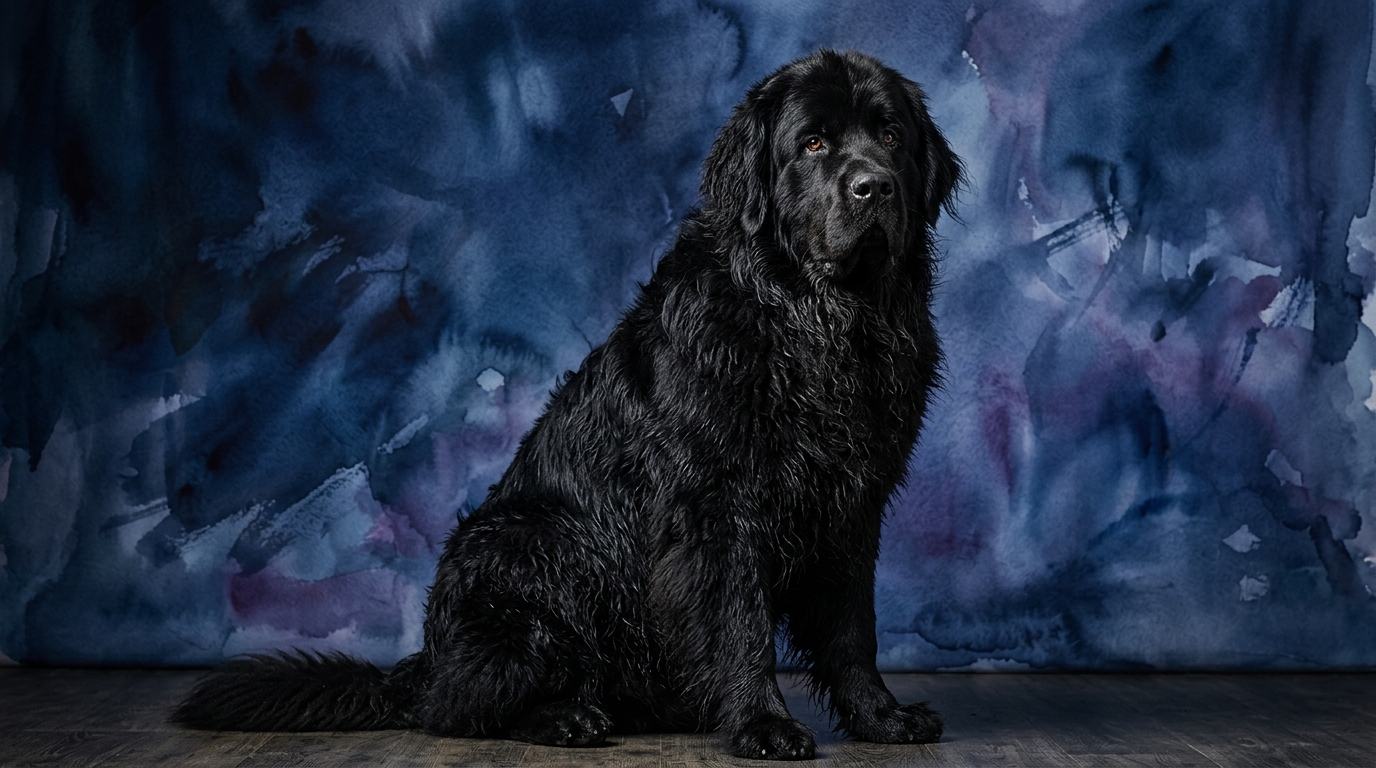
At The Cosmic Pet Pet IQ Lab, we analyze canine cognition across five distinct dimensions, offering a nuanced understanding beyond simple 'smart' labels. For the majestic Newfoundland, ranked #34 by Coren, its Problem Solving ability scores a 3 out of 5, indicating a moderate capacity for independently devising solutions to novel challenges. Its Training Speed, at 4 out of 5, suggests a good responsiveness to consistent instruction and a willingness to learn. Where the Newfoundland truly shines is in Social Intelligence, earning a perfect 5 out of 5, reflecting an exceptional understanding of human cues, emotional states, and complex social dynamics. Its Instinctive Drive also scores a top 5 out of 5, highlighting a powerful, innate predisposition for tasks like water rescue and guardianship. Finally, its Memory is strong at 4 out of 5, meaning it reliably retains learned behaviors and experiences over time.
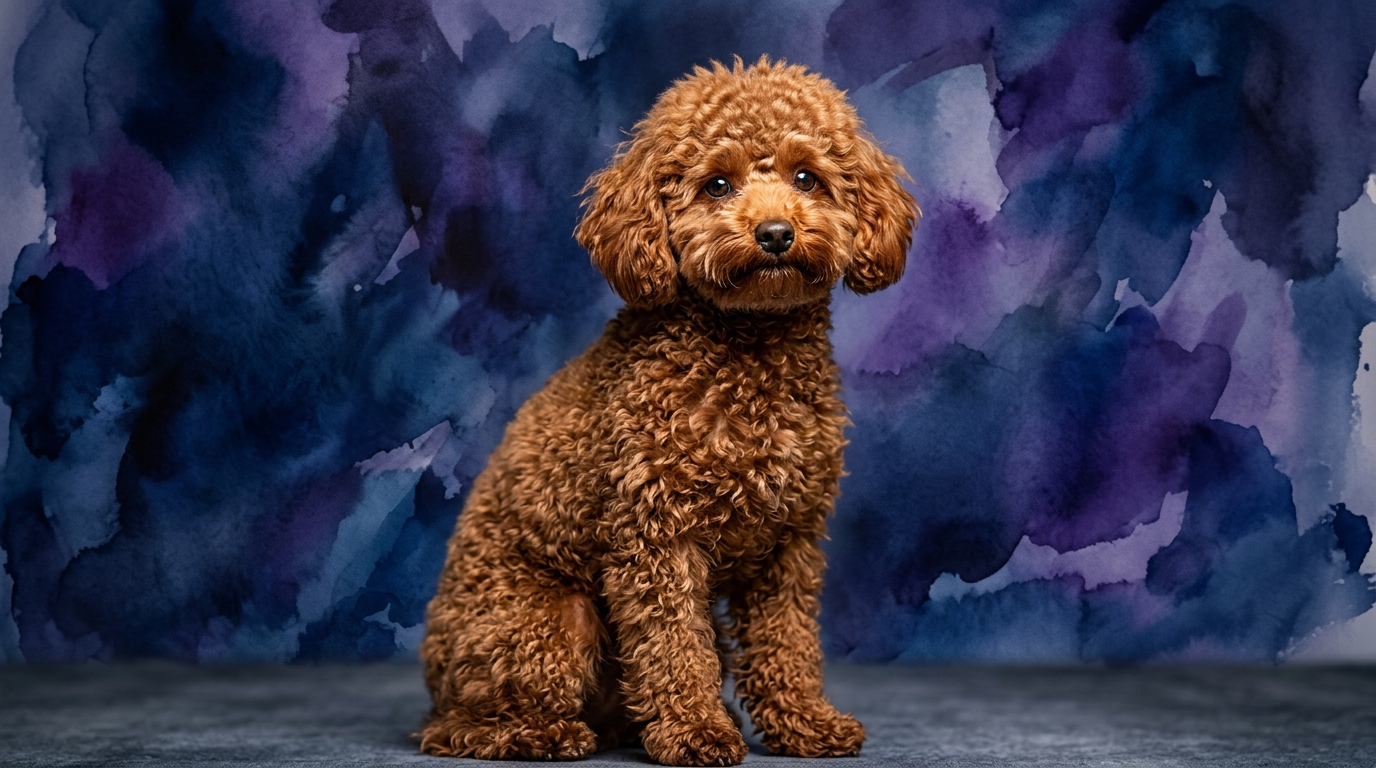
In contrast, the agile Toy Poodle, holding an impressive Coren rank of #2, presents a different cognitive profile. Its Problem Solving skill is outstanding at 5 out of 5, demonstrating an exceptional ability to analyze situations and independently formulate effective solutions. This breed's Training Speed is also maximal at 5 out of 5, indicating an incredibly rapid grasp of new commands and concepts. The Toy Poodle's Social Intelligence, however, is a moderate 3 out of 5, suggesting it understands human cues adequately but might not possess the deep emotional attunement of some other breeds. Its Instinctive Drive is similarly moderate at 3 out of 5, meaning while it has natural dog behaviors, it lacks the specialized, intense drives seen in working breeds. The Toy Poodle compensates with a perfect 5 out of 5 in Memory, ensuring it remembers complex sequences and previously learned information with impressive accuracy and longevity.
Where the Newfoundland Cognitively Excels
The Newfoundland's cognitive strengths lie profoundly in its social and instinctive dimensions. With a perfect 5/5 in Social Intelligence, this breed possesses an uncanny ability to interpret human emotions and intentions, often anticipating needs or offering comfort without explicit commands. This isn't just about obedience; it's a deep, empathetic connection that allows them to integrate seamlessly into family structures as protective and understanding companions. They are adept at reading body language and vocal tones, making them remarkably attuned to their human counterparts. This acute social awareness fosters a profound bond, enabling them to act as gentle guardians, particularly around children, where their perceived role often involves watchful supervision.
Furthermore, the Newfoundland’s 5/5 Instinctive Drive is not merely a strong urge but a sophisticated set of ingrained behaviors geared towards specific purposes. Their historical role as water rescue dogs means they possess an innate drive to assist and retrieve, often without explicit training. This manifests in behaviors like pulling objects, attempting to 'rescue' people in water, or herding family members. While their problem-solving might be less about intricate puzzles, it is highly practical within their ancestral context – devising ways to reach someone in distress or navigate challenging environments to fulfill their protective instincts. This combination of social acumen and purposeful drive makes them uniquely suited for roles requiring compassion and a natural inclination to aid.
Where the Toy Poodle Cognitively Dominates
The Toy Poodle's cognitive superiority is most evident in its rapid learning and complex problem-solving capabilities. Scoring a perfect 5/5 in Problem Solving, these small dogs are adept at navigating intricate tasks, figuring out how to open latches, retrieve hidden treats from puzzle toys, or even manipulate objects to achieve a desired outcome. This isn't brute force; it's a calculated approach, demonstrating a capacity for abstract thought and strategic planning. They quickly learn cause-and-effect relationships and can apply past experiences to new, similar challenges, showcasing remarkable cognitive flexibility. Their ability to independently analyze and resolve novel situations makes them captivating to observe and engaging to interact with.
Complementing their problem-solving prowess is an equally impressive 5/5 Training Speed. Toy Poodles absorb new commands and behaviors with astonishing alacrity, often requiring only a few repetitions to grasp a concept. This rapid acquisition extends beyond basic obedience to complex tricks, agility courses, and even scent work. Their exceptional Memory (5/5) ensures that once a behavior is learned, it is retained with remarkable fidelity, allowing them to build an extensive repertoire of skills over their lifetime. This combination of quick learning, strong recall, and high problem-solving capacity means they thrive on mental engagement and can master a wide array of activities, making them stars in competitive dog sports or as highly adaptable companions.
Which is Easier to Train and Why?
When it comes to ease of training, the Toy Poodle generally holds a distinct advantage due to its superior scores in Training Speed (5/5) and Problem Solving (5/5). These breeds grasp new concepts with remarkable speed, often picking up commands after just a few repetitions. Their problem-solving abilities also mean they are quick to understand the 'why' behind a command, making them less prone to simply repeating actions without comprehension. For instance, teaching a Toy Poodle a multi-step routine like 'fetch the keys and bring them to the door' would likely progress swiftly, as they can break down the task and remember the sequence of actions efficiently. Their high memory score further ensures that once a behavior is learned, it is retained with impressive longevity, requiring less refresher training.
The Newfoundland, while possessing a respectable 4/5 in Training Speed, typically requires more consistent repetition to solidify new behaviors compared to a Toy Poodle. Their problem-solving at 3/5 means they might take longer to independently figure out solutions, relying more on direct instruction and guidance. However, their exceptional Social Intelligence (5/5) means they are highly motivated to please their human companions and respond well to positive reinforcement rooted in connection. While a Newfoundland might take longer to learn a complex agility course, their desire to cooperate and their strong memory (4/5) mean they will eventually master it with patience and clear communication. Training a Newfoundland often involves leveraging their innate desire to work alongside their owner, even if the learning curve for complex, abstract tasks is steeper than for a Toy Poodle.
Suitability for Active vs. Relaxed Owners
The cognitive profiles of these two breeds offer clear guidance for matching them with owner lifestyles. The Toy Poodle, with its high Problem Solving, Training Speed, and Memory, thrives with active owners who are keen on providing consistent mental stimulation and engagement. These dogs excel in activities that challenge their intellect, such as advanced obedience, agility, trick training, or even canine freestyle. Owners who enjoy teaching new behaviors, participating in dog sports, or regularly engaging their dog in puzzle toys and brain games will find the Toy Poodle to be an incredibly rewarding and responsive companion. While they also enjoy physical exercise, their mental needs are paramount; a bored Toy Poodle is more likely to invent its own (potentially undesirable) 'problems' to solve. They suit owners who are active both physically and mentally, enjoying a dynamic partnership centered around learning and accomplishment.
Conversely, the Newfoundland, with its unparalleled Social Intelligence and strong Instinctive Drive, is an ideal match for owners seeking a deeply connected, empathetic, and purposeful companion. While Newfoundlands need regular physical activity, their cognitive strengths lean towards companionship, guardianship, and tasks that leverage their natural instincts. Relaxed owners who appreciate a dog that is attuned to family dynamics, offers quiet comfort, and possesses a gentle protective instinct will find immense satisfaction. They thrive in environments where they feel part of the family 'pack' and can fulfill their natural desire to be helpful, whether that's accompanying owners on leisurely walks, supervising children, or simply being a calm, reassuring presence. Owners who value deep emotional bonds and a dog with an innate sense of responsibility will find the Newfoundland's cognitive makeup perfectly aligned with their desires.
The Verdict: When to Choose Each Breed
The Verdict
Choose a Newfoundland if you seek a deeply empathetic, protective companion with a strong desire to be part of the family's social fabric and a natural inclination for gentle guardianship and purposeful work.
Opt for a Toy Poodle if you are an active owner eager to engage in complex training, mental challenges, and desire a highly adaptable, quick-learning dog that excels in diverse activities.
🧠 Find Your Pet's IQ Score
Our Pet IQ Lab assessment covers 25+ tests across 5 cognitive dimensions — personalized to your breed.
Take the Full IQ Test →Frequently Asked Questions
Is a Newfoundland good with children due to its intelligence?
Yes, a Newfoundland's 5/5 Social Intelligence makes them exceptionally good with children, as they possess a deep understanding of human cues and a gentle, protective instinct. They often act as patient, watchful guardians, attuned to the needs and emotions of their young family members.
Can a Toy Poodle learn complex tasks like service dog work?
Absolutely. With a 5/5 in Problem Solving, Training Speed, and Memory, Toy Poodles are highly capable of learning complex tasks required for service work. Their ability to quickly grasp new concepts and retain them makes them excellent candidates for advanced training roles.
Do Newfoundlands need a lot of mental stimulation?
While Newfoundlands don't typically require the same level of puzzle-solving mental stimulation as a Toy Poodle, they do thrive on purposeful engagement and social interaction. Activities that leverage their instinctive drive, like 'helping' with chores or participating in water activities, along with strong family bonding, provide essential cognitive fulfillment.