Side-by-Side Cognitive Profiles
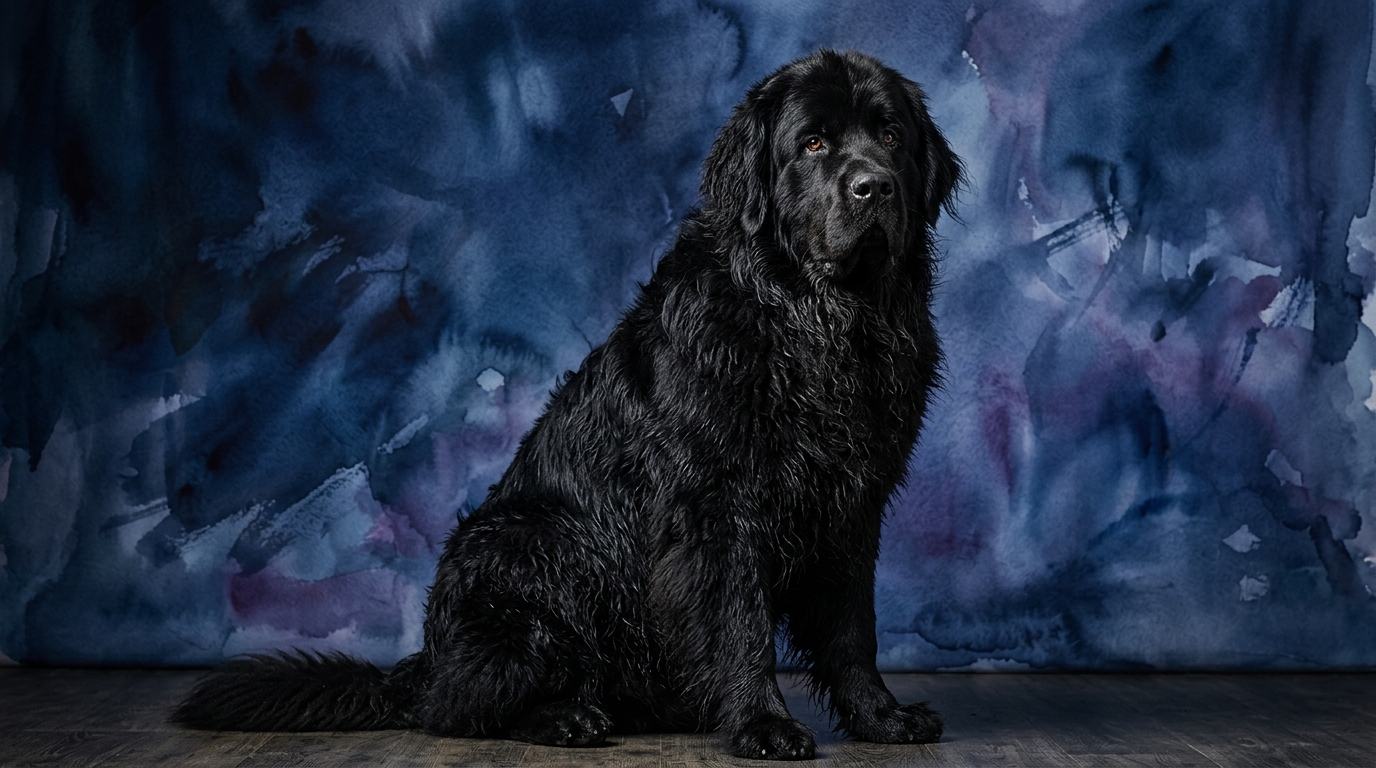
The Cosmic Pet Pet IQ Lab employs a multi-dimensional approach to assess canine cognition, moving beyond simplistic notions of 'smartness' to evaluate specific mental aptitudes. For the Newfoundland, a dog often associated with water rescue and companionship, its profile includes a Problem Solving score of 3/5, a Training Speed of 4/5, a remarkable Social Intelligence of 5/5, an Instinctive Drive of 5/5, and a Memory score of 4/5. This breed is also recognized by Coren's rankings, placing at #34.
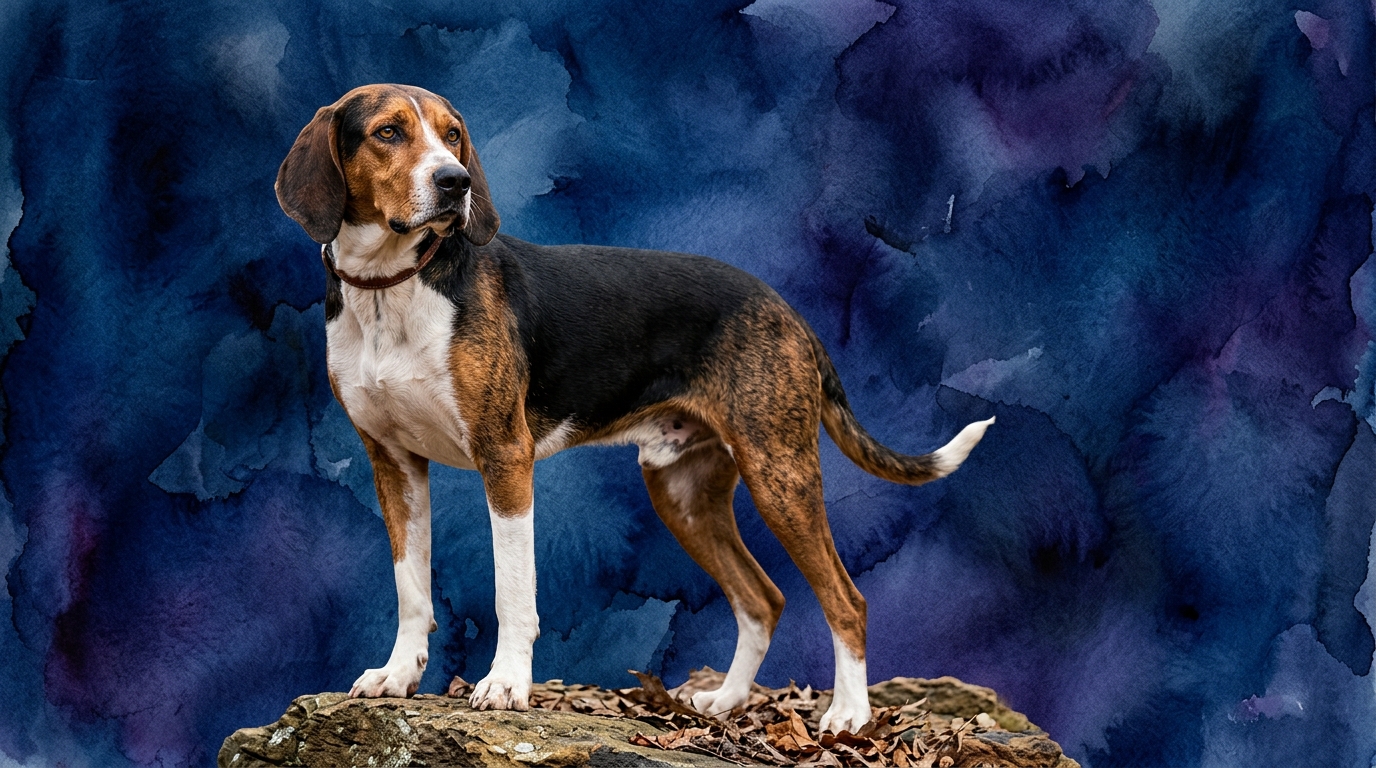
In contrast, the Treeing Walker Coonhound, a breed honed for independent hunting and tracking, presents a distinct cognitive makeup. Its Problem Solving ability also stands at 3/5, with a Training Speed of 3/5, Social Intelligence at 3/5, Instinctive Drive at 3/5, and Memory at 3/5. Notably, the Treeing Walker Coonhound is not specifically listed in Coren's traditional intelligence rankings, highlighting its specialized cognitive focus which often differs from breeds primarily valued for obedience or complex human-directed tasks.
Where the Newfoundland Excels Cognitively
The Newfoundland's cognitive strengths are particularly evident in its exceptional Social Intelligence (5/5) and robust Instinctive Drive (5/5), which are deeply intertwined with its historical roles. This breed exhibits a profound capacity for understanding human cues and intentions, making it highly attuned to its family's emotional states and responsive to cooperative tasks. Such social acumen is crucial for its traditional work in water rescue, where sensing distress and working alongside humans in critical situations is paramount.
Furthermore, the Newfoundland's superior Training Speed (4/5) and Memory (4/5) contribute significantly to its ability to learn and retain complex sequences of commands, especially those involving multi-step tasks. Their instinctive drive, rather than being a purely predatory urge, is often channeled into protective or helpful behaviors, making them diligent in tasks like guarding family members or retrieving objects. This combination of social awareness, quick learning, and reliable recall makes them exceptionally adaptable to various service and companionship roles where human interaction and cooperation are key.
Where the Treeing Walker Coonhound Shines Cognitively
While the Treeing Walker Coonhound's numerical scores might appear lower than the Newfoundland's, their cognitive profile is precisely calibrated for their specialized purpose: tracking and treeing game. Their Problem Solving score of 3/5, though numerically equal to the Newfoundland's, is applied in a fundamentally different context. This breed excels at independently navigating complex scent trails, deciphering environmental cues, and persisting through challenging terrains to locate quarry, a task requiring a unique brand of self-reliant cognitive application rather than human-directed problem-solving.
The Treeing Walker Coonhound's Instinctive Drive (3/5), though lower than the Newfoundland's, is highly focused and potent in its specific domain. This drive manifests as an unwavering dedication to the hunt, propelling them to follow a scent for extended periods, often ignoring distractions that would deter other breeds. Their social intelligence (3/5) and training speed (3/5) reflect a degree of independence; they are not bred to be highly compliant in the face of an irresistible scent, but rather to make independent decisions in the field. This singular focus and self-directed problem-solving, even if it makes them less immediately responsive to human commands during a hunt, is a hallmark of their specialized cognitive strength.
Ease of Training: A Tale of Two Temperaments
When considering ease of training, the Newfoundland presents a more straightforward path for most owners. Its Training Speed of 4/5 indicates a quicker grasp of new commands, while its exceptional Social Intelligence (5/5) means it is highly motivated by human approval and connection. Newfoundlands typically respond very well to positive reinforcement, eager to please their handlers and form strong working partnerships. Their robust memory (4/5) ensures that once a command is learned, it is reliably retained, reducing the need for constant re-training and allowing for the progression to more advanced behaviors.
The Treeing Walker Coonhound, with a Training Speed of 3/5 and Social Intelligence of 3/5, often requires a more patient and persistent approach. Their strong instinctive drive for scent work can make them easily distracted by environmental odors, pulling their focus away from human instructions. While capable of learning, their independent nature means they might not always see the immediate value in complying with a command when a compelling scent is present. Training a Coonhound often involves harnessing their natural drive and redirecting it, rather than simply suppressing it, which demands consistency, clear boundaries, and a deep understanding of hound behavior.
Active Owners vs. Relaxed Owners: Matching Energy and Expectations
For relaxed owners seeking a devoted, calm, and cooperative companion, the Newfoundland is often the more suitable choice. While they require regular exercise to maintain their large frames and mental well-being, their social intelligence and natural inclination towards companionship mean they are generally content to be near their human family, participating in moderate activities like swimming or leisurely walks. Their impressive instinctive drive often translates into a protective yet gentle nature, making them excellent family dogs who thrive on interaction and being an integrated part of the household routine.
The Treeing Walker Coonhound, conversely, is best suited for active owners who understand and can accommodate their profound need for mental and physical stimulation, especially activities related to scent work. Their instinctive drive, though rated 3/5, is intensely focused on hunting and tracking; without an outlet for this drive, they can become restless or engage in undesirable behaviors like excessive baying or destructive chewing. Owners who enjoy hiking, scent work, or even competitive dog sports like tracking and agility will find a highly motivated and capable partner in the Coonhound, but a relaxed, sedentary lifestyle will likely lead to an unfulfilled and potentially challenging dog.
The Verdict
Choose the Newfoundland if you seek a highly cooperative, socially attuned companion eager to please, capable of complex learning, and suitable for a family-integrated lifestyle with moderate activity.
Opt for the Treeing Walker Coonhound if you are an active, dedicated owner prepared to channel a powerful, independent scent drive, valuing a persistent and self-reliant partner for outdoor pursuits and scent work.
🧠 Find Your Pet's IQ Score
Our Pet IQ Lab assessment covers 25+ tests across 5 cognitive dimensions — personalized to your breed.
Take the Full IQ Test →Frequently Asked Questions
Do Newfoundlands make good service dogs?
Yes, Newfoundlands often excel as service or therapy dogs due to their high social intelligence and gentle, patient temperament. Their strong memory and training speed allow them to learn and reliably perform complex tasks, making them well-suited for roles supporting individuals.
Are Treeing Walker Coonhounds good with children?
Treeing Walker Coonhounds can be good with children, especially if raised with them and properly socialized. However, their high energy and independent drive for scent work mean they need consistent training and supervision to ensure polite interactions, rather than instinctively pursuing a fleeing child like game.
Which breed is more prone to separation anxiety?
Newfoundlands, with their higher social intelligence and strong bond with their human family, might be more prone to separation anxiety if left alone for extended periods. Treeing Walker Coonhounds are more independent, but can still develop anxiety if their physical and mental needs, particularly for exercise and scent work, are not met.