Side-by-Side IQ Profile: Newfoundland vs. Welsh Terrier
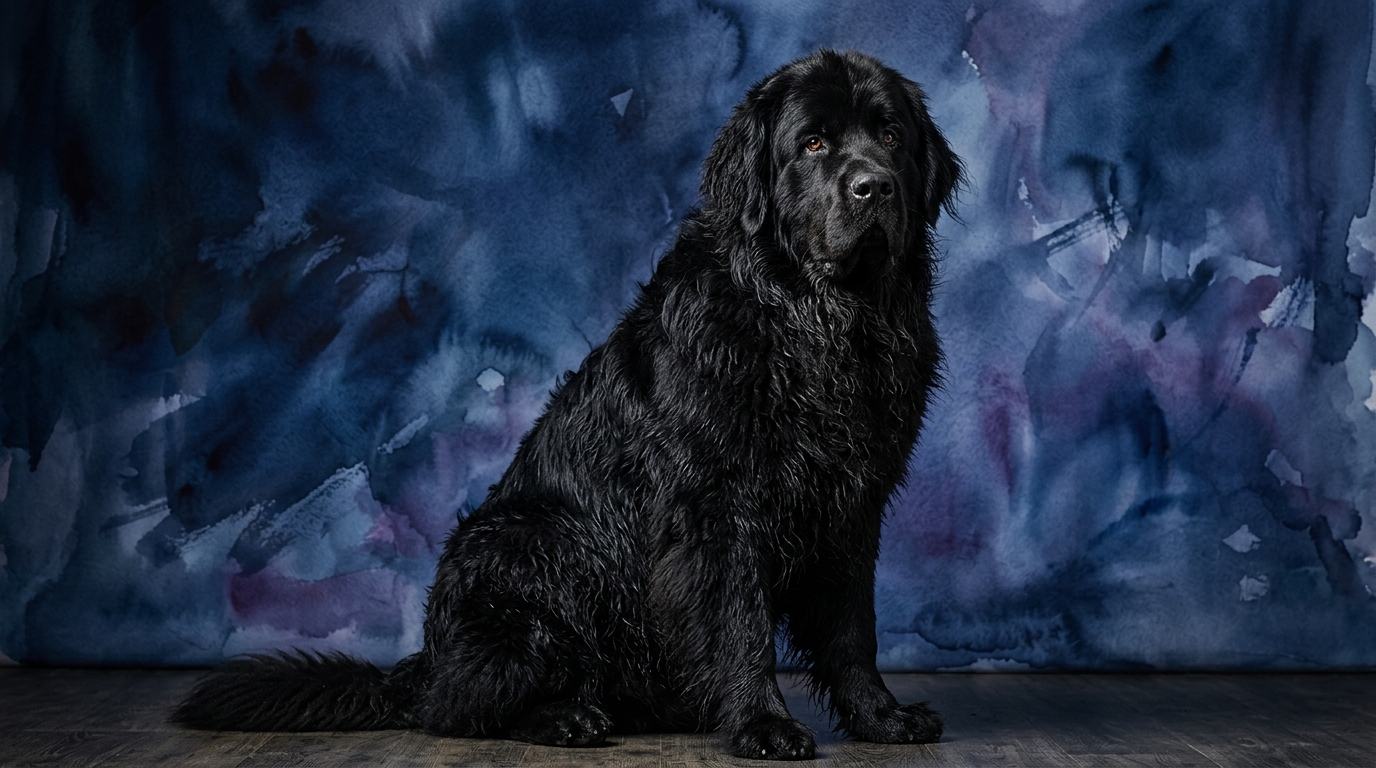
The Cosmic Pet Pet IQ Lab employs a multi-dimensional approach to assess canine intelligence, moving beyond a single score to highlight specific cognitive strengths. For the Newfoundland, a Working breed, its Coren rank of #34 provides a general context for its obedience and working intelligence, but our deeper dive reveals more. Its Problem Solving ability is rated at 3/5, indicating a moderate capacity to navigate novel situations or overcome obstacles independently. Training Speed for the Newfoundland registers at a robust 4/5, suggesting a breed that grasps new commands and routines with relative quickness and eagerness. Social Intelligence, a hallmark of the breed, stands at an impressive 5/5, reflecting its profound understanding of human cues, intentions, and emotional states. Instinctive Drive, particularly for water rescue and companionship, is also a high 5/5, demonstrating a powerful innate predisposition towards its historical roles. Finally, its Memory is rated 4/5, indicating a strong ability to retain learned behaviors and recall past experiences.
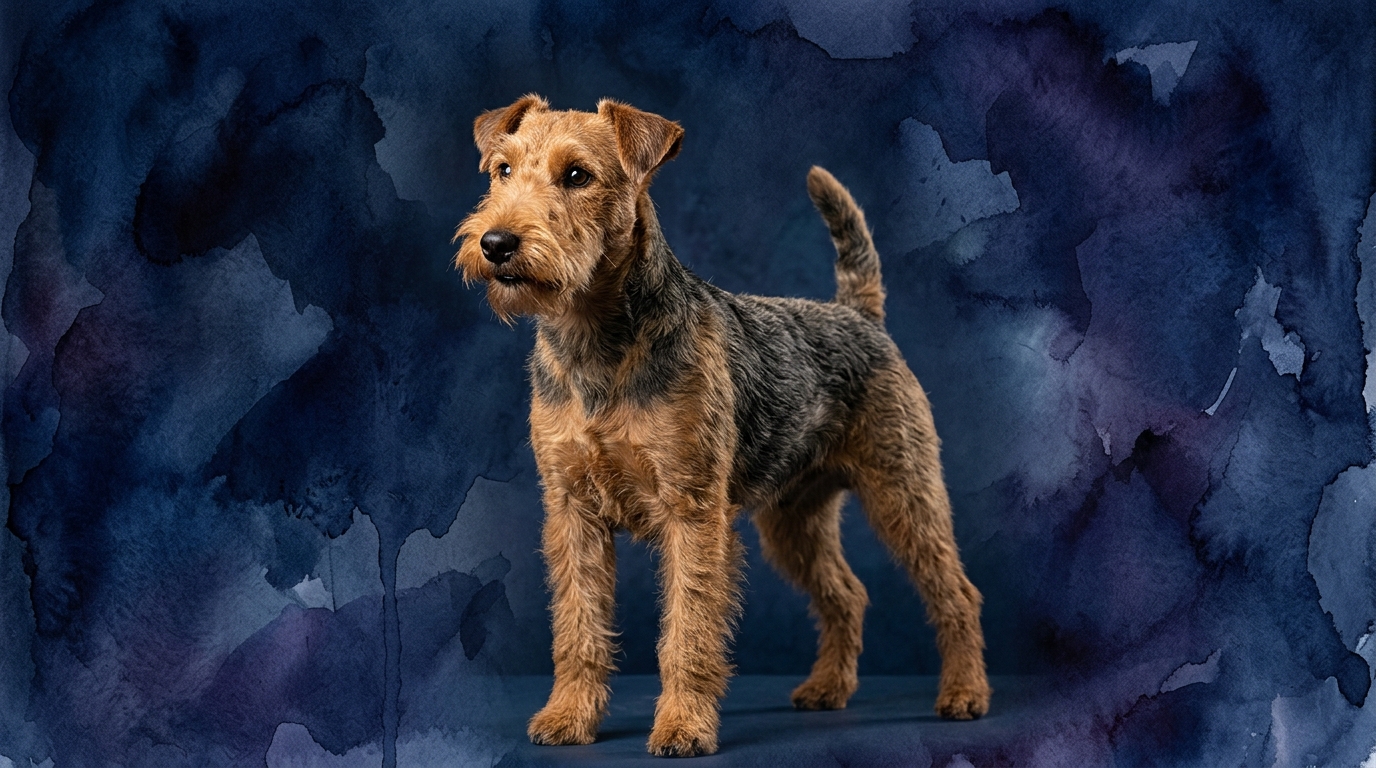
In contrast, the Welsh Terrier, a spirited Terrier breed, does not have a specific Coren rank, emphasizing the need for our detailed IQ breakdown. Its Problem Solving score is 3/5, mirroring the Newfoundland's capacity to figure things out independently, though often with a terrier's signature tenacity. Training Speed for the Welsh Terrier is 3/5, suggesting a moderate pace of learning commands, often influenced by its independent nature. Social Intelligence is rated 3/5, meaning it possesses a solid understanding of social dynamics but might not exhibit the same depth of empathetic connection or immediate responsiveness to subtle human cues as some other breeds. Instinctive Drive, primarily focused on hunting small game and exploration, is also 3/5, a characteristic terrier trait that drives much of its behavior. Its Memory is likewise rated 3/5, indicating a respectable ability to remember training and experiences, though perhaps not with the same consistency as the Newfoundland.
Where the Newfoundland Wins Cognitively
The Newfoundland undeniably excels in areas demanding profound social understanding and cooperative effort. Its 5/5 Social Intelligence means it possesses an exceptional ability to read human emotions, respond to subtle body language, and form deep, empathetic bonds. This cognitive strength translates into an unparalleled capacity for companionship and intuitive interaction, making it highly attuned to its family's needs. Furthermore, its 5/5 Instinctive Drive for rescue and companionship means it is inherently predisposed to protective and nurturing roles, often acting without direct command when it perceives a need. This strong innate drive, coupled with a 4/5 Training Speed and 4/5 Memory, allows Newfoundlands to quickly internalize complex tasks and safety protocols, making them outstanding service animals or reliable partners in cooperative ventures. They don't just follow commands; they often anticipate needs, a significant cognitive advantage rooted in their social and instinctive faculties.
Where the Welsh Terrier Wins Cognitively
While the Welsh Terrier's scores might appear lower across the board, its cognitive strengths lie in areas where independence and focused determination are paramount. Its 3/5 Problem Solving, when combined with its terrier temperament, often manifests as a tenacious, self-reliant approach to challenges. Unlike the Newfoundland, which might look to its human for guidance, the Welsh Terrier is more inclined to figure things out on its own, especially when motivated by its instinctive drive. This breed's 3/5 Instinctive Drive, though lower than the Newfoundland's, is intensely focused on tasks like scenting, digging, and pursuing small prey. This specialized cognitive focus allows them to excel in activities requiring singular concentration and persistent effort, often demonstrating remarkable ingenuity in achieving their goals, even if it means bending the rules. Their moderate social intelligence means they are not overly dependent on constant human validation, fostering a spirit of independent thought and action that can be a distinct advantage in specific working roles or for owners who appreciate a dog with strong self-direction.
Training Dynamics: Newfoundland vs. Welsh Terrier
When it comes to trainability, the differences between these two breeds are substantial, primarily due to their distinct cognitive profiles and historical purposes. The Newfoundland, with its 4/5 Training Speed and 5/5 Social Intelligence, is generally easier to train. Their eagerness to please, coupled with a deep desire for human connection, means they are highly motivated by positive reinforcement and respond well to consistent, gentle guidance. They quickly understand what is expected of them and are typically compliant, making them suitable for novice owners. Behavioral differences like their innate desire to cooperate and strong memory (4/5) make them reliable pupils who retain lessons effectively.
In contrast, the Welsh Terrier's 3/5 Training Speed and 3/5 Social Intelligence often translate into a more challenging training experience. While capable of learning, their independent nature and strong instinctive drive can lead to selective hearing or a tendency to prioritize their own interests over commands. They require a patient, consistent trainer who understands terrier psychology and can make training engaging and rewarding. Their problem-solving abilities (3/5) might lead them to find creative ways around commands if they don't see the immediate benefit, rather than simply complying. This isn't a lack of capacity, but rather a different motivational framework that requires a different approach.
Matching Breeds to Lifestyles: Active vs. Relaxed Owners
Considering their cognitive makeup and instinctive drives, the Newfoundland and Welsh Terrier appeal to very different owner lifestyles. The Newfoundland, with its profound social intelligence and strong instinctive drive for companionship and protection, thrives with relaxed owners who can offer consistent affection, gentle guidance, and a stable, loving home environment. While large and requiring exercise, their cognitive strengths lean towards cooperative activities and being an integral part of family life. They are less about intense, high-energy pursuits and more about shared presence and emotional connection, making them ideal for families or individuals seeking a calm, devoted companion.
The Welsh Terrier, conversely, is better suited for active owners who appreciate a dog with a spirited, independent streak. Their moderate instinctive drive, often expressed as a need for exploration and 'work,' means they require consistent mental and physical stimulation. Owners who enjoy engaging in activities like agility, earthdog trials, or long, varied walks will find a rewarding partnership. Their problem-solving inclination, while sometimes leading to mischief, also means they benefit from owners who can channel their cognitive energy into constructive tasks, preventing boredom and fostering their natural terrier wit. They are not content to be mere couch potatoes and will thrive with owners who can match their zest for life and provide outlets for their inherent drive.
The Verdict
Choose the Newfoundland if you seek a deeply empathetic, cooperative companion eager to please and integrate seamlessly into family life, valuing social connection above all else.
Opt for the Welsh Terrier if you're an active owner who appreciates an independent, spirited dog with a tenacious problem-solving approach, ready for engaging activities and consistent mental challenge.
🧠 Find Your Pet's IQ Score
Our Pet IQ Lab assessment covers 25+ tests across 5 cognitive dimensions — personalized to your breed.
Take the Full IQ Test →Frequently Asked Questions
Is the Newfoundland a good choice for first-time dog owners?
Yes, their high social intelligence and strong desire to please make Newfoundlands generally amenable to training and adaptable to new environments, making them a suitable choice for first-time owners who are committed to consistent, positive reinforcement.
Do Welsh Terriers get along well with other pets?
Welsh Terriers possess a moderate social intelligence and a strong instinctive drive, which means they can coexist with other pets, especially if introduced early. However, their prey drive might require careful management around smaller animals like cats or rodents.
How much exercise does a Newfoundland typically need?
Despite their large size, Newfoundlands have a moderate energy level, requiring daily walks and opportunities for swimming or play. Their cognitive profile suggests they enjoy activities that involve their family rather than intense solitary exercise.