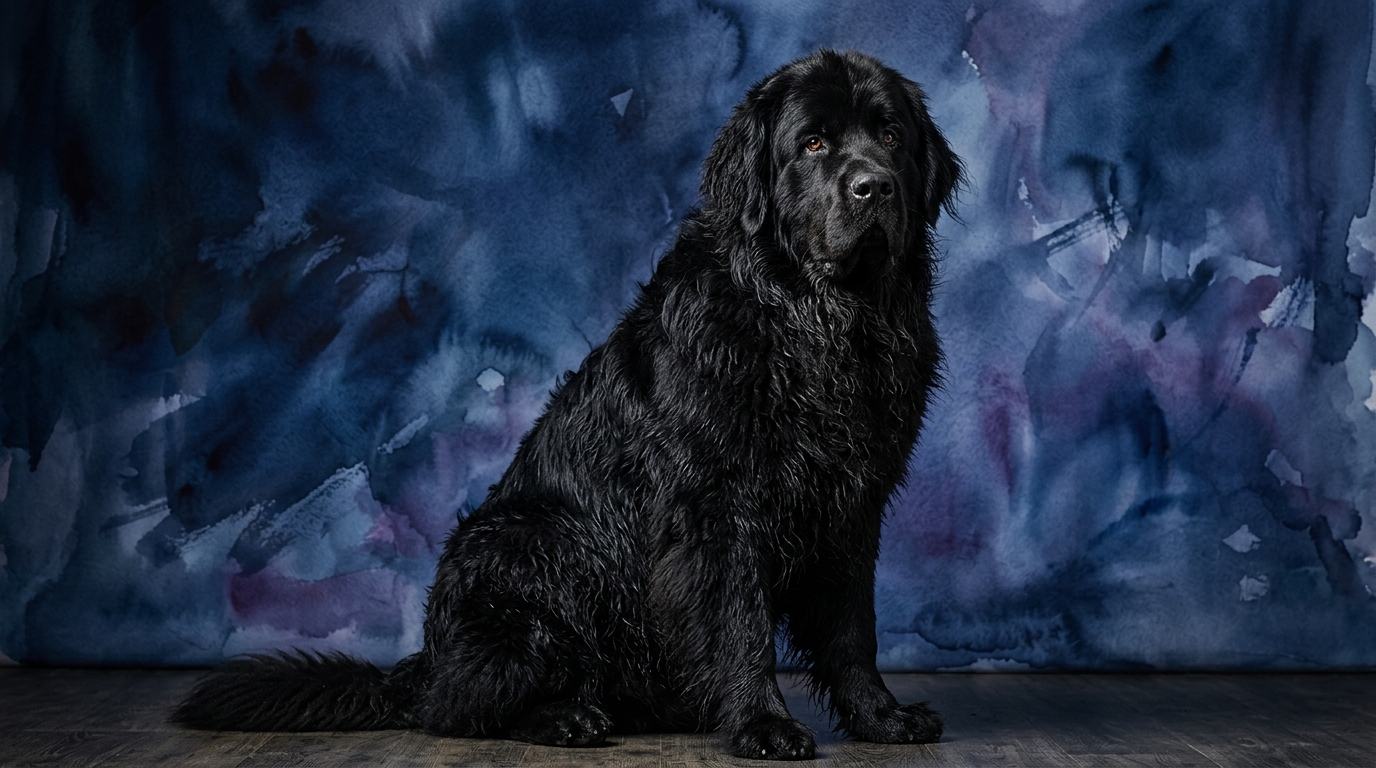
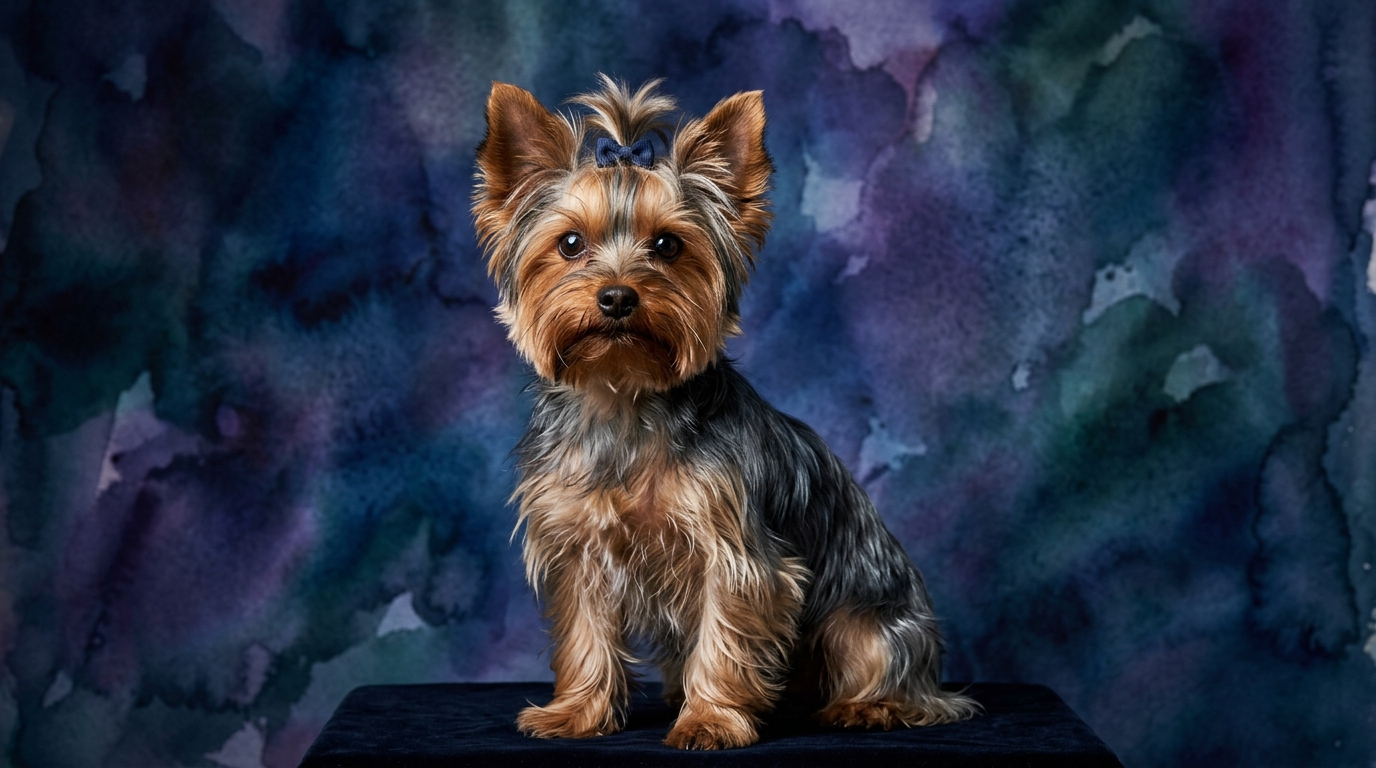
Side-by-Side Cognitive Profiles: Newfoundland vs. Yorkshire Terrier
The Cosmic Pet Pet IQ Lab offers a comprehensive look at canine cognition, breaking down intelligence into five key dimensions. For the Newfoundland, a dog from the Working group, their Coren rank is #34. They exhibit a Problem Solving score of 3/5, indicating a practical capacity for navigating challenges, often tied to their historical roles. Their Training Speed is a solid 4/5, suggesting a good aptitude for learning commands with consistency. Where they truly shine is Social Intelligence at a perfect 5/5, demonstrating an exceptional understanding of human emotions and complex social cues. Their Instinctive Drive also scores 5/5, reflecting deeply ingrained predispositions for tasks like water rescue and guardianship. Finally, their Memory stands at 4/5, allowing them to retain training and experiences effectively.
The Yorkshire Terrier, a breed from the Terrier group, holds a Coren rank of #27, placing them higher than the Newfoundland on this particular scale. This compact terrier also scores 3/5 in Problem Solving, often applied to navigating their environment with resourcefulness. Their Training Speed mirrors the Newfoundland at 4/5, indicating a quick grasp of new commands. Social Intelligence for the Yorkie is 4/5, showing good responsiveness to human interaction, though perhaps with a more independent streak than the Newfoundland. Their Instinctive Drive is 4/5, largely centered around terrier traits like alertness, chasing small prey, and vocalization. Their Memory is also strong at 4/5, ensuring they hold onto learned behaviors and routines.
Where the Newfoundland's Mind Excels
The Newfoundland's cognitive strength particularly lies in its profound Social Intelligence (5/5) and robust Instinctive Drive (5/5). Their exceptional social acumen means they are not merely responsive to commands, but truly empathetic companions, capable of reading nuanced human emotions and situations with remarkable accuracy. This makes them superb therapy dogs, sensitive family members, and reliable guardians who understand the subtleties of interaction within a household. Their powerful instinctive drive isn't just about raw energy; it's a deeply embedded cognitive framework for specific, often life-saving, behaviors. This manifests in their natural inclination for water rescue, their gentle protective instincts, and their unwavering loyalty, all driven by an inherent understanding of their role within a social unit. While their Problem Solving (3/5) may not be about complex puzzles, it's highly effective in scenarios demanding their specific working abilities, such as navigating challenging environments to aid someone in distress. Their memory (4/5) ensures these complex social and instinctive patterns are retained over a lifetime, making them consistent and reliable.
The Yorkshire Terrier's Cognitive Edge
The Yorkshire Terrier's cognitive advantages are distinct, particularly highlighted by their higher Coren Rank (#27 compared to #34 for the Newfoundland). This suggests a quicker aptitude for formal obedience training and a generally faster acquisition of learned commands in structured environments, reflecting a strong 'working intelligence.' While both breeds score 3/5 in Problem Solving, the Yorkie's approach often involves ingenuity within their smaller world, such as figuring out how to access desired items or navigate tight spaces to achieve a goal. Their Training Speed (4/5) combined with their Coren ranking indicates they can be highly receptive to consistent training, often delighting in the mental engagement of learning new tricks. Their Social Intelligence (4/5) means they are adept at forming strong bonds and understanding their primary human's cues, often translating into a desire to please within their own terms. The Yorkie's Instinctive Drive (4/5), while lower than the Newfoundland's, is acutely focused on alertness and a keen awareness of their surroundings, making them excellent watchdogs who process environmental stimuli quickly and react accordingly, demonstrating a sharp perception of their environment. Their solid Memory (4/5) reinforces their capacity for quick learning and retention of routines and experiences.
Trainability: A Tale of Two Temperaments
Both the Newfoundland and the Yorkshire Terrier boast a Training Speed of 4/5, suggesting they learn new commands at a commendable pace. However, the *ease* of training can differ based on their inherent temperaments and physical attributes. The Newfoundland's exceptional Social Intelligence (5/5) makes them highly cooperative and eager to please their human companions. They thrive on positive reinforcement and affection, responding well to gentle guidance and a strong bond. Their sheer size, while imposing, means they require early and consistent training in manners to manage their physical presence, but their willingness to engage and inherent desire for harmony makes them generally compliant and a joy to teach. Conversely, the Yorkshire Terrier, despite its equally good training speed and higher Coren rank, can present different challenges. Their Instinctive Drive (4/5), rooted in terrier tenacity and independence, can sometimes lead to stubbornness or a selective hearing when their instincts are engaged, such as during a chase or when guarding their territory. While physically easier to manage due to their small stature, their spirited nature might require a more consistent and firm, yet always positive, approach to training to prevent behaviors like excessive barking or resource guarding. Their social intelligence (4/5) means they bond deeply, but their independence can sometimes override their desire to please, demanding patience and clear boundaries from their trainer.
Matching Breeds to Lifestyles: Active vs. Relaxed Owners
When considering lifestyle, the Newfoundland, despite its impressive size, often suits a more balanced owner who appreciates periods of calm alongside substantial outdoor engagement. While they possess a high Instinctive Drive (5/5) for activities like swimming and long, purposeful walks, they are famously serene indoors, provided their exercise needs are met. They are not high-strung but require dedicated time for physical activity and mental stimulation, often involving water or family outings. Their social intelligence (5/5) means they thrive on being an integral part of family life and require consistent interaction. A relaxed owner who enjoys quiet evenings but is committed to daily, meaningful outdoor excursions and consistent grooming will find a wonderful, gentle companion. The Yorkshire Terrier, on the other hand, often suits owners who enjoy a more consistently active and engaging indoor companion. While their exercise needs are less about vast distances and more about vigorous play and short walks, their Instinctive Drive (4/5) and alert nature mean they possess a lively, sometimes feisty, energy. They benefit from consistent mental stimulation through training, puzzle toys, and interactive play to prevent boredom. An owner who enjoys a spirited, alert dog that is always ready for interaction, even if it's just a game of fetch in the living room, would find the Yorkie a delightful match, provided they can manage their strong personality.
The Verdict
Choose a Newfoundland if you seek a deeply empathetic, gentle giant with an innate drive for guardianship and a profound understanding of social dynamics, and you can provide ample space, exercise, and a strong family bond.
Opt for a Yorkshire Terrier if you desire a spirited, alert, and resourceful companion in a compact package, valuing quick learning in formal settings and a vibrant personality, even if it comes with a dash of terrier independence.
🧠 Find Your Pet's IQ Score
Our Pet IQ Lab assessment covers 25+ tests across 5 cognitive dimensions — personalized to your breed.
Take the Full IQ Test →Frequently Asked Questions
Does the Newfoundland's large size contribute to its high social intelligence?
While not a direct cause, the Newfoundland's history as a working dog often in partnership with humans, combined with their imposing physical presence, likely fostered the need for exceptional empathy and discernment, leading to their remarkable social intelligence score. Their gentle nature contrasts with their size, requiring a deep understanding of interaction to be effective companions and rescuers.
Are Yorkshire Terriers more prone to barking because of their intelligence?
Yorkshire Terriers tend to be vocal, but this is more closely linked to their strong instinctive drive (4/5) as terriers and their alertness. Their problem-solving (3/5) and memory (4/5) allow them to quickly learn that barking gets attention or alerts their owners to perceived threats, reinforcing the behavior rather than being a direct result of 'intelligence' alone.
How does Coren's rank differ from the Cosmic Pet IQ Lab's five dimensions?
Coren's rank primarily measures what's often termed 'working intelligence' or obedience, focusing on how quickly a dog learns and performs known commands, indicating their trainability for formal tasks. The Cosmic Pet IQ Lab's dimensions offer a more nuanced, holistic view, encompassing problem-solving, social understanding, innate drives, and memory, providing a broader picture of a breed's cognitive strengths beyond just obedience performance.